The Core Difference Between These Two Approaches
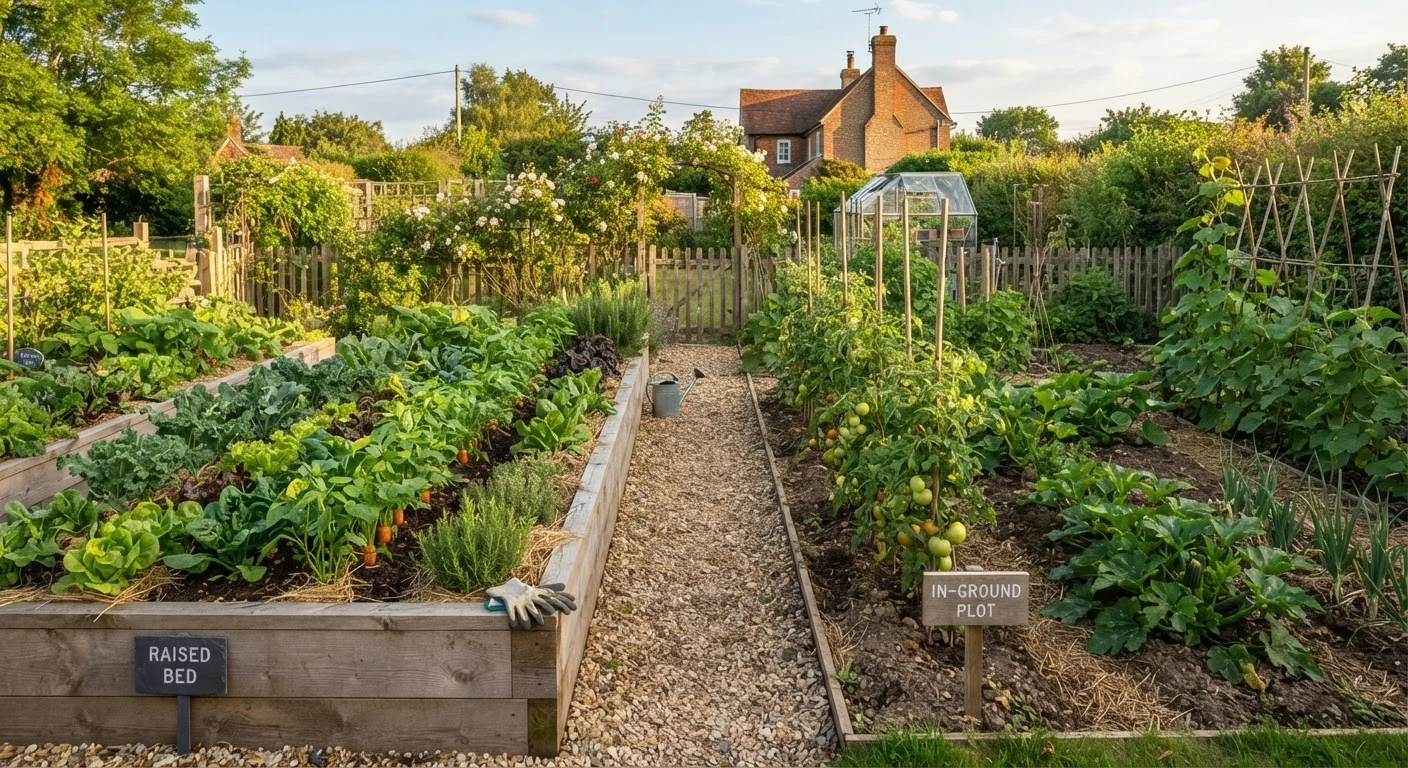
Raised beds are contained growing structures - typically framed with wood, metal, or masonry - filled with a curated soil mix sitting above ground level. In-ground gardens use the existing native soil, amended as needed, dug directly into the earth. Both can grow vegetables, herbs, flowers, and perennials with excellent results, but each method starts from different assumptions about what you're working with and what you need.
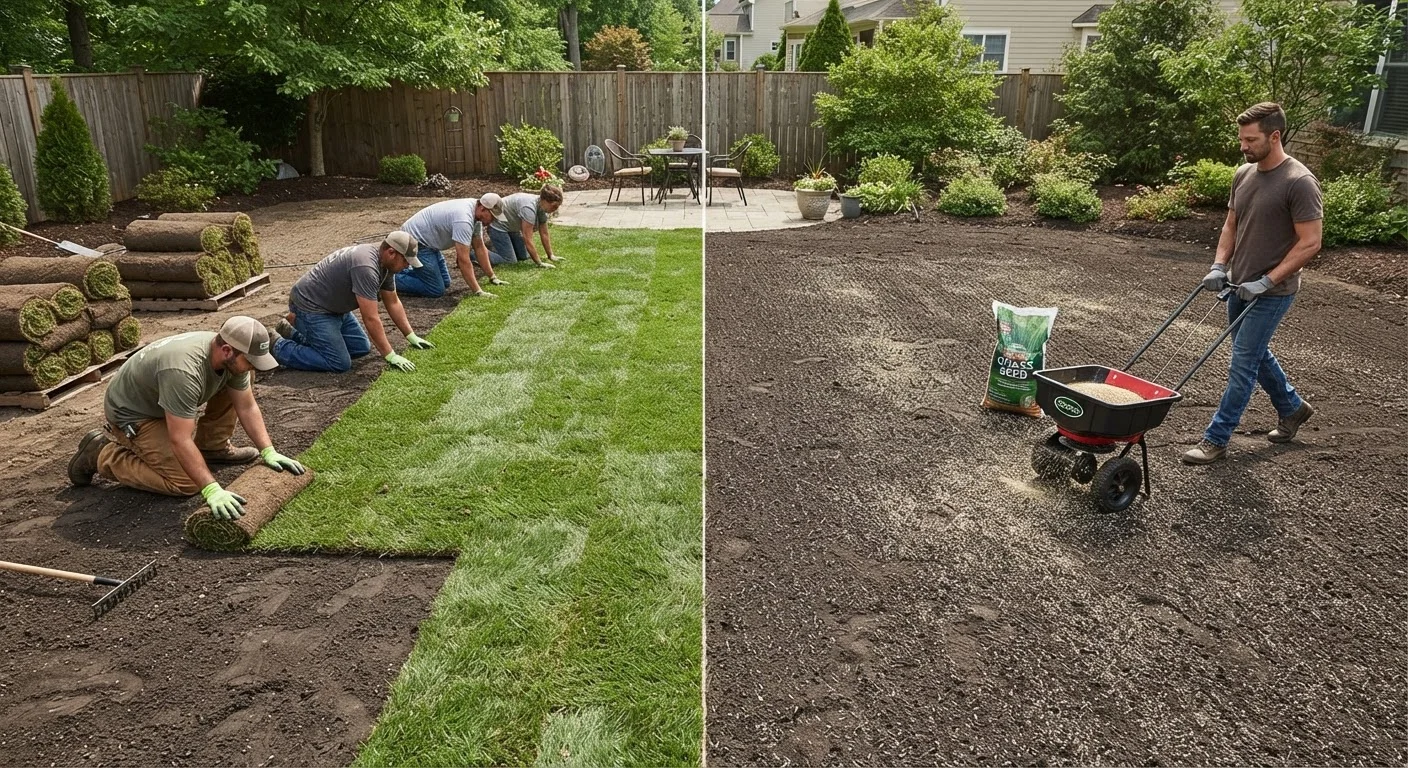
The choice isn't simply aesthetic. It ripples into how much you spend upfront, how often you water, how your plants perform in your specific climate, and how much physical effort the garden demands season after season. Understanding these tradeoffs clearly - rather than defaulting to whichever style looks more appealing in photos - is the best way to match your setup to your actual space. For a related look at how the scale of your outdoor space can shape your choices, see our guide to grass seed vs. sod.
Soil Control, Drainage, and Plant Health
One of the strongest arguments for raised beds is complete control over what your plants grow in. You fill the frame with a blended mix - typically combining topsoil, compost, and an aerating material like perlite or aged bark - dialed in for the crops you're growing. This matters enormously in areas with dense clay, sandy, or nutrient-depleted native soil. If your yard's existing ground is more clay than loam, a raised bed sidesteps years of amendment work.
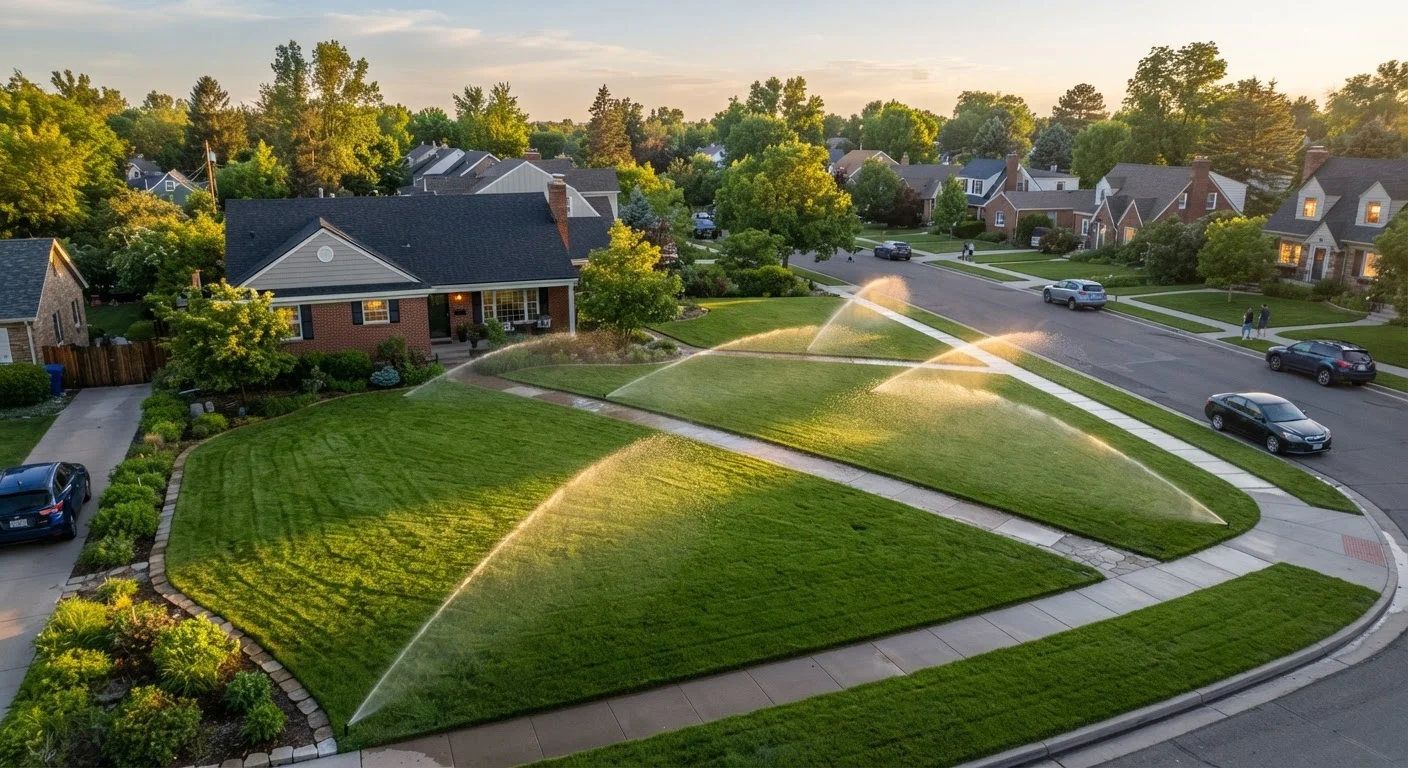
Raised beds also drain faster than most in-ground plots. That's a genuine advantage in wet climates or low-lying yards prone to pooling water, but it becomes a drawback in hot, dry summers - faster drainage means faster moisture loss. Gardeners in the Southwest or during heat spikes may find raised beds require watering every day or two. For irrigation considerations that apply to both setups, our article on lawn irrigation system tradeoffs is worth reviewing.
In-ground soil, once properly amended, retains moisture more consistently and doesn't heat up as rapidly. Deep-rooted vegetables like tomatoes, squash, and perennial herbs can send roots far below the surface, accessing water and nutrients that a 10-12 inch raised bed simply can't offer.
| Raised Beds | In-Ground Gardens | |
|---|---|---|
| Upfront cost | Moderate to high (materials + fill soil) | Low (amendment costs only) |
| Soil control | Full - you choose the mix | Partial - amend existing soil |
| Drainage | Fast - better for wet climates | Slower - better for dry climates |
| Season length | Warms earlier in spring | Stays cooler in summer heat |
| Weed pressure | Generally lower | Can be high, especially first seasons |
| Accessibility | Easier - less bending required | Requires kneeling or bending |
| Scalability | Cost increases with each bed | Inexpensive to expand |
| Best for deep-rooted crops | Limited by bed depth | Unrestricted root growth |
Upfront Cost and Long-Term Maintenance
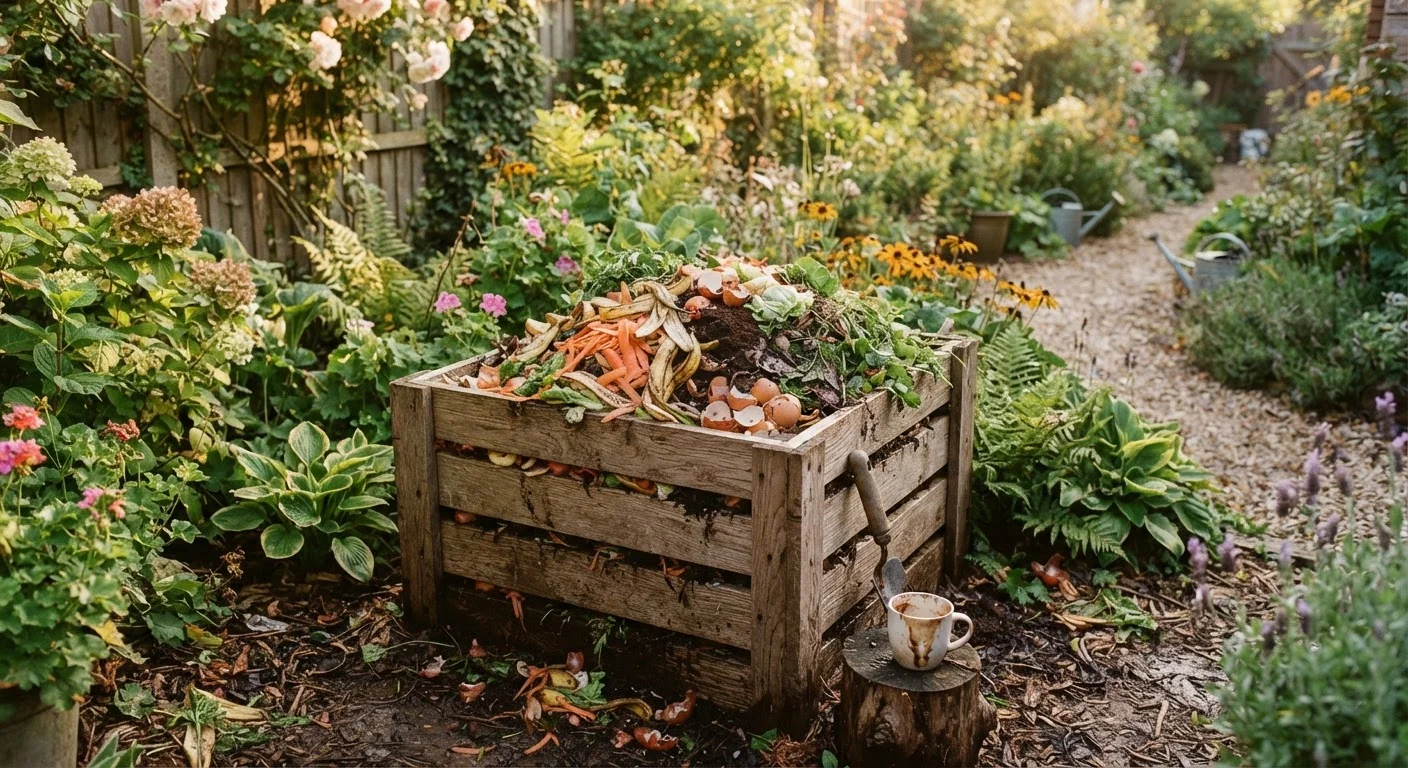
In-ground gardens are considerably cheaper to start. If your soil is workable, the main investment is time and elbow grease - tilling, removing sod, and incorporating compost. A well-maintained in-ground bed can improve year after year as organic matter builds up, especially if you practice regular composting. See our guide on composting at home for a practical system that enriches any garden over time.
Raised beds carry meaningful upfront costs: lumber, hardware cloth for the bottom (to deter burrowing pests), quality fill soil, and labor to build the frames. A single 4×8 foot cedar bed filled with quality soil mix can run $150-$300 depending on materials and your region. Scaling up - say, to ten beds - is a significant investment. The frames themselves require periodic maintenance; untreated wood may begin breaking down within five to seven years depending on the species and climate.
Choose Cedar or Untreated Pine Wisely
Cedar is a popular raised bed material because it resists rot naturally and can last 10-15 years without treatment. Standard pine is cheaper but typically breaks down in five to seven years in damp climates. Avoid lumber treated with older preservatives - modern pressure-treated wood labeled 'ground contact' is generally considered safe for food gardens by current standards, but verify the labeling before purchasing and check your local extension service's guidance.
On the maintenance side, raised beds often mean less weeding because you're not importing weed seeds with native soil. In-ground plots, especially those converted from lawn, can be a weed battleground for the first couple of seasons.
Season Length, Climate, and What Grows Best Where
Raised beds warm up faster in spring because the soil mass is exposed to sun on all sides and isn't thermally connected to the cold earth below. In USDA hardiness zones 5 and 6, this can translate to planting two to four weeks earlier than in-ground plots - a meaningful advantage for short-season gardeners. It also helps in fall, extending the season slightly longer before a hard freeze ends things.
However, this same characteristic means raised beds can overheat in Zone 9 and 10 summers, stressing cool-season crops. Gardeners in warm climates often find that in-ground plots, which stay cooler at root depth, are more forgiving during heat waves. If you're trying to keep vegetables producing through intense summer heat, our article on keeping a vegetable garden productive all summer covers strategies that apply to both setups.
Perennial plants and native species - which are increasingly recommended by ecologists for their low water needs and wildlife benefits - often thrive better in-ground, where roots can spread naturally over years. If incorporating native plants is part of your gardening vision, in-ground beds may integrate them more naturally into the landscape.
Accessibility, Space Constraints, and Practical Fit
Raised beds sit higher off the ground - typically 12 to 24 inches - which dramatically reduces bending and kneeling. For gardeners with back pain, limited mobility, or knee issues, this is often the deciding factor. A bed built at a comfortable height with a sturdy rim to sit on changes gardening from a painful task to an enjoyable one.
Space matters too. Raised beds work well in small or oddly shaped yards, on patios with deep enough structures, and in urban settings where contaminated soil makes in-ground planting a concern. In-ground gardens make more sense when you have a quarter acre or more to work with and good access to the plot. Their footprint is flexible - you can expand or reshape them with little cost beyond time.
Whatever growing method you choose, avoiding common misconceptions will save wasted effort. Our guide to garden myths is a useful reality check before you commit to any setup.
This article is for general informational and educational purposes. Costs, material performance, and growing conditions vary by region and individual circumstances. Consult local cooperative extension services or a qualified landscape professional for guidance tailored to your specific location and soil conditions.