Why Vehicle Fluids Matter
Your car relies on several different fluids to lubricate moving parts, transfer heat, transmit force, and keep systems clean. When any one of them runs low or degrades, the consequences can escalate from minor inconvenience to costly component failure. The good news: checking most fluids takes less than five minutes and requires nothing more than a clean rag and your owner's manual.
This guide walks through the six fluids every driver should monitor, explaining what each one does, how to assess its condition, and when professional service is warranted. For a broader view of service milestones, see Your Car's Maintenance Schedule, Explained.
Engine Oil
Engine oil lubricates the hundreds of metal components inside your engine, reduces friction-generated heat, and carries debris to the oil filter. Without adequate, clean oil, internal surfaces grind against each other - damage that is often irreversible.
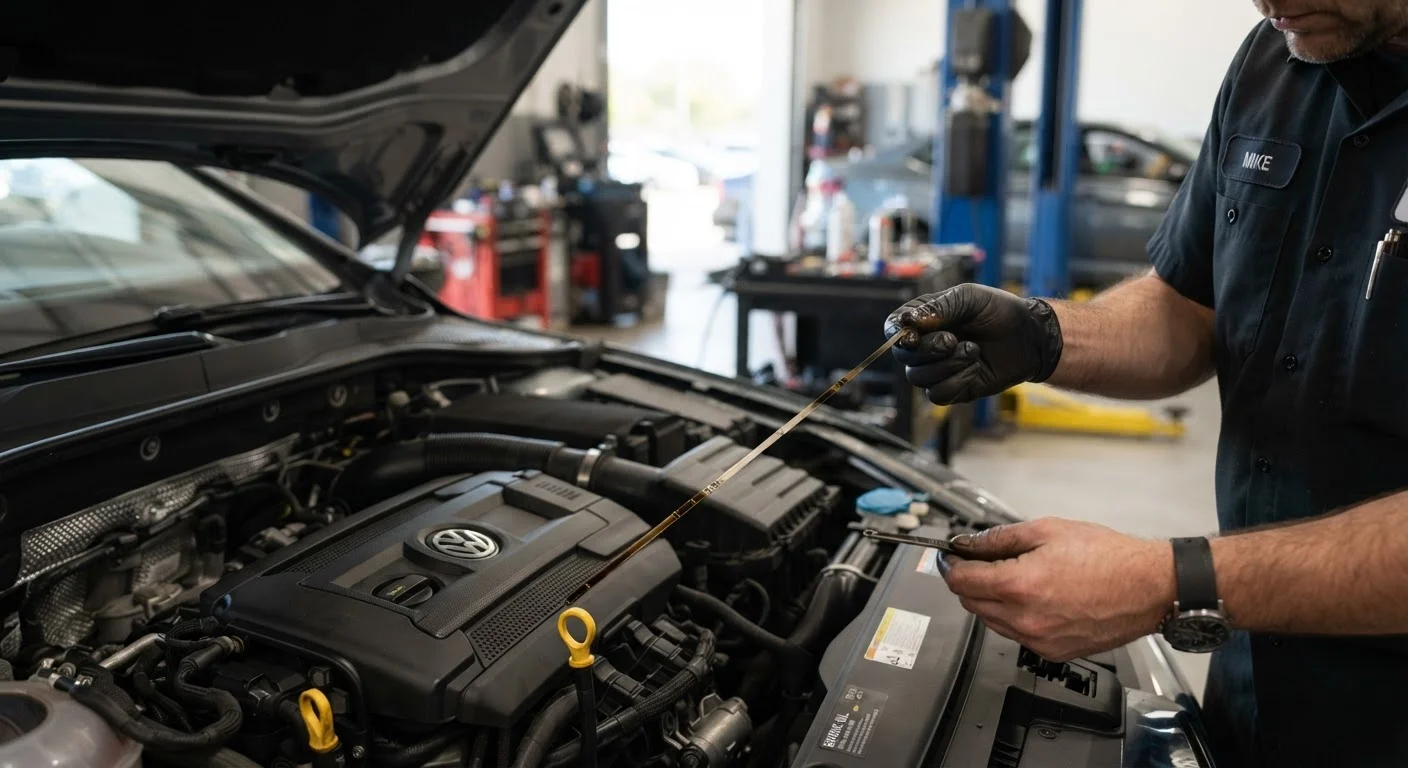
How to check it: With the engine off and cooled down, pull the dipstick, wipe it clean, reinsert fully, then pull again. The oil level should fall between the two marks. Also note the color: fresh oil is amber; very dark or black oil with a gritty texture signals it's overdue for a change.
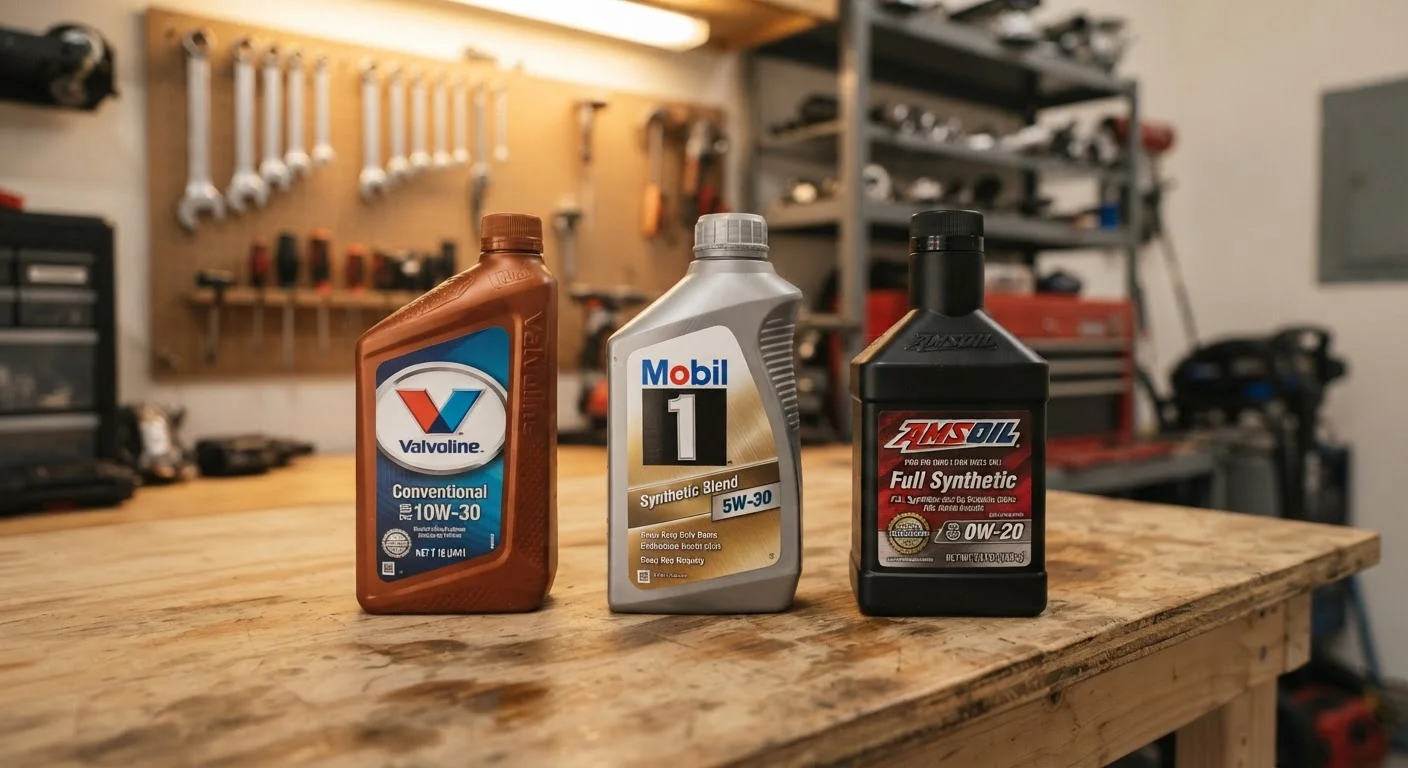
When to change it: Intervals vary significantly by vehicle and oil type. Many modern vehicles with full-synthetic oil can go 7,500-10,000 miles between changes, while older engines or severe driving conditions may require more frequent service. Always follow your owner's manual rather than the old 3,000-mile rule of thumb, which is outdated for most current vehicles. Learn more in our guide to engine oil types.
Check your oil level when the engine is cold and the car is parked on level ground - an uneven surface skews the dipstick reading and can lead you to add oil you don't actually need.
Dipstick readings are calibrated for level surfaces, and residual oil clinging to the dipstick after a recent run can make the level appear higher than it actually is.
If your coolant reservoir repeatedly drops below the minimum line, don't just keep topping it off - have the system pressure-tested for leaks before an overheating event forces the issue.
A cooling system that requires frequent top-offs almost always has a leak somewhere; adding fluid masks the symptom while the underlying problem worsens.
Coolant (Antifreeze)
Coolant circulates between the engine and radiator, absorbing combustion heat and dissipating it before temperatures climb to dangerous levels. It also contains corrosion inhibitors that protect metal components inside the cooling system.
How to check it: Never open the radiator cap on a hot engine - pressurized coolant can cause serious burns. Instead, check the translucent overflow reservoir mounted near the radiator. The level should sit between the MIN and MAX marks. Healthy coolant is typically bright green, orange, or pink depending on type; a murky, oily, or rust-colored appearance suggests contamination.
When to flush it: Most manufacturers recommend a coolant flush every 30,000-50,000 miles or every 3-5 years, though extended-life formulas can last longer. Cold-weather driving makes coolant condition even more critical - see our seasonal car care guide for pre-winter checks.
Brake Fluid
Brake fluid transmits the hydraulic pressure your foot generates at the pedal into the clamping force that stops your wheels. It operates under extreme pressure and high temperatures, and its condition directly affects stopping performance.
How to check it: The brake fluid reservoir is typically a small, semi-transparent plastic container near the firewall on the driver's side. Check the level against the MIN/MAX markings. Also note the color: new fluid is nearly clear or light yellow; dark brown fluid has absorbed too much moisture and should be replaced.
Why it degrades: Brake fluid is hygroscopic - it naturally absorbs moisture from the atmosphere over time. Water contamination lowers the fluid's boiling point, which can cause brake fade under hard use. Most manufacturers recommend replacing brake fluid every 2-3 years regardless of mileage. For related safety reading, see brake pads and rotors.
Never Ignore a Spongy Brake Pedal
A brake pedal that feels soft, spongy, or sinks closer to the floor than usual can indicate air in the brake lines or severely degraded fluid. This is a safety issue that warrants immediate inspection by a qualified mechanic - do not delay service. Brake system repairs should always be performed by a professional.
Transmission Fluid
Transmission fluid lubricates gears, clutches, and hydraulic circuits inside the transmission. In automatic transmissions it also serves as a hydraulic fluid, enabling smooth gear shifts. Neglecting it is one of the most common ways drivers unknowingly shorten a vehicle's life - a point covered in detail in our piece on maintenance habits that shorten a car's life.
How to check it: Many automatic transmissions have a dipstick similar to the oil dipstick (check your manual for location). Some newer vehicles have sealed transmissions with no user-accessible dipstick - fluid checks on those require a shop visit. Healthy transmission fluid is typically red or pink and has a slightly sweet smell; dark, burnt-smelling fluid needs replacement.
When to change it: Intervals range widely - from 30,000 miles under severe conditions to 60,000-100,000 miles for normal use - so the owner's manual is the definitive reference.
Power Steering and Windshield Washer Fluid
Power steering fluid (in vehicles with hydraulic systems) keeps steering effort light and consistent. Check the reservoir under the hood - it typically has a MIN/MAX range. Note that many newer vehicles use electric power steering and have no fluid to check. If your steering feels stiff or you hear a whining noise while turning, low or degraded fluid may be the cause.
Windshield washer fluid is often dismissed as trivial, but running out in winter or on a dusty highway creates a genuine visibility hazard. Use a washer fluid formulated for your climate - plain water can freeze in the reservoir and lines. Refill from the clearly labeled reservoir; do not substitute household glass cleaner, which can damage pump seals.
Building a Fluid Maintenance Routine
The most effective approach is a brief under-hood inspection once a month and before any long trip. Check oil level, coolant reservoir, brake fluid, and washer fluid visually - it takes under five minutes. Record any top-offs or changes in a maintenance log, which also supports resale value and warranty claims. Our guide on keeping maintenance records explains how to build a simple, effective system.
When you notice a fluid that looks abnormal in color, consistency, or smell, or when the level has dropped significantly without explanation, have a qualified mechanic inspect the system for leaks or internal issues. Catching a small leak early is far less expensive than repairing the damage it causes.
This article is for general informational purposes. Always consult your vehicle's owner's manual and a qualified mechanic for service intervals and repair decisions specific to your vehicle.