Why Pre-1980 Homes Demand a Different Approach
Older homes have charm, craftsmanship, and often solid bones - but they also carry risks that newer construction does not. If your home was built before 1980, the materials used in its original construction may include substances now known to be hazardous: lead-based paint, asbestos insulation, lead solder in plumbing, and outdated electrical systems that were not designed for today's energy loads.
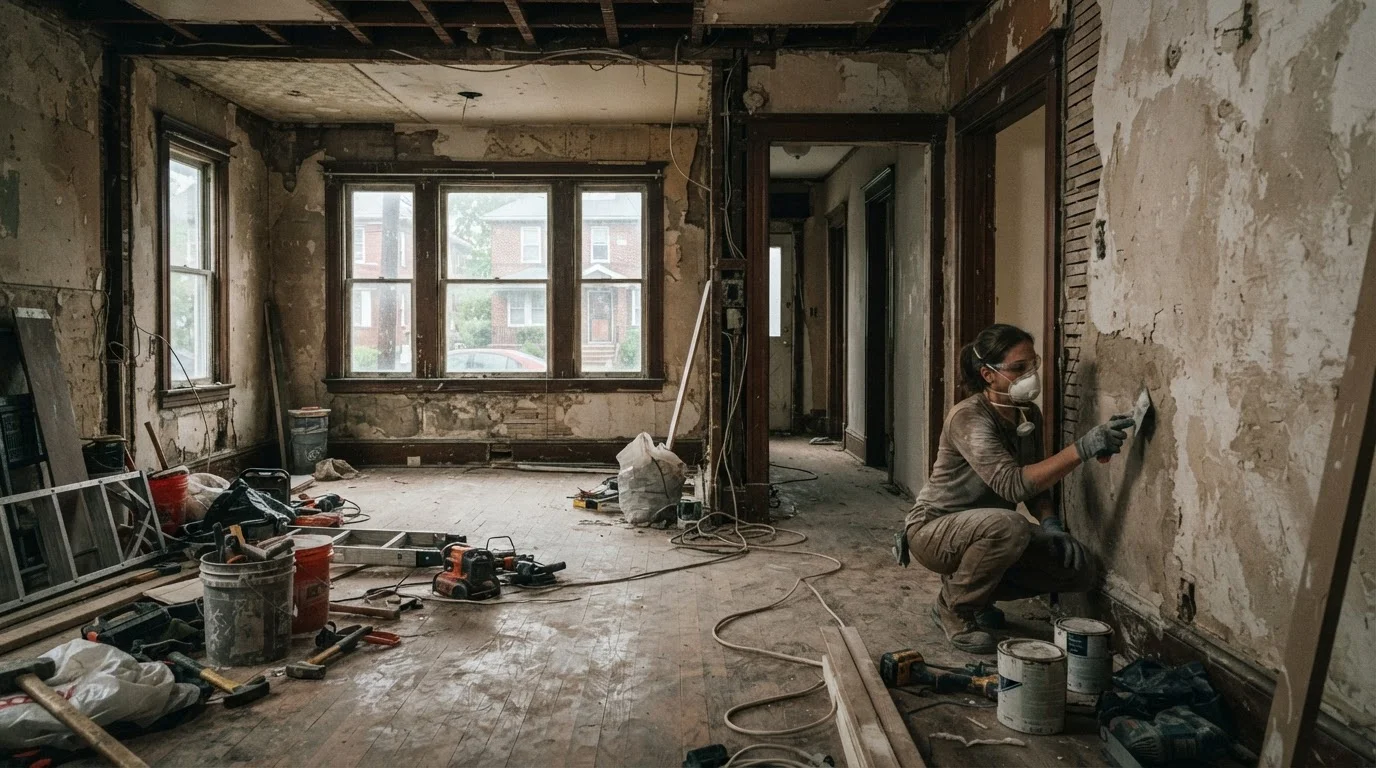
The danger isn't always visible. Asbestos floor tiles may look perfectly ordinary. Lead paint on a doorframe can appear freshly applied. Knob-and-tube wiring hidden in the walls may still be functional. The problem arises when renovation work - even something as routine as opening a wall or pulling up old flooring - disturbs these materials and releases hazardous particles into the air or the home's living spaces.
This checklist is designed to help you pause before picking up a tool and systematically assess what you're dealing with. Whether you plan to hire professionals or tackle some tasks yourself, this audit will help you work safely, comply with applicable regulations, and avoid surprises mid-project. If you're new to homeownership and approaching your first renovation, our introduction to home improvement provides useful context for prioritizing where to start.
Never Disturb Suspected Hazardous Materials
Cutting, sanding, drilling, or demolishing materials that contain lead or asbestos releases particles that are dangerous to inhale or ingest. Always test first and, if hazards are confirmed, stop work and consult a certified abatement professional. No renovation timeline is worth the health risk of improper exposure.
Knob-and-Tube Wiring Is Not DIY Territory
Knob-and-tube wiring lacks a ground wire and is often found alongside decades of jury-rigged modifications. Working on or near it without professional assessment creates serious fire and electrocution risks. A licensed electrician must evaluate this system before any walls are opened or loads are added.
What to Check Before Any Work Begins
Work through the checklist groups below before scheduling contractors or ordering materials. Each category represents a system or material type that commonly harbors hazards in pre-1980 construction. You do not need to complete every assessment yourself - in fact, some tasks require licensed professionals - but you do need to know which issues apply to your home before work starts.
Lead Paint Assessment
Asbestos Identification
Electrical System Review
Plumbing & Water Safety
Structural & General Safety
Permits, PPE & Contractor Vetting
Once you've completed this audit, document your findings and share them with every contractor involved in the project. Confirmed hazards should be disclosed, and remediation plans should be in place before general renovation work begins.
Federal Law Governs Lead Paint Renovation Work
The EPA's Renovation, Repair, and Painting (RRP) Rule requires contractors working in pre-1978 homes to be certified and follow specific containment and cleanup procedures. Homeowners doing their own work are not subject to the RRP Rule, but are still responsible for protecting their household. Verify your contractor's RRP certification before signing any contract.
Skipping Permits Can Create Serious Problems
Unpermitted work on a pre-1980 home can complicate future sales, void homeowner's insurance claims, and expose you to code-compliance costs down the road. Some remediation work also requires notification of local health or environmental agencies. See our guide to permits and inspections for a full breakdown of when permits are required.
Tools and Professionals You'll Need
Some items on this checklist are well within the reach of a careful, informed homeowner. Others require credentialed professionals or certified laboratory analysis. The tools below represent what you should have on hand for any exploratory assessment, along with the professional services that are not optional when hazards are suspected or confirmed.
EPA-Approved Lead Test Kit
Provides an initial on-site indicator of lead in paint before professional testing.
N100 Respirator
Filters fine particles including lead dust and asbestos fibers during exploratory or demolition work.
Disposable Coveralls and Nitrile Gloves
Prevents skin and clothing contamination when working near suspect hazardous materials.
Certified Asbestos Bulk Sampling Service
Provides laboratory-confirmed identification of asbestos in building materials before work begins.
Certified Water Lead Test Kit
Tests drinking water for lead levels using an EPA-certified laboratory.
Voltage Tester / Non-Contact Tester
Verifies whether wires and outlets are live before touching or working near them.
Moisture Meter
Detects elevated moisture in walls, floors, and framing that may indicate rot or mold risk.
Do not substitute lower-rated respiratory protection (such as a standard dust mask or N95) when working near materials that may contain asbestos. An N100-rated respirator provides the appropriate filtration level for fine mineral fibers. When in doubt, stop work, contain the area, and consult a certified professional before proceeding.