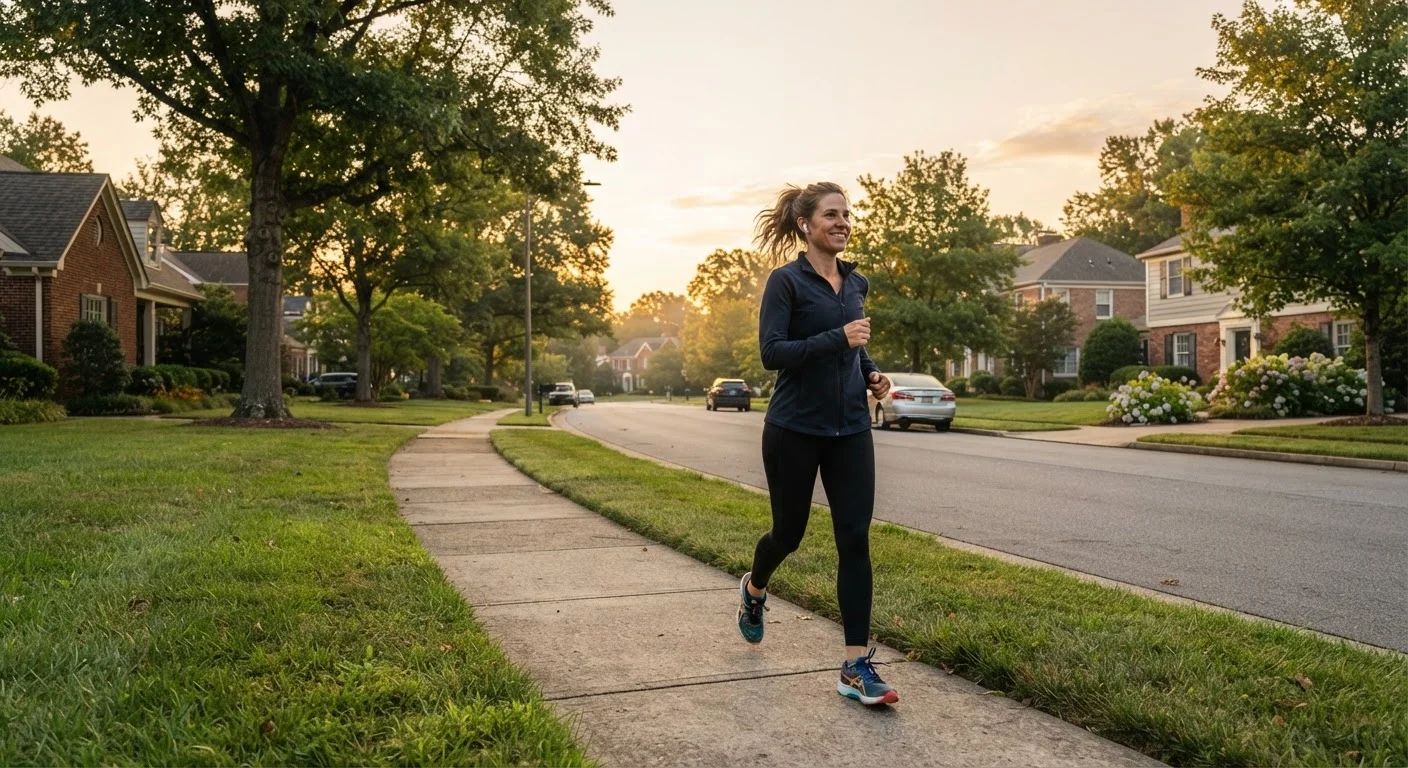

Why Walking Is Such an Effective Habit to Build
Among all forms of physical activity, walking has an unusually high success rate as a long-term habit - not because it's dramatically effective on its own, but because it's sustainable. It requires no equipment, no gym membership, no scheduling around classes, and virtually no skill threshold. That removes most of the common barriers that cause people to quit.
Research consistently links regular walking to meaningful health benefits, including improved cardiovascular function, better mood, lower blood pressure, and support for healthy weight management. The U.S. Department of Health and Human Services recommends that adults aim for at least 150 minutes of moderate-intensity activity per week - a goal that a brisk daily walk can meaningfully contribute to.
But the real challenge isn't knowing that walking is good for you. It's making it automatic. Understanding the behavioural science behind habit formation explains why motivation alone rarely works - and why environment and routine design matter far more.
Brisk vs. Leisurely: Pace Matters
A "brisk" walking pace - defined as one where you can speak in short sentences but would find it difficult to sing - counts as moderate-intensity activity and delivers the cardiovascular benefits documented in research. A casual stroll still contributes to daily movement and is a perfectly valid starting point. As your habit solidifies, gradually increasing your pace is an easy way to get more health value from the same time investment.
What You Need Before You Start
The barrier to entry for walking is intentionally low, but a few basics help ensure you're set up for success and physical comfort.
What you will need
If you have a chronic health condition, joint problems, or haven't been physically active for a long period, it's worth speaking with your doctor before significantly increasing your daily movement. This article provides general health information - it is not a substitute for personalized medical advice.
Step-by-Step: Building the Habit
Follow these steps to move from an occasional walk to a genuine daily habit. The goal isn't perfection - it's consistency over weeks and months. For a broader framework on building any movement routine from the ground up, see our day-by-day exercise habit guide.
Start smaller than you think you need to
The most common mistake when starting a walking habit is beginning with an ambitious daily goal - say, 10,000 steps or 45 minutes - that feels manageable at first but becomes a burden within two weeks. Behavioral research consistently supports starting with a version of the habit so small it feels almost trivial: 10 minutes per day is a legitimate and scientifically defensible starting point.
Small starting goals lower the psychological activation energy needed to begin, which is particularly important on low-motivation days. Once the habit is established, increasing duration becomes much easier.
Attach your walk to an existing routine (habit stacking)
Habit stacking - linking a new behavior to an already-established one - is one of the most reliable tools in behavior change research. Identify an anchor habit you already perform daily, such as brewing morning coffee, eating lunch, or finishing work, and commit to walking immediately before or after it.
For example: "After I pour my morning coffee, I will walk for 15 minutes before sitting down." The existing habit acts as a reliable cue, removing the need to decide when to walk each day.
Track your walks consistently
Tracking serves two functions: it provides objective feedback, and it creates a visual record of momentum that many people find motivating to protect. You don't need a wearable device - a phone's built-in step counter, a simple calendar checkmark, or even a tally on a notepad all work equally well.
Review your log weekly. Notice which days you skipped and why - this pattern recognition helps you anticipate and design around obstacles before they derail you.
Increase duration gradually - not all at once
Once you've walked consistently for two to three weeks, you can begin extending the duration. A common guideline from exercise science - often applied to running but relevant to walking - is to increase your total weekly walking time by no more than 10% per week. This measured progression allows your joints, muscles, and connective tissue to adapt without overuse strain.
Aim for your eventual target - whether that's 30 minutes daily, 150 minutes weekly, or simply more movement than you had before - through gradual extension rather than a single jump.
Plan specifically for disruptions
Every walking habit faces disruptions - bad weather, travel, illness, or simply a chaotic week. Rather than letting disruptions equal missed days indefinitely, build a "minimum viable" plan in advance: identify a shorter, indoor, or modified version of your walk that you can complete even on difficult days.
Examples include walking laps inside a mall during winter, using a stairwell at work, or marching in place during a phone call. The specific activity matters less than maintaining the behavioral streak.
Check With a Provider if You Have Health Concerns
If you have a cardiovascular condition, joint disease, diabetes, or another chronic health condition, speak with your doctor before significantly increasing your activity level. Walking is generally considered low-risk for most adults, but individual circumstances vary. This guide provides general information only - it is not a substitute for personalized medical advice.
Keeping the Habit Going Long-Term
Building the habit is only half the equation - protecting it matters just as much. Research on behavior change shows that missing two or more consecutive days is the most common precursor to abandoning a new routine entirely. When life disrupts your schedule (travel, illness, a packed week), plan a minimum viable walk - even five minutes around the block - to preserve the behavioral chain.
Walking also pairs well with other wellness habits. If you're working on sleep, for instance, a post-dinner walk can help your body wind down; learn more in our piece on building a consistent sleep routine. If you want to round out your overall well-being approach, walking fits naturally into the broader framework described in supporting body-mind health day to day.
Finally, consider your environment as a resource. Walking in varied outdoor settings - including local parks, nature trails, or even your own lawn and garden - can sustain motivation by keeping the experience fresh. Variety in route and setting is underrated as a long-term retention strategy.
This article is for general informational and educational purposes only and does not constitute medical advice. Always consult a qualified healthcare professional before beginning a new exercise routine, especially if you have an existing health condition.