Why Your Budget Needs an Emergency Fund Line
Most people think of an emergency fund as something they'll build "once things settle down" - after the car is paid off, after the holidays, after the raise comes through. The problem is that moment rarely arrives on its own. The only reliable way to grow an emergency fund is to treat it like a bill you pay yourself every single month.
If you're still working on building your first budget, the practical starting point guide walks through the core structure. Once your budget exists, your emergency fund belongs in it as a fixed line item - right alongside rent and utilities, not as a leftover afterthought.
Need a refresher on what an emergency fund actually is and why it matters? The emergency funds explained guide covers the fundamentals. In short: it's a dedicated cash reserve that covers unexpected essential expenses - a job loss, a medical bill, a car repair - without forcing you into debt.
Small Contributions Count More Than You Think
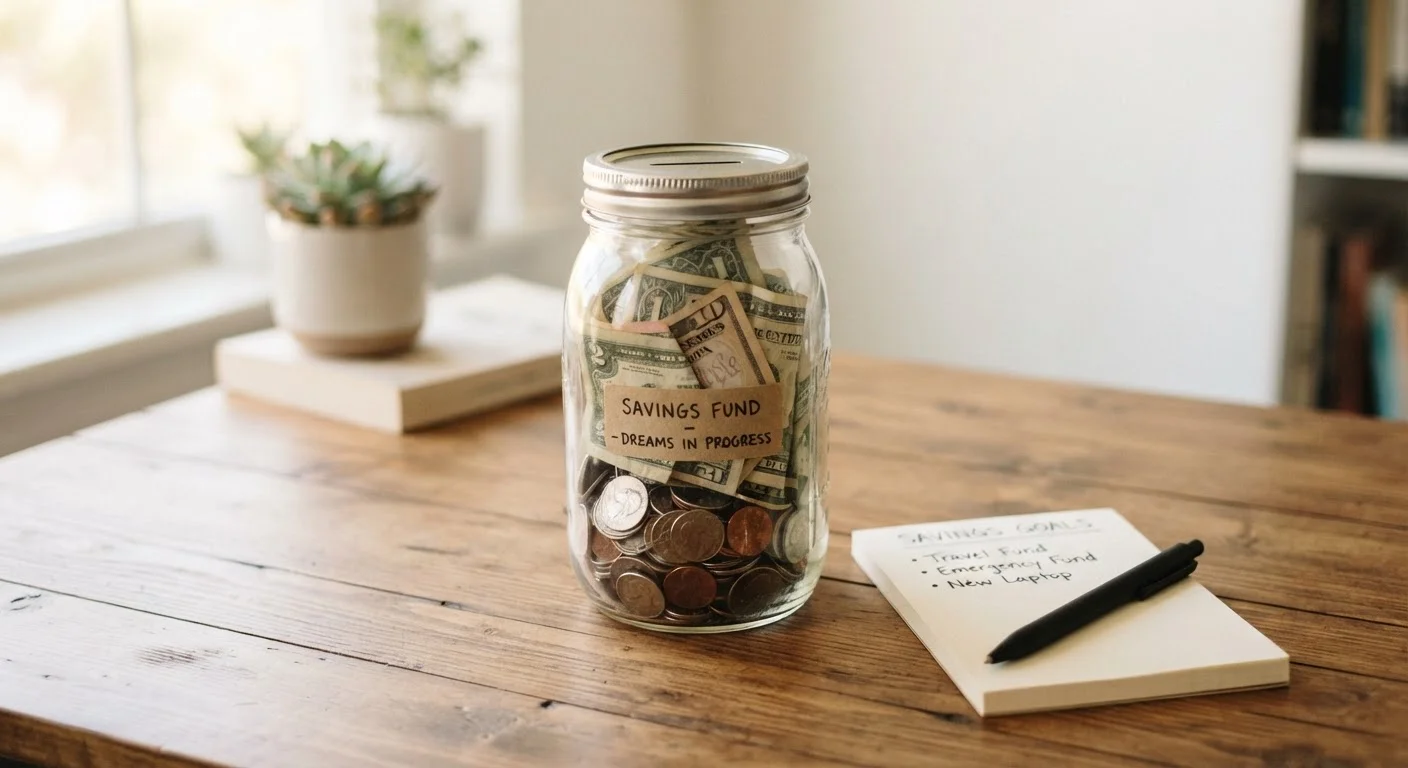
Saving $50 a month adds up to $600 in a year - enough to cover many common unexpected expenses like a car repair or an urgent medical co-pay. Starting small and staying consistent is far more effective than waiting until you can save a larger amount. The habit itself is as valuable as the balance.
How to Work Emergency Savings Into Your Monthly Budget
The steps below walk you through setting a target, finding the room, and making the contribution automatic. You don't need a large income or a perfect budget to start - you need a decision and a system.
What you will need
Set a realistic savings target
A common guideline is to save three to six months of essential living expenses - meaning the costs you'd still have to cover if your income stopped: rent or mortgage, utilities, groceries, insurance, and minimum debt payments. Add those up for one month, then multiply by three to six to find your full target range.
If that number feels overwhelming, start smaller. A one-month buffer provides meaningful protection and gives you a clear, achievable milestone. You can extend your target once you reach it.
Identify how much you can contribute each month
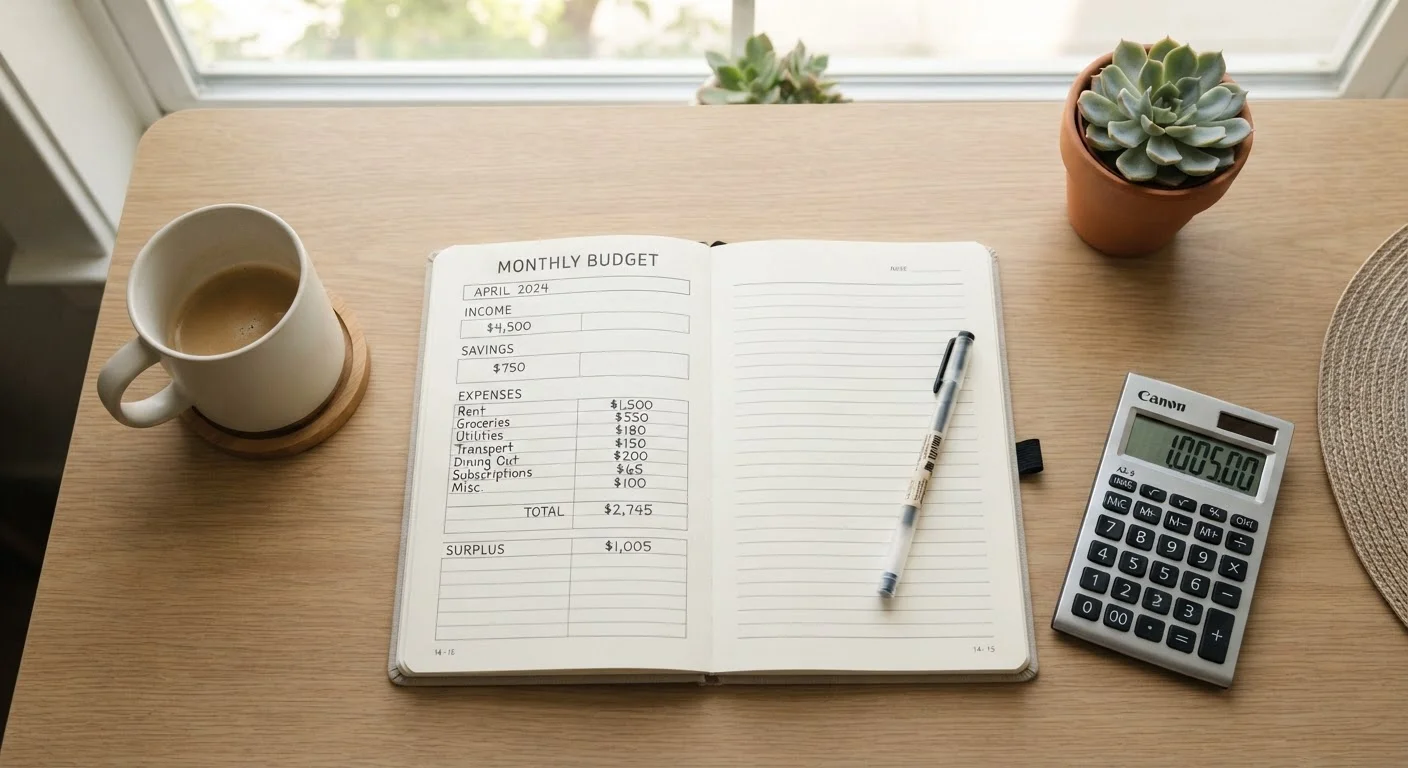
Look at your current budget (or your income and expenses) and find the gap between what comes in and what goes out. If there's a surplus, even a modest one, that's your starting contribution amount.
If there's no obvious surplus, look for one or two spending categories where you have some flexibility - dining out, subscriptions, or discretionary shopping. A temporary reduction in one area doesn't have to be permanent; it's a tool to build momentum.
Add the contribution as a fixed budget line
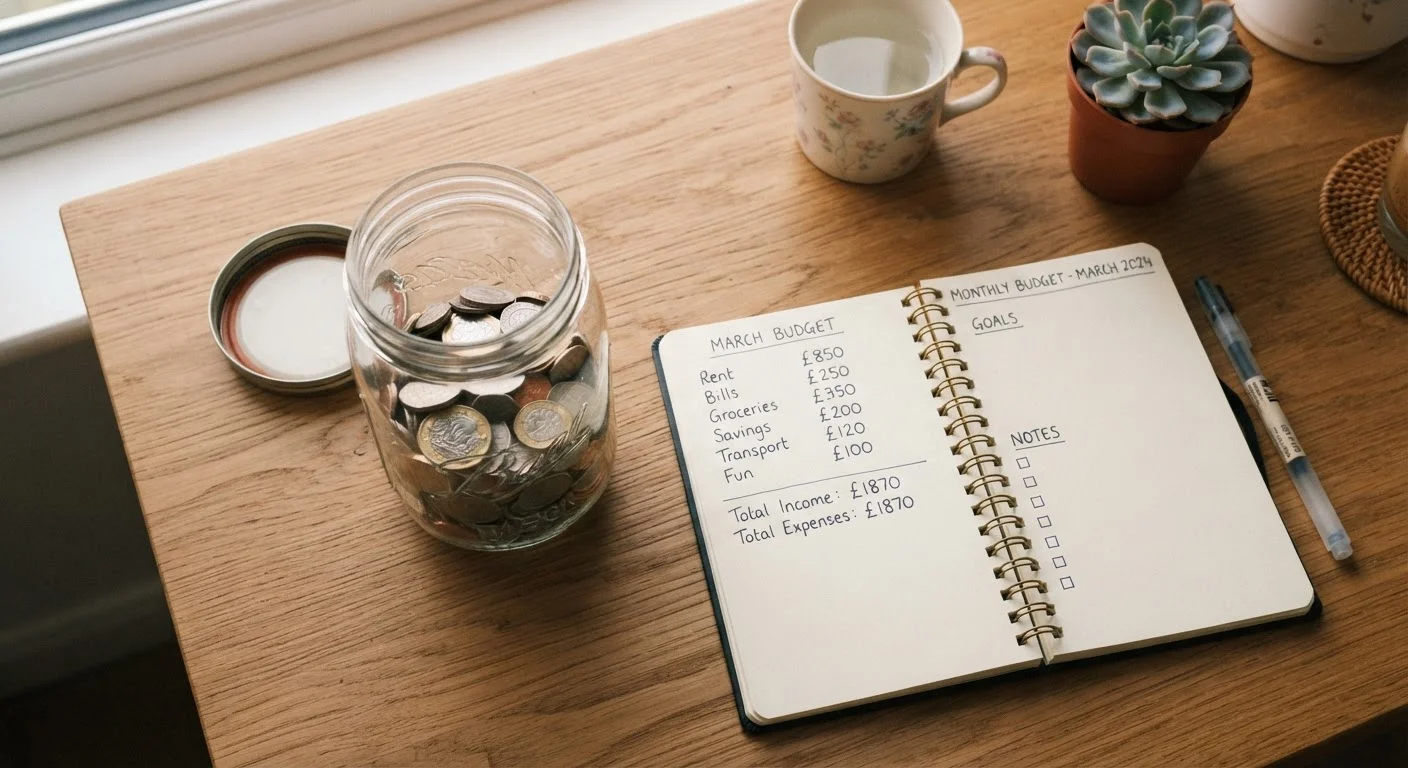
In your budget, create a category called something like "Emergency Fund" and assign your monthly contribution amount to it. Treat it with the same priority as rent. It is not optional spending - it is paying your future self for financial security.
For more on building complementary savings categories alongside your emergency fund, the sinking funds guide explains how to save for predictable future expenses in parallel.
Open a separate savings account for these funds
Keep your emergency fund in an account that is distinct from your everyday checking account. Separation reduces the likelihood that you'll spend the money on non-emergencies. A basic savings account at your bank or credit union works fine - the goal is access in a real emergency, not high returns.
Automate the transfer
Set up an automatic transfer from your checking account to your emergency fund savings account on the same day each month - ideally shortly after your paycheck arrives. Automation removes the decision from the equation. When the transfer happens before you spend the money, you don't have to rely on willpower.
Most banks allow you to schedule recurring transfers through online banking or their mobile app at no cost.
This article is for general financial education purposes only and does not constitute personalized financial advice. Consult a licensed financial professional for guidance specific to your situation.
Staying on Track After You Start
Once your emergency fund contribution is built into your budget, the goal is consistency - not perfection. Life will occasionally demand you pause or reduce your contribution. That's acceptable. What matters is returning to the plan as soon as you're able.
If your income varies month to month, your contribution amount can flex too. Freelancers and gig workers can explore income-smoothing strategies in the budgeting on an irregular income guide. The principle stays the same: something every month beats nothing.
When you're ready to review how your fund is progressing alongside other savings goals, use the savings checkpoint to identify any gaps. And if the habit of saving itself feels difficult, the guide to building a savings habit from scratch offers practical mindset and behavioral strategies to help it stick.