Plan for Continuous Harvests Before Summer Hits
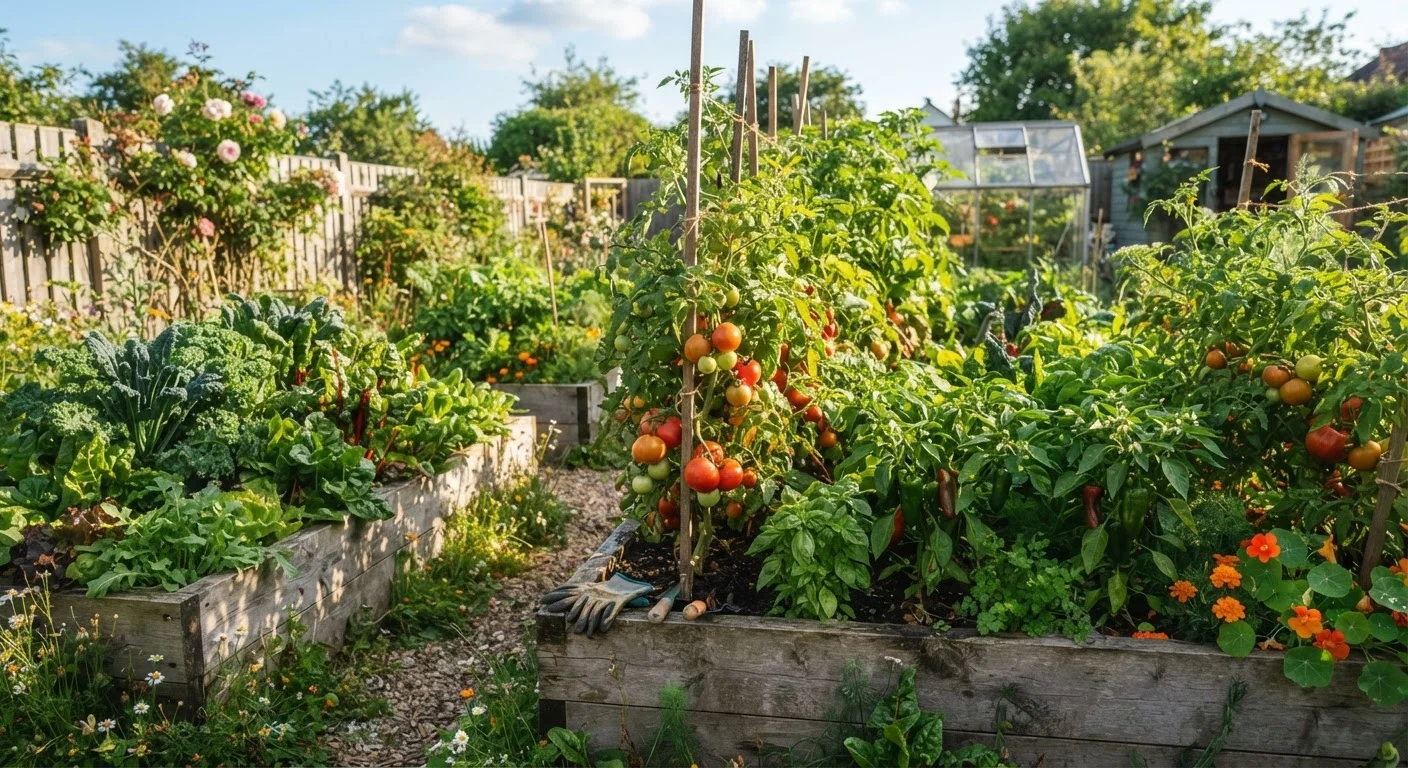
One of the most common reasons vegetable gardens fall quiet by mid-July is that everything was planted at once. A single spring planting of lettuce, beans, or zucchini produces a glut and then a gap. Succession planting - sowing small batches of the same crop every two to three weeks - keeps harvests rolling steadily rather than arriving all at once.
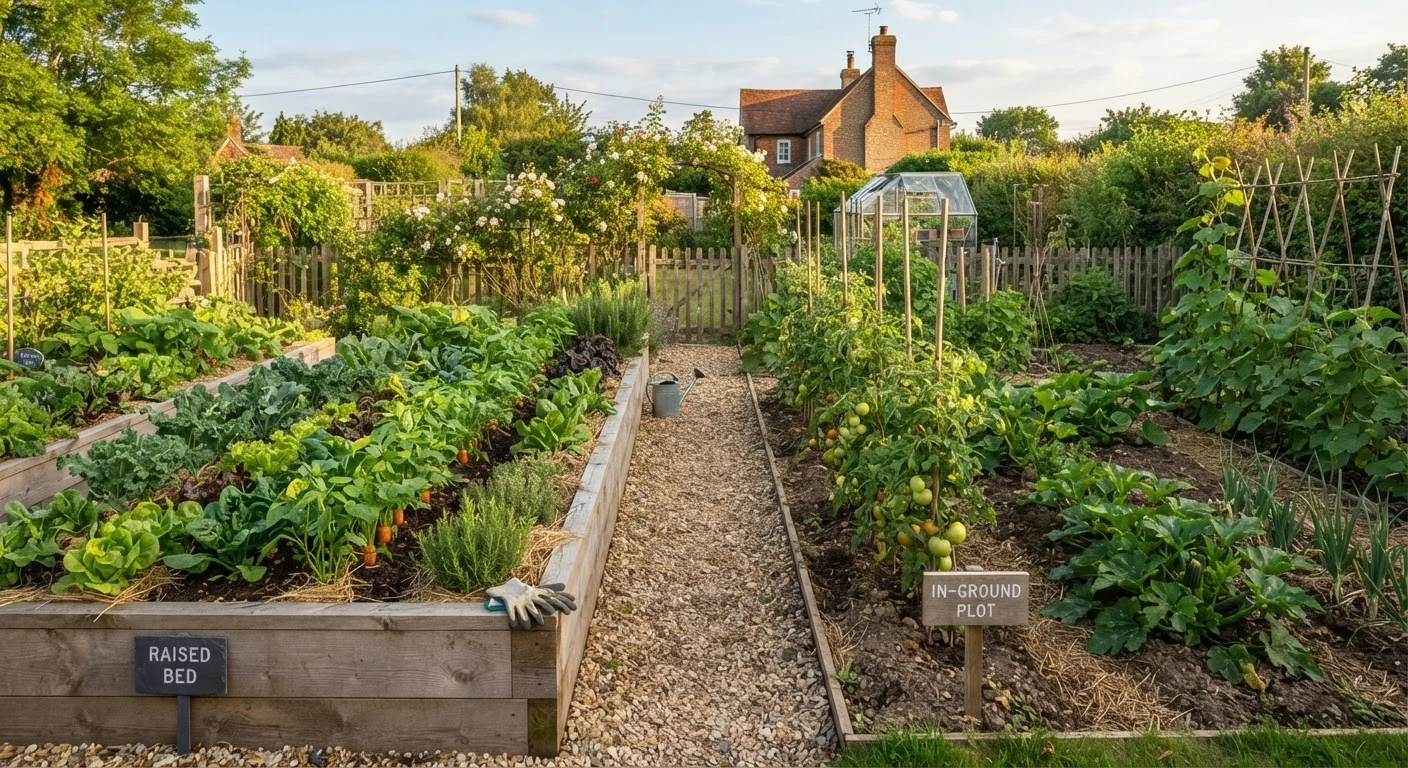
Map your bed space in advance so you always know what's going out and what's going in. When one crop finishes, that cleared space becomes an immediate opportunity for a warm-season follow-up like a second round of bush beans, a heat-tolerant herb, or even an early fall brassica. If you're weighing how your garden structure affects replanting flexibility, raised beds versus in-ground plots each offer distinct advantages worth understanding before you commit to a layout.
Use succession planting every 2-3 weeks for short-season crops.
A single sowing of lettuce, radishes, or beans matures all at once, leaving beds empty after the initial harvest. Staggered plantings ensure a continuous supply and make use of space that would otherwise sit idle.
Water at the base of plants in the early morning, applying one to two inches per week.
Morning watering gives foliage time to dry, reducing fungal disease risk. Consistent deep watering encourages deep root growth, which makes plants more drought-tolerant and better able to sustain production through heat.
Apply 2-3 inches of organic mulch around all vegetable plants.
Mulch insulates the root zone from temperature swings, slows moisture evaporation, and suppresses weeds that compete for water and nutrients. It also gradually breaks down to improve soil structure.
Harvest ripe produce every two to three days without exception.
Overripe fruit triggers the plant to shift energy toward seed development and away from new flower and fruit production. Frequent harvesting keeps the plant in an active production mode throughout the season.
Deploy shade cloth during sustained heat above 90°F.
High temperatures cause blossom drop in tomatoes and peppers and trigger bolting in leafy greens, ending production prematurely. A temporary shade canopy moderates temperatures enough to preserve flowering and fruiting.
Side-dress with compost or balanced fertilizer at midsummer.
Nutrients from initial soil preparation deplete as the season progresses and crops grow. A midseason feeding sustains fruit production without the excess nitrogen that would push vegetative growth at the expense of yield.
Water Deeply and Consistently
Summer heat increases plant water demand significantly, but how you water matters more than how often. Shallow, frequent watering encourages roots to cluster near the soil surface, where they're most vulnerable to heat and drying out. Deep, infrequent watering - typically one to two inches per week, applied slowly - trains roots to grow deeper where soil moisture is more stable.
Water in the early morning when possible. This allows foliage to dry before the hottest part of the day, reducing fungal disease pressure. Soaker hoses and drip irrigation deliver water directly to the root zone, cutting down on evaporation and keeping foliage dry. Avoid watering midday during a heat wave; water evaporates quickly and stressed plants absorb it inefficiently.
Protect Soil and Plants from Heat Stress
Bare soil in summer can reach temperatures that actively harm root systems and drive off soil microbes. A 2-3 inch layer of organic mulch - straw, shredded leaves, or wood chips - moderates soil temperature, reduces evaporation, and suppresses weeds competing for moisture. Keep mulch a few inches away from plant stems to prevent rot.
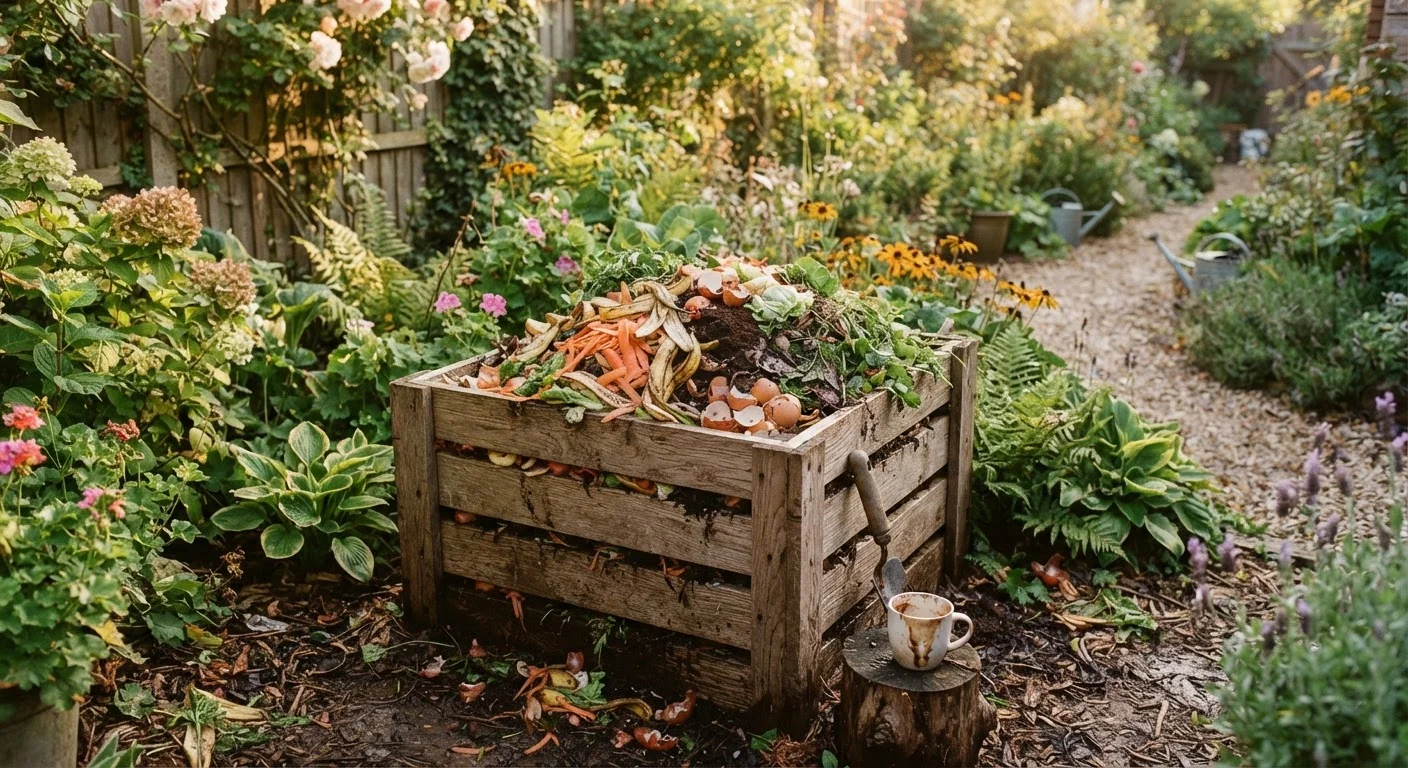
When sustained temperatures exceed 90°F, many vegetables - particularly tomatoes, peppers, and leafy greens - experience blossom drop or bolting. Shade cloth rated at 30-40% light reduction, draped over a simple frame, can lower air temperature around plants by several degrees. Remove it on cooler days so plants still receive adequate light. Healthy soil biology also plays a role in plant resilience; homemade compost worked into beds improves moisture retention and feeds the microbial activity that supports strong root systems.
2-3 inches
Optimal mulch depth for vegetable beds
University Extension programs across the U.S. consistently recommend this depth as sufficient to suppress weeds and retain soil moisture without suffocating roots.
10°F+
Soil temperature reduction from mulching
Research from multiple land-grant university trials indicates that a thick organic mulch layer can lower surface soil temperatures by 10°F or more on hot summer days.
30-40%
Shade cloth rating for vegetable heat protection
Horticultural guidance from cooperative extension services recommends 30-40% shade reduction to protect heat-sensitive crops without depriving them of the light needed for photosynthesis.
Harvest Frequently and Feed Appropriately
Leaving ripe produce on the plant sends a signal that reproduction is complete, causing the plant to slow or stop flowering. Regular harvesting - ideally every two to three days for fast-producers like zucchini, cucumbers, and beans - tells the plant to keep producing. Even imperfect or oversized fruit should be removed promptly for the same reason.
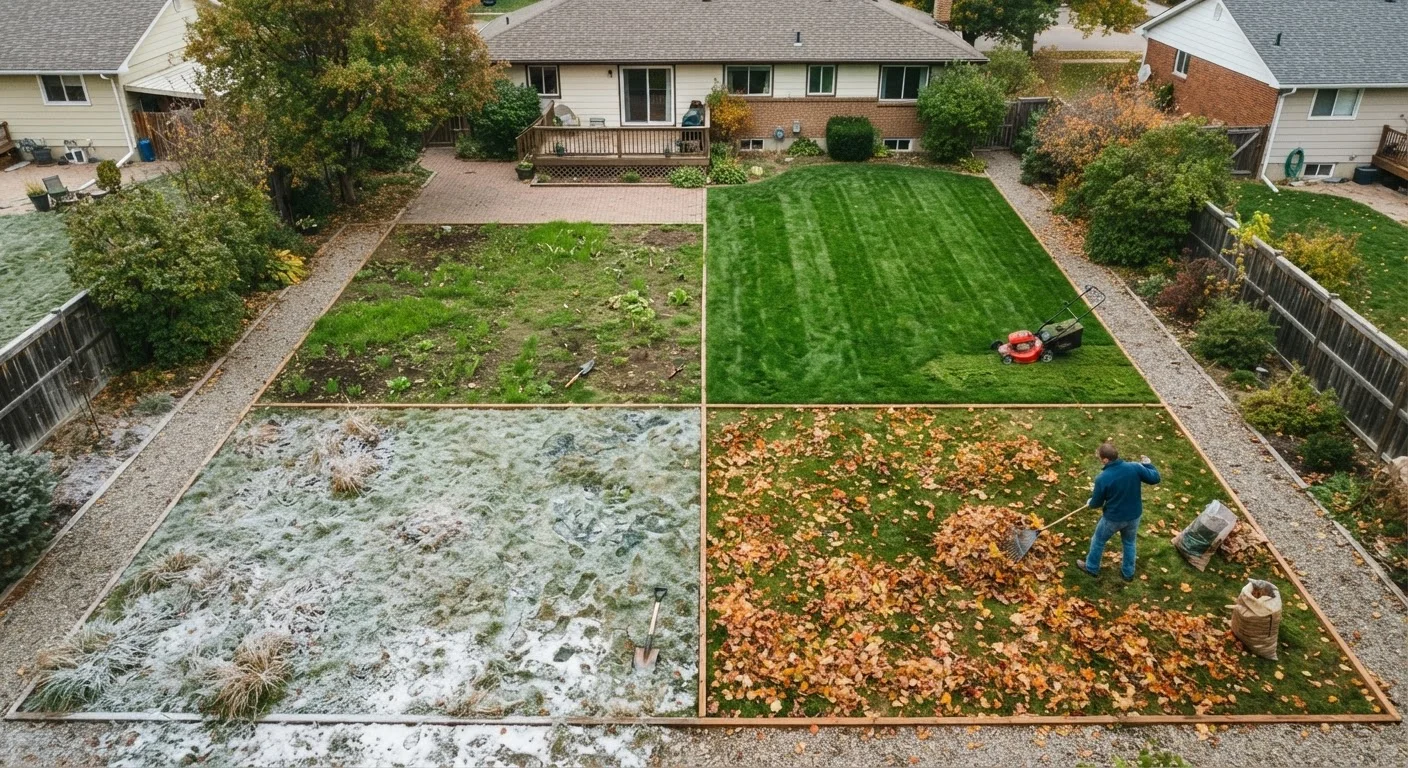
Summer vegetables are heavy feeders, and the nutrients in planting-time amendments get used up. A light application of a balanced fertilizer or a side-dressing of finished compost midseason helps sustain production without pushing excessive leafy growth at the expense of fruit. Avoid high-nitrogen feeds in midsummer on fruiting crops - they promote foliage over yield. For guidance on timing garden amendments alongside broader yard care, the season-by-season lawn care calendar offers a useful seasonal framework.
Don't Skip the Midsummer Soil Check
Vegetable gardens that started the season with well-amended soil often run low on available nutrients by July. Dig a small handful of soil and look for signs of compaction or poor texture - a crumbly, dark, earthy-smelling sample is healthy. If your soil looks pale, clumpy, or feels like clay, a compost top-dressing can make a meaningful difference before the second half of the season begins.