How Each Method Actually Works
Grass seed and sod both produce the same end result - a living turf - but they get there through fundamentally different processes. Understanding those differences helps you choose the right tool for your specific situation.
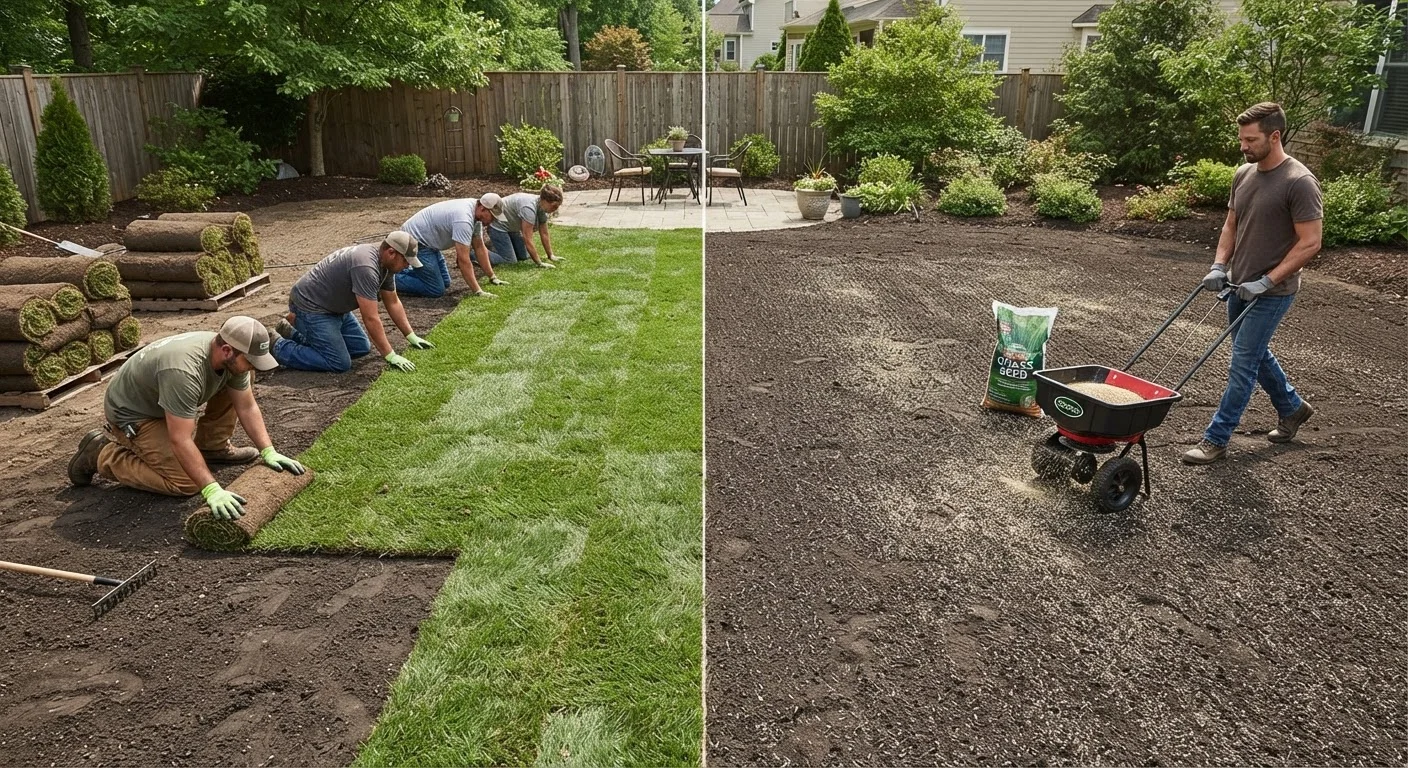
Grass seed works through germination. You spread seed over prepared soil, keep it consistently moist, and wait for seeds to sprout, root, and gradually knit into a continuous lawn. Depending on the grass species, germination takes anywhere from 5 days (ryegrass) to 30 days (Kentucky bluegrass). After that, you're looking at several more weeks of growth before the lawn can tolerate regular traffic. The entire establishment window is typically 6-10 weeks under ideal conditions.
Sod is pre-grown turf harvested in rolls or slabs from a farm, complete with a thin mat of roots and soil. You lay it directly onto prepared ground, press it into contact with the soil, and water heavily. Within 2-3 weeks, the roots anchor into your existing soil and the lawn is essentially functional. There's no germination window - what you see when it's laid is largely what you get.
For a broader look at how these choices fit into long-term lawn care, see The Complete Guide to Starting and Sustaining a Home Lawn.
Key Differences: Cost, Time, and Effort
The practical differences between seed and sod come down to three factors that most homeowners weigh first.
| Criterion | Grass Seed | Sod |
|---|---|---|
| Typical material cost | $0.05-$0.30 per sq ft | $0.50-$0.90 per sq ft |
| Time to usable lawn | 6-10 weeks | 2-3 weeks |
| Erosion control | Poor until established | Immediate |
| Variety selection | Very wide range | Limited to local supply |
| Initial labor | Moderate (spreading, raking) | High (rolling, cutting, tamping) |
| Ongoing care (first month) | Daily watering, weed watch | Daily watering, minimal weeding |
| Best for large areas | Yes - cost-effective | Costly at scale |
Cost is the starkest difference. Grass seed runs roughly $0.05-$0.30 per square foot depending on species; sod typically runs $0.50-$0.90 per square foot for materials alone, with professional installation adding more. For a 2,000-square-foot lawn, that gap can represent several hundred to over a thousand dollars.
Effort is more nuanced. Sod requires heavy physical labor during installation - rolling, cutting, tamping, and sustained daily watering for the first two weeks. Seed demands less initial labor but more ongoing attention: daily watering during germination, weed monitoring, and protection from birds and foot traffic for weeks.
Timing windows apply equally to both. Cool-season grasses (fescue, bluegrass, ryegrass) establish best when planted in early fall - soil is warm, air is cooler, and fall rains help. Warm-season grasses (Bermuda, zoysia, St. Augustine) do best installed in late spring or early summer when soil temperatures are consistently above 65°F.
What Most Homeowners Miss: Soil Preparation
Regardless of which method you choose, the most overlooked factor in lawn success is soil preparation - and it's the same for both.
Compacted, nutrient-poor, or poorly draining soil will undermine seed germination and prevent sod roots from anchoring properly. Before laying seed or sod, most lawns benefit from:
- Testing soil pH (most grasses prefer 6.0-7.0)
- Tilling or loosening the top 4-6 inches of soil
- Amending with compost to improve drainage and nutrient availability
- Grading to eliminate low spots where water pools
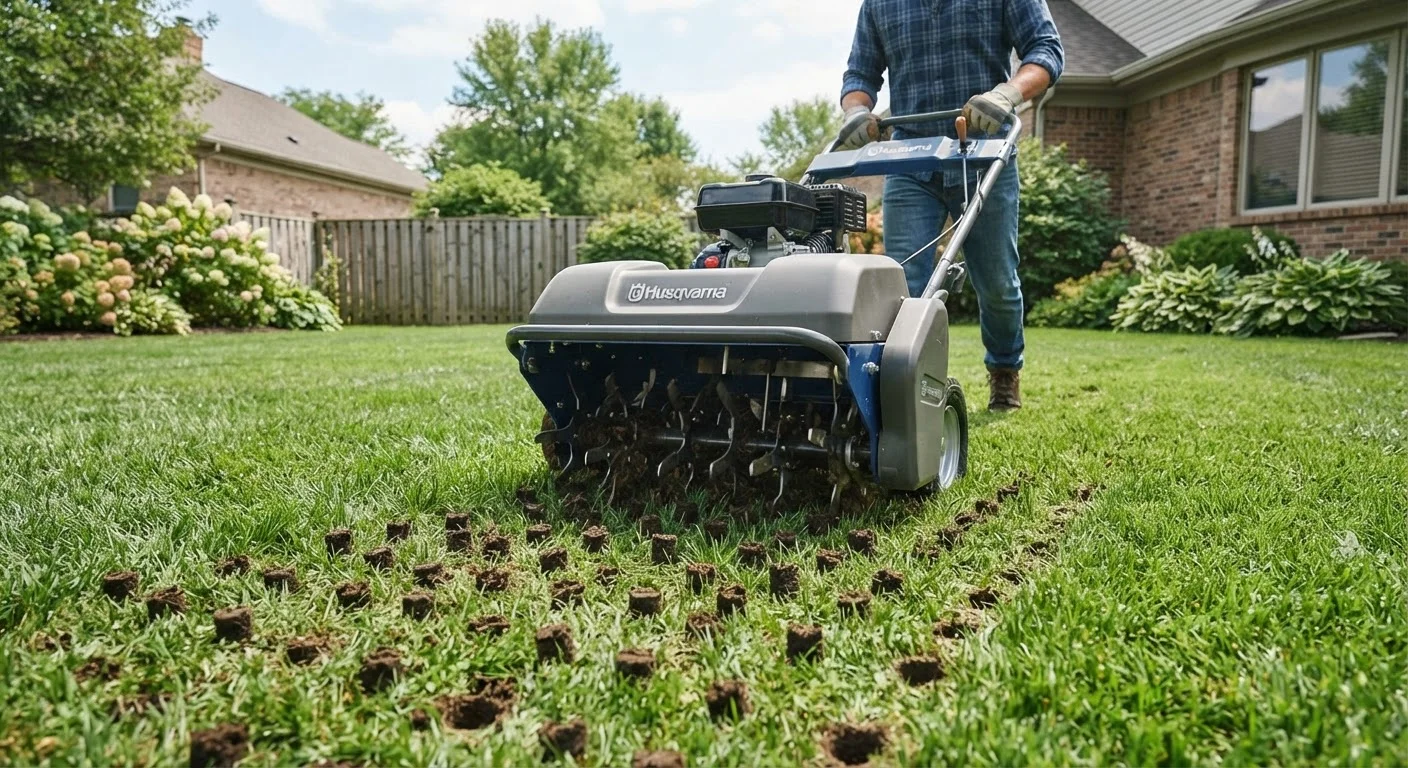
If your existing soil is heavily compacted, lawn aeration before installation can meaningfully improve root penetration for either approach.
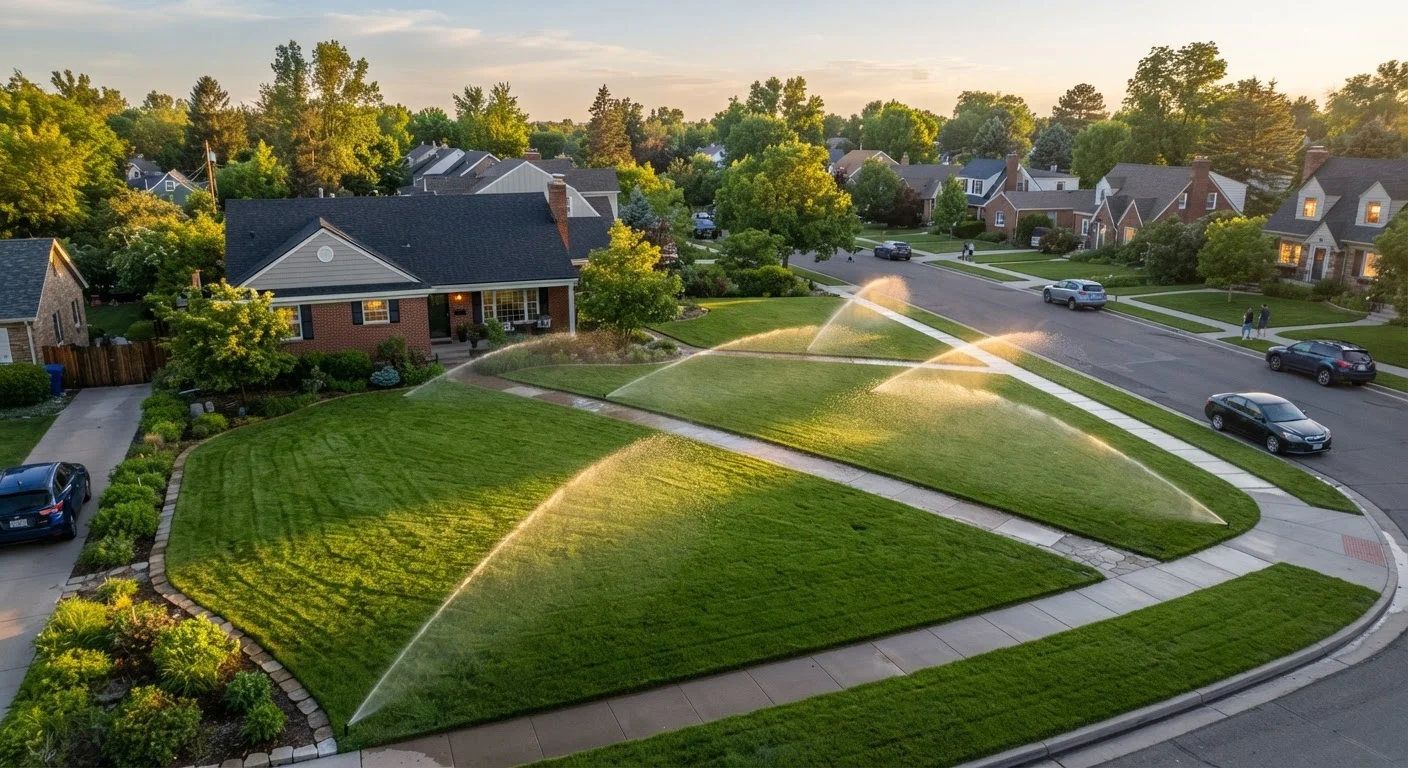
One more commonly overlooked factor: watering infrastructure. Seed requires daily - sometimes twice daily - moisture during germination, and sod needs deep daily watering for two weeks. If you're relying on hand-watering alone, that's a substantial commitment. It's worth reading about the tradeoffs of lawn irrigation systems before committing to either method if you don't already have a reliable watering plan.
A Note on Weed Competition
Seeded lawns are significantly more vulnerable to weed competition during the germination window than sodded lawns. Sod's density crowds out most opportunistic weeds from the start. If you seed, avoid applying pre-emergent herbicides at the same time - they inhibit grass germination just as effectively as weed germination. Wait until the new grass has been mowed at least two or three times before applying any herbicide treatments.
Making the Right Call for Your Yard
Neither grass seed nor sod is universally superior - the right choice depends on your specific conditions.
Choose seed when: You're covering a large area, working with a limited budget, or want access to species blends not available as sod in your region. Seeding also gives you more flexibility to choose a variety well-matched to your local climate and soil type.
Choose sod when: You have a firm timeline, a slope to stabilize, a small high-visibility patch to repair, or simply don't want to manage a weeks-long germination process. Sod is also the more reliable option in late-season installations when there may not be enough warm days left for seed to establish before the first frost.
Whatever you plant, choosing the right fertilizer for your grass type in the months following establishment will directly affect how well your lawn fills in and recovers from stress.
6-10x
Cost difference: sod vs. seed per sq ft
Material cost estimates from landscaping industry sources consistently show sod running several times more per square foot than comparable grass seed.
~65°F
Minimum soil temp for warm-season grass
University extension programs across the US recommend waiting until soil temperatures are consistently above 65°F before installing warm-season sod or seed.
2-3 weeks
Sod root establishment window
Under proper watering conditions, sod roots typically knit into the underlying soil within 2-3 weeks of installation, as noted by turfgrass management guidelines.