What Lawn Irrigation Systems Actually Do
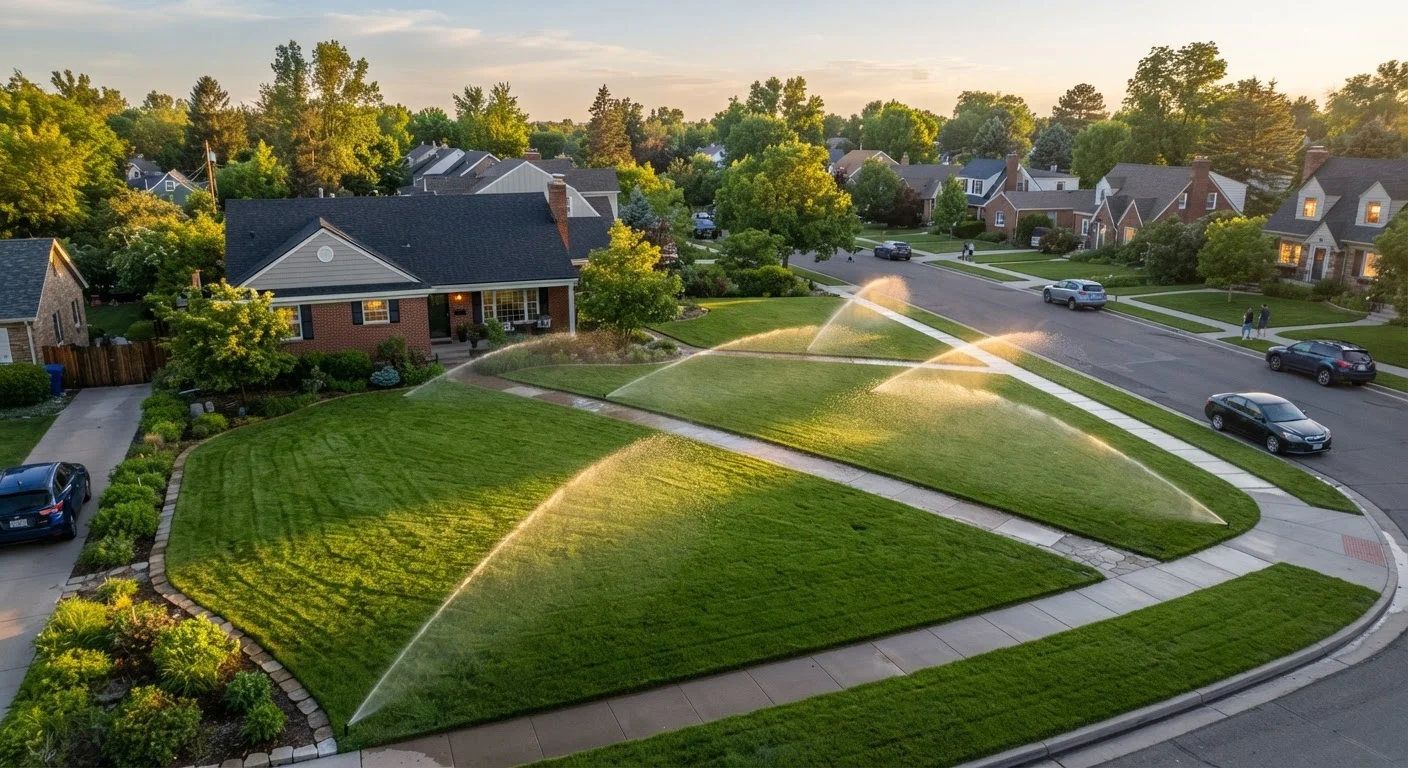
A lawn irrigation system delivers water to your yard automatically through a network of pipes, valves, and sprinkler heads - either pop-up rotary sprinklers for turfgrass or drip lines for garden beds. Most residential systems are divided into zones controlled by a central timer or smart controller, letting you schedule watering frequency, duration, and timing zone by zone.
The appeal is straightforward: instead of dragging a hose across the yard or relying on memory, the system handles it. But that convenience comes with real tradeoffs in cost, complexity, and long-term upkeep. Understanding both sides helps you decide whether installation makes sense for your property. For broader lawn care context, see The Complete Guide to Starting and Sustaining a Home Lawn.
The Pros: Why Homeowners Choose Installed Irrigation
Consistent, well-timed watering is one of the most important factors in maintaining healthy turfgrass - and an irrigation system makes that far easier to achieve.
Saves significant time on manual watering tasks
Automated scheduling eliminates the daily task of moving sprinklers or hand-watering, which can add up to several hours per week during dry periods.
Promotes consistent moisture for healthier grass
Inconsistent watering stresses turfgrass and creates uneven growth; a properly zoned system applies water uniformly across all areas of the lawn.
Smart controllers can reduce water waste
Wi-Fi-enabled controllers that adjust schedules based on local weather data and rain sensors can meaningfully cut water use compared to fixed-schedule timers.
Supports deeper root development
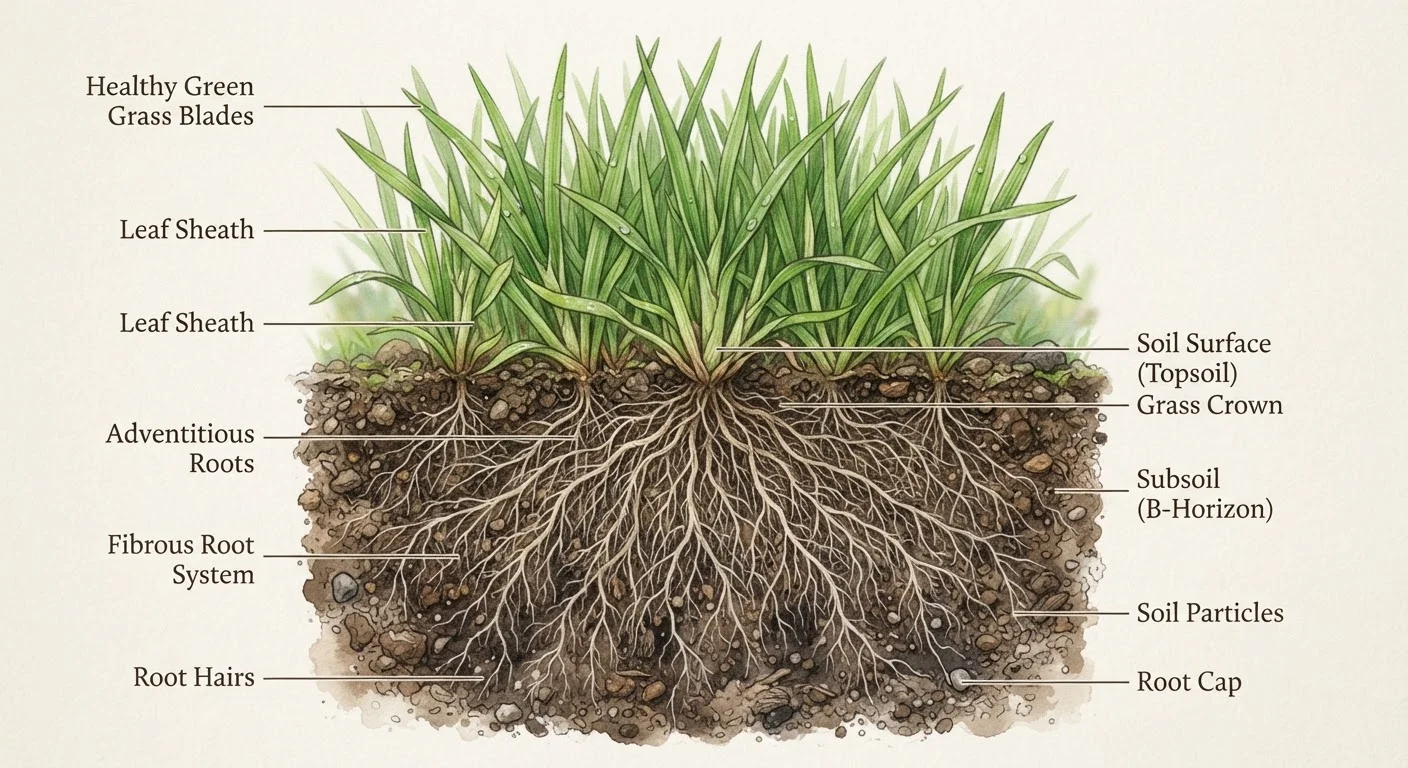
Running irrigation cycles long enough to wet the soil several inches down - rather than frequent light sprinkles - encourages roots to follow moisture deeper, improving drought resilience.
Can increase property appeal
An established, well-maintained irrigation system is often viewed as a functional feature by prospective buyers, particularly in drier regions where lawn upkeep is demanding.
One often-overlooked advantage is watering depth. Irrigation systems set to run longer and less frequently encourage grass roots to grow deeper into the soil, which improves drought tolerance. This aligns directly with what the science of deep watering recommends - learn more in Watering Deeply vs. Watering Often.
The Cons: Real Costs and Risks to Consider
Irrigation systems are not a set-it-and-forget-it solution. Several practical and financial disadvantages deserve serious consideration before installation.
High upfront installation cost
Professional installation of a residential in-ground system typically runs into the thousands of dollars depending on yard size, zone count, and regional labor rates - a significant outlay compared to portable alternatives.
Requires seasonal maintenance and winterization
In climates with freezing winters, the system must be blown out with compressed air each fall to prevent pipe and head damage - a task that usually requires a professional and adds annual cost.
Risk of overwatering if not properly programmed
Systems left on fixed schedules regardless of rainfall or season can deliver far more water than grass needs, promoting fungal disease, thatch buildup, and shallow root growth.
Heads and lines are vulnerable to damage
Pop-up heads can be clipped by lawn mowers, and tree root growth can crack buried lines over time, leading to repair costs and uneven water distribution.
May require permits and licensed installation
Connecting to the municipal water supply often involves local permit requirements and backflow preventer installation, which in many areas must be performed by a licensed plumber or irrigator.
Overwatering is one of the most common lawn problems, and automated systems can make it worse if left unchecked. Waterlogged soil promotes fungal disease, shallow root growth, and runoff - outcomes that undermine the very goals the system is meant to support. Garden Myths That Waste Your Time and Money addresses this in more detail, including how well-meaning watering habits backfire.
Rain Sensors Are Worth the Upgrade
A basic rain sensor - typically an inexpensive add-on - automatically pauses your irrigation schedule when measurable rainfall has occurred. Without one, fixed-schedule systems will run even during and after rain events, wasting water and stressing your lawn. Many states and municipalities actually require rain sensors on new irrigation installations. Check your local rules before finalizing a system design.
Key Questions to Ask Before You Install
Before committing to a full in-ground system, work through these practical considerations:
- Yard size and layout: Smaller yards often do fine with a soaker hose or moveable sprinkler. In-ground systems deliver the most value on larger or oddly shaped properties.
- Local water restrictions: Many municipalities limit outdoor watering days or times. Confirm these rules with your water utility before designing a system around unrestricted use.
- Soil type: Sandy soils drain quickly and may benefit from shorter, more frequent cycles; clay soils absorb water slowly and are prone to runoff if cycle times are too long.
- Permits and codes: Many localities require a permit for irrigation work that connects to the main water supply. Confirm requirements with your local building department before work begins.
- Grass type: Cool-season and warm-season grasses have different water needs. Pairing your watering schedule to your specific grass type is essential - something covered in depth in Grass Seed vs. Sod.
50%
Outdoor water use from irrigation in residential settings
According to the U.S. Environmental Protection Agency (EPA), roughly half of residential outdoor water use goes to landscape irrigation, and a significant portion of that is wasted through overwatering or inefficient systems.
30%+
Water savings possible with smart irrigation controllers
The EPA's WaterSense program estimates that switching to a weather-based smart controller can reduce irrigation water use by 15-30% or more compared to traditional timer-based systems.