Why Garden Myths Spread So Easily
Gardening advice travels fast - passed down through generations, shared in social media videos, and repeated so often it starts to feel like fact. The problem is that some of the most widely repeated tips are either oversimplified or flatly incorrect. Following them wastes effort, money, and in some cases actually damages your plants and soil.
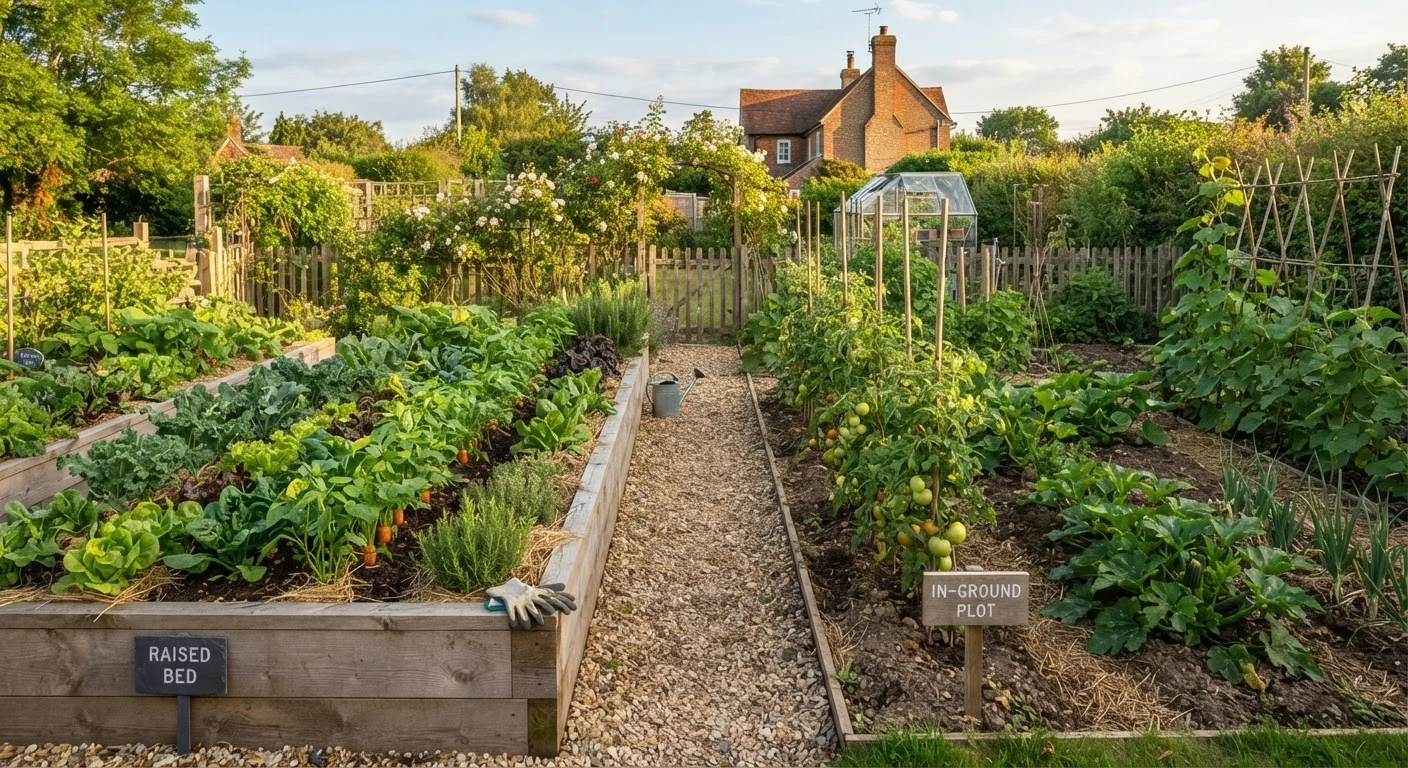
This article walks through the most persistent gardening myths and replaces them with what research and experienced horticulturalists actually support. Whether you're growing tomatoes in raised beds or trying to keep a lawn looking healthy, knowing what not to do is just as valuable as knowing what to do. For a practical look at growing structures, see our guide to raised beds vs. in-ground gardens.
Myth
You should water your plants a little every day to keep them healthy.
Fact
Most plants thrive with deep, infrequent watering rather than shallow daily doses.
Daily light watering encourages roots to stay near the surface where they're vulnerable to heat and drought. Deep, less frequent watering - allowing the top inch or two of soil to dry between sessions - drives roots deeper into the ground, making plants more resilient. Consistently wet soil also promotes fungal disease and root rot. Check soil moisture with your finger before reaching for the hose, and consider a moisture meter for container plants. For more context on managing water delivery efficiently, see our overview of lawn irrigation systems.
Myth
Putting gravel or rocks at the bottom of a planter improves drainage.
Fact
A gravel layer at the bottom of a pot actually raises the water table inside the container, making drainage worse.
This is one of the most stubborn myths in container gardening. Water doesn't flow freely from fine-textured potting mix into coarse gravel - instead, it accumulates at the boundary between the two materials, a phenomenon called a perched water table. The result is saturated soil sitting right where roots are most dense. The correct fix is to use a well-draining potting mix appropriate to your plant type and ensure the container has adequate drainage holes.
Myth
Crushed eggshells added to soil will prevent blossom-end rot in tomatoes.
Fact
Eggshells decompose far too slowly to release usable calcium during a growing season.
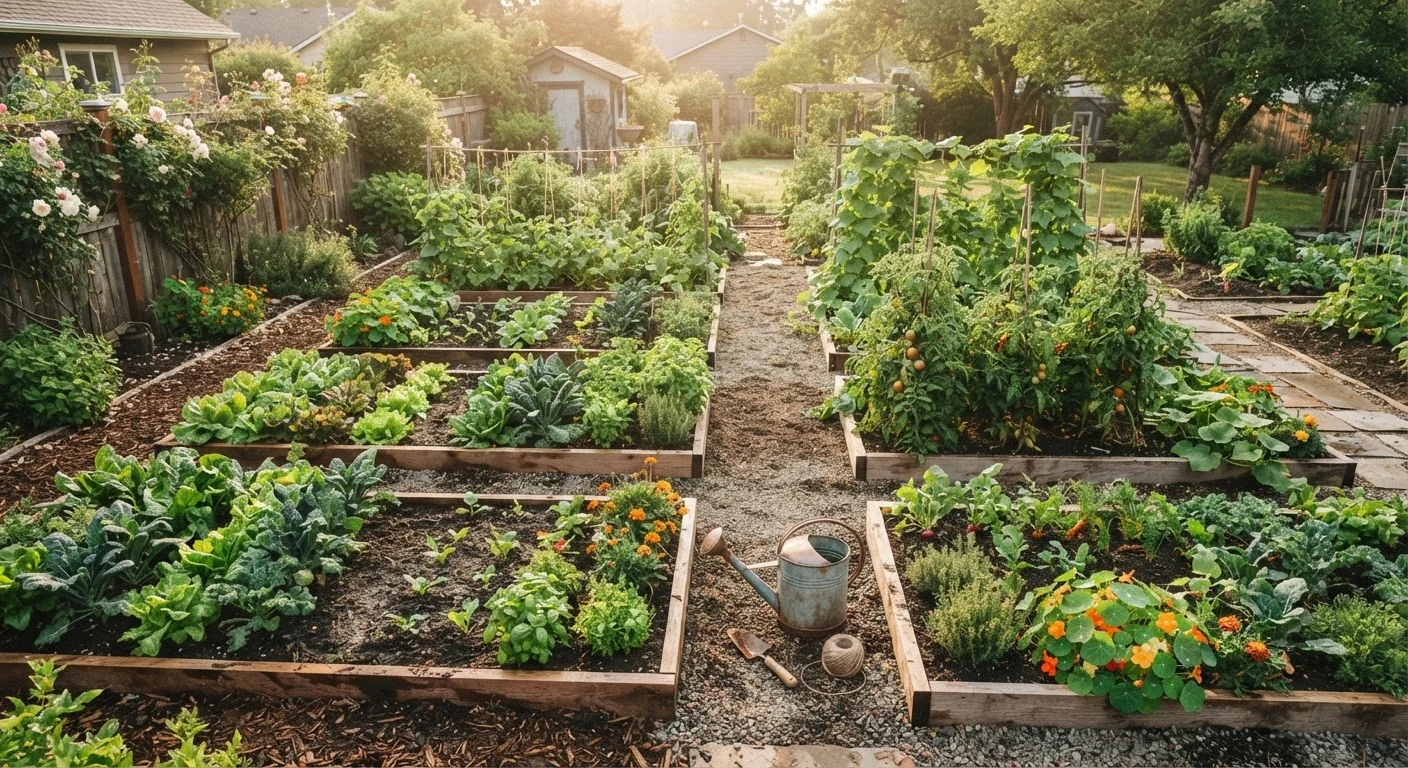
Blossom-end rot in tomatoes is linked to calcium deficiency - but the cause is usually inconsistent watering that prevents existing soil calcium from being absorbed, not an actual shortage in the soil. Eggshells can eventually contribute calcium as they break down, but that process takes years in most garden conditions. If calcium deficiency is confirmed through a soil test, agricultural lime or gypsum are faster, more reliable amendments. Consistent watering remains the most effective prevention strategy. Our tips for keeping a vegetable garden productive all summer cover watering consistency in more detail.
Myth
Adding sand to clay soil improves its texture and drainage.
Fact
Mixing small amounts of sand into clay soil can create a concrete-like mixture that's harder to work with than the original clay.
To genuinely improve clay soil texture with sand, you would need to add enough sand to make up roughly 50% or more of the total volume - a quantity that's impractical for most home gardeners. In smaller amounts, sand particles fill the spaces between clay particles without improving drainage or aeration. The proven alternative is to work in generous amounts of compost over time, which improves soil structure, drainage, and nutrient retention simultaneously.
Myth
Native plants are low maintenance and basically care for themselves once established.
Fact
Native plants are generally more resilient once established, but they still require care - especially in the first one to two growing seasons.
The appeal of native plants is real: they're adapted to regional conditions and often need less supplemental water and fertilizer once established. But the establishment phase matters. Newly planted natives need regular watering and attention to survive their first summer. Planting the right species for your specific region and soil type is also critical - a plant native to the Pacific Northwest won't necessarily thrive in the Southeast. Our guide to native plants explains how to choose species suited to your local ecosystem.
Myth
Organic fertilizers are always better than synthetic ones.
Fact
Both organic and synthetic fertilizers have appropriate uses; neither is universally superior.
Organic fertilizers - compost, bone meal, fish emulsion - release nutrients slowly, support soil biology, and reduce runoff risk. Synthetic fertilizers deliver nutrients in immediately available forms and allow for precise application. Each has tradeoffs depending on your soil health, the plants you're growing, and your goals. Over-application of either type can damage plants or contribute to nutrient runoff. A soil test is the most reliable starting point for deciding what, if anything, your garden actually needs.
What the Evidence Actually Supports
Good gardening is less about secret tricks and more about understanding basic plant biology - how roots absorb water, how soil structure affects drainage, and how nutrients actually move through the ground. When you build decisions on those fundamentals, you spend less time correcting mistakes.
~90%
Overwatering-related plant problems in containers
Horticulture educators commonly cite overwatering as the single most frequent cause of houseplant and container plant decline seen in extension service consultations.
50%+
Sand needed to genuinely improve clay soil structure
University extension soil scientists note that meaningful clay-soil improvement requires sand to comprise the majority of the resulting mix - far beyond what most gardeners apply.
1-2 years
Typical native plant establishment period
Most cooperative extension programs and native plant societies advise gardeners to expect one to two full growing seasons before native plants become truly self-sufficient.
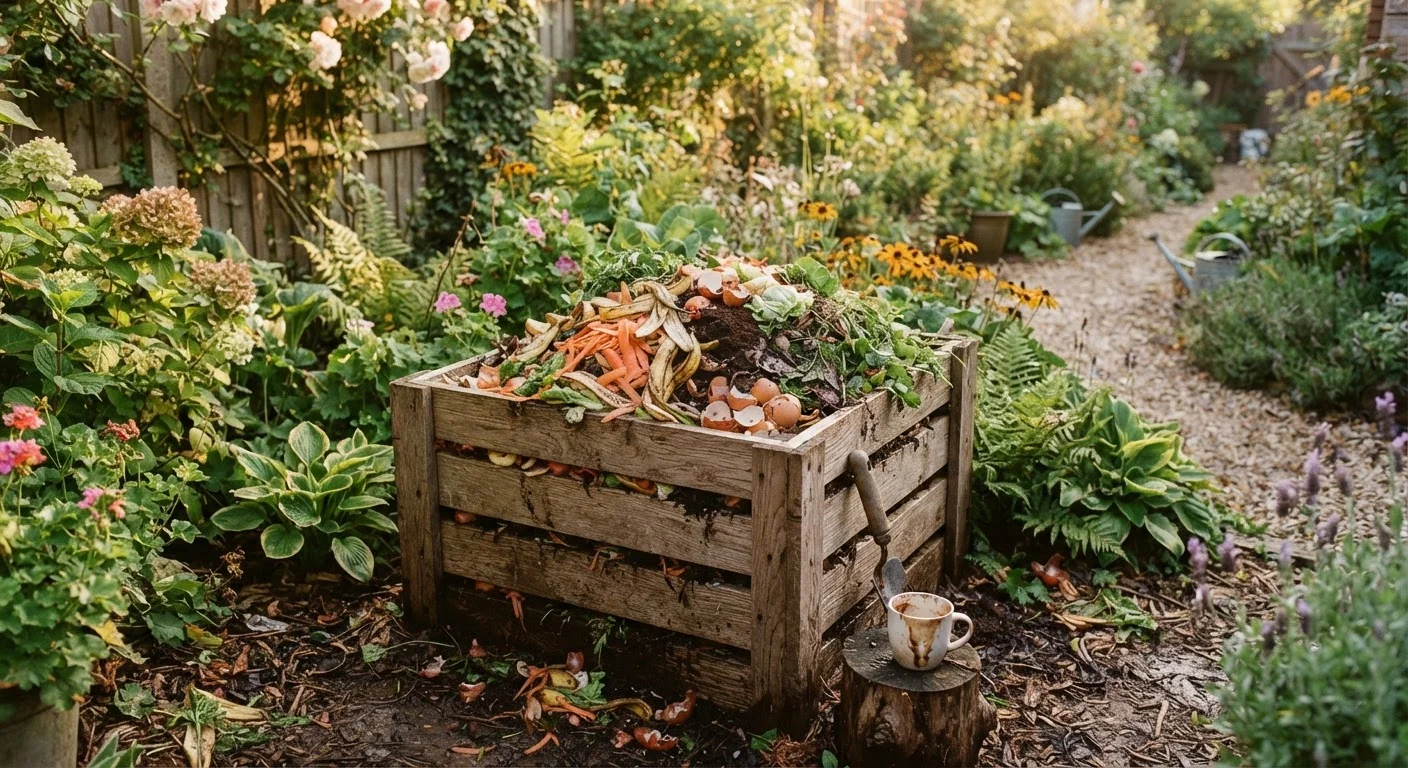
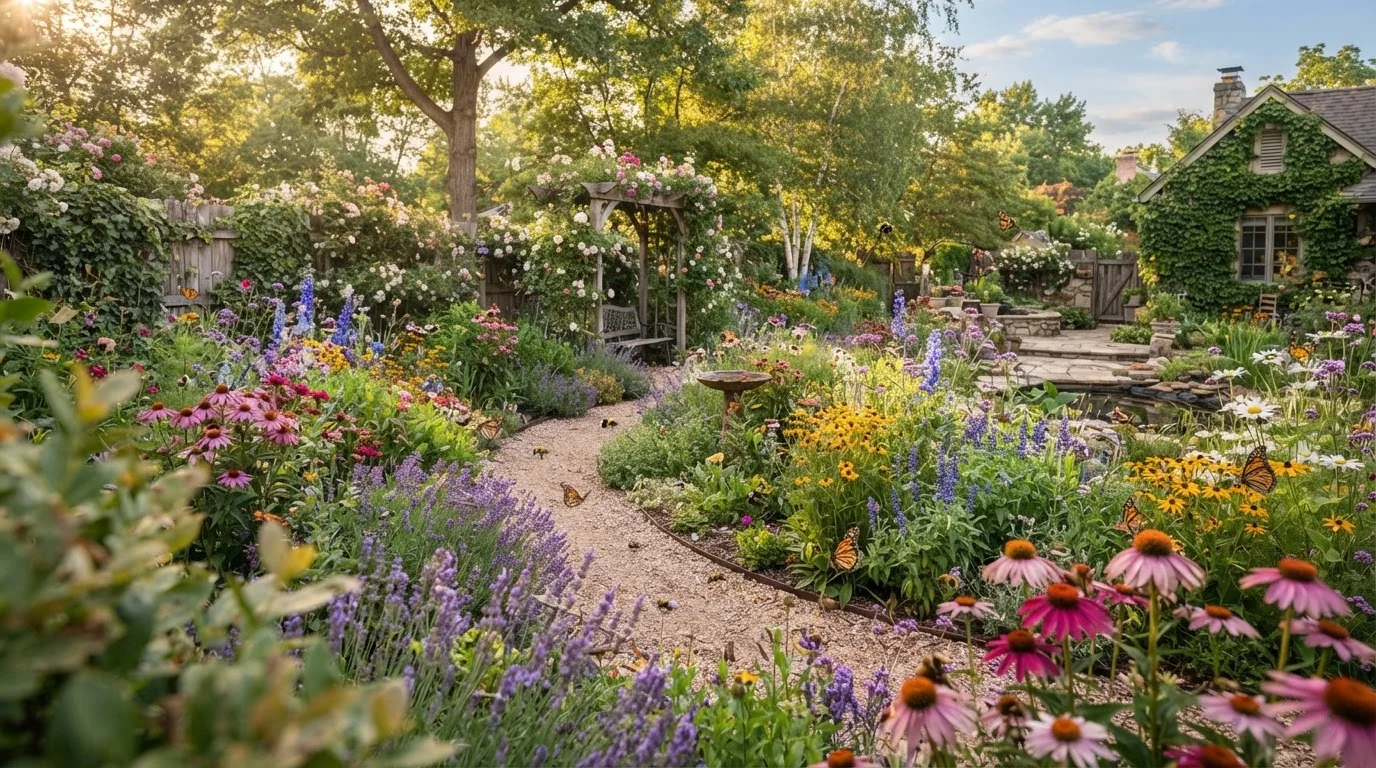
If you want to go deeper on one of the most impactful soil habits you can build at home, our guide to composting at home walks through the full process. For gardens that do double duty supporting local wildlife, designing for pollinators is worth a read. And if you're evaluating whether to install an irrigation system, our honest look at the tradeoffs of lawn irrigation systems can help you decide.
This article provides general gardening information for educational purposes. Results will vary based on local climate, soil conditions, and plant variety. When in doubt, consult your local cooperative extension office for regionally specific guidance.