What Each Term Actually Means
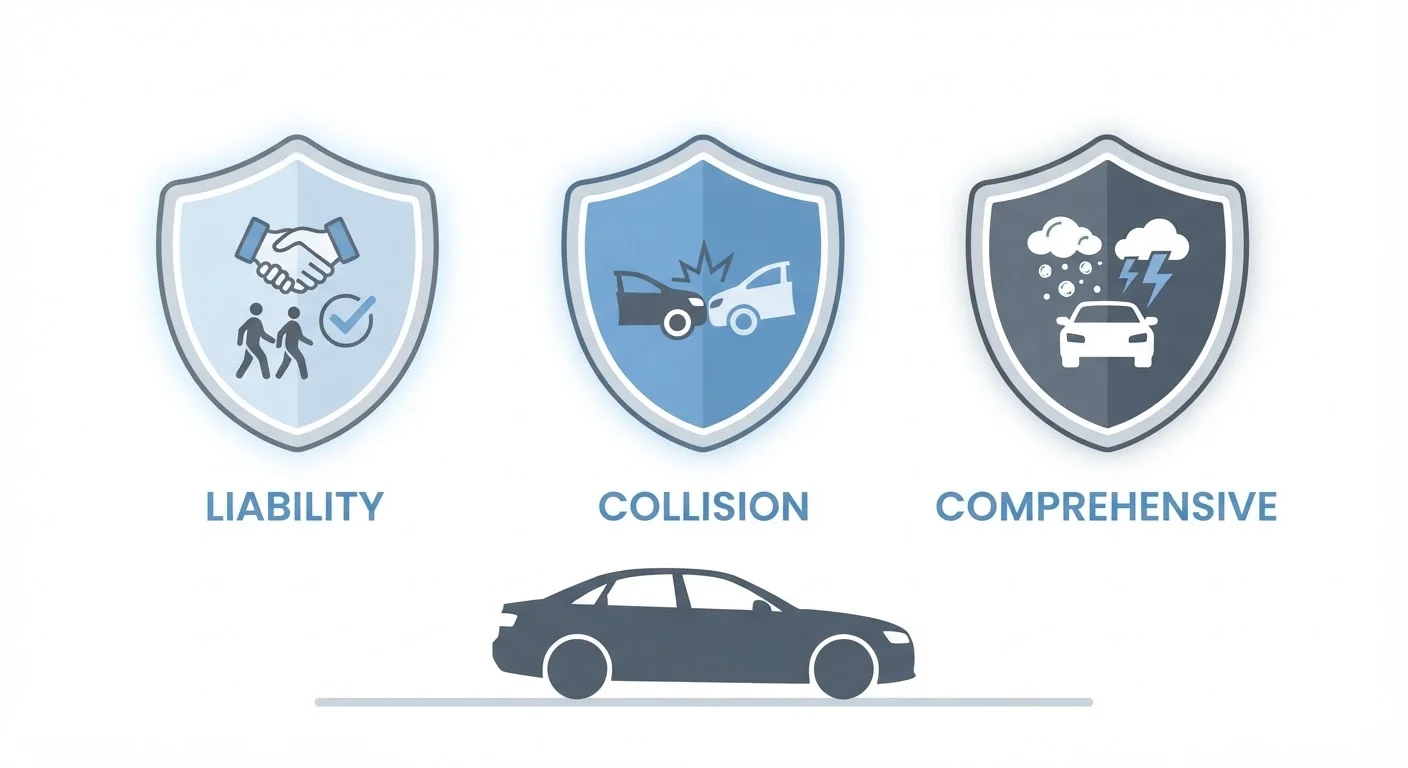
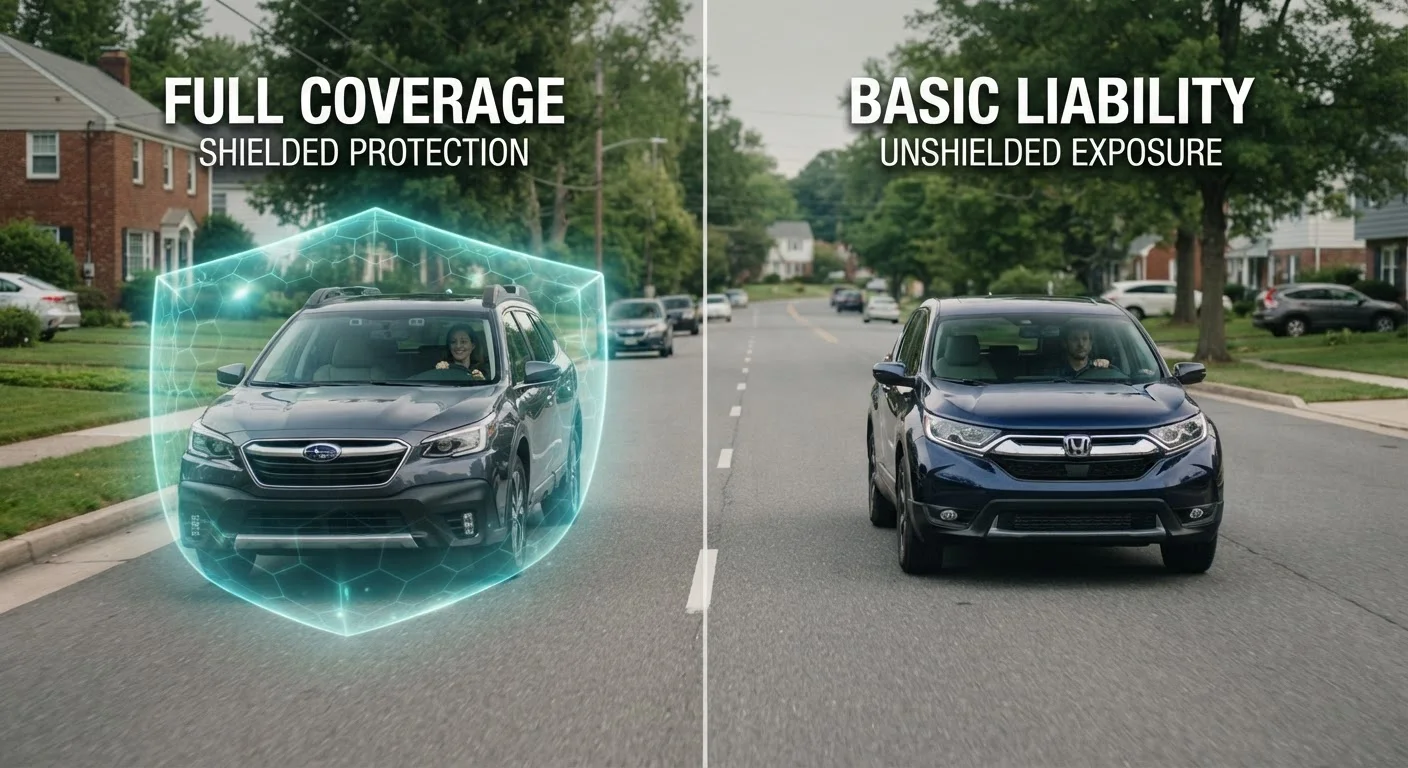
"Full coverage" isn't a single, standardized policy type - it's an informal term for a combination of coverages. In practice, it generally means your policy includes liability (required by law in most states), collision (pays for damage to your car after an accident regardless of fault), and comprehensive (covers non-collision events like theft, fire, flooding, or hail). Some insurers bundle in additional protections like roadside assistance or rental reimbursement, but the core three are what most people mean when they say "full coverage."
Liability-only, by contrast, covers bodily injury and property damage that you cause to others. It does not pay a cent toward repairing or replacing your own vehicle. For a deeper breakdown of what each individual coverage type does, see what liability, collision, and comprehensive insurance actually cover.
| Criterion | Full Coverage | Liability-Only |
|---|---|---|
| Covers damage you cause to others | Yes | Yes |
| Covers damage to your own vehicle | Yes (collision + comprehensive) | No |
| Covers theft, weather, fire | Yes (comprehensive) | No |
| Required for financed/leased vehicles | Yes - typically mandatory | No - violates loan terms |
| Premium cost | Higher | Lower |
| Best vehicle profile | Newer, higher-value, financed | Older, paid-off, lower-value |
| Financial risk if vehicle totaled | Limited to deductible | Full replacement cost out-of-pocket |
The Real Cost Trade-Off
Full coverage costs meaningfully more than liability-only. According to data from the National Association of Insurance Commissioners (NAIC), the average annual expenditure for collision coverage alone has historically run several hundred dollars, and comprehensive adds further cost on top. Your actual premium depends on your vehicle, location, driving record, and the deductible you choose.
A widely cited rule of thumb among insurance professionals: if your annual collision-and-comprehensive premium equals or exceeds 10% of your vehicle's current market value, it may be time to reconsider full coverage. But that's a starting point, not a formula - your personal financial cushion matters just as much. How your deductible affects your premium and out-of-pocket costs is worth understanding before you finalize any coverage decision.
~13%
Uninsured drivers on U.S. roads
The Insurance Research Council has estimated roughly 1 in 8 U.S. drivers carries no insurance at all - a reminder that liability coverage alone doesn't protect your own vehicle.
$500-$1,000
Typical collision deductible range
Most drivers select a deductible in this range; a higher deductible lowers the premium but increases out-of-pocket costs when a claim is filed.
~40%
Drivers who carry only minimum coverage
Various insurance industry surveys suggest a significant share of American drivers carry only state-minimum liability coverage, leaving their own vehicles exposed.
Drivers who drop collision and comprehensive should be honest about one question: could you absorb the full replacement cost of your vehicle without serious financial strain? If not, the premium savings may be false economy.
When the Choice Is Already Made for You
If you're financing or leasing your vehicle, the decision isn't really yours to make unilaterally. Lenders and lessors almost universally require full coverage as a condition of the loan or lease - they have a financial interest in the vehicle and won't accept liability-only. Dropping down to liability-only on a financed car puts you in breach of your agreement and typically triggers force-placed insurance, which is far more expensive and covers only the lender's interest, not yours.
If your vehicle is paid off, you have full discretion. That's when the math and your risk tolerance become the deciding factors. Drivers navigating this decision should also be aware of common auto insurance mistakes that can backfire at claim time.
Coverage Gaps Worth Knowing About
Neither coverage type is seamless. Even a full-coverage policy won't pay out more than your vehicle's actual cash value (ACV) - its depreciated market value at the time of loss, not what you paid for it or what you still owe. If you purchased a new car with a small down payment, you could owe more on your loan than the insurer pays after a total loss. That gap is what gap insurance covers.
On the liability-only side, the gap is straightforward but significant: your own vehicle damage comes entirely out of your pocket. A single at-fault collision with a newer vehicle could cost thousands. Liability-only drivers should also understand uninsured motorist coverage - a separate protection that's worth considering regardless of which base approach you choose.
Coverage needs also shift over time as your vehicle depreciates and your financial situation changes. Revisiting your policy annually is a sound habit; keeping your auto insurance policy current walks through how to do that effectively.
This article provides general information about auto insurance for educational purposes only and does not constitute personalized insurance or financial advice. Coverage terms, costs, and availability vary by insurer, state, and individual circumstances. Consult a licensed insurance professional for guidance specific to your situation.