
Why Policy Mistakes Hurt Most at Claim Time
Auto insurance is easy to overlook until something goes wrong. Most drivers pay their premium and assume they're protected - but the details buried in a policy declaration page can make an enormous difference when an accident actually happens. The mistakes below don't show up as problems at renewal time; they surface when you're already stressed, filing a claim, and least equipped to deal with them.
This isn't about finding the cheapest policy. It's about making sure the coverage you're paying for actually works when you need it. For a broader look at how misconceptions shape these decisions, see our guide to common auto insurance myths.
Relying on state-minimum liability limits as sufficient coverage.
Why it happens: State minimums feel like a government-endorsed baseline, leading many drivers to assume they're adequately covered. In reality, minimums are a legal floor, not a financial safety net.
Not disclosing all household drivers or vehicle uses to your insurer.
Why it happens: Drivers sometimes omit a family member with a poor driving record - or fail to mention they occasionally use their vehicle for rideshare or delivery work - because they fear a premium increase.
Setting a deductible higher than you could realistically pay after an accident.
Why it happens: A high deductible lowers monthly premiums, which makes it appealing on paper. Drivers often choose the number that saves the most money without calculating whether they'd actually have those funds available after a loss.
Skipping uninsured and underinsured motorist coverage to reduce costs.
Why it happens: This coverage is optional in many states and can feel redundant when you already have liability and collision policies in place.
Letting coverage lapse, even briefly, without understanding the consequences.
Why it happens: A missed payment or a decision to go without coverage during a period of low driving activity can seem like a harmless gap. Many drivers don't realize insurers track continuity.
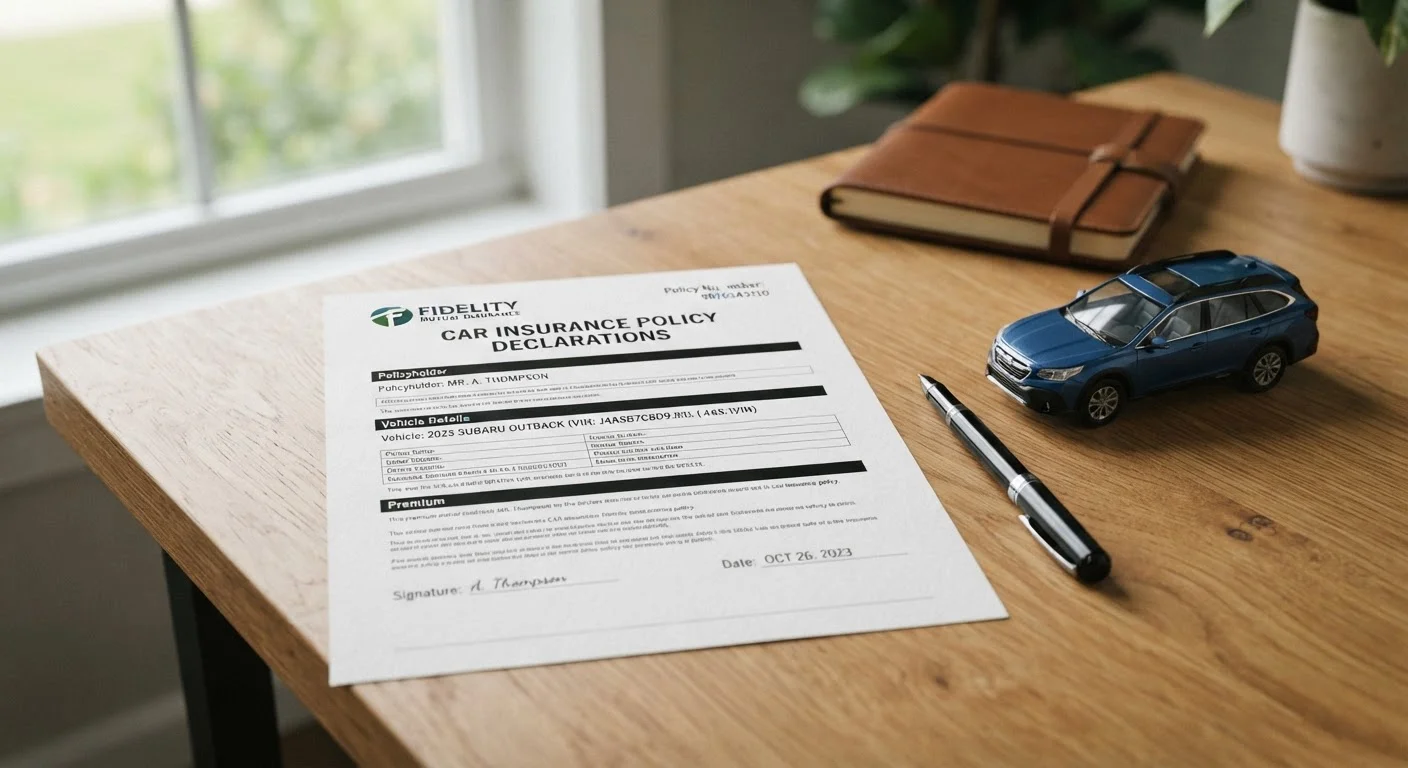
Assuming you fully understand your policy without reading the declarations page and exclusions.
Why it happens: Insurance documents are lengthy and dense. Most people rely on what they remember from the sales conversation rather than the written policy.
Keeping Your Policy Accurate Over Time
An auto insurance policy isn't a set-it-and-forget-it document. Life changes constantly - and when it does, your policy needs to reflect reality. Moving to a new zip code, adding a teenage driver to your household, or making significant modifications to your vehicle can all affect your coverage and your insurer's obligations.
Failing to Update Your Policy After Life Changes
Moving to a new address, adding a driver, or changing how you use your vehicle are all events that should be reported to your insurer promptly. Insurers price risk based on the information on file - if that information is outdated when you file a claim, your coverage could be reduced or disputed. Don't wait for renewal to make updates; contact your insurer as soon as a relevant change occurs.
Insurers assess risk based on the information you provide at the time you apply and at each renewal. If that information becomes inaccurate and you file a claim, your insurer may have grounds to reduce your payout or deny coverage altogether. Our article on keeping your auto insurance policy in good shape over time walks through what to review and when.
Equally important: understand how your deductible interacts with your premium. Many drivers raise their deductible to lower monthly costs without fully thinking through what they'd owe after an accident. The relationship between your deductible and your out-of-pocket costs is worth understanding before you lock in a number you can't actually afford.
This article is for general informational purposes only and does not constitute personalized insurance, financial, or legal advice. Coverage terms, exclusions, and regulations vary by provider and state. Consult a licensed insurance agent or adviser for guidance specific to your situation, and always read your actual policy documents carefully.