How Gap Insurance Works
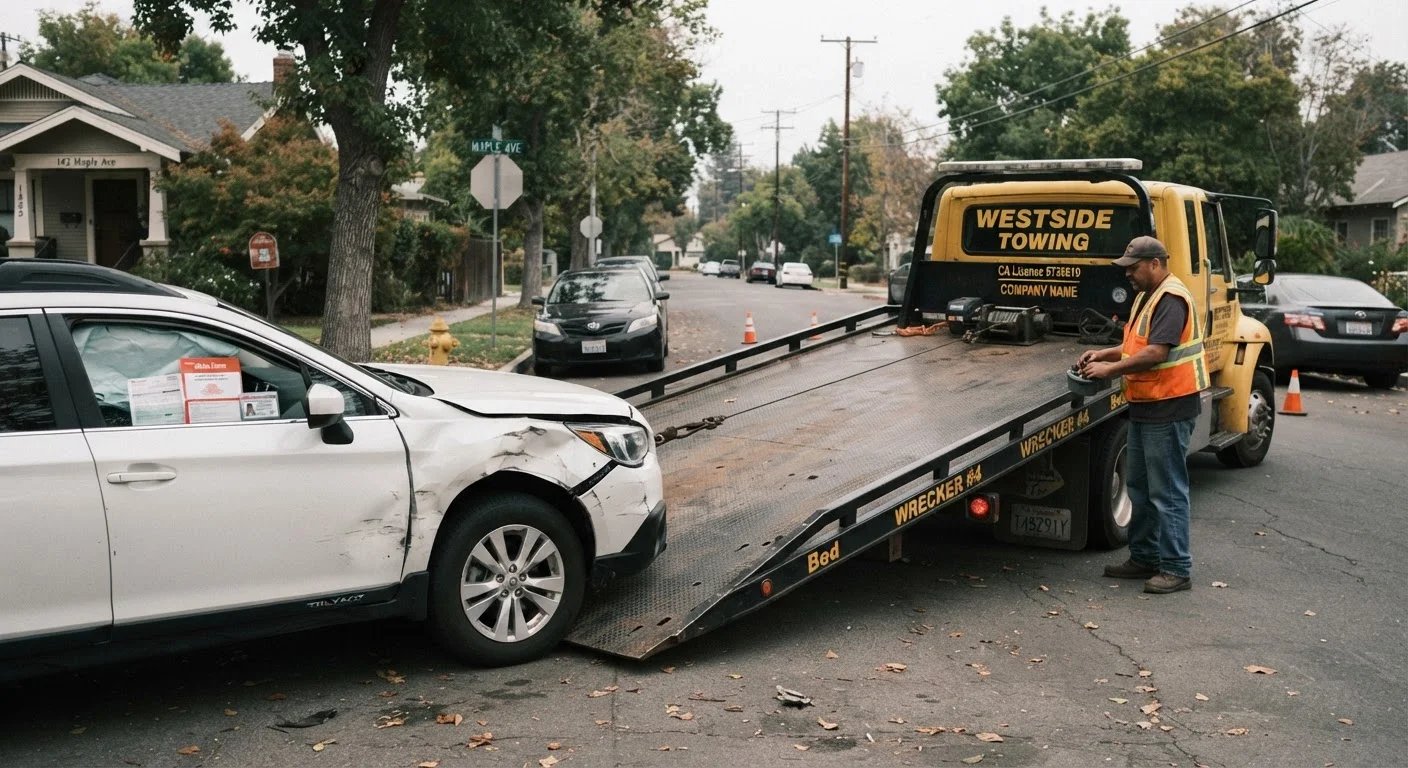
When a vehicle is totaled - meaning the cost to repair it exceeds its market value - your standard collision or comprehensive insurance pays out what the car is worth at that moment, not what you paid for it or what you still owe. That payout is based on the vehicle's actual cash value (ACV), which accounts for depreciation.
The problem: cars depreciate fast. A new vehicle can lose a significant portion of its value in the first year alone. If you financed most of the purchase price and your loan balance hasn't dropped proportionally, you may still owe more to the lender than the insurer's ACV payout. Gap insurance covers that remaining balance, so you're not left paying off a loan for a car you no longer have.
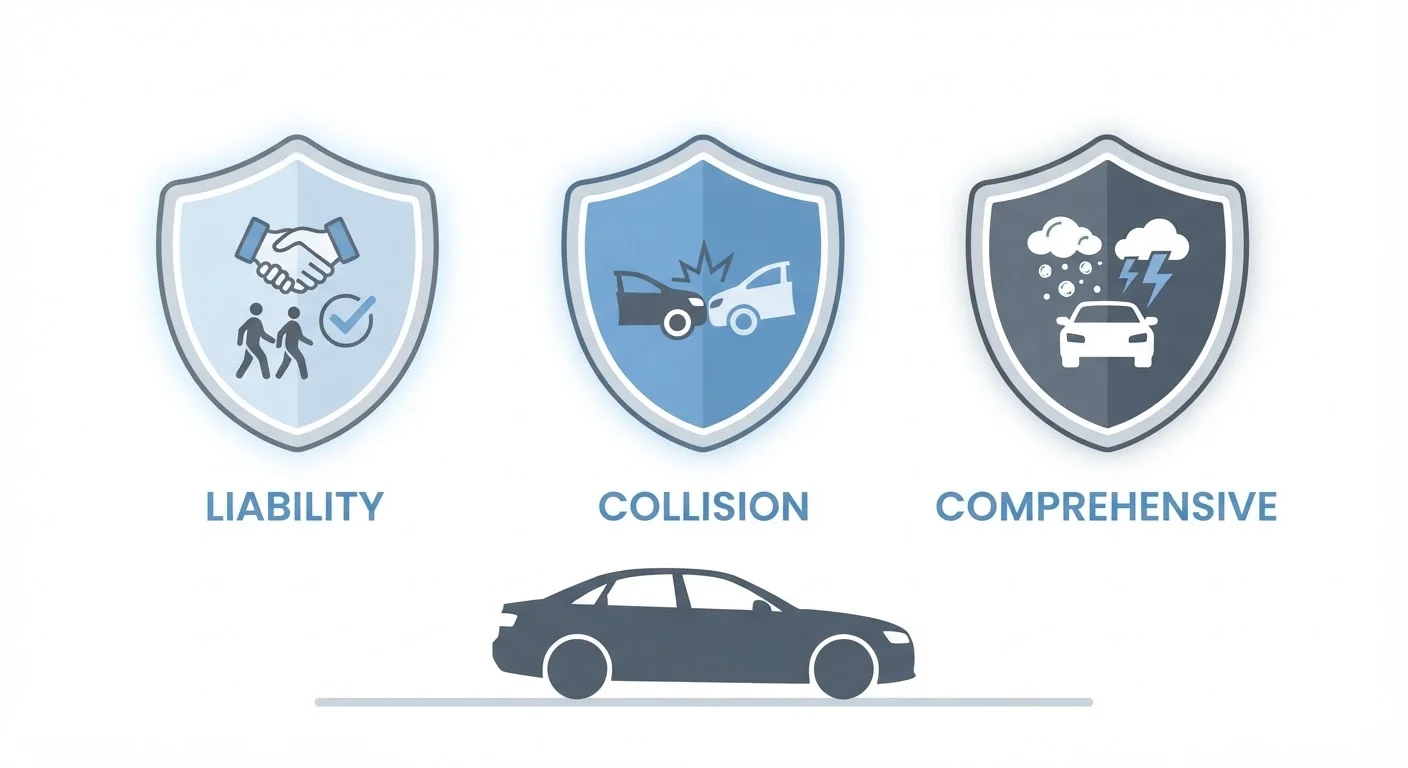
For a broader understanding of how collision and comprehensive claims work, see our guide on what liability, collision, and comprehensive insurance each cover.
20%+
Typical new car value loss in first year
According to industry estimates commonly cited by consumer finance organizations, new vehicles can depreciate by 20% or more within their first 12 months of ownership.
~$3
Estimated monthly cost through an insurer
Insurance industry sources suggest gap coverage added as a policy endorsement often costs drivers an average of roughly $20-$40 per year, though actual pricing varies by insurer and vehicle.
85%
New vehicle transactions that are financed or leased
Experian's State of the Automotive Finance Market reports have consistently shown the large majority of new vehicle acquisitions involve financing or leasing, putting many buyers in potential gap territory.
Who Typically Needs Gap Coverage
Not every driver needs gap insurance, but certain situations make it a genuinely useful safeguard:
- Small or no down payment: If you financed 90% or more of the vehicle's purchase price, you likely started underwater - owing more than the car's value from day one.
- Long loan terms: A 60-, 72-, or 84-month loan builds equity slowly. In the early years, your loan balance can outpace how quickly depreciation is reflected in the ACV.
- High-depreciation vehicles: Some makes and models lose value faster than average. If your car falls into that category, the gap risk is larger.
- Leased vehicles: Lease agreements often require gap coverage because the leasing company - not you - owns the vehicle and wants its financial exposure protected.
Conversely, if you paid cash, made a large down payment, or your loan balance is already below the vehicle's estimated value, gap coverage adds little practical benefit.
Check Your Loan Balance Before Renewing
Once a year, compare your remaining loan balance against a current market valuation of your vehicle. If the loan balance has fallen below what you could realistically sell the car for, you may no longer need gap coverage. Dropping it at that point can reduce your annual premium without meaningfully increasing your financial risk.
What Gap Insurance Does Not Cover
Understanding the limits of gap insurance is just as important as knowing what it pays for. Gap coverage does not apply in these situations:
- Repairs after an accident when the car is not declared a total loss
- Medical expenses, liability claims, or property damage to other vehicles
- Mechanical breakdowns or routine maintenance
- Negative equity rolled over from a previous loan into the current one (in most cases)
- Overdue payments, late fees, or other loan charges outside the principal balance
Gap insurance is also distinct from other add-on coverages like loan/lease payoff coverage, which may have slightly different terms. Always read the policy language carefully, and consult a licensed insurance agent if you have questions about what a specific policy includes.
For a full breakdown of auto insurance terms and coverage types, our auto insurance glossary is a useful reference.
Where to Buy Gap Insurance and What It Costs
Gap coverage is available from several sources: your existing auto insurer, the dealership's finance office, or a standalone provider. Pricing varies, but purchasing through an insurer typically means paying a modest addition to your existing premium rather than a lump sum financed into your loan - which can add interest charges over time.
Before accepting gap coverage through a dealership, ask for the total cost in writing and compare it against a quote from your current insurer. Some insurers offer it as an endorsement (an add-on to your existing policy), while others sell it as a separate product.
Once you determine that your loan balance has fallen below your vehicle's current market value - which you can estimate using publicly available valuation resources - it's reasonable to drop the coverage and redirect that premium elsewhere.
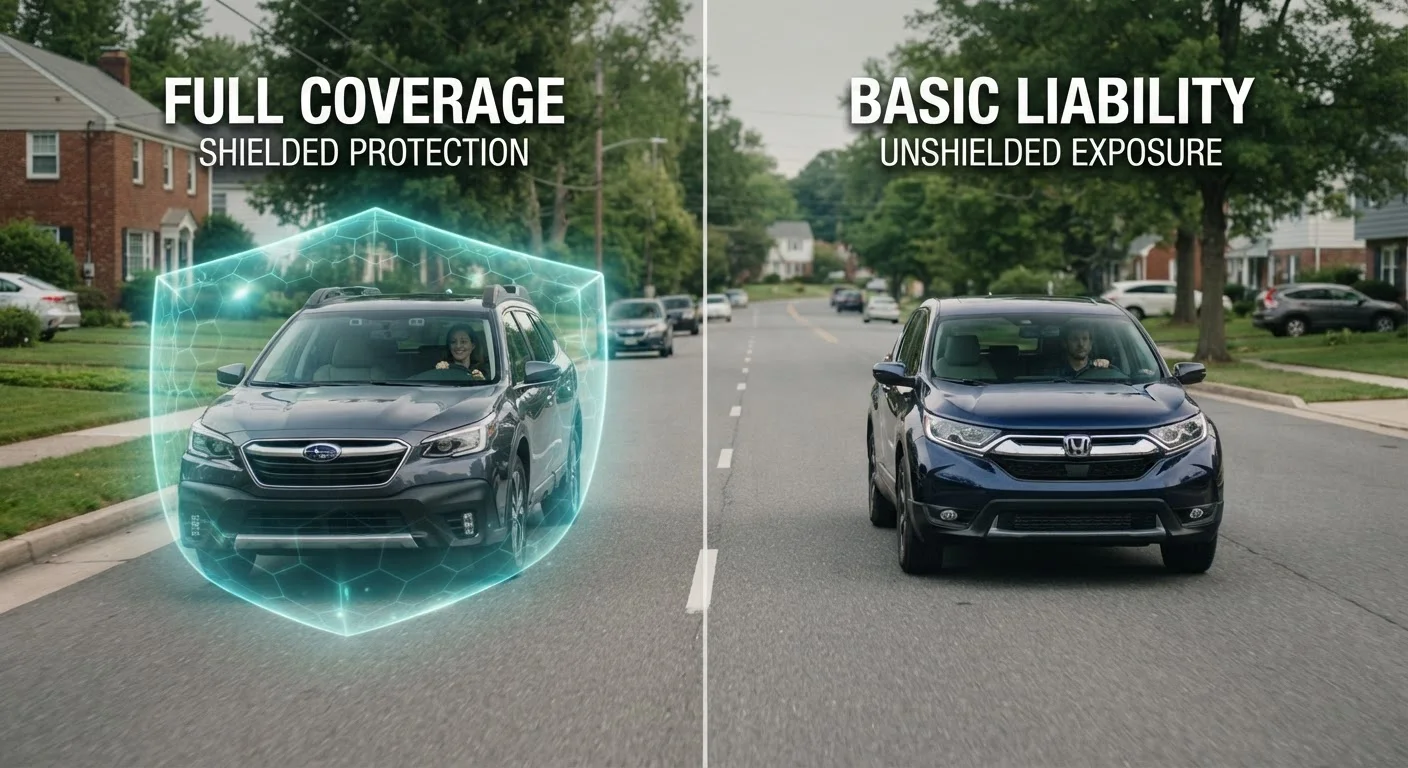
To see how gap insurance fits within your overall coverage picture, see how drivers typically weigh full coverage versus liability-only policies.
This article is for general informational purposes only and does not constitute personalized insurance or financial advice. Coverage terms, availability, and pricing vary by insurer, state, and individual circumstances. Consult a licensed insurance professional before making decisions about your coverage.