
Why Policies Drift Out of Step With Your Life
Auto insurance isn't a one-time transaction. Your coverage needs shift as your circumstances change - and if your policy doesn't keep pace, you can end up either underinsured or paying for protection that no longer matches your situation. Most drivers set up a policy and then rarely revisit it, which is exactly when gaps develop.
If you're new to how auto insurance works, the basics of auto insurance coverage are a useful starting point before diving into policy maintenance. Understanding what your current policy actually includes is step one in managing it well.
The core issue is that insurers price and structure coverage based on the information you provided at sign-up. When your life changes and that information becomes outdated, your policy may no longer reflect your actual risk profile or needs - and that mismatch can hurt you at claim time.
Life Events That Should Trigger a Policy Review
Certain changes in your life have a direct effect on your coverage needs or your premium. These include:
- Moving to a new address: Where you park and drive affects your risk rating. A move to a different ZIP code - even within the same city - can change your rate and should be reported promptly.
- Buying or selling a vehicle: Adding a car to your policy requires updating coverage; removing one means canceling coverage you no longer need. See our guidance on buying and selling vehicles for context on how transactions affect insurance timing.
- Adding a new driver: Teen drivers or household members who gain driving privileges need to be listed on your policy. Omitting them can lead to coverage denial in a claim.
- Changes in how much you drive: Working from home or switching to a shorter commute may qualify you for lower-mileage pricing options - but you need to report the change.
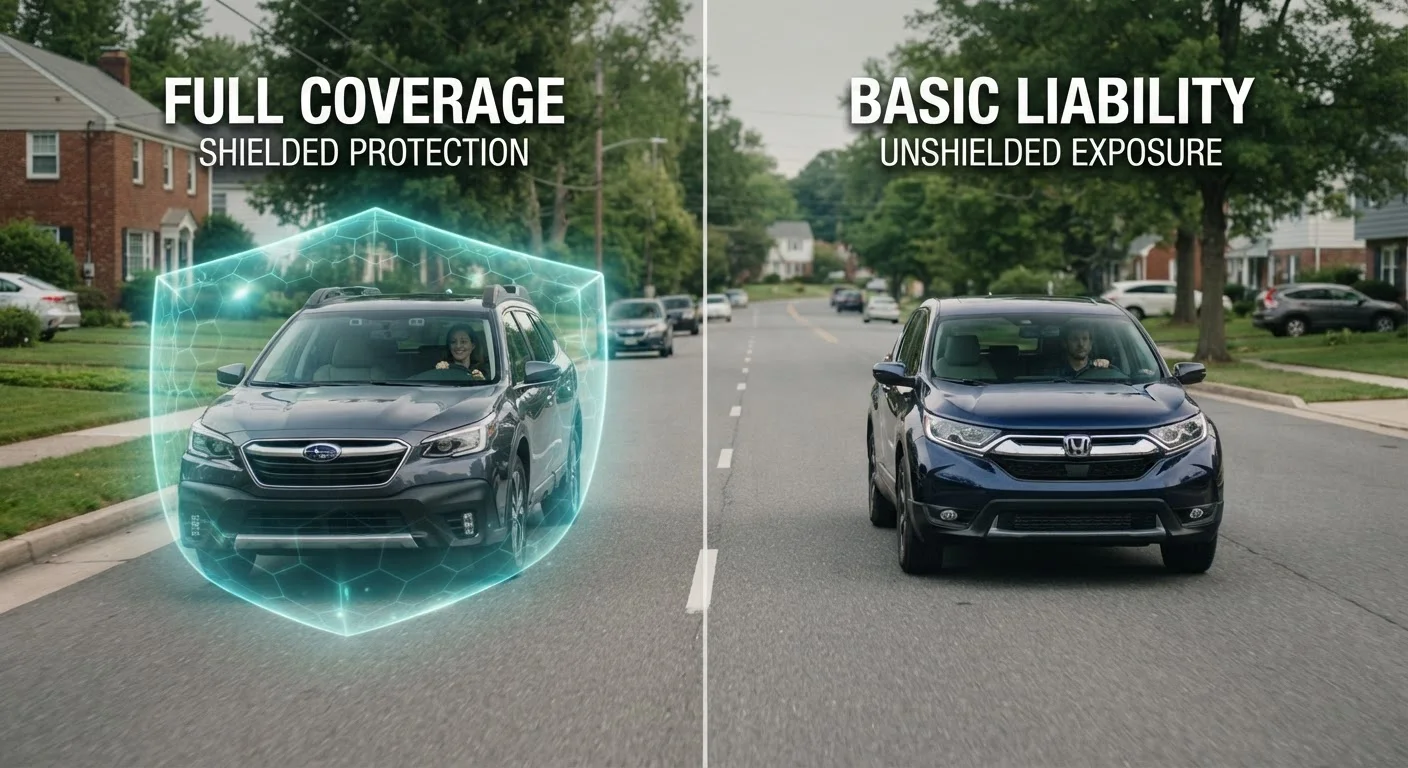
- Paying off a car loan or lease: Once a lender no longer has a financial stake in your vehicle, the requirement to carry comprehensive and collision coverage may no longer apply. Review whether full coverage still makes sense for your paid-off car.
Schedule an annual policy review, even when nothing obvious has changed.
Small shifts - a slightly longer commute, a car that's aged into a lower value bracket, a cleaner driving record - can all affect whether your current coverage and deductibles still make sense. An annual review keeps you from paying for coverage that's outdated or missing protection you've grown to need.
Notify your insurer promptly whenever a household member starts driving your vehicle regularly.
Insurance policies are priced around named drivers. If an unlisted household member is involved in an accident while driving your car, your insurer may reduce or deny the claim on the basis that a material fact was omitted.
Reassess your deductible and coverage limits when your vehicle's market value changes significantly.
Paying for comprehensive and collision coverage on a vehicle whose market value is low may not be financially rational - your potential payout is capped at actual cash value, which may be less than the cumulative cost of the coverage. Conversely, underinsuring a newer or higher-value vehicle creates real financial exposure.
Keep a copy of your declarations page accessible and review it before signing renewal documents.
The declarations page summarizes your coverage limits, deductibles, listed vehicles, and named drivers. Reviewing it at renewal catches errors introduced during policy updates and confirms that all the details on file match your actual situation.
Report changes in annual mileage when your driving habits shift substantially.
Many insurers factor estimated annual mileage into how they price a policy. Significant reductions - such as retiring, switching to remote work, or relocating closer to work - may qualify you for lower-mileage pricing tiers, but the insurer needs accurate information to apply them.
Good Habits for Ongoing Policy Management
Beyond reacting to life events, proactive habits help keep your policy accurate and effective over time. A few structural practices make a significant difference.
One area drivers frequently overlook is the accuracy of the information on file with their insurer. Incorrect details - about vehicle use, mileage, or who drives the car - can complicate or void a claim. The most costly auto insurance mistakes often trace back to outdated or inaccurate policy information rather than coverage gaps alone.
It's also worth understanding the factors that drive your premium so you can recognize when a change in your situation might affect what you're paying. What influences your auto insurance rate includes driving record, vehicle type, location, and more - each of which can shift over time.
This article provides general information about auto insurance for educational purposes only. It is not personalized insurance, financial, or legal advice. Coverage terms, eligibility, and regulations vary by insurer and state. Always read your actual policy documents and consult a licensed insurance agent for guidance specific to your situation.