
Why Auto Insurance Exists
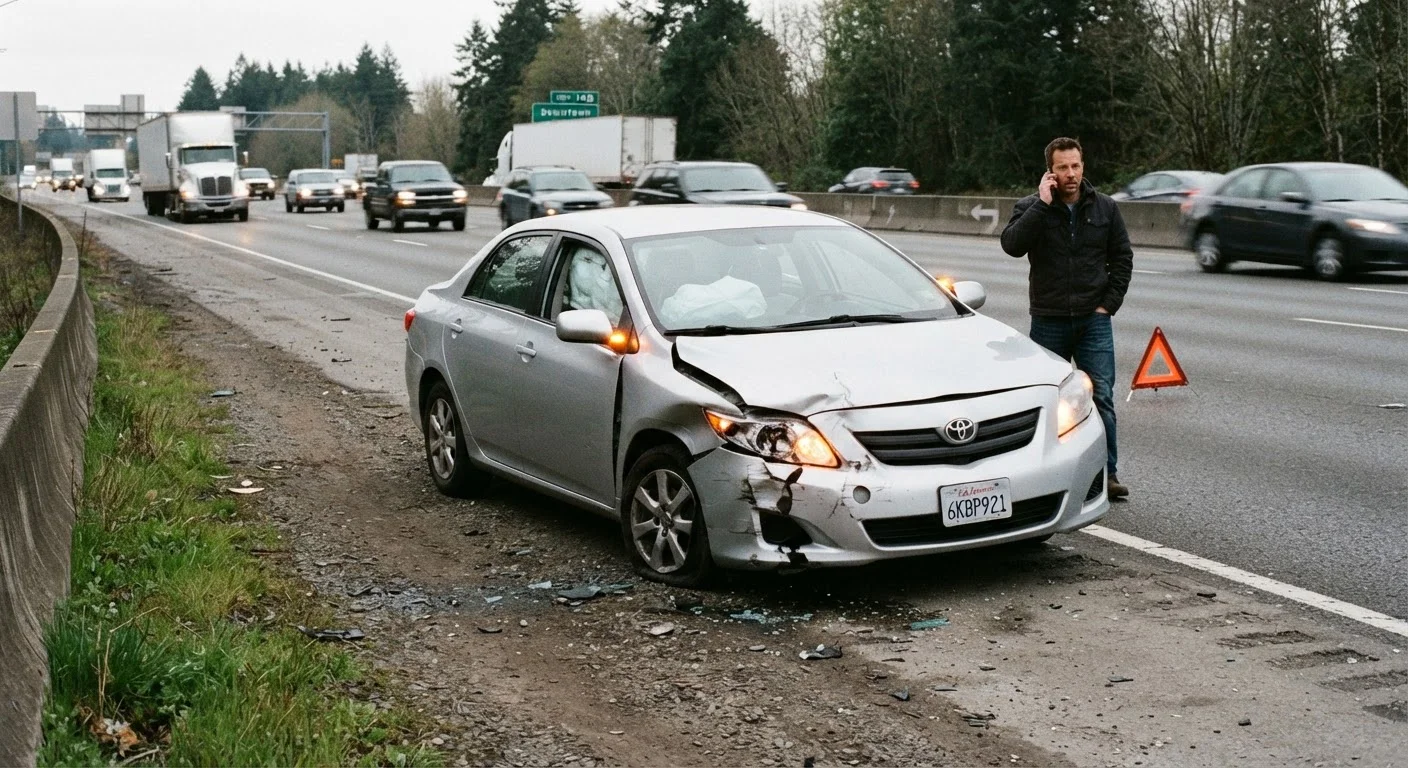
Auto insurance exists to manage financial risk. When a vehicle collision happens, costs escalate fast - vehicle repairs, medical treatment, lost wages, and potential lawsuits can reach tens or hundreds of thousands of dollars. Insurance spreads that risk across a large pool of drivers so no single person has to absorb a catastrophic loss alone.
Every U.S. state sets minimum coverage requirements that drivers must maintain to legally operate a vehicle. These minimums protect other people on the road more than they protect the policyholder. Meeting only the state minimum is legal, but it often leaves meaningful gaps in your own financial protection.
If you're financing or leasing a vehicle, your lender will typically require additional coverage types beyond the state minimum - specifically collision and comprehensive - to protect their financial interest in the car until it's paid off.
The Core Coverage Types
A standard auto insurance policy isn't a single coverage - it's a bundled package of several distinct protections. Understanding what each piece does is the foundation of making informed decisions.
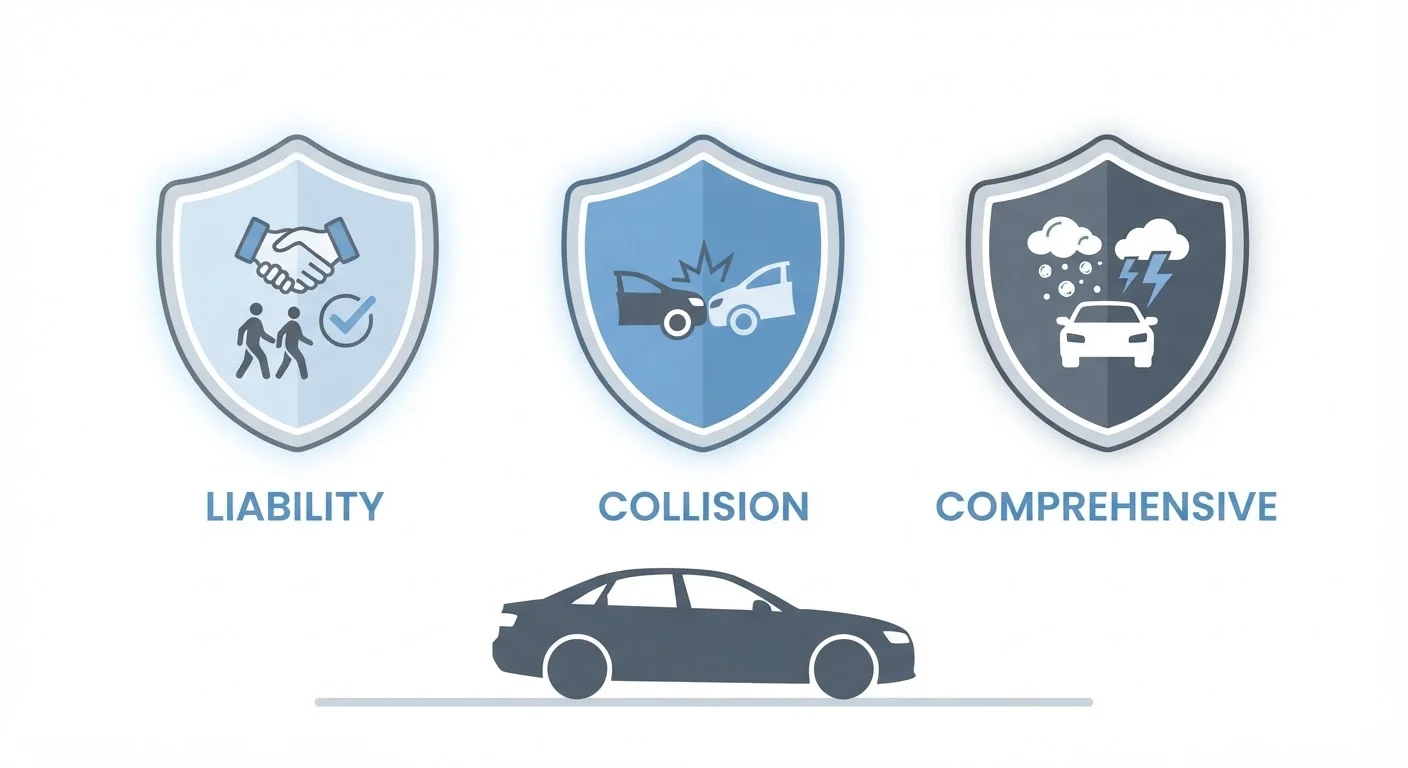
- Liability: Pays for bodily injury and property damage you cause to others. This is the coverage states require.
- Collision: Covers damage to your own vehicle when it hits another vehicle or object, regardless of fault.
- Comprehensive: Covers non-collision damage to your vehicle - theft, hail, flood, fire, animal strikes, and similar events.
- Personal Injury Protection (PIP) / Medical Payments (MedPay): Covers medical expenses for you and passengers after an accident, regardless of fault. Required in some states.
- Uninsured/Underinsured Motorist (UM/UIM): Protects you when the at-fault driver has no insurance or insufficient coverage.
For a deeper breakdown of how each coverage works in practice, see our guide to liability, collision, and comprehensive coverage.
Check Your Declarations Page First
Your policy's declarations page (sometimes called the 'dec page') is a one- or two-page summary listing your coverage types, limits, deductibles, and premium. When in doubt about what you have, start there - it's the clearest snapshot of your actual policy.
Key Terms You Need to Understand
Insurance policies use specific vocabulary that carries precise meaning. Getting familiar with these terms before you shop or file a claim will save you real confusion.
Premium
The amount you pay - monthly, semi-annually, or annually - to keep your insurance policy active.
Deductible
The out-of-pocket amount you pay on a covered claim before your insurer pays the rest. A $500 deductible means you cover the first $500 of any qualifying repair.
Coverage limit
The maximum dollar amount your insurer will pay for a covered claim. Costs above this limit are your responsibility.
Declarations page
A summary document at the front of your policy listing all your coverage types, limits, deductibles, and the insured vehicles. Often called the 'dec page.'
Exclusion
A specific situation, event, or type of damage your policy explicitly does not cover, even if it might seem like it should.
At-fault accident
An accident where you are determined to be primarily or partially responsible. At-fault accidents typically affect your future premiums.
For a comprehensive reference of insurance terminology, the Auto Insurance Glossary covers every term you're likely to encounter on a policy document.
What Affects Your Premium
Your premium - the amount you pay for coverage - is calculated based on risk factors the insurer uses to estimate how likely you are to file a claim. Common factors include:
- Driving record: At-fault accidents and traffic violations typically raise rates.
- Vehicle type: More expensive vehicles cost more to repair or replace, which affects comprehensive and collision pricing.
- Annual mileage: More time on the road generally means more exposure to accidents.
- Location: Urban areas with higher accident and theft rates often carry higher premiums.
- Credit-based insurance score: Permitted in most states as a rating factor; lower scores often correlate with higher rates.
- Coverage levels and deductibles: Higher limits raise premiums; higher deductibles lower them.
No single factor determines your rate - insurers weigh combinations of these variables, and the math varies by company. This is one reason identical drivers can receive meaningfully different quotes.
Quotes Are Not Guaranteed Rates
The premium you're quoted during an application may change after the insurer verifies your driving record, vehicle information, and other data. A quoted rate is an estimate until the policy is formally issued. Always review the final policy documents before assuming your rate is locked in.
Common Coverage Gaps to Watch For
Carrying insurance isn't the same as having adequate coverage. Several common situations catch drivers off guard:
- Low liability limits: State minimums are often far below what a serious accident costs. If your limits are exhausted, your personal assets may be at risk.
- No UM/UIM coverage: Roughly one in eight U.S. drivers is uninsured, according to Insurance Research Council estimates. Being hit by one without this coverage can leave you paying your own costs. Learn more in our guide to uninsured and underinsured motorist coverage.
- Gaps when buying a new car: If you're financing a vehicle, understand what coverage your lender requires. Our article on what first-time car buyers often underestimate covers insurance requirements alongside other costs new owners miss.
Common policy mistakes are worth knowing before they happen. See auto insurance mistakes that can cost you at claim time for a practical rundown.
Where to Go From Here
Auto insurance is general financial protection, not a one-size solution. Your coverage needs shift as your vehicle's value changes, your driving habits evolve, and your financial situation grows. Reviewing your policy at each renewal - rather than auto-renewing without a look - is one of the most straightforward ways to avoid overpaying or being underprotected.
When you're ready to compare policies, go beyond the price tag. What to compare beyond price when shopping for auto insurance walks through coverage limits, exclusions, and claims service - the factors that determine whether a policy actually delivers when you need it.
This article is for general informational purposes only and does not constitute insurance, legal, or financial advice. Coverage terms, requirements, and availability vary by state and insurer. Consult a licensed insurance agent or adviser for guidance specific to your situation.