
Why Price Is Only Part of the Picture
When shopping for auto insurance, it's tempting to sort quotes by monthly premium and pick the lowest number. That instinct is understandable - but it can leave you exposed when it matters most. Two policies with identical premiums can offer dramatically different protection, claim experiences, and financial exposure after an accident.
If you're new to how policies are structured, our plain-language auto insurance guide is a useful starting point before comparing quotes. Once you understand the building blocks, this checklist will help you evaluate what's actually inside each policy - not just what it costs.
Use the items below to audit any quote you receive. Work through them before committing to a policy, and bring your notes when speaking with an agent or using a comparison tool.
Coverage Limits
Deductibles and Out-of-Pocket Costs
Exclusions and Policy Gaps
Claims Process and Insurer Reliability
Optional Coverages and Add-Ons
Tools That Make Comparison Easier
You don't need specialized software to compare policies effectively - but having the right resources at hand speeds the process up significantly and reduces the chance of missing something important.
State Insurance Department Website
Look up insurer complaint ratios, license verification, and consumer resources specific to your state.
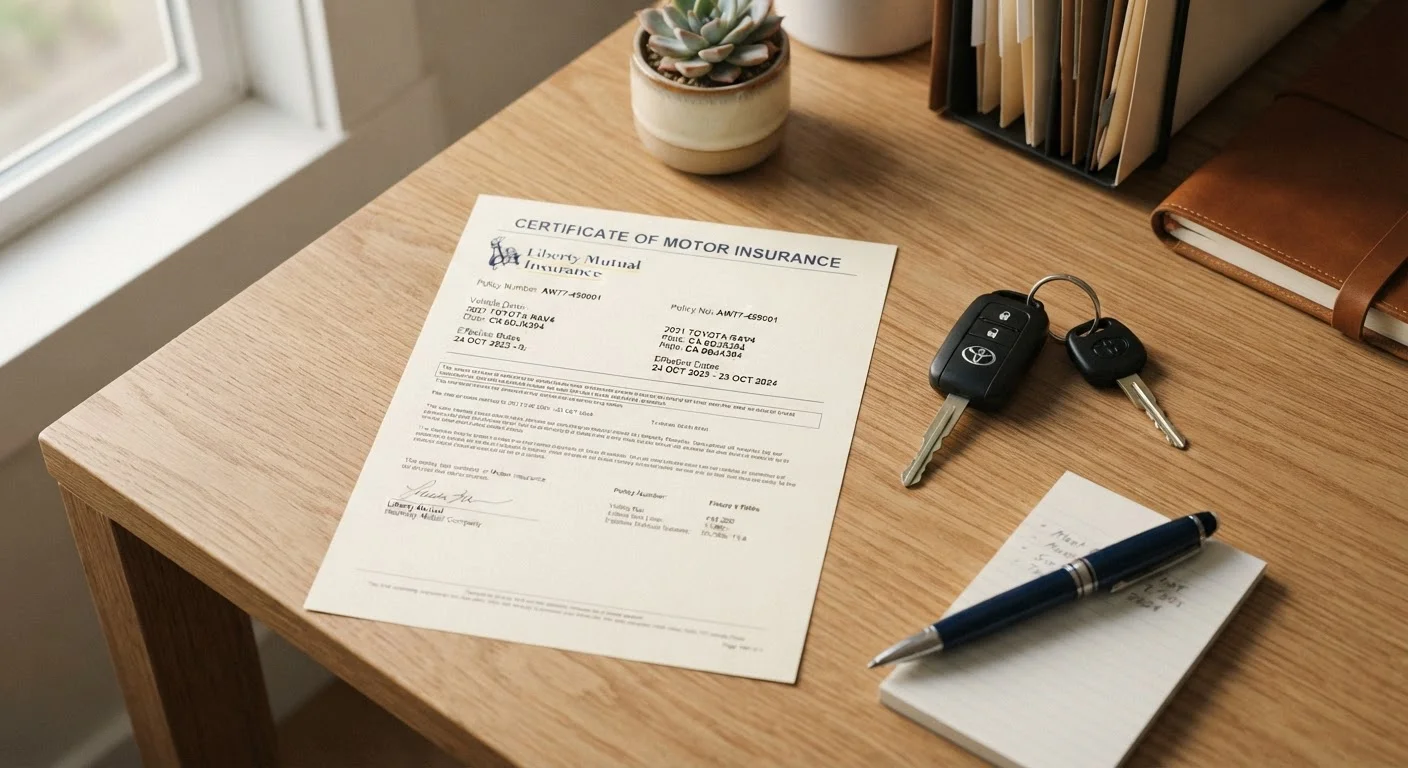
Policy Declarations Page
The single-page summary of your coverage limits, deductibles, and named insured - request this from every insurer before comparing.
Full Policy Document (PDF)
The complete contract language, including exclusions and conditions - essential for understanding what is and isn't covered.
Licensed Insurance Agent or Broker
A licensed professional can explain coverage differences in plain language and help you identify gaps across multiple quotes.
Spreadsheet or Comparison Worksheet
Track coverage limits, deductibles, and premiums across multiple quotes in a side-by-side format.
Keep in mind that comparison sites surface quotes, not full policy language. Always request the actual declarations page and policy document before making a final decision. Coverage that looks equivalent in a summary table may differ in the fine print around exclusions, claim limits, or conditions.
State Minimums Are Often Insufficient
Every state sets minimum liability coverage requirements, but those floors were designed to meet a legal threshold - not to protect your financial assets in a serious accident. Medical and vehicle repair costs in multi-vehicle crashes can easily exceed state minimums, leaving you personally responsible for the remainder. Consider your personal financial exposure when setting coverage limits, and don't treat the state minimum as a coverage goal.
What to Do After Comparing
Once you've worked through the checklist and narrowed your options, a few final steps can protect you from common pitfalls. Understanding what mistakes drivers make at claim time will reinforce why coverage details - not just price - matter so much in practice.
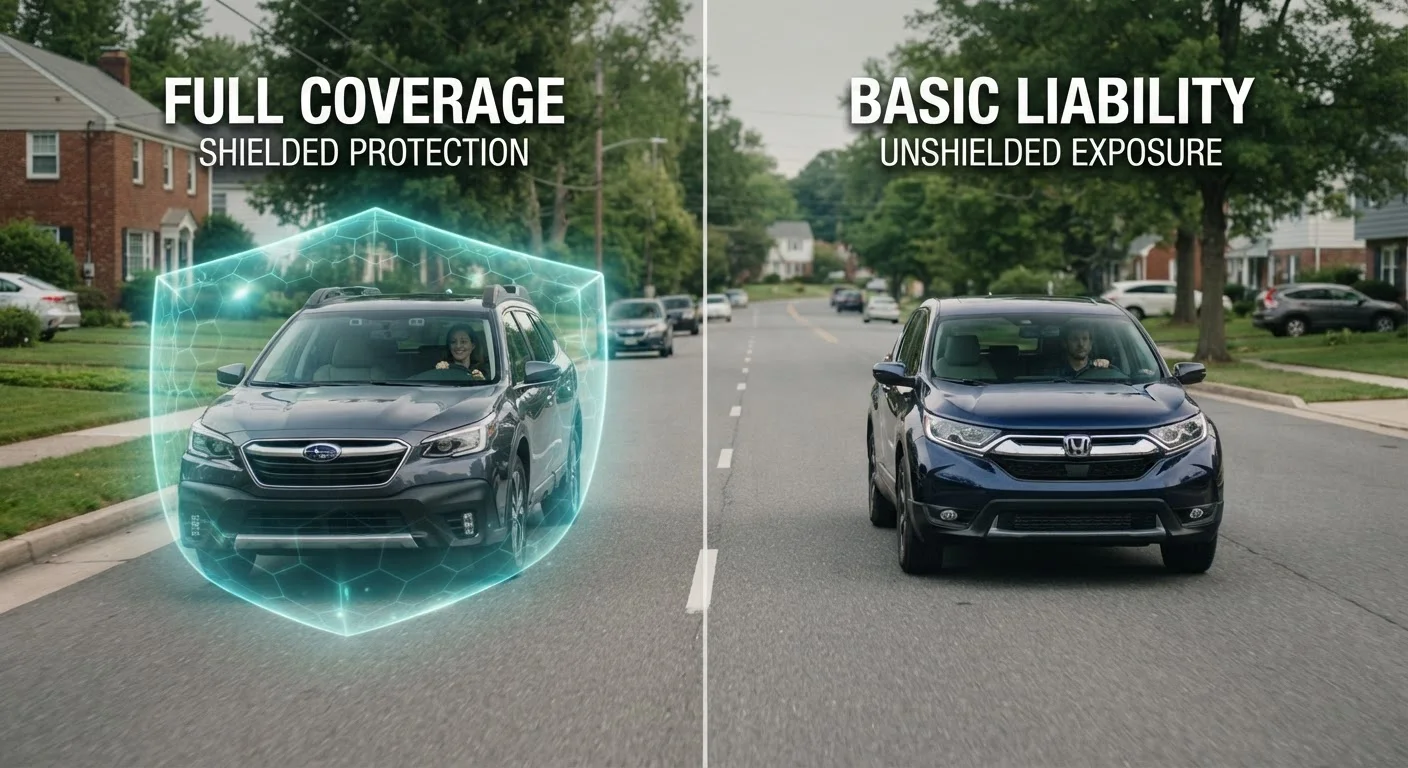
If you're still deciding between a bare-bones liability policy and something more comprehensive, our comparison of full coverage versus liability-only lays out how drivers typically weigh those trade-offs. And if you're a low-mileage driver, it's worth exploring usage-based insurance programs - they operate differently from standard policies and may warrant their own comparison criteria.
Read the Policy Before You Pay
A quote is not a contract. Before you commit to a policy, request and read the actual policy document - not just the summary. Exclusions, coverage conditions, and claim procedures live in the full language, and surprises in that fine print are a leading reason drivers feel underprotected after a loss. If anything is unclear, ask the insurer or a licensed agent to explain it in writing before you sign.
This article is for general informational purposes only and does not constitute personalized insurance, financial, or legal advice. Coverage terms, exclusions, and premiums vary by insurer, state, and individual circumstances. Always read your full policy documents and consult a licensed insurance agent or adviser before purchasing coverage.