
Why Insurance Vocabulary Matters
Auto insurance policies are legal contracts, and every term carries weight. Misreading a word like limit or exclusion can mean the difference between a covered claim and an unexpected bill. This glossary is a quick-reference tool - use it before you buy a policy, when comparing quotes, or any time you open your declarations page and hit unfamiliar language.
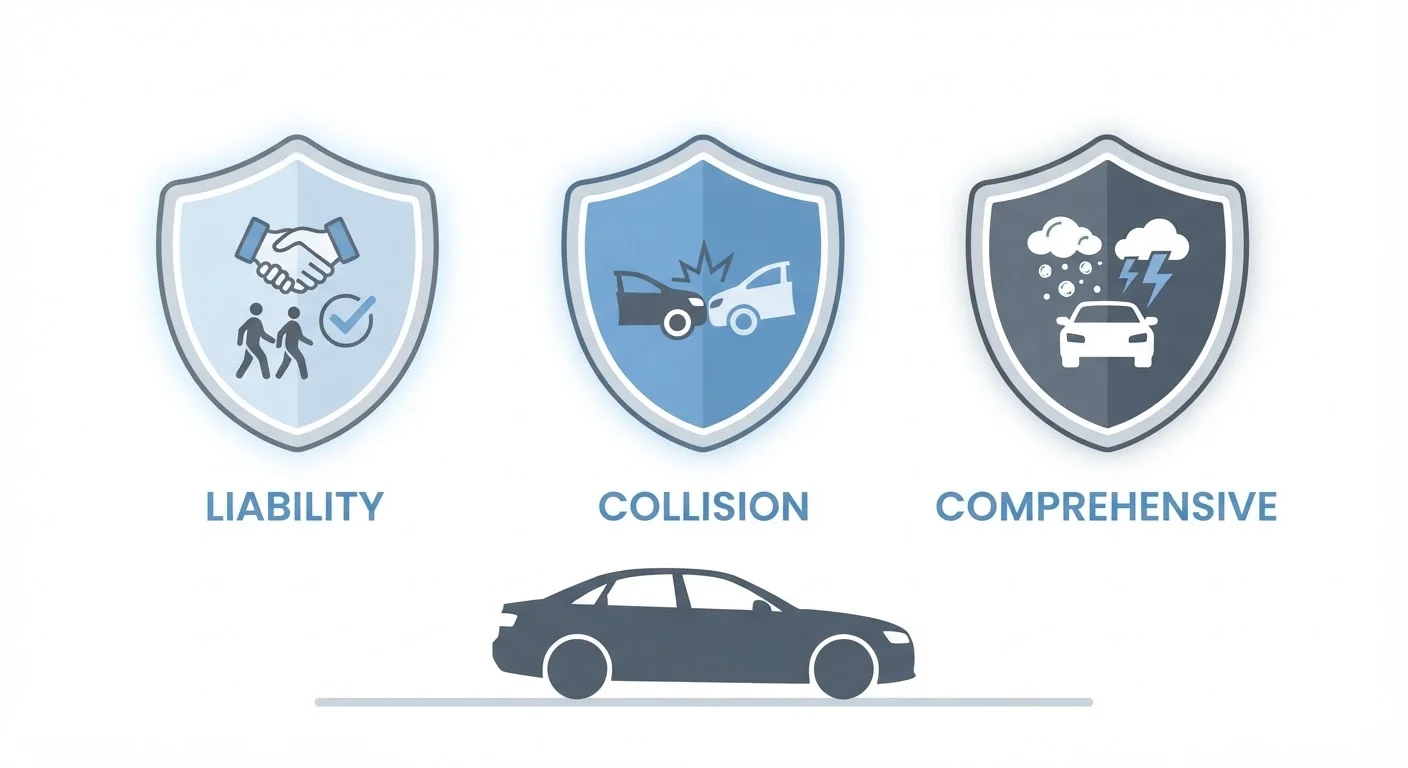
For a deeper look at how the major coverage categories work together, see how liability, collision, and comprehensive coverage actually works. If you're also navigating vehicle financing, auto loan terminology is a separate but equally useful reference.
| States requiring minimum liability coverage | 49 (New Hampshire is the primary exception) (Insurance Information Institute) |
| Most common deductible range | $250-$1,000 (Insurance Information Institute) |
| No-fault states requiring PIP | Approximately 12 states (National Conference of State Legislatures) |
| Estimated share of uninsured U.S. drivers | ~1 in 8 (Insurance Research Council) |
Core Policy Terms Defined
The terms below appear in nearly every auto insurance policy. Understanding them gives you a foundation for reading any document your insurer sends.
Premium
The amount you pay for your auto insurance coverage, typically billed monthly, semi-annually, or annually. Insurers calculate it based on factors including your driving history, vehicle type, location, and selected coverages.
Deductible
The amount you agree to pay out of pocket before your insurer covers the rest of a claim. A $500 deductible on a $2,000 repair means you pay $500 and your insurer pays $1,500.
Liability Coverage
Pays for injuries and property damage you cause to others in an accident. Most states require a minimum level; it does not cover your own injuries or vehicle.
Collision Coverage
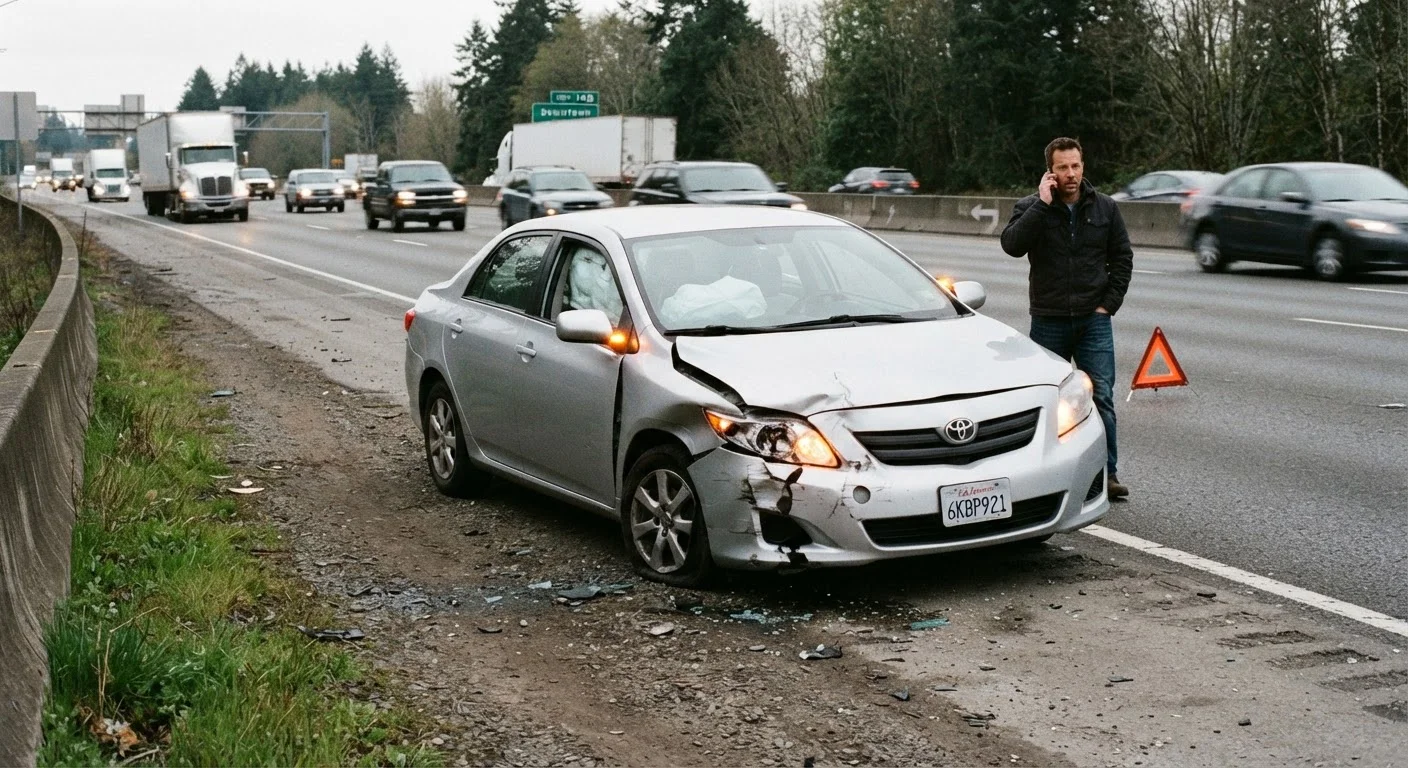
Covers repair or replacement of your own vehicle after a collision with another vehicle or object, regardless of fault. Subject to your deductible.
Comprehensive Coverage
Covers damage to your vehicle from non-collision events such as theft, fire, hail, flooding, or animal strikes. Also subject to your deductible.
Policy Limit
The maximum dollar amount your insurer will pay for a covered claim. Limits are expressed per person, per accident, or per incident depending on the coverage type.
Uninsured Motorist Coverage
Covers your costs when you are hit by a driver who carries no auto insurance at all. Required in some states and optional in others.
Underinsured Motorist Coverage
Protects you when the at-fault driver's liability coverage is insufficient to pay for your injuries or property damage, bridging the gap between their limit and your actual costs.
Personal Injury Protection (PIP)
Pays for medical expenses, lost wages, and related costs for you and your passengers after an accident, regardless of fault. Required in no-fault states and optional in others.
Medical Payments Coverage (MedPay)
Covers medical and funeral expenses for you and your passengers after an accident regardless of fault. More limited than PIP - it typically does not cover lost wages.
Declarations Page
A summary page at the front of your policy listing your name, coverage types, limits, deductibles, and premium. It is the fastest way to review what you are actually covered for.
Exclusion
A specific situation, event, or damage type that your policy explicitly does not cover. Exclusions vary by insurer and policy, so reading them carefully is essential.
A few terms deserve extra attention. Deductibles directly affect what you pay after a claim - a higher deductible typically lowers your premium but increases your out-of-pocket exposure. Policy limits cap what your insurer will pay, so limits set too low can leave you personally liable for the difference. And exclusions are where many drivers get caught off guard - read them before assuming something is covered.
Coverage Terms Vary by State and Policy
Auto insurance requirements and available coverage types differ significantly by state. Terms like 'no-fault,' 'PIP,' and minimum liability limits carry different meanings depending on where you live. Always read your specific policy documents carefully, and consult a licensed insurance agent to understand exactly what applies to your situation.
Coverages That Often Get Overlooked
Liability, collision, and comprehensive get the most attention, but several other coverage types address real gaps that emerge in actual accidents.
Uninsured and underinsured motorist coverage is particularly worth understanding. With roughly one in eight drivers on U.S. roads carrying no insurance, the risk of being hit by an uninsured driver is real. Uninsured and underinsured motorist coverage is one protection many drivers overlook until it's too late.
PIP and MedPay both cover medical costs after an accident regardless of fault, but they work differently. PIP typically covers lost wages and rehabilitation in addition to medical bills; MedPay is more limited but available in more states. Neither is a substitute for health insurance, but either can reduce financial strain after a collision.
Knowing these terms now - not after a claim - is how you avoid the common auto insurance mistakes that cost drivers at claim time.
This glossary is for general informational purposes only and does not constitute personalized insurance advice. Coverage terms, availability, and requirements vary by state and insurer. Consult a licensed insurance professional for guidance specific to your situation.