Why Watering Frequency Changes Root Behavior
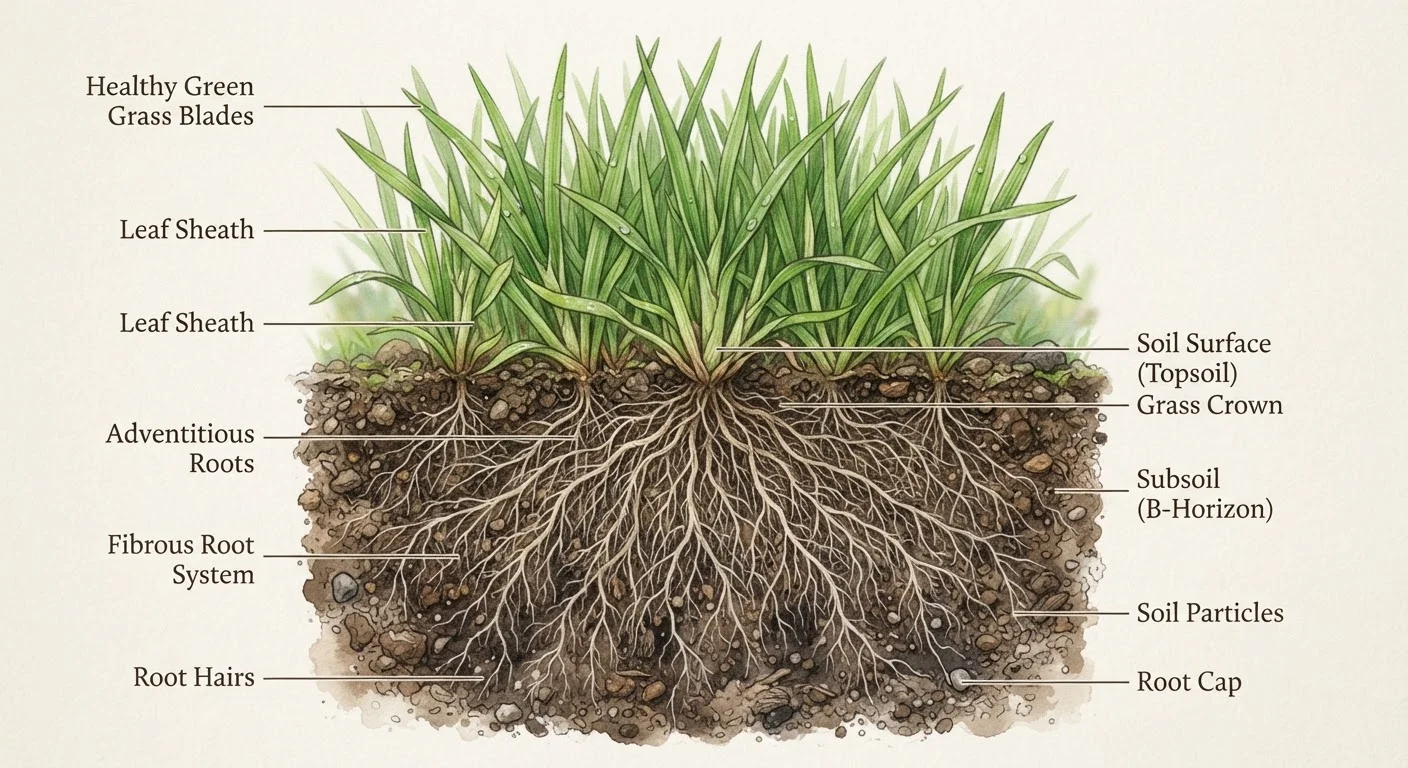
Roots grow where water is available. That's not a metaphor - it's plant physiology. When you water your lawn lightly every day, moisture stays concentrated in the top inch or two of soil. Roots have no reason to venture deeper, so they don't. The result is a shallow, dense mat of roots that sits just below the surface, fully exposed to summer heat and quick to wilt the moment you skip a day.
Deep, infrequent watering changes that equation. When water penetrates six to eight inches into the soil, roots follow the moisture gradient downward. Deeper roots access cooler soil temperatures, retain moisture longer between sessions, and anchor the plant more securely. This is the core principle behind the practice - and it applies equally to turf grass, ornamental plants, and vegetable gardens.
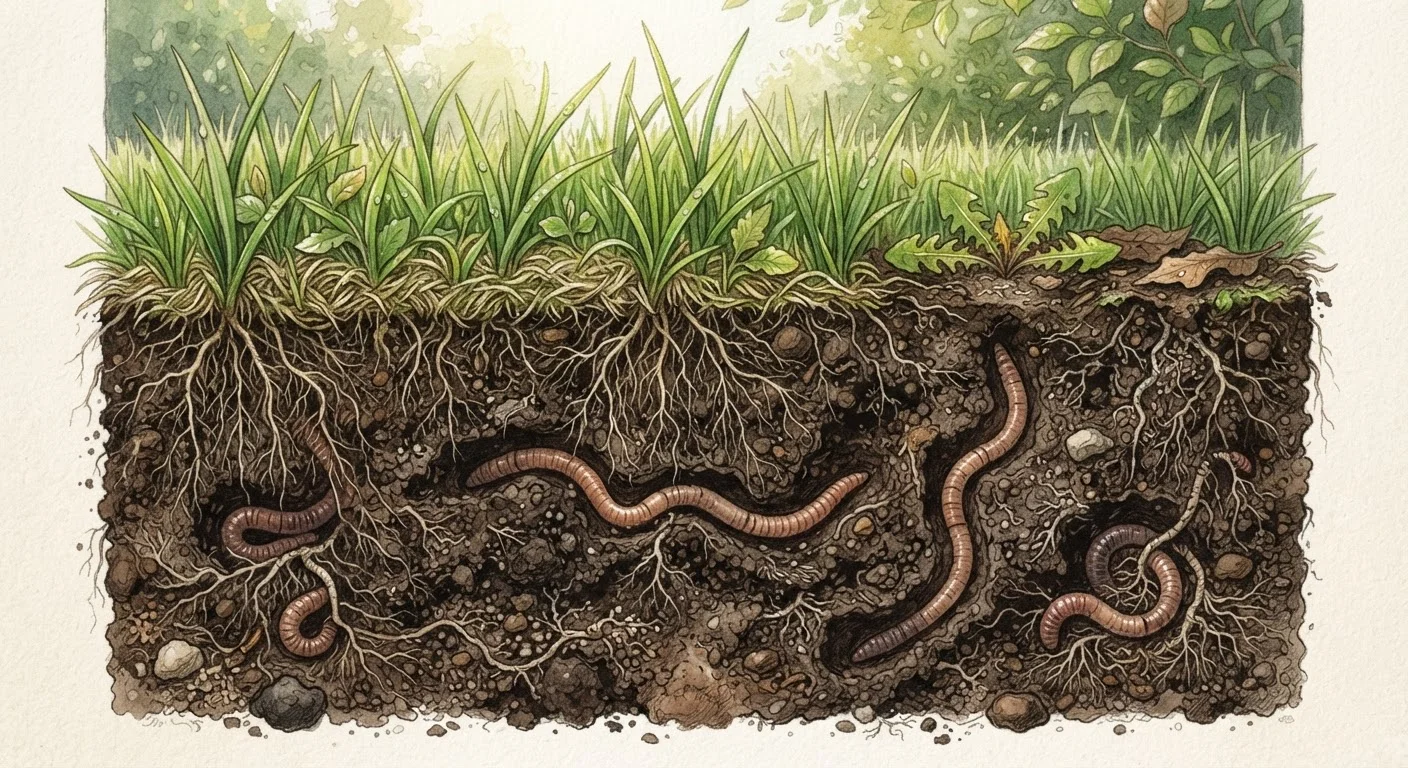
Understanding what your soil is actually made of matters here. Soil composition directly affects how fast water moves through the profile. Sandy soils drain quickly and may need slightly more frequent deep watering. Clay soils absorb water slowly and benefit from a pulse-and-soak approach - watering in intervals to let absorption catch up before runoff occurs.
| Criterion | Frequent Shallow Watering | Deep, Infrequent Watering |
|---|---|---|
| Typical frequency | Daily or every other day | 1-2 times per week |
| Soil penetration depth | 1-2 inches | 6-8 inches |
| Root depth produced | Shallow (surface-level) | Deep and anchored |
| Drought tolerance | Low - wilts quickly | High - resilient in heat |
| Water efficiency | Lower (evaporation loss) | Higher (less surface loss) |
| Best for | New seeds and fresh sod | Established lawns and gardens |
| Fungal disease risk | Higher with evening watering | Lower with morning sessions |
What the Research Actually Shows
Turfgrass science consistently supports the deep-and-infrequent model for established lawns. Studies from land-grant university extension programs - including those from institutions like the University of California and Colorado State University - find that irrigation frequency has a measurable effect on rooting depth, with shallower watering producing roots that extend just one to two inches, compared to four to six inches or more under deeper regimes.
The practical threshold most turf researchers cite: lawns generally need about one inch of water per week (from rain or irrigation combined), applied in one or two sessions rather than spread across seven days. That inch should wet the soil to a depth of six to eight inches for most turf varieties. To check penetration, push a screwdriver or soil probe into the ground after watering - it should slide in easily to that depth in moist soil.
1 inch
Weekly water need for most established turf
University extension programs broadly agree that one inch per week - from rain or irrigation combined - meets the needs of most cool- and warm-season grasses.
6-8 inches
Target soil moisture depth after watering
Wetting soil to this depth encourages roots to grow downward, improving drought tolerance and overall lawn resilience.
Up to 50%
Water lost to evaporation from midday irrigation
Irrigating during peak afternoon heat can lose a significant portion of applied water before it reaches the root zone, according to cooperative extension research.
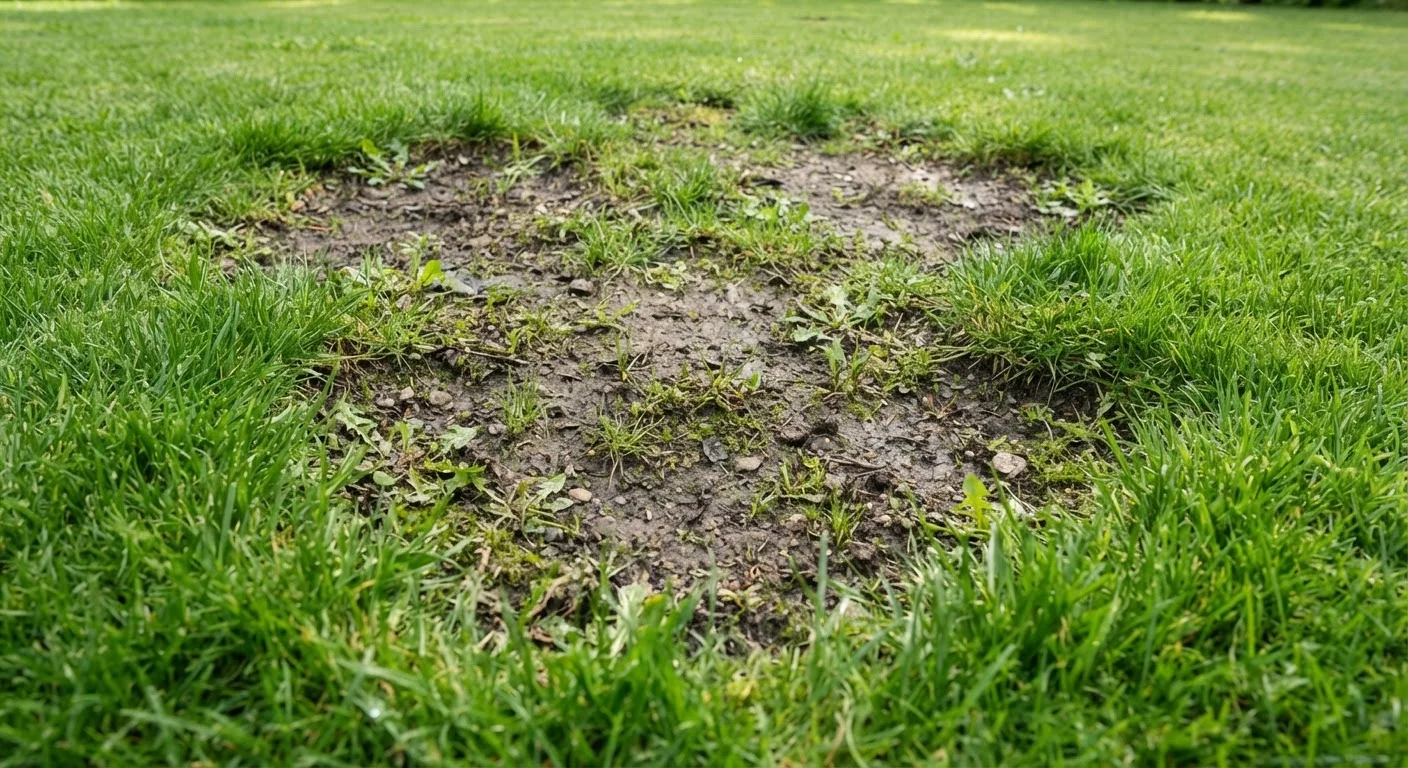
There's also an important footnote here: the deep-and-infrequent rule applies to established lawns. Newly seeded areas are an exception - germinating seeds require consistent surface moisture and cannot afford to dry out between waterings. The same applies to fresh sod during the first few weeks of establishment. Once roots anchor, the approach should shift. If your lawn is showing irregular thin patches, the problem may be more complex than watering alone - patchy growth has several common causes worth ruling out systematically.
Putting It Into Practice: Timing, Duration, and Adjustment
Watering in the early morning - roughly between 5 a.m. and 9 a.m. - remains the most widely recommended window. Temperatures are cooler, wind is typically calmer, and grass blades have time to dry before evening, which reduces the risk of fungal disease. Evening watering leaves foliage wet overnight, creating conditions where diseases like dollar spot and brown patch thrive.
How long should you run your sprinkler or irrigation system to deliver an inch? That depends on your equipment output. A simple way to measure: set several shallow, flat-bottomed cans (like tuna tins) across the lawn and run your sprinkler for 30 minutes. Measure the water collected - that tells you your system's output rate, so you can calculate total run time needed.
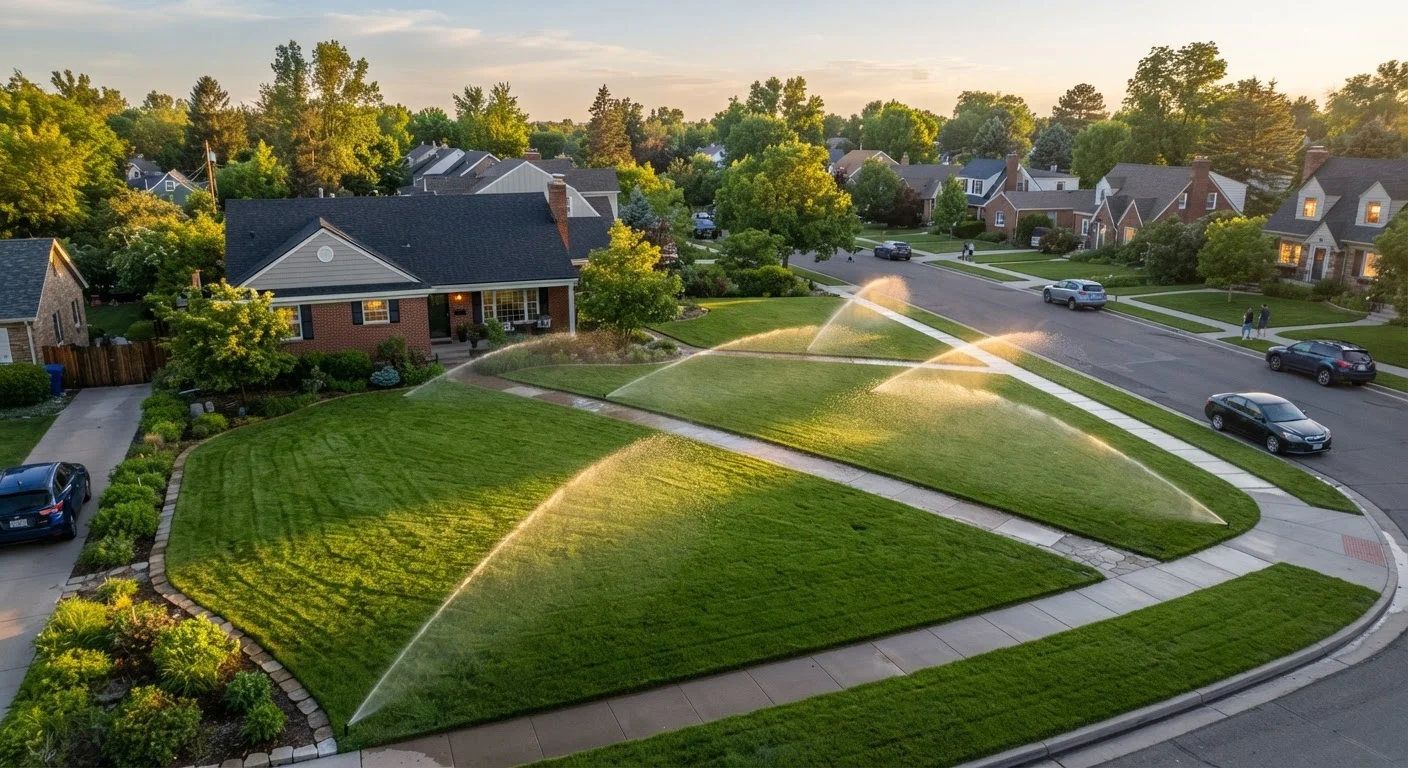
If you're considering a permanent irrigation system, it's worth understanding the trade-offs involved. Installed irrigation offers real convenience, but also requires maintenance and upfront investment. A well-programmed timer on a basic sprinkler can achieve the same deep-watering discipline at a fraction of the cost.
For lawns with compaction issues, water penetration may be limited regardless of session length. Aeration can meaningfully improve water infiltration in compacted soils, making deep watering more effective and reducing runoff. And if you've been told that daily watering is always better for your lawn, it's worth revisiting that assumption - several popular lawn care beliefs don't hold up under scrutiny.