What Aeration Actually Does to Your Soil
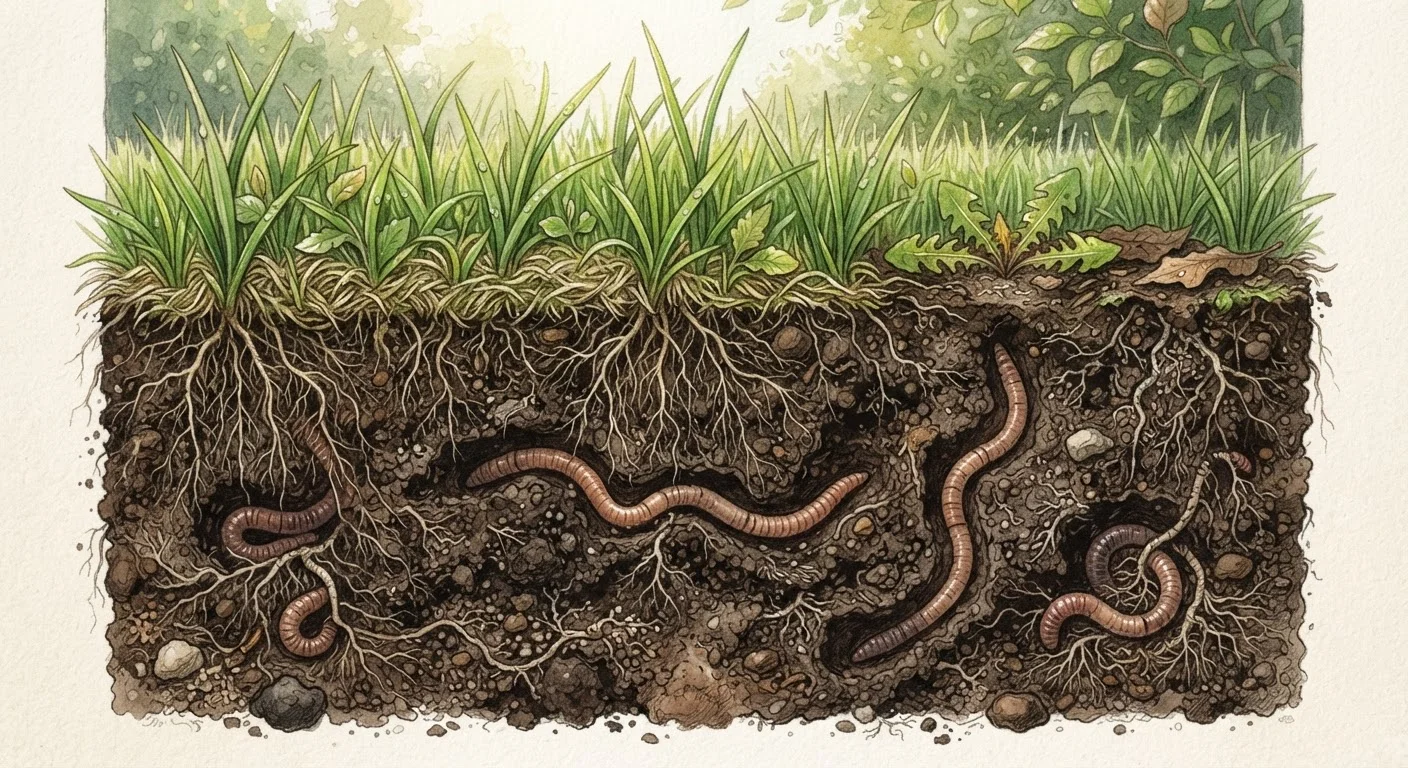
When soil becomes compacted - pressed together from foot traffic, heavy equipment, or repeated rainfall - the pore spaces between soil particles shrink. Those tiny spaces are where oxygen, water, and nutrients travel down to your grass roots. Compaction closes them off, and your lawn gradually suffers: roots stay shallow, water runs off the surface, and fertilizers sit near the top instead of reaching the root zone.
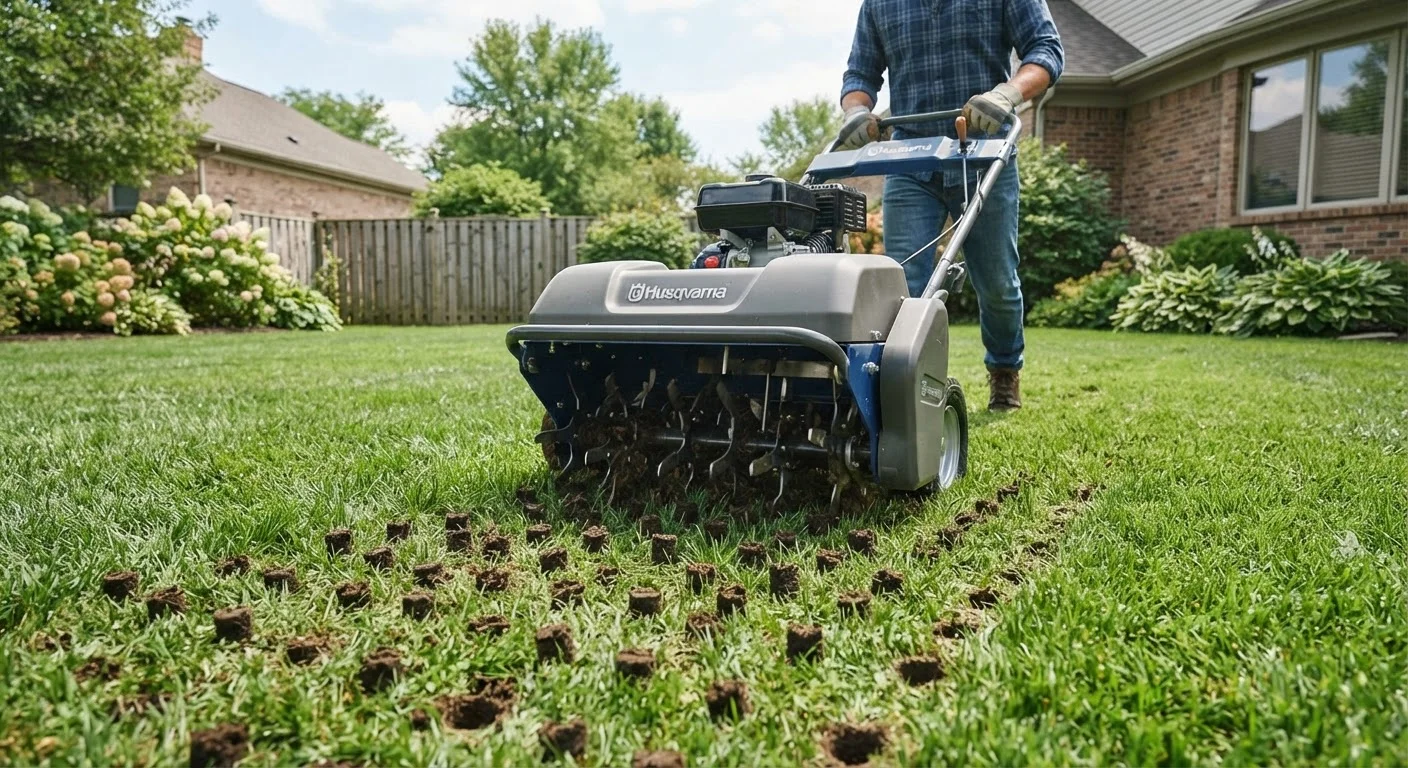
Core aeration physically opens the soil back up. The machine extracts cylindrical plugs - typically about 2-3 inches deep - at regular intervals across the lawn. The resulting channels act like pressure-relief valves, allowing everything the roots need to penetrate deeply. Microbial activity also increases in aerated soil, which helps break down thatch and improves the lawn's overall biological health.
For a deeper look at the soil properties that underpin a healthy lawn, see our guide to soil health. Understanding what your lawn is actually growing in makes it far easier to diagnose whether aeration is the right next step.
~1 inch
Thatch thickness that signals a problem
Lawn care specialists generally consider thatch layers exceeding 1 inch to be damaging; core aeration can help manage moderate buildup before it reaches that level.
2-3 inches
Typical core aeration depth
Most core aerator machines extract plugs 2-3 inches deep, targeting the zone where the greatest soil compaction and root activity intersect.
1-2 weeks
Time for soil plugs to break down naturally
Soil plugs left on the lawn surface after core aeration typically decompose within one to two weeks, depending on moisture and temperature.
Lawns That Benefit Most from Aeration
Aeration is not a universal fix - it delivers the most measurable results in specific situations:
- Clay-heavy soils: Clay particles pack together tightly, making compaction far more common than in sandy or loamy soils. If you live in parts of the Midwest, Southeast, or mid-Atlantic where clay soils are prevalent, annual aeration is often warranted.
- High-traffic areas: Lawns used regularly for sports, play, or outdoor entertaining become compacted quickly. Even a single season of heavy foot traffic can measurably reduce soil oxygen levels.
- Lawns with thick thatch: A thatch layer over half an inch can prevent water and nutrients from reaching soil. Aeration promotes the microbial breakdown of thatch without the aggressive disruption of power raking.
- Newly established lawns on disturbed soil: Construction sites and graded lots often have heavily compacted subsoil brought to the surface. Even if grass establishes, roots may struggle to penetrate below the compacted zone.
If your lawn shows thin, patchy growth despite adequate watering and fertilizing, compaction may be the underlying cause. Our complete lawn care guide covers how to evaluate your lawn's overall condition before reaching for solutions.
Quick Compaction Check Before You Aerate
Before renting an aerator, do a simple screwdriver test: push a standard screwdriver into moist lawn soil. If it meets firm resistance within the first 2-3 inches, your soil is likely compacted enough to benefit from aeration. If it slides in easily, aeration may not be necessary right now.
When Aeration Is Unnecessary - or Counterproductive
Just as important as knowing when to aerate is knowing when not to. Aerating a lawn that doesn't need it wastes time, money on equipment rental, and puts unnecessary stress on the turf.
- Sandy soils: Sandy soil already drains freely and rarely compacts significantly. Aerating it provides little benefit and can temporarily disrupt the surface.
- Newly seeded or sodded lawns: A lawn less than one year old has not yet developed the root system and turf density needed to recover from aeration. Wait until the lawn is well established.
- Drought-stressed or dormant turf: Aerating when the lawn is under heat or drought stress opens wounds it cannot heal quickly. Always time aeration to coincide with the lawn's active growing period.
- Lawns recently aerated: Annual aeration is sufficient for most lawns; more frequent aeration may cause more harm than good to root integrity.
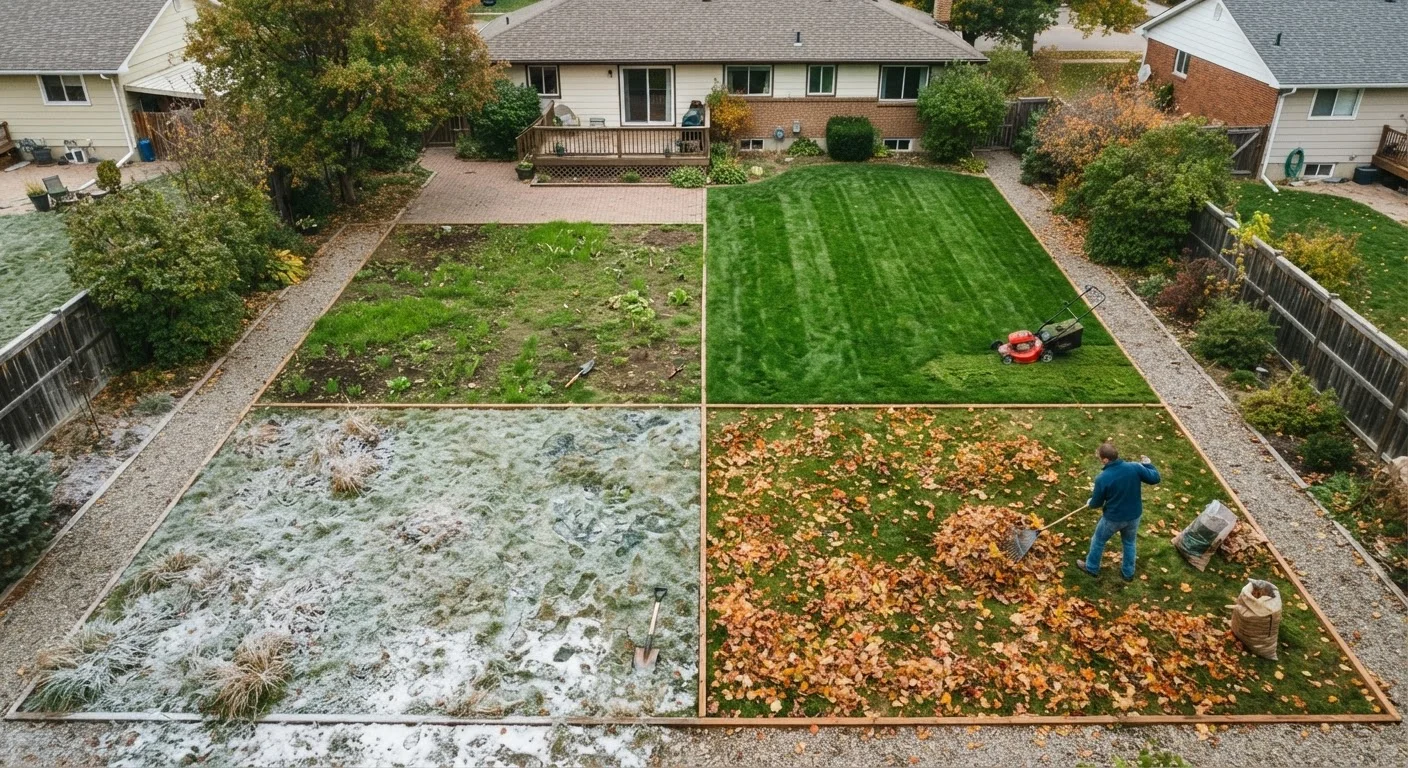
Timing also matters enormously. For cool-season grasses, fall aeration aligns with the grass's strongest recovery window before winter. For warm-season varieties, late spring works best. Our season-by-season lawn care calendar can help you slot aeration into the right month for your grass type and region.
Getting the Most from Aeration
Aeration's benefits compound when paired with other lawn care practices done at the same time:
- Overseeding: The open channels created by core aeration are ideal seed-to-soil contact points. Broadcasting grass seed immediately after aerating - particularly in fall for cool-season lawns - significantly improves germination rates.
- Fertilizing: Nutrients applied after aeration reach the root zone more directly, making fertilizer more efficient. Consider a soil test first to apply only what the lawn actually needs.
- Deep watering: After aeration, the soil is primed to absorb water more deeply. This is an excellent time to reinforce deep, infrequent watering habits. Learn why that matters with our article on watering deeply vs. watering often.
“Compaction is one of the most underappreciated problems in home lawn care. Homeowners add fertilizer, water diligently, and wonder why the grass still looks poor - but if the soil is compacted, none of those inputs can do their job.”
— Turfgrass Extension Specialist, University cooperative extension service, Midwest region
For DIY aeration, core aerator machines are widely available for rent at equipment and home improvement rental centers. Walk-behind models handle most residential lawns effectively. Ensure the soil is moist - but not saturated - before you begin, and plan to make two passes in perpendicular directions for thorough coverage.
This article is for general informational purposes only. Local soil conditions, grass species, and climate vary widely. Consult your local cooperative extension service for region-specific lawn care guidance.