Patchy Lawns Are a Symptom, Not a Mystery
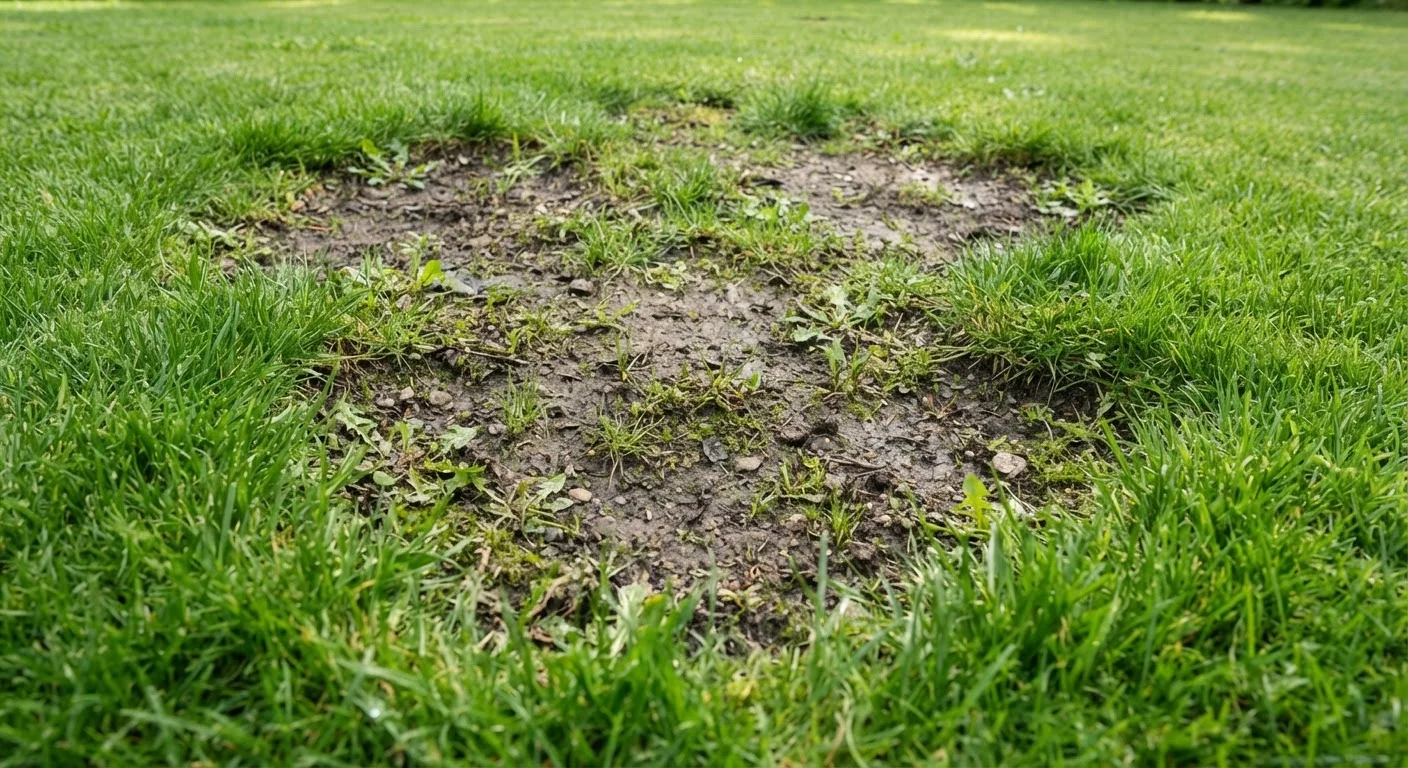
A lawn that looks uneven, thin, or dotted with bare spots is one of the most common frustrations American homeowners face. It's tempting to blame the grass seed, the weather, or plain bad luck - but patchy turf is almost always the result of a specific, identifiable problem. More often than not, it traces back to something happening at or just below the soil surface.
Before you reach for a bag of seed or schedule a landscaping crew, it's worth understanding what's actually driving the patchiness in your yard. Treating the symptom without addressing the cause means the bare spots will return, season after season. This guide walks through the most common mistakes that lead to uneven turf - and how to course-correct each one.
For a broader foundation on keeping your grass healthy year-round, see The Complete Guide to Starting and Sustaining a Home Lawn.
Common Mistakes That Cause Patchy Grass
The following errors are the most frequent causes of bare spots and thinning turf in American lawns. Recognizing which one applies to your yard is the first step toward a lasting fix.
Mowing too short, too often - a practice called scalping - removes the leaf blade that grass needs to photosynthesize and stay healthy.
Why it happens: Many homeowners assume shorter grass means less frequent mowing, or that a closely cropped look is more manicured. Both assumptions lead to cutting below the recommended height for the grass type.
Overwatering or underwatering creates stress conditions where grass thins, roots shallow, and bare patches develop.
Why it happens: Homeowners often water on a fixed schedule rather than based on soil moisture, leading to either soggy, oxygen-deprived root zones or drought stress during dry spells.
Allowing thatch - a dense layer of dead organic matter - to accumulate above half an inch blocks water, air, and nutrients from reaching the soil.
Why it happens: Thatch builds up gradually and isn't visible until it becomes a serious problem. Homeowners often don't know to check for it or mistake it for dry grass.
Planting or maintaining a grass type that doesn't match your regional climate or sun conditions results in turf that chronically struggles and thins.
Why it happens: Homeowners sometimes choose grass based on appearance or price rather than regional suitability, or they try to grow full-sun varieties in heavily shaded yards.
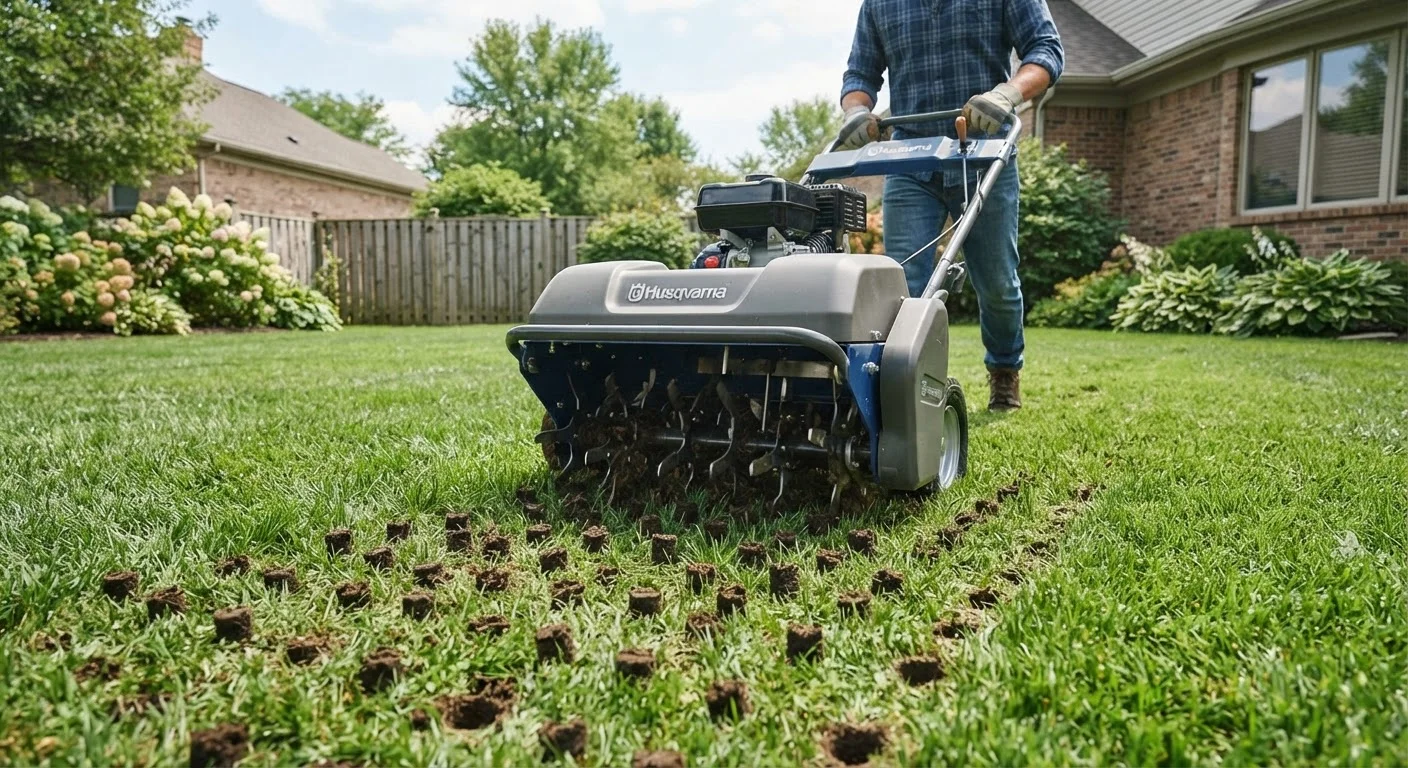
Ignoring soil compaction in high-traffic areas prevents roots from penetrating and causes grass to die off in worn paths and play zones.
Why it happens: Compaction builds up slowly under foot traffic, lawn equipment, and clay-heavy soil conditions. It's rarely noticed until grass is already visibly failing.
Don't Reseed Before Fixing the Root Cause
Spreading grass seed over a patch without addressing what killed the grass there in the first place is a common and costly error. New seedlings planted into compacted soil, poor drainage, or deep shade face the same conditions that stressed the original turf. Always identify and correct the underlying problem first - whether that's aerating, adjusting drainage, or trimming back tree canopy - before investing in seed or sod.
How to Diagnose the Right Problem Before You Repair
Rushing into repairs - especially overseeding or laying new sod - without first diagnosing the underlying issue is one of the costliest mistakes homeowners make. New grass planted into compacted, waterlogged, or heavily shaded soil faces the same hostile conditions that killed the original turf.
~40%
Lawn failures linked to soil problems
Turfgrass specialists and university extension programs commonly attribute a significant share of persistent lawn issues to underlying soil conditions rather than grass genetics or climate alone.
0.5 inches
Maximum healthy thatch depth
Most turfgrass guidelines recommend keeping thatch layers at or below half an inch - beyond that, water and nutrient penetration becomes significantly reduced.
Start by observing the pattern of the patchiness. Patches in high-traffic corridors suggest compaction. Thin, yellowing grass in low spots often points to drainage issues. Bare areas under or near trees are almost always shade-related, especially if the soil is also dry and root-dense. Irregular brown patches that seem to spread can indicate fungal disease or pest activity, both of which warrant closer inspection before any replanting.
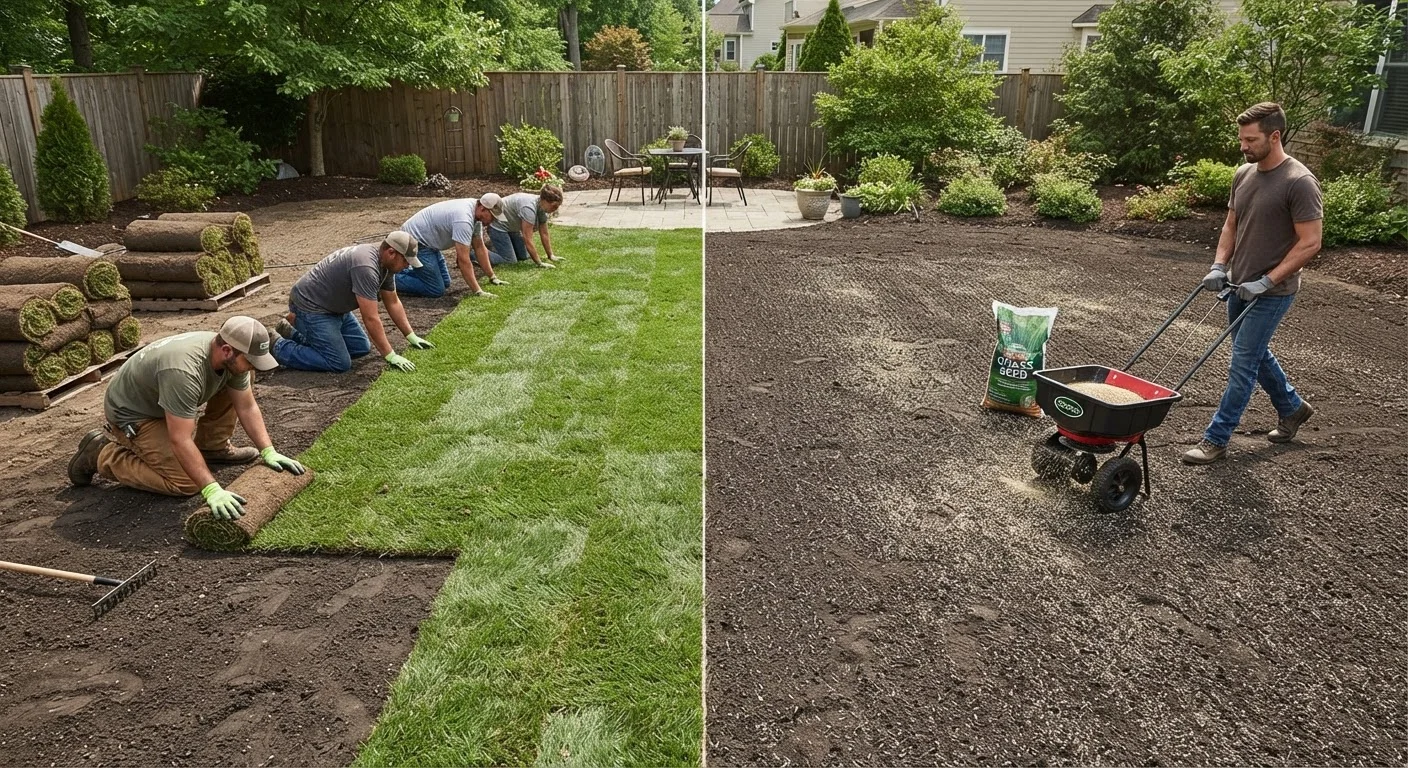
Once you've identified the cause, you can choose the right repair method. In some cases, reseeding is appropriate; in others, sod makes more sense. Our article on Grass Seed vs. Sod breaks down when each approach is the better fit. If compaction is a factor, you may also want to explore lawn aeration before replanting - it can dramatically improve the odds of new grass taking hold.
A simple soil test, available through most local cooperative extension offices, can reveal pH and nutrient deficiencies that a visual inspection will miss entirely. Most tests cost very little and return results that can guide your fertilizer and amendment strategy for the entire season.