The Definition Most People Are Working With (and Why It Falls Short)
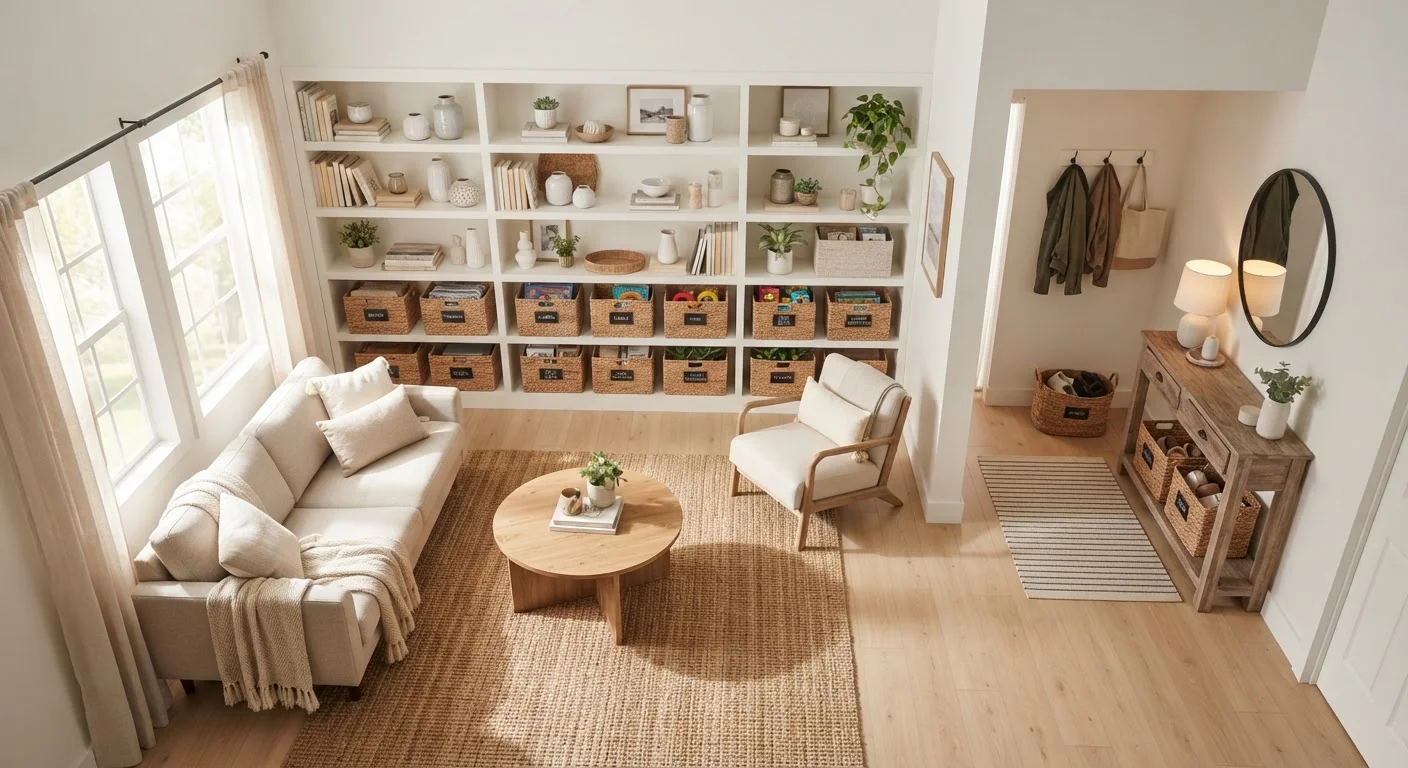
Ask most people what an organized home looks like, and they'll describe something visual: straight lines, matching containers, labeled shelves, surfaces cleared of everything. That image - popularized by social media and home makeover content - sets a standard that's beautiful in photos but often impractical in real life.
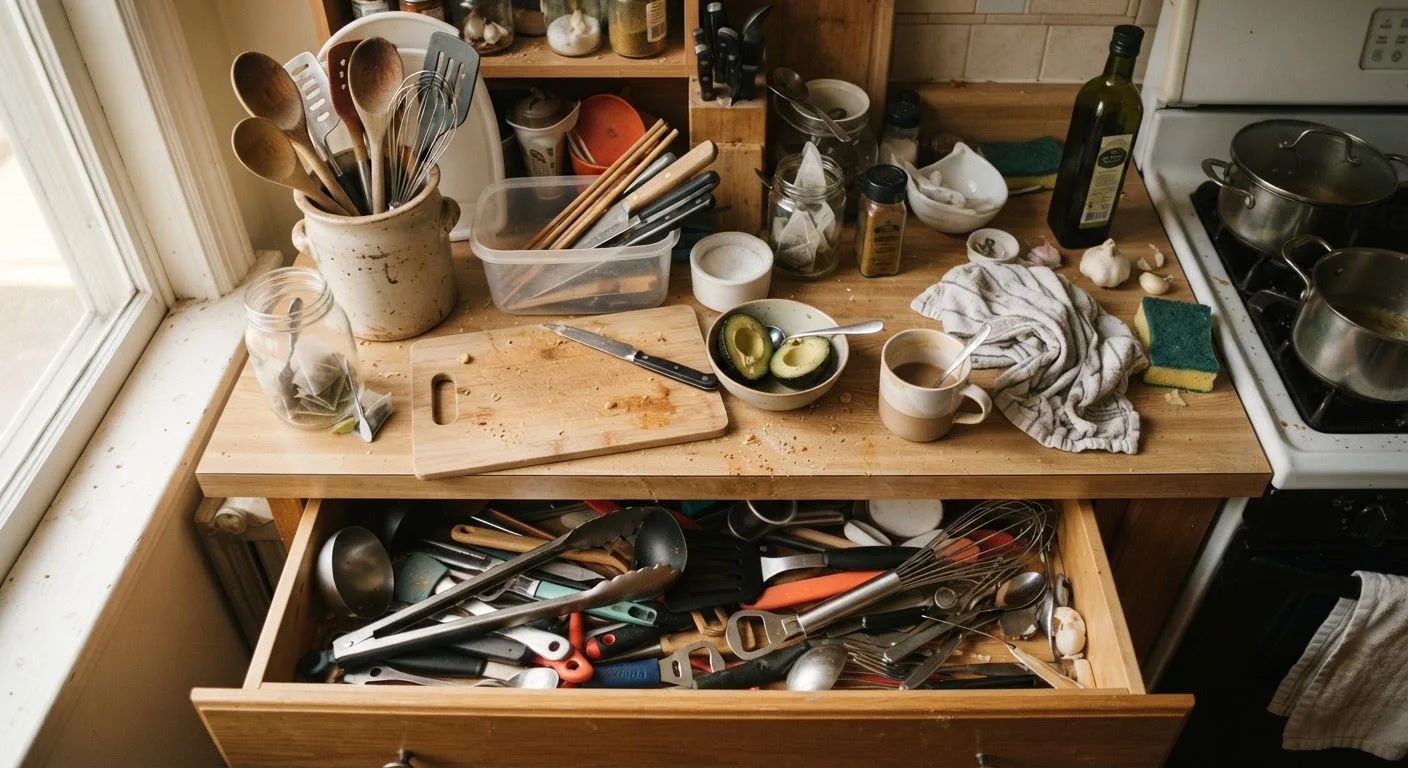
The problem is that visual tidiness and functional organization are not the same thing. A kitchen where every utensil is hidden behind cabinet doors may look spotless but leave the cook constantly rummaging. A mudroom with a complex labeling system may collapse the moment a child doesn't read the labels. When the system prioritizes appearance over use, it rarely lasts.
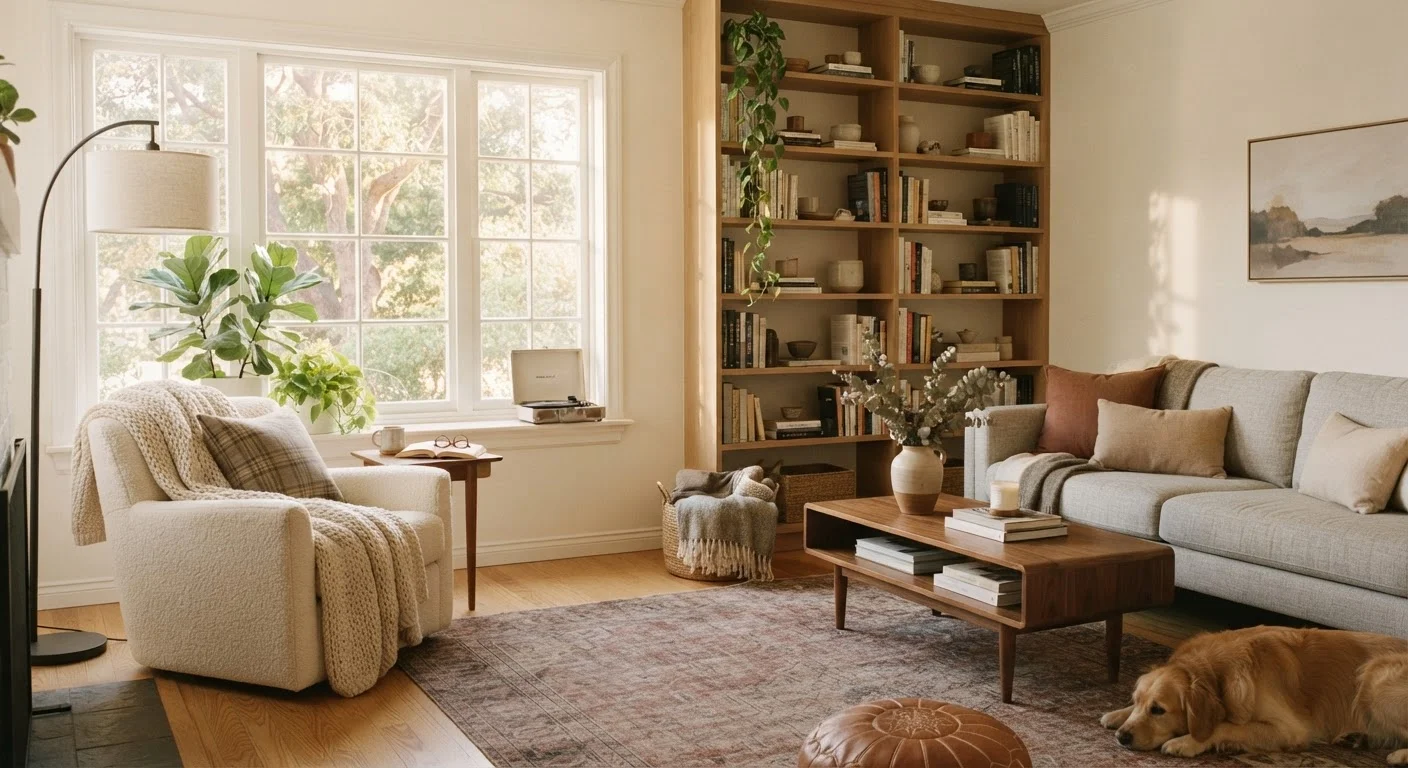
The more useful definition is this: a home is organized when its layout and storage systems reliably support your daily routines. That means things are where you expect them, returns are easy, and maintaining the space doesn't require exceptional effort. It also means the definition is personal - shaped by the people who live there, not by an external aesthetic standard.
Tidying and Organizing Are Not the Same
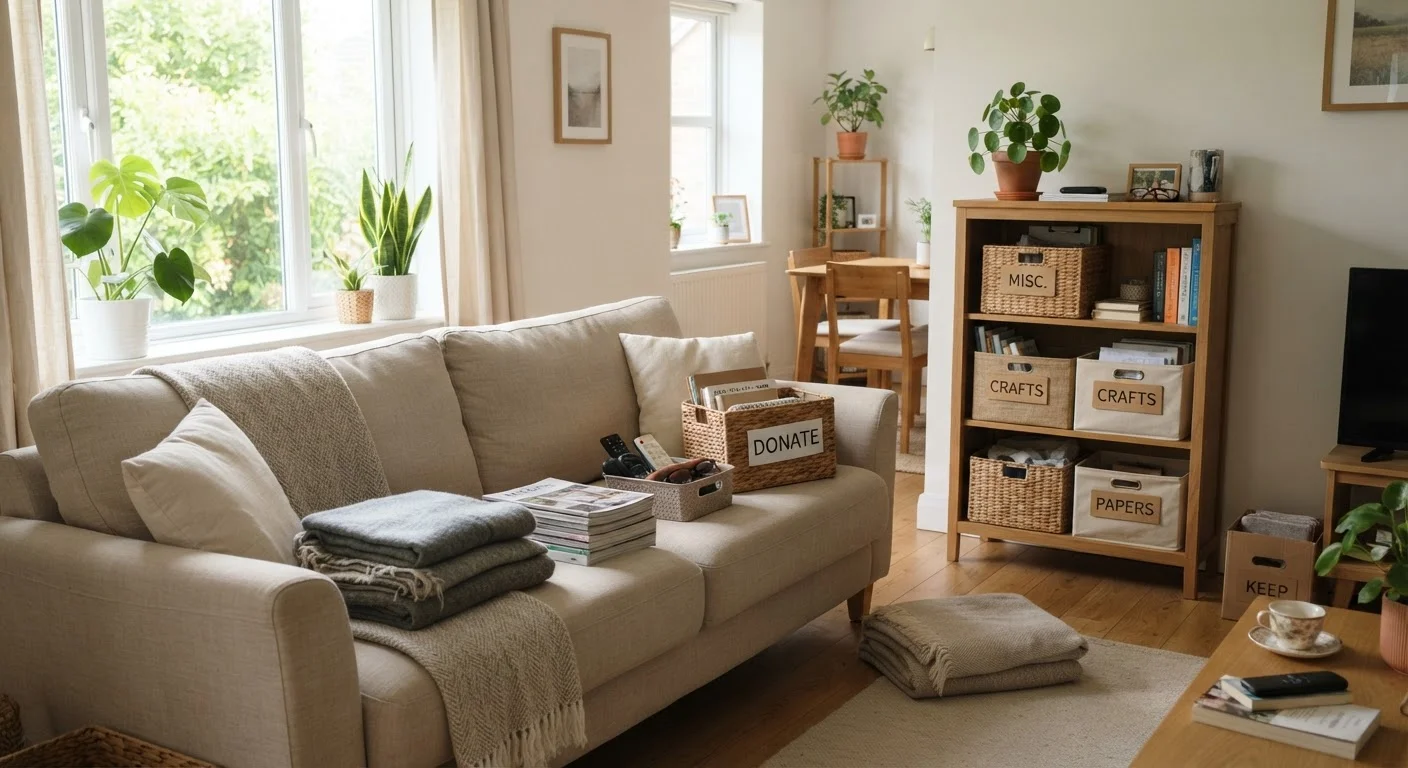
Tidying is the act of moving things to make a space look neater in the moment. Organizing is the process of creating a repeatable system so that tidying becomes easy and infrequent. Many people tidy regularly but never actually organize - which is why the same spaces keep getting messy.
What Functional Organization Actually Looks Like
Functional organization has a few consistent markers, regardless of home size or lifestyle:
- Items live where they're used. The scissors are near the wrapping supplies. The dog leash is by the door. When storage locations reflect actual use patterns, putting things back becomes the path of least resistance.
- The system is easy to reset. A good organizational system can be restored to baseline in minutes, not hours. If maintaining order requires a major effort, the system is probably too complex.
- It accounts for real habits, not ideal ones. Many people intend to file papers immediately. Fewer actually do. A functional system might include a small inbox tray that gets sorted weekly - a realistic middle ground rather than a perfect process that never sticks.
This is why room-by-room evaluation tends to be so effective. Each space has distinct use patterns, traffic flow, and storage needs. Our room-by-room organization framework walks through how to apply this thinking practically, from entryways to garages.
Test Your System Before Committing to It
Before investing in new storage containers or furniture, live with a trial setup for one to two weeks. If items are consistently returned to their designated spots without prompting, the system is working. If not, adjust the location or method before locking it in permanently.
Why Most Organization Attempts Don't Stick
The most common reason an organized space reverts to chaos isn't lack of motivation - it's a system mismatch. When the storage solution doesn't align with how people naturally behave in that space, the effort required to maintain it is too high to sustain.
Consider the common belief that more storage bins solve clutter. In reality, bins can make the underlying problem worse by adding a layer of concealment without addressing why items accumulate. Our article on home organization myths examines several of these patterns in detail.
Shared households add another layer of complexity. When people have different tidiness thresholds or different ideas about where things belong, no single system works unless everyone can follow it with minimal friction. That means simpler systems - fewer steps, more obvious homes for items - tend to outperform elaborate ones. For households navigating this, organizing a home with different habits offers practical guidance.
~23 min
Average time Americans spend looking for lost items daily
Various time-use and productivity research suggests Americans lose significant daily time searching for misplaced belongings, a primary driver of organizational effort.
80%
Of clutter is caused by disorganization, not lack of space
Professional organizers and home efficiency researchers commonly cite disorganized systems - not insufficient storage square footage - as the root cause of most household clutter.
Redefining 'Organized' for Your Own Home
The shift from a visual to a functional definition of organization changes what success looks like. Instead of asking "Does this look tidy?", the better questions are:
- Can every person in this household find what they need without asking someone else?
- Does returning items to their place take more effort than leaving them out?
- Are there recurring problem spots - surfaces, drawers, zones - that always seem to attract clutter?
Those recurring problem spots are usually signals of a system gap, not personal failure. Understanding the vocabulary of organization can also help - concepts like "prime real estate storage" (reserving the most accessible spots for most-used items) make a real difference. Our glossary of home organizing terms is a useful companion reference.
Ultimately, an organized home is one that works for the people living in it - even if it doesn't match any particular aesthetic. That's not a lower standard. It's a more honest and durable one.
“Clutter is not just physical stuff. It's old ideas, toxic relationships, and bad habits. Clutter is anything that does not support your better self.”
— Eleanor Brownn, Author and motivational speaker on personal growth and simplicity