What Labeling Systems Actually Do
At their core, labeling systems reduce the mental load of locating and returning items. Instead of remembering where something goes, a label offloads that memory to the space itself. This is especially useful in shared households, where individual mental maps differ and items regularly end up in the wrong place.
But labels do something else, too - they signal intention. A labeled bin communicates that a system exists and that items belong in specific spots. That social function is underrated: in homes with children or multiple adults, labeled spaces set a shared expectation without requiring a conversation every time something needs to be put away.
For a deeper look at how labeling fits into broader organizational strategy, the room-by-room home organization framework covers how to build systems that integrate labeling at the right stage - not as a first step, but after you've sorted and assigned homes to items.
The Real Advantages of a Good Label System
When applied thoughtfully, labeling delivers concrete, lasting benefits across several areas of the home.
Reduces daily decision fatigue in shared spaces
When labels define where items belong, household members don't have to guess or ask - they simply follow the system. This is especially valuable in high-traffic areas like pantries and mudrooms.
Keeps multi-person households consistently organized
Labels set a shared standard without requiring ongoing reminders. Children and partners are more likely to return items correctly when the expectation is visually clear.
Makes inventory management easier and faster
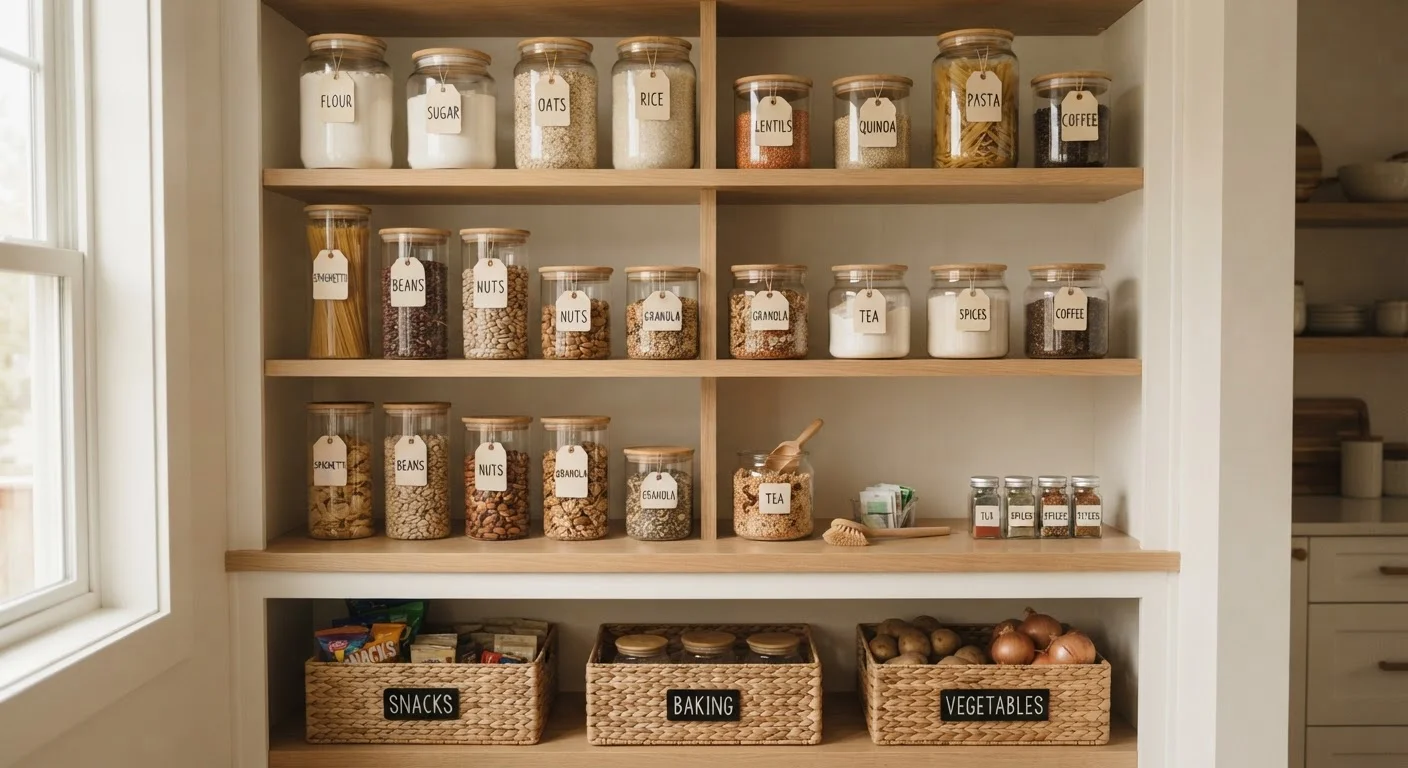
Labeled pantry storage lets you see at a glance what you have and what needs restocking, reducing duplicate purchases and expired-item waste.
Speeds up retrieval for infrequently accessed items
Seasonal storage bins, archive files, and utility shelves are much faster to navigate when clearly labeled - especially when you're looking for something you haven't touched in months.
Supports children's independence and responsibility
Picture-based or simple text labels in kids' rooms and playrooms help children put things away without adult guidance, building organizational habits early.
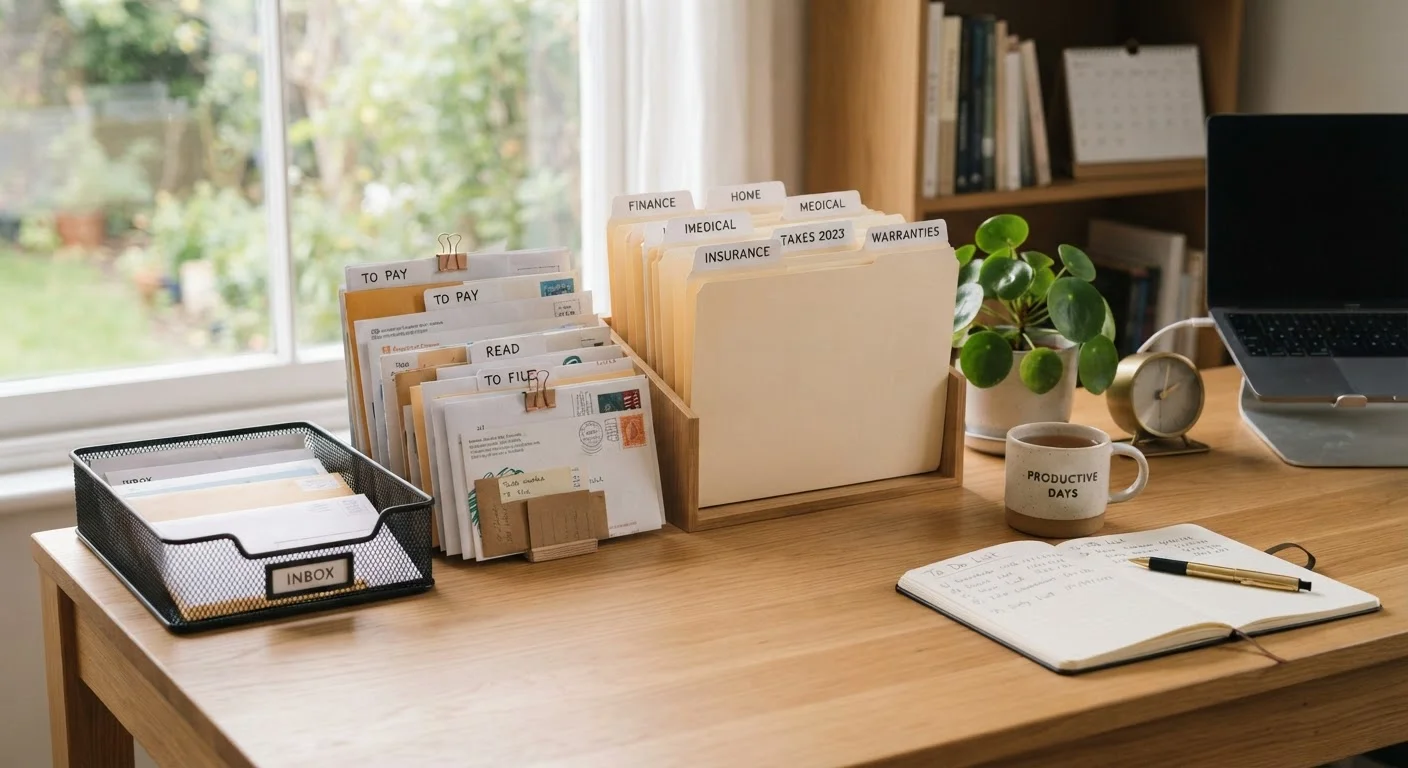
The pantry is where labeling tends to shine brightest - decanted dry goods, labeled by content and sometimes expiration date, make cooking faster and grocery shopping more accurate. Similarly, a labeled filing system for mail and documents removes the anxiety of wondering where to look when you need something urgently. If paper accumulation is already a challenge in your home, the paper clutter management system pairs naturally with a labeled folder or inbox approach.
Where Labeling Systems Fall Apart
The cons of labeling are rarely about the labels themselves - they're about mismatch between the system and real household behavior.
Time-intensive to set up and maintain correctly
A thorough labeling project - measuring, designing, printing, and applying - can take a full weekend. If categories shift or items move, relabeling adds ongoing effort many households don't sustain.
Creates rigid structure that resists natural change
Permanently labeled spaces can feel like a commitment, making it harder to reorganize when the household's needs shift. This friction often leads to items being placed outside their labeled home rather than the label being updated.
Appearance-focused systems often lack function
Elaborate matching label sets can prioritize aesthetics over usability. If the font is hard to read or the categories don't reflect how the household actually thinks about items, the system quietly fails.
Can substitute for actual organizational thinking
Applying labels to a space that hasn't been properly sorted first embeds disorder rather than fixing it. Labels name categories - they don't create logical ones.
Low adoption rate when created by only one person
If the labeling logic reflects one person's organizational style, other household members may not follow it intuitively, leading to the system being undermined within days.
One common pattern: a household member spends a weekend creating a beautiful label system, only for others to ignore the categories entirely because nobody agreed on the logic. This is especially common in kitchens. If your pantry keeps reverting to chaos despite previous tidying efforts, why your kitchen keeps getting disorganized explains why the underlying system - not labeling alone - often needs rethinking first.
Labels can also create false permanence. Once something is labeled, it feels fixed - which works against the natural evolution of how a household uses its space. Seasonal items, growing children's needs, and shifting routines all mean that yesterday's perfect label is today's obstacle.
When Temporary Labels Are the Right Move
Before committing to a permanent label system, consider using painter's tape and a marker for four to six weeks. This low-effort approach lets you test whether the categories make sense in practice before investing in a printed or engraved solution. Many households find that temporary labels evolve meaningfully during this trial period - revealing categories that need splitting, combining, or renaming entirely.
Which Rooms Benefit Most - and Which Don't
Not every space needs a label. Here's a practical breakdown by area:
- Pantry and kitchen storage: High benefit. Multiple people retrieve items; consistent labeling reduces misplacement and prevents duplicate purchases.
- Kids' rooms and playrooms: High benefit, especially with picture labels for younger children who can't yet read category names.
- Garages and utility rooms: High benefit for bins and shelving with seasonal or infrequently accessed items.
- Home offices and filing systems: Moderate benefit. Labels help, but only once the filing categories themselves are logical and minimal.
- Personal closets used by one person: Low benefit. Most people develop their own spatial memory quickly without labels.
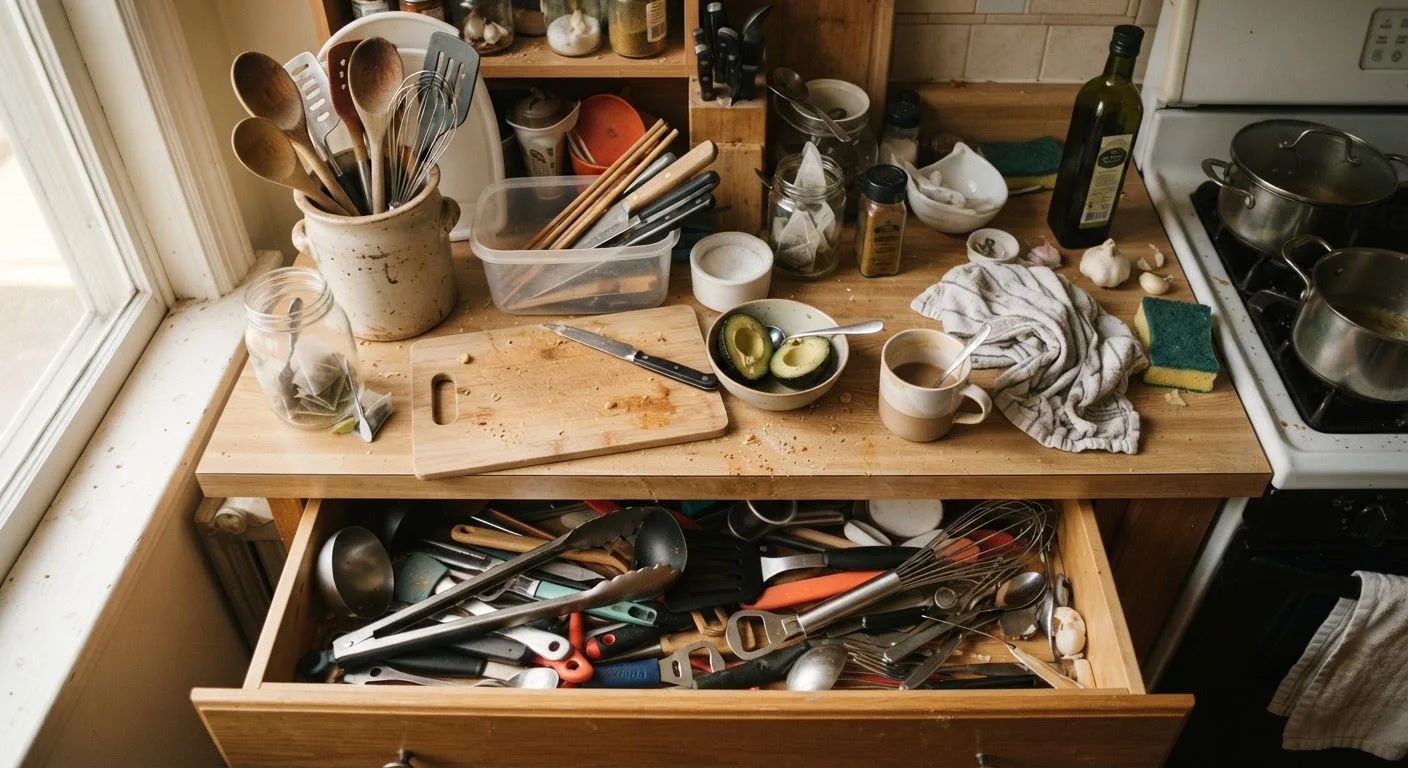
- Junk drawers: Generally low benefit - the nature of a catch-all space works against fixed categories.
In shared homes, the challenge isn't just labeling - it's agreeing on what the labels say. organizing a home when everyone has different habits addresses how to build systems that multiple people will actually follow, which is the prerequisite for any label system to stick.
1 in 4
U.S. households report difficulty finding stored items regularly
According to organizational behavior research, retrieval difficulty is one of the leading reasons people report feeling disorganized at home, suggesting labels address a genuine need in many households.
60-90 days
Typical timeframe to assess if a new system is sticking
Professional organizers generally recommend evaluating new systems after two to three months, when initial novelty has worn off and real usage patterns have emerged.
How to Build a Label System That Lasts
The most durable labeling systems share a few characteristics: they're simple, they were built after the sorting was done (not before), and they were tested before being made permanent.
- Sort first, label second. Labels applied before you've decided where things live permanently create confusion. Settle the organizational structure, live with it for a week, then label.
- Use the simplest format that works. Handwritten labels on painter's tape often outlast elaborate printed systems because they're easy to change. Permanent labels should only go on stable, long-term categories.
- Involve everyone who uses the space. If a label's logic only makes sense to you, others won't follow it. Use category names that reflect how your household talks about things, not organizational best practices.
- Start with one zone. Choose the area causing the most friction - often the pantry or a shared closet - and test the system there before expanding.
- Build in a review point. Plan to revisit your label system after 60-90 days. What's working? What's being ignored? Adjust accordingly.
It's also worth checking whether labeling is being used as a substitute for a deeper organizational rethink. common home organization myths includes a useful reminder that adding structure - whether bins, labels, or systems - doesn't solve an underlying problem with how items are acquired or stored.