What 'Connected Devices' Actually Means for This Audience
The phrase connected devices covers a wide range of products: smart speakers that respond to voice commands, wearables like smartwatches that track health metrics, dedicated medical alert systems with fall detection, video calling tablets, and smart home sensors that control lighting or door locks. For older adults, the most relevant of these tend to fall into three categories - communication tools, health and safety monitors, and home automation aids.
None of these categories are the same thing, and confusing them leads to mismatched expectations. A consumer smartwatch is not a substitute for a dedicated medical alert device. A smart speaker simplifies reminders and calls but cannot summon emergency services the same way a purpose-built personal emergency response system can. Understanding what each device category is actually designed to do is the necessary first step. Our guide to wearables vs. dedicated medical devices goes deeper on that distinction.
Practical Benefits Worth Knowing
When matched to genuine needs, connected devices can make a real difference in daily life for older adults.
Voice control removes physical barriers to daily tasks
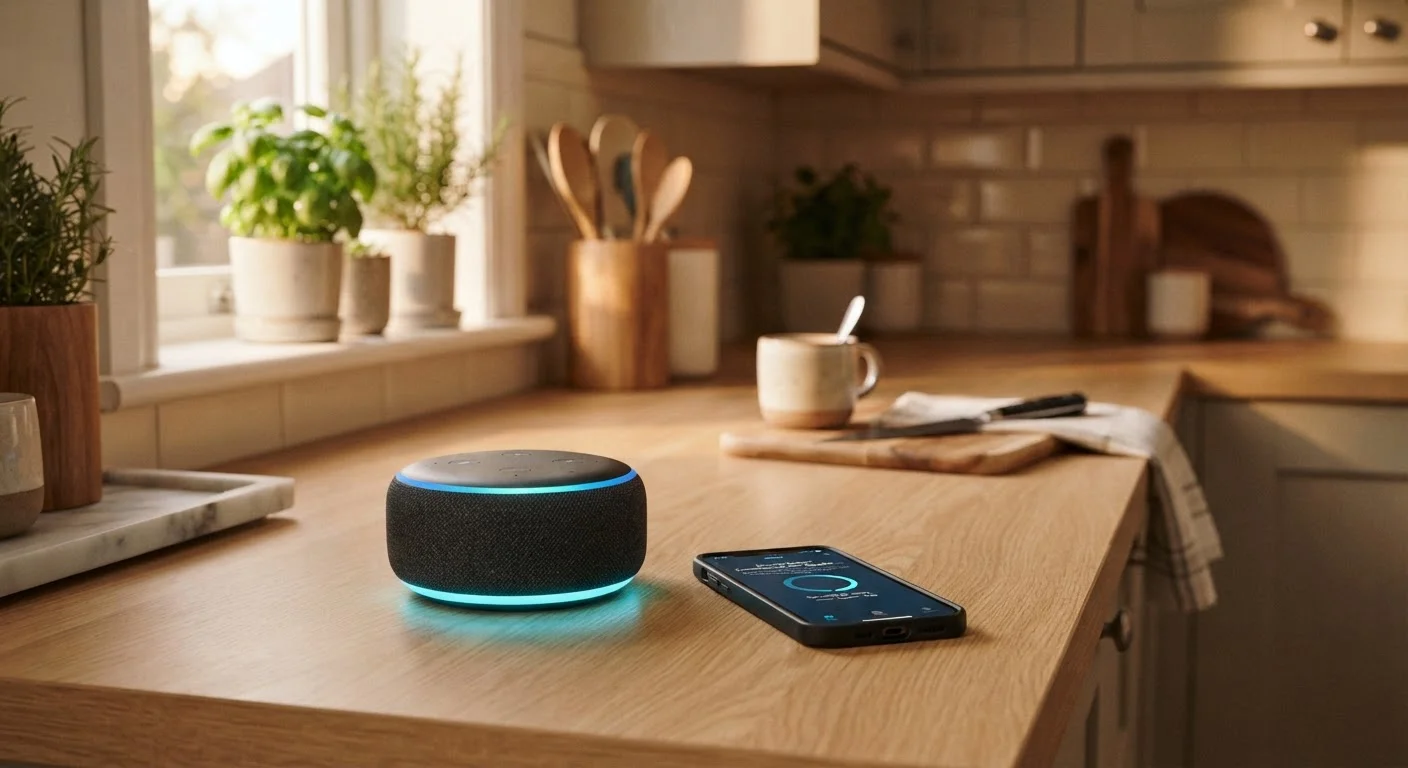
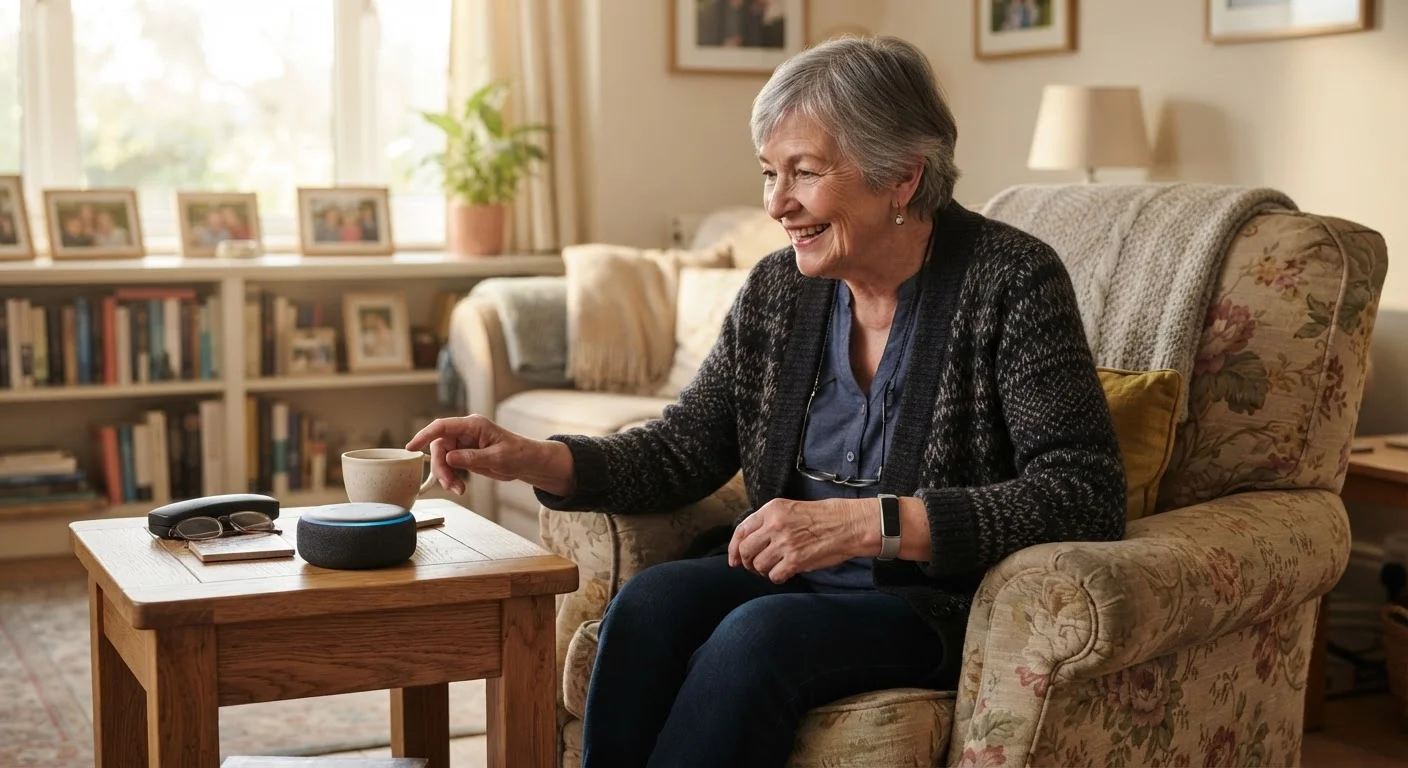
Older adults with arthritis, reduced dexterity, or vision impairment can operate smart speakers with spoken commands, eliminating the need to navigate small touchscreens or physical switches for lighting, calls, and reminders.
Fall detection can alert help without user action
Wearables and dedicated medical alert devices with automatic fall detection can notify emergency contacts or services even when the user is incapacitated, addressing a critical gap in traditional button-press alert systems.
Medication reminders reduce missed doses
Smart speakers can be programmed with daily voice reminders for medications, which is a low-cost supplement to existing routines - though they should not replace medically supervised adherence programs.
Video calling tools reduce social isolation
Simplified video-call tablets and smart displays make it easier for older adults to maintain face-to-face contact with family and friends, which is associated with better cognitive and emotional health over time.
Smart home automation improves home safety
Automated lighting that responds to motion or voice can reduce nighttime fall risks, while smart door locks allow remote access management for caregivers without requiring spare keys.
Voice control reduces physical barriers. For adults with arthritis, limited grip strength, or vision difficulties, speaking a command to adjust lighting, play music, make a call, or set a medication reminder eliminates several small but compounding friction points throughout the day. Setting up a smart speaker is often simpler than it appears, especially with one-time family assistance.
Fall detection and emergency alerts provide a real safety net. Several wearables and dedicated personal emergency response systems now include automatic fall detection that can alert emergency contacts or services without the user needing to press a button - a critical feature when a fall results in disorientation or inability to reach a device.
Video calling reduces social isolation. Simplified video-call tablets designed for ease of use have helped many older adults maintain regular visual contact with family, which research consistently associates with better cognitive and emotional health outcomes.
77%
Older adults preferring to age at home
According to AARP's 2023 Home and Community Preferences Survey, approximately 77% of adults aged 50 and older want to remain in their own homes as they age.
1 in 4
Adults 65+ who fall each year
The U.S. Centers for Disease Control and Prevention reports that roughly one in four adults aged 65 and older experience a fall each year, making fall-detection technology particularly relevant for this population.
Honest Trade-Offs to Consider Before Committing
The benefits above are real, but so are the limitations. Anyone evaluating these devices for themselves or a family member should weigh the following honestly.
Reliable broadband is a prerequisite, not a given
Most connected devices depend on a stable home internet connection. In rural or underserved areas where broadband access is limited or unreliable, these devices may malfunction or fail precisely when they are most needed.
Initial setup often requires outside technical help
Device configuration, app installation, and account creation create a meaningful barrier for users with limited tech experience. Without support at setup, many devices go unused within weeks of purchase.
Consumer wearables are not clinical-grade tools
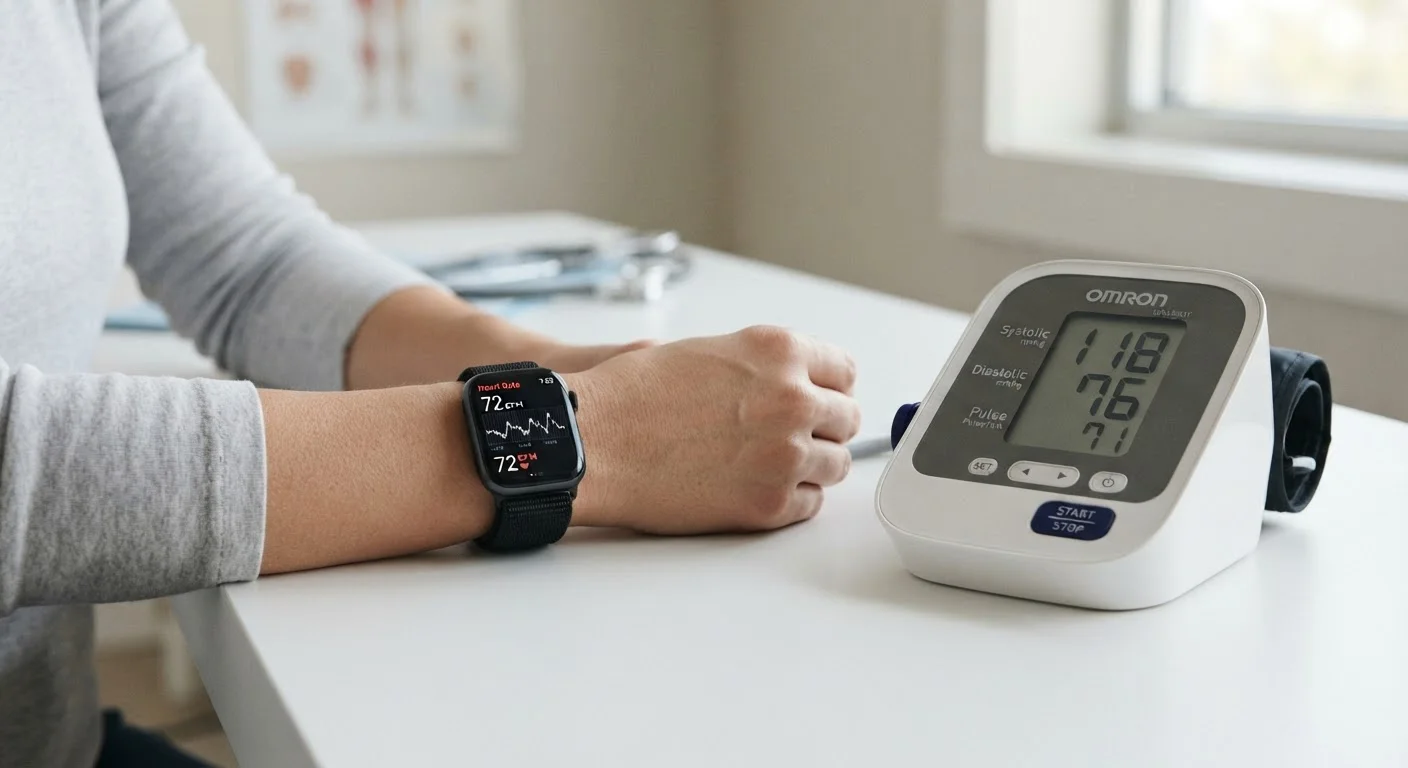
Smartwatches and fitness trackers offer health estimates, not medically validated measurements. Relying on them for clinical decisions - without a physician's guidance - carries real risk, particularly for users managing chronic conditions.
Privacy trade-offs are real and ongoing
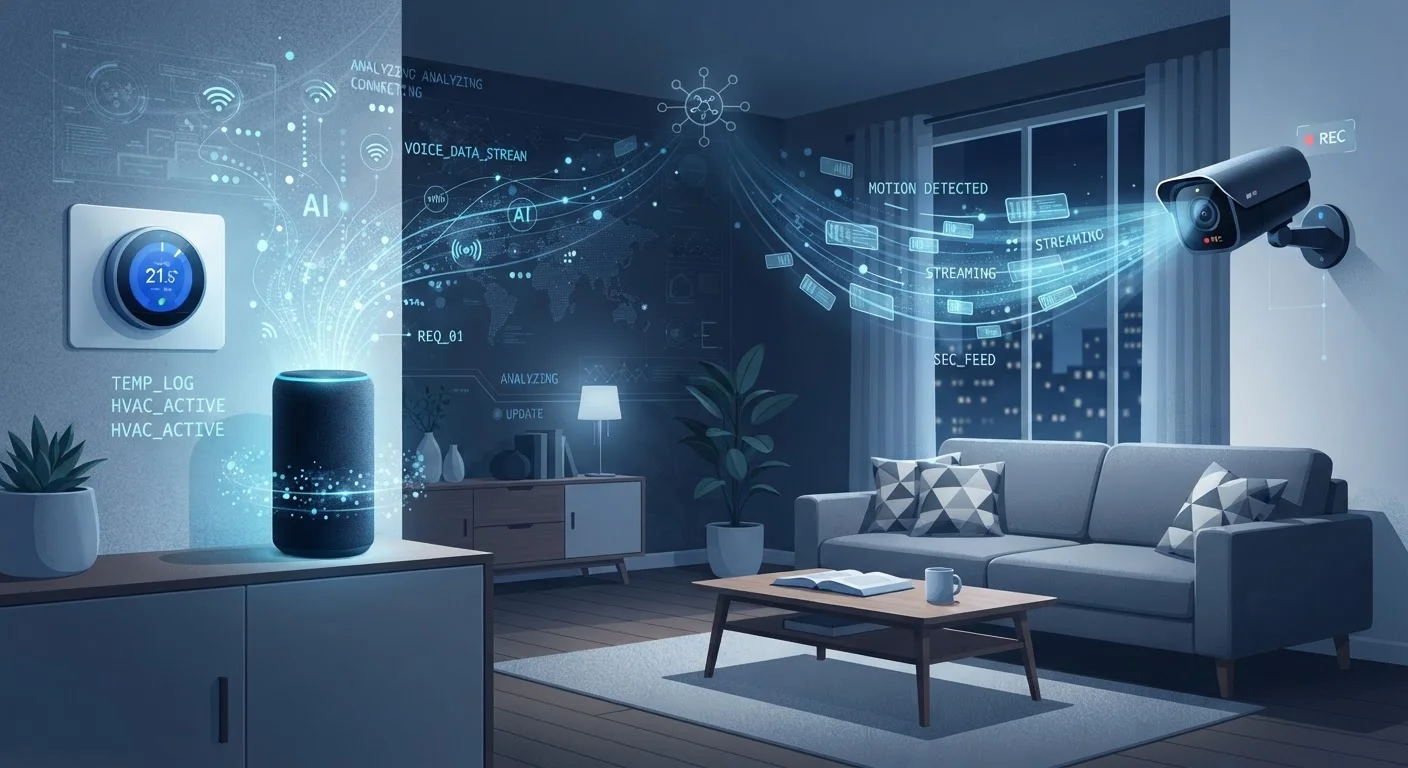
Always-on microphones in smart speakers and continuous sensor data from wearables mean personal information is regularly transmitted to external servers. Older adults and caregivers should understand this before adding devices to the home.
Device fragmentation creates a confusing ecosystem
When multiple devices from different manufacturers don't communicate reliably, users may face conflicting notifications, redundant apps, and troubleshooting complexity that erodes confidence in the technology.
Ongoing costs can accumulate beyond the initial device price
Many medical alert services require monthly subscription fees, and some device features are locked behind premium tiers. These recurring costs are not always clearly communicated at point of purchase.
Privacy is a separate but related concern. Smart speakers and always-on sensors collect data as part of their function. Understanding what data connected devices actually collect helps older adults and caregivers make informed decisions about which trade-offs are acceptable. Similarly, once multiple devices are added to a home network, securing them appropriately becomes relevant - keeping connected devices secure doesn't require technical expertise, but it does require attention.
Consumer Devices Are Not Medical Devices
Products marketed to older adults as health or safety tools vary widely in their regulatory classification. A dedicated personal emergency response system certified for medical use is held to different standards than a consumer smartwatch with a fall-detection feature. Before relying on any device for health or safety purposes, check whether it has received relevant clearance from bodies such as the FDA, and discuss its role in your care plan with a qualified healthcare provider.
Practical Guidance for Getting Started
Start with one device that addresses a specific, clearly felt need - not a bundle of gadgets that require simultaneous learning. A family caregiver or trusted contact who can help with the initial setup and show the device in use (rather than hand over a manual) significantly improves the chances that the device becomes part of daily routine rather than sitting unused.
Consumer wearables can complement health awareness, but as explored in common myths about smartwatches and health tracking, they measure broadly rather than precisely, and readings should be discussed with a physician before driving any medical decisions. For home automation specifically, the room-by-room perspective on smart home devices can help identify where a single connected device would reduce friction most meaningfully without overwhelming a household.
Finally, involve the older adult as the primary decision-maker wherever possible. Devices chosen by family members without the user's input tend to go unused, regardless of their technical quality.
This article provides general information about consumer technology and is not a substitute for personalized medical, safety, or caregiving advice. Consult qualified healthcare and technology professionals for guidance specific to individual needs and circumstances.