How Each Type of Device Is Designed and Regulated
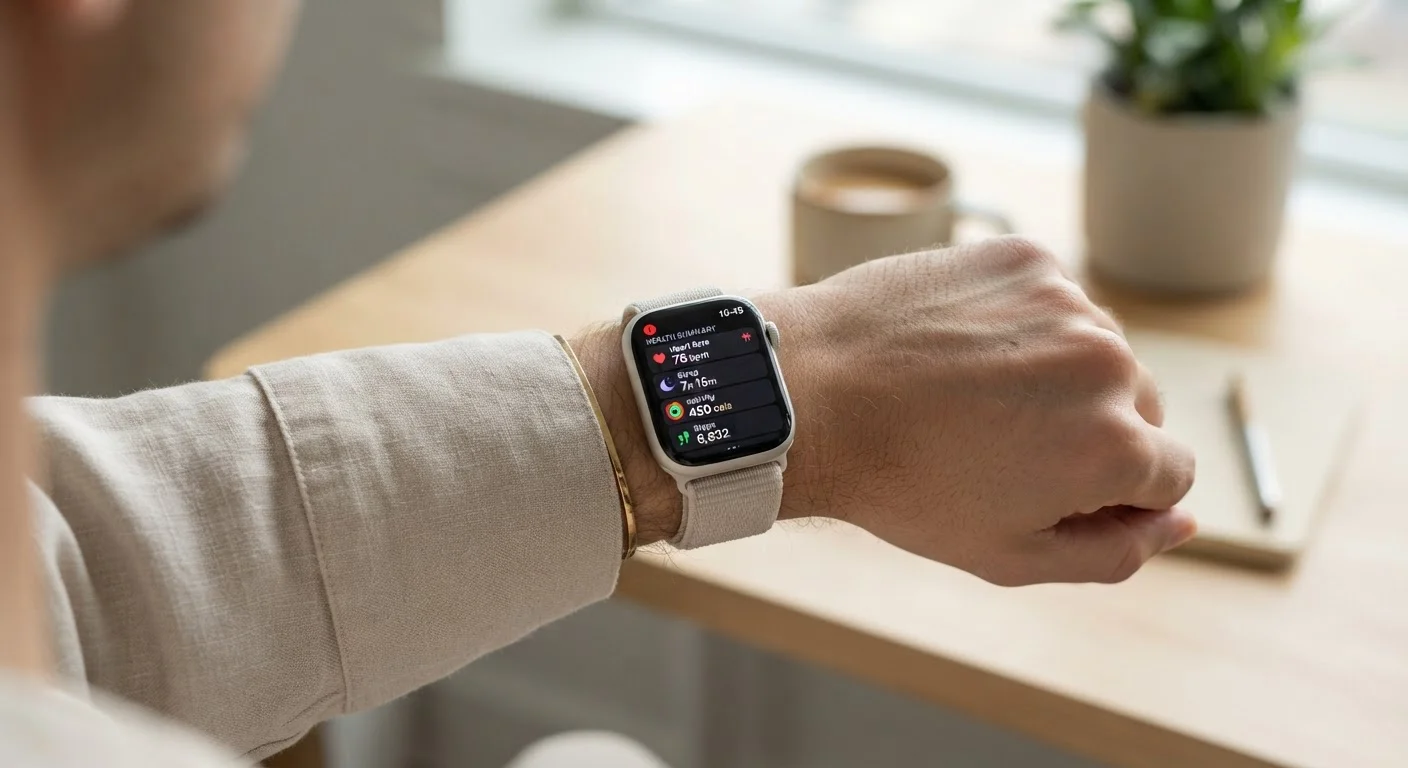
Consumer wearables - smartwatches, fitness bands, and similar gadgets - are engineered primarily as lifestyle products. Manufacturers optimize them for comfort, battery life, and broad appeal. Their health-sensing features, such as optical heart rate sensors or step counters, are designed to provide useful estimates, not precise clinical measurements.
Dedicated medical devices follow an entirely different development path. Products that make diagnostic or treatment-related claims in the United States are generally subject to oversight by the Food and Drug Administration (FDA). Cleared or approved devices must demonstrate that their measurements meet defined accuracy standards before they reach consumers. Examples include prescription blood glucose monitors, clinical-grade blood pressure cuffs, and regulated ECG (electrocardiogram) patches.
This regulatory distinction is the most important difference between the two categories. A device that carries FDA clearance for a specific function has passed a formal review process. A consumer wearable that describes itself as tracking your "heart health" is making a wellness claim, not a diagnostic one - a meaningful distinction that is easy to overlook when reading marketing copy. Our guide on common smartwatch myths covers this in further detail.
| Criterion | Consumer Wearables | Dedicated Medical Devices |
|---|---|---|
| Primary purpose | Wellness tracking and motivation | Clinical measurement and diagnosis support |
| Regulatory status | Generally unregulated wellness products | FDA-cleared or approved for specific uses |
| Measurement accuracy | Estimates with variable accuracy | Validated against clinical standards |
| Suitable for treatment decisions | No | Yes, for cleared functions |
| Data privacy protections | Terms of service (varies widely) | Often subject to healthcare privacy rules |
| Ease of use | High - designed for everyday wear | Moderate - requires correct technique |
| Cost range | Generally lower consumer price point | Varies; may be covered by insurance |
What Wearables Actually Measure - and Where the Limits Are
Most consumer wearables use photoplethysmography (PPG) - a technology that shines light through the skin to estimate blood flow - to infer heart rate and blood oxygen saturation. These estimates work reasonably well during rest for many users, but accuracy can degrade significantly during exercise, with darker skin tones, or with improper fit. Research published in peer-reviewed journals has documented meaningful variability in consumer wearable readings compared to clinical instruments.
Step counts are similarly approximate. Algorithms interpret accelerometer data, and counts can vary based on movement type and how the device is worn. Calorie estimates introduce further uncertainty because they depend on user-entered data - weight, age, height - combined with imprecise activity inference.
Sleep tracking is another area where consumer devices provide useful directional data rather than clinical insight. Wearables estimate sleep stages through movement and heart rate signals. A sleep specialist diagnosing a disorder uses polysomnography - a controlled clinical environment with multiple validated sensors - not wrist-worn motion data.
Wearable Data as a Conversation Starter
Doctors increasingly find that long-term wearable data - such as weeks of resting heart rate or sleep duration - provides useful background when discussing a patient's overall health patterns. It is supplementary context, not a substitute for clinical tests. If you plan to share wearable data with your provider, export a summary over a meaningful time period rather than relying on a single reading.
None of this makes wearables useless. Long-term trend data - a gradual resting heart rate increase over months, or consistently poor sleep scores - can be genuinely valuable as a prompt to consult a healthcare professional. The problem arises when a single reading is treated as a diagnosis.
When to Rely on a Dedicated Medical Device
For anyone managing a condition where accurate measurements directly affect treatment - blood pressure, blood glucose, blood oxygen in a clinical context, or cardiac rhythm - dedicated medical devices are the appropriate tool. The accuracy requirements are simply too high for consumer-grade sensors to reliably meet.
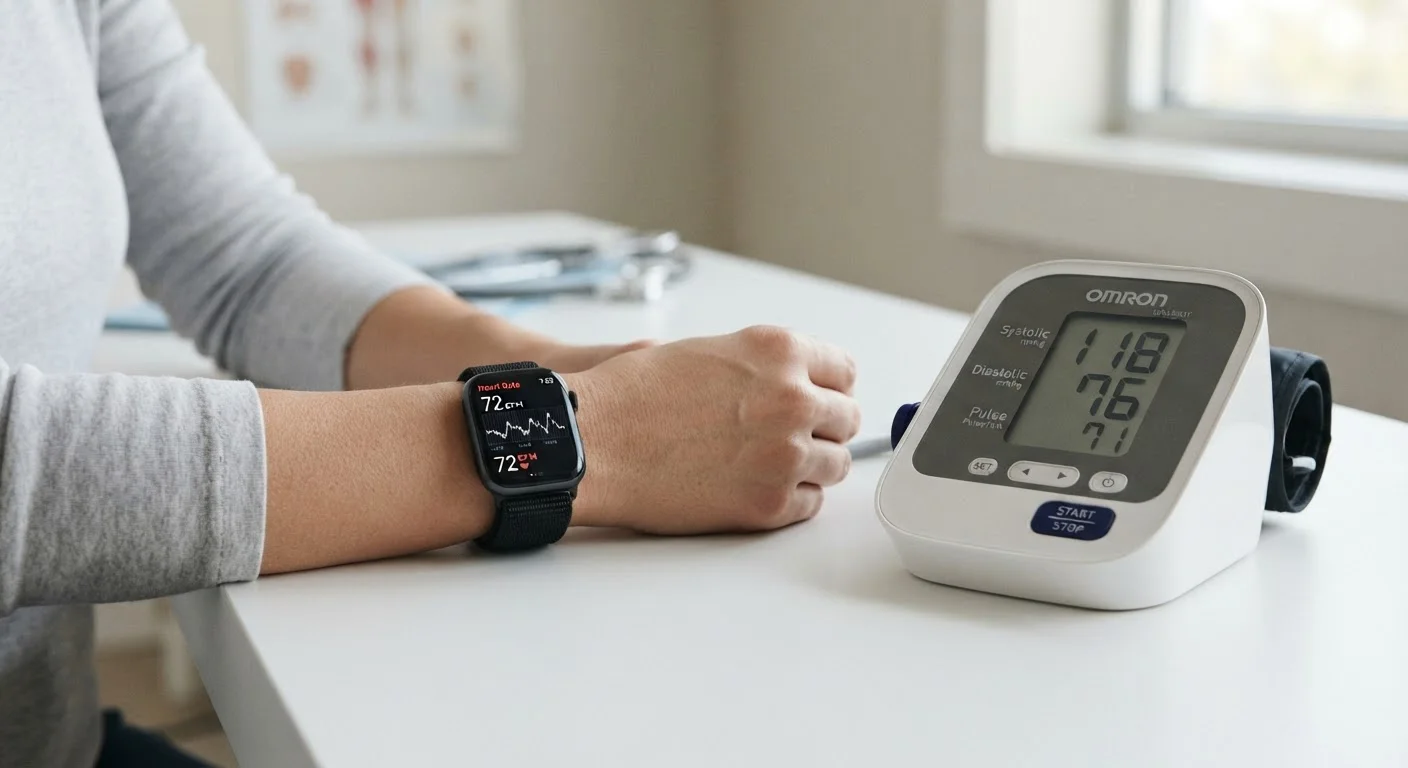
Consider blood pressure monitoring. A validated home blood pressure monitor (one that has passed independent accuracy protocols, such as those recognized by international hypertension societies) gives readings a physician can use to adjust medication. A smartwatch's blood pressure estimate, where that feature even exists, currently lacks equivalent validation for most available models and should not be used to make treatment decisions.
Similarly, a fingertip pulse oximeter cleared by the FDA for medical use provides oxygen saturation readings in a clinical context. Consumer wearable pulse ox features, while convenient, carry accuracy caveats that matter in any situation where a low reading might otherwise prompt urgent care.
~80%
Wearable heart rate accuracy at rest
Studies have found consumer wearable heart rate sensors can be reasonably accurate at rest, but error rates increase substantially during vigorous exercise or for users with certain skin tones.
FDA Class II
Regulatory class for most cleared home medical devices
Most dedicated home health monitoring devices, such as blood glucose meters and validated blood pressure monitors, fall under FDA Class II, requiring premarket notification (510(k)) before sale.
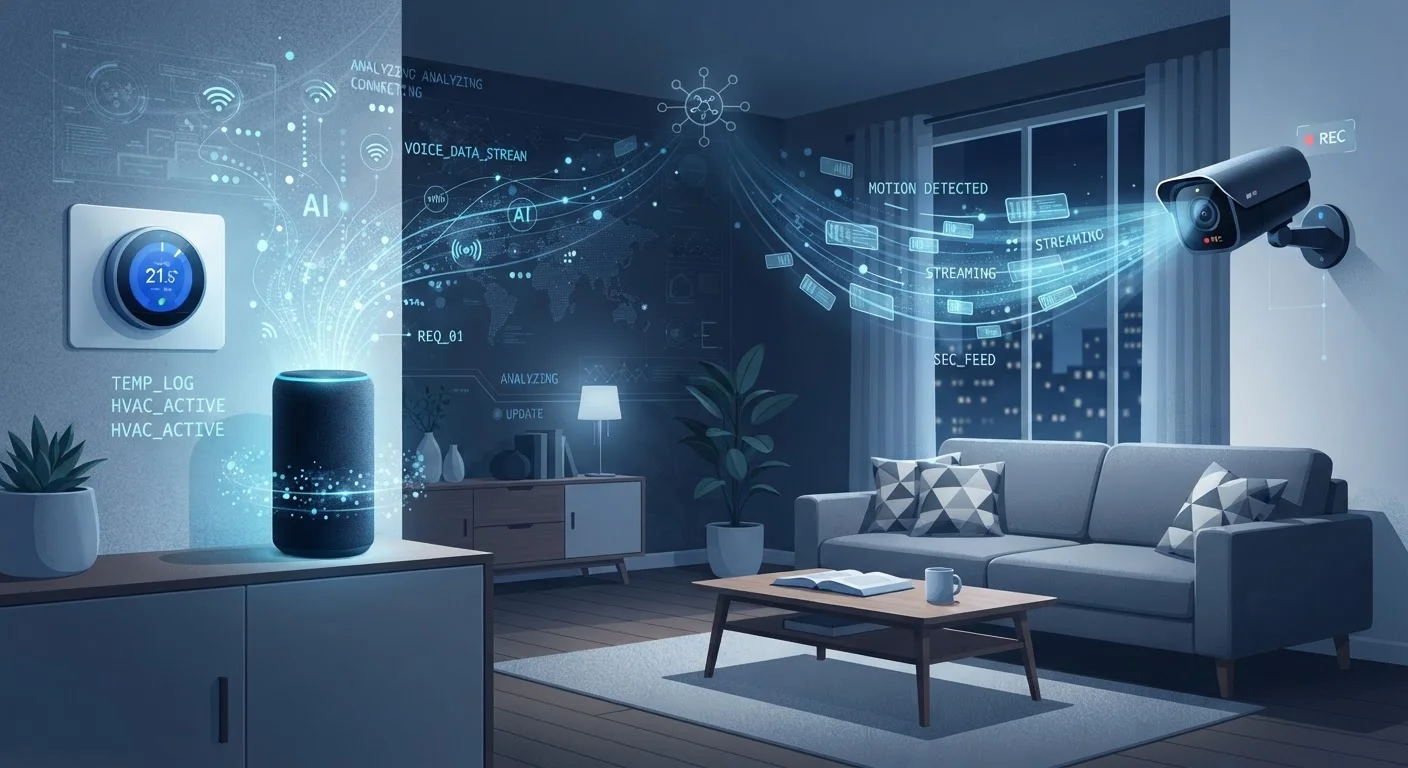
It is also worth considering data privacy. Health data collected by consumer devices is often governed by terms of service rather than medical privacy law. If the data sensitivity of your health tracking matters to you, that distinction is worth investigating. For a broader look at what connected devices collect, see our overview of smart device data collection.
The Growing Middle Ground - and How to Navigate It
Some devices deliberately occupy both categories. Certain smartwatch models have received FDA clearance for specific features - such as an ECG rhythm classification function or an irregular heart rhythm notification. These cleared features operate under different standards than the same device's general wellness sensors. A watch cleared to detect signs of atrial fibrillation has met a regulatory bar for that specific function; its calorie counter has not.
Reading the fine print matters. Clearance for one feature does not make an entire device a medical instrument. If you rely on a specific function for health monitoring, check whether that feature specifically - not the device overall - has regulatory clearance, and confirm that your physician agrees it is appropriate for your situation.
Ultimately, the most productive use of consumer wearables is as a complement to, not a replacement for, professional care. Use trend data to start conversations with your doctor. Use validated medical devices when accurate measurement affects a clinical decision. And if you are exploring how these devices fit into daily life more broadly, our look at how connected devices serve different roles at home offers useful perspective.
This article is for general informational purposes only and does not constitute medical advice. Always consult a qualified healthcare professional regarding any health conditions, symptoms, or decisions about medical devices or treatments.