Choosing the Right Grass for Your Region
The foundation of every successful lawn is selecting a grass variety that suits your local climate. The United States is broadly divided into two turfgrass zones: cool-season and warm-season.
Cool-season grasses - such as Kentucky bluegrass, tall fescue, and perennial ryegrass - thrive in northern states where summers are mild and winters are cold. They grow most actively in spring and fall. Warm-season grasses - including Bermuda, Zoysia, and St. Augustine - are suited to the South and Southwest, growing vigorously through hot summers and going dormant in winter.
A transitional zone runs through the mid-Atlantic and lower Midwest, where neither type performs perfectly year-round. In this region, tall fescue is often the most adaptable choice. For new homeowners navigating these decisions alongside broader property projects, our first-time homeowner's guide offers a helpful starting framework.
When in doubt about your grass zone, contact your local cooperative extension office - they provide free or low-cost region-specific recommendations and often offer soil testing services.
Extension services are land-grant university programs with deep regional data; their guidance is more reliable than generic national charts, especially in transitional climate zones.
Buy grass seed from sources that display a seed analysis label - look for high germination rates (85%+ for most types) and low weed seed content before purchasing.
Seed quality varies considerably, and low-grade mixes with high weed seed percentages can introduce persistent problems that take multiple seasons to correct.
Preparing the Soil Before You Plant
Healthy grass grows from healthy soil. Before seeding or laying sod, invest time in understanding what's beneath your feet. A basic soil test - available through most cooperative extension services - will reveal your soil's pH and nutrient levels. Most turfgrasses prefer a pH between 6.0 and 7.0.
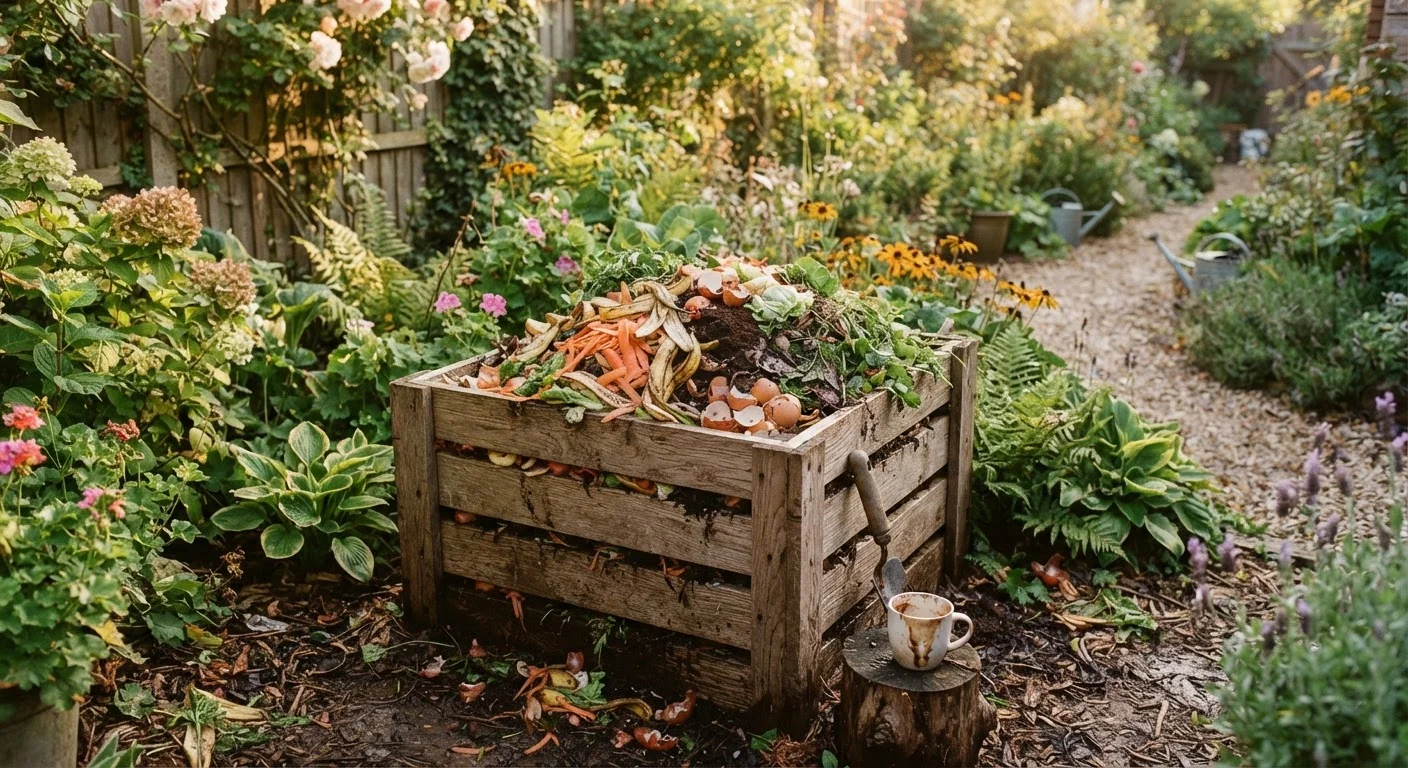
If your soil is too acidic, ground limestone can raise pH. If it's too alkaline, elemental sulfur can lower it. Beyond pH, compacted or clay-heavy soils benefit from adding organic matter to improve drainage and root penetration. Home compost is an excellent amendment - it improves soil structure and feeds microbial life without relying on synthetic inputs.
Till the top 4-6 inches of soil, remove rocks and debris, and grade the surface to direct water away from the home's foundation before planting.
Seeding, Sodding, or Plugging: Which Method Works Best
Once your soil is ready, you have three main establishment methods, each with trade-offs:
- Seeding is the most affordable approach and offers the widest variety selection. It requires consistent watering during germination (typically 10-21 days) and delivers full coverage in one to two growing seasons.
- Sodding provides instant coverage and is ideal when erosion control or immediate appearance is a priority. It costs significantly more and requires careful installation to ensure good soil contact.
- Plugging is common for warm-season grasses like Zoysia and Centipede. Individual plugs are spaced across bare soil and gradually spread to fill in - slower than sod but more economical.
Timing matters: seed or install sod during the grass's peak growing season - fall for cool-season types, late spring for warm-season. Avoid planting during summer heat stress or winter dormancy.
~40M
Acres of lawn in the United States
Estimated by the NASA Earth Observatory based on satellite imagery analysis, making turf grass one of the most widely irrigated crops in the country.
1 inch
Weekly water needed for healthy turf
Most university extension programs recommend approximately 1 inch of water per week from rainfall or irrigation for established cool- and warm-season grasses.
6.0-7.0
Ideal soil pH range for most turfgrasses
Soil pH outside this range limits nutrient availability; testing and amending pH is one of the highest-impact steps before establishing a new lawn.
Watering, Mowing, and Fertilizing Through the Seasons
Consistent maintenance is what separates a struggling lawn from a thriving one. Three practices form the core of seasonal upkeep:
Watering
Most established lawns need about 1 inch of water per week, including rainfall. Water deeply and infrequently - ideally in early morning - to encourage deep root growth and reduce disease pressure. Shallow daily watering produces shallow roots vulnerable to drought.
Mowing
Follow the one-third rule: never remove more than one-third of the grass blade in a single mowing. Cutting too low stresses roots and invites weeds. Keep cool-season grasses at 3-4 inches; warm-season types generally prefer 1.5-2.5 inches depending on species.
Fertilizing
Apply a slow-release nitrogen fertilizer according to your grass type's schedule. Cool-season lawns benefit most from fall feeding; warm-season lawns peak in early summer. Avoid over-fertilizing, which causes excessive growth and weakens the grass's natural defenses.
Managing Weeds, Pests, and Common Lawn Problems
Weeds and pests are inevitable, but a dense, well-fed lawn is your first line of defense. Thin or stressed turf is an open invitation for dandelions, crabgrass, and broadleaf invaders.
Pre-emergent herbicides prevent weed seeds from germinating and work best applied in early spring before soil temperatures reach 55°F. Post-emergent herbicides target actively growing weeds and should be used selectively to avoid damaging desirable turf. Always follow label directions carefully.
Common lawn pests - such as grubs, chinch bugs, and armyworms - are best managed through integrated pest management (IPM), a strategy that combines monitoring, cultural controls (like proper watering and mowing), and targeted treatments only when thresholds are crossed.
Fungal diseases like brown patch and dollar spot are typically triggered by excess moisture, poor air circulation, or over-fertilization. Adjusting irrigation timing and improving drainage often resolves these without fungicide applications. For readers interested in low-maintenance alternatives to traditional turf, native plant landscaping offers a compelling, ecology-friendly option worth exploring.
Long-Term Lawn Health: Aeration, Overseeding, and Soil Care
Even well-established lawns need periodic renewal to stay dense and healthy. Two annual or biannual practices make the biggest long-term difference:
Core aeration involves removing small plugs of soil across the lawn, relieving compaction, improving water infiltration, and allowing oxygen and nutrients to reach roots. For most lawns, aeration once per year - in fall for cool-season grass, late spring for warm-season - is sufficient. High-traffic areas may benefit from twice-yearly treatment.
Overseeding - spreading grass seed over existing turf - fills in thin spots, introduces improved grass varieties, and restores density without full renovation. Always overseed after aerating for the best seed-to-soil contact and germination rates.
Continue building soil health year-round. Top-dressing with a thin layer of compost after aeration feeds soil microbes and gradually improves structure. This connects directly to sustainable gardening practices outlined in our guide to composting at home. With consistent attention, a home lawn can remain a source of pride - and genuine curb appeal - for decades.