Why Pollinators Struggle in Typical Suburban Yards
Most American suburban yards are designed for visual uniformity - closely mown grass, tidy mulch beds, and ornamental shrubs that flower briefly if at all. While attractive to residents, this landscape offers pollinators very little: limited food, no nesting sites, and frequent chemical exposure. Bee populations and butterfly numbers have declined measurably across North America, and habitat loss in residential areas is a documented contributing factor.
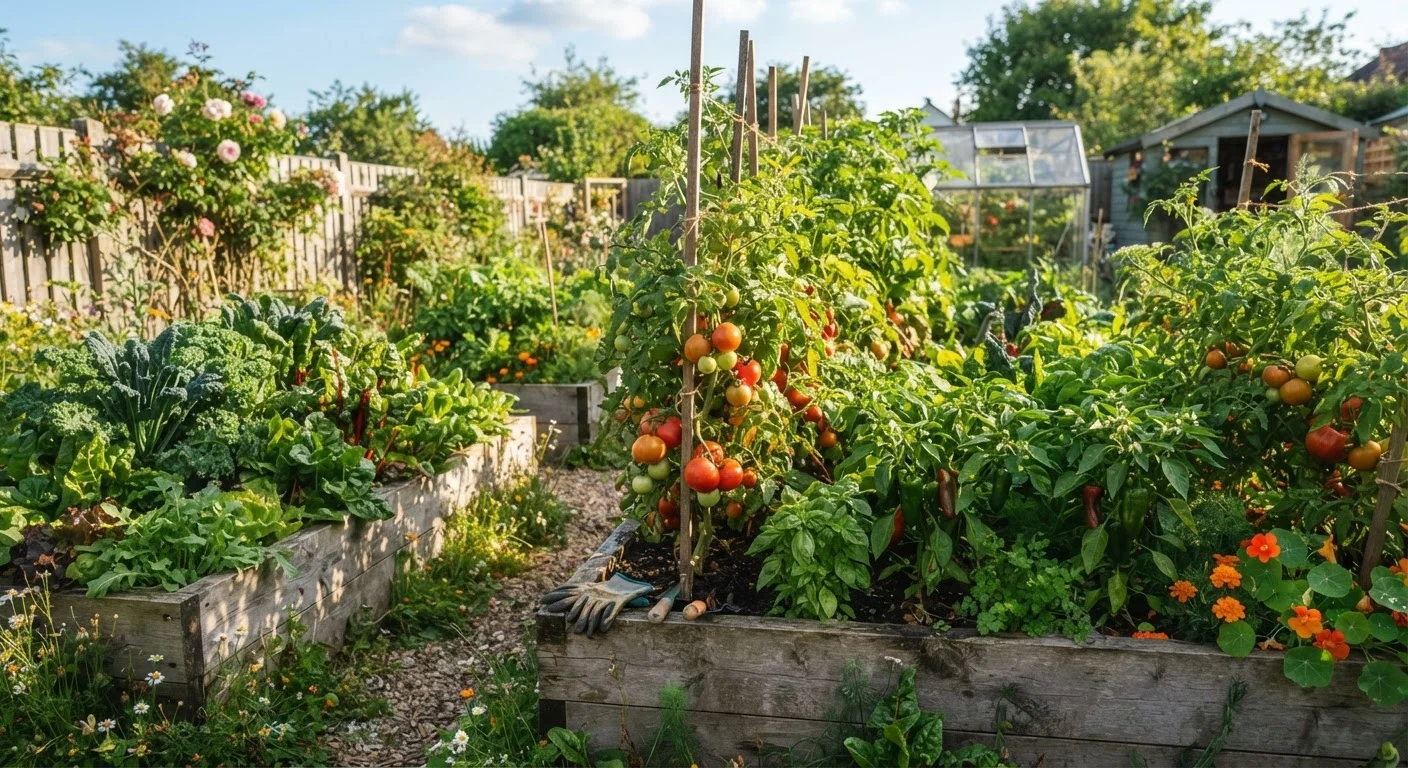
The encouraging reality is that individual backyard gardens, when designed thoughtfully, can provide meaningful refuge. You don't need acreage - a modest, well-planted area with native flowers and minimal pesticide use can support dozens of bee species and several butterfly species across a single season. If you're also growing food crops, pollinators will improve yields, particularly for vegetables like squash, tomatoes, and peppers. For tips on keeping those productive, see our guide on keeping a vegetable garden productive all summer.
Start Small and Expand Over Time
You don't need to redesign your entire yard at once. Even a 4-by-8-foot patch of native flowering plants can attract and support a meaningful variety of pollinators. Establish one area well, observe what visits, then expand the following season.
What You'll Need Before You Start
Designing a pollinator garden doesn't require specialized knowledge or expensive materials, but a little preparation goes a long way. Review the tools and materials below, then walk through the step-by-step process to plan and plant your space.
What you will need
Garden trowel
Used for digging individual planting holes for perennials and plugs.
Mulch (wood chip or shredded leaf)
Applied around plants to retain moisture, suppress weeds, and insulate roots.
Shallow birdbath or dish
Provides a clean water source for bees and butterflies to drink.
Compost
Improves soil structure and fertility without synthetic chemicals that harm soil organisms.
Native plant identification app or regional field guide
Helps confirm which plants are truly native to your specific region.
Bamboo stakes or small logs
Create simple nesting habitat for solitary bees when placed in a sunny, sheltered spot.
Pesticides Harm Pollinators Even in Small Doses
Many common insecticides - including some labeled as "organic" - are toxic to bees and butterfly larvae. Neonicotinoids, in particular, can linger in plant tissue long after application. If pest pressure demands treatment, target specific problem areas only, apply in the evening when bees are least active, and avoid spraying open flowers entirely.
Step-by-Step: Building Your Pollinator Garden
Follow these steps in order for the best results. The first two steps - site assessment and plant selection - are the most consequential. Rushing past them is one of the most common reasons pollinator gardens underperform. For additional context on structuring your garden beds, our comparison of raised beds vs. in-ground gardens covers layout tradeoffs worth considering.
Assess Your Site Conditions
Before selecting any plants, spend a day observing your yard. Note where sunlight falls for the longest periods, where water pools after rain, and which areas stay dry. Most pollinator-friendly plants prefer full sun - at least six hours of direct light daily - and well-drained soil.
Identify any existing trees or shrubs: these can serve as windbreaks and additional habitat. Also note which areas are currently treated with herbicides or pesticides, since those zones will need a transition period before they're safe for planting.
Choose Native Plants With Overlapping Bloom Times
The goal is continuous bloom from early spring through late fall. Pollinators need food sources across the full season, not just in midsummer. Focus on species native to your region - they've evolved with local pollinators and typically provide more usable pollen and nectar than imported ornamentals.
A few broadly adaptable examples across US regions include:
- Early season: Wild columbine (Aquilegia canadensis), Virginia bluebells
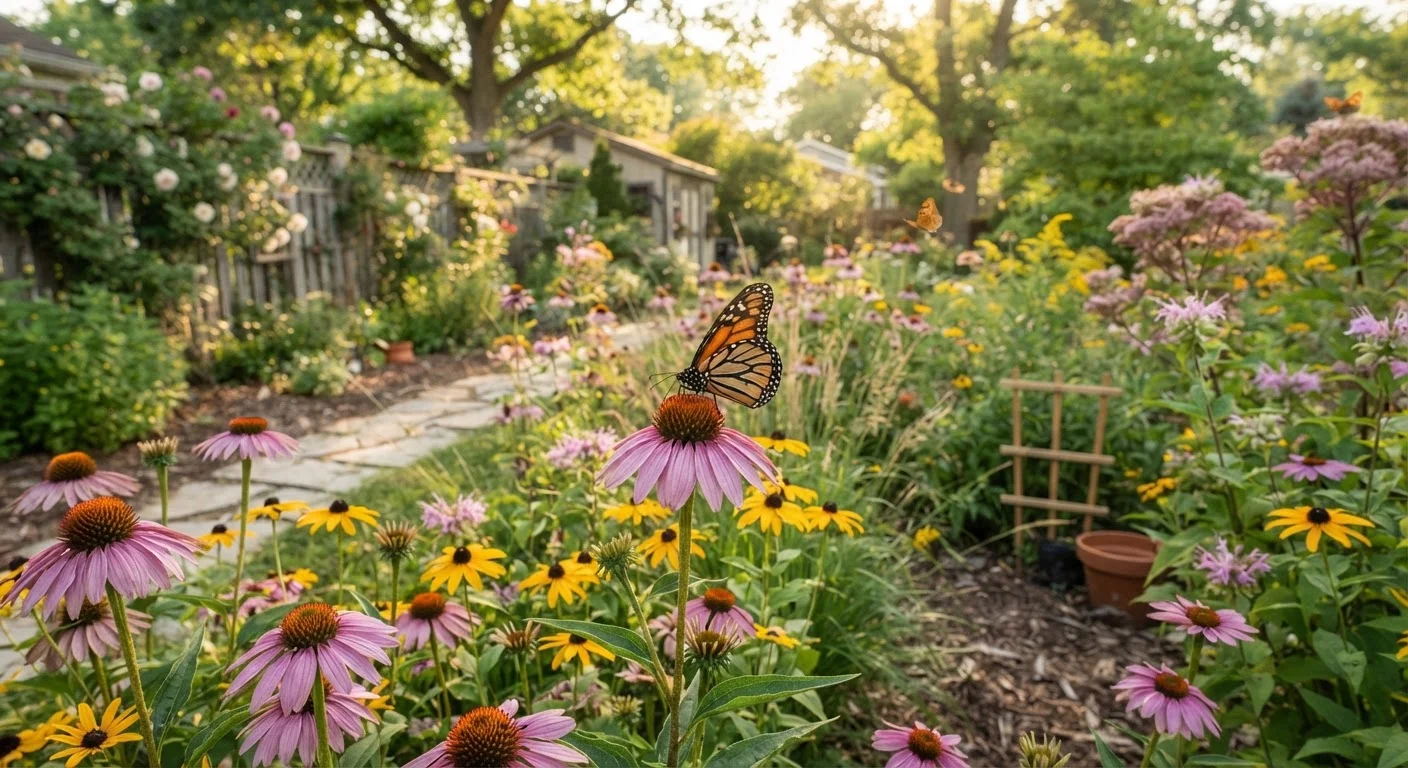
- Midsummer: Purple coneflower (Echinacea purpurea), black-eyed Susan, milkweed (Asclepias spp.) - essential for monarch butterflies
- Late season: Native asters, goldenrod, ironweed
See our guide to native plants for a deeper look at why regional natives outperform most alternatives.
Design Your Layout in Clusters
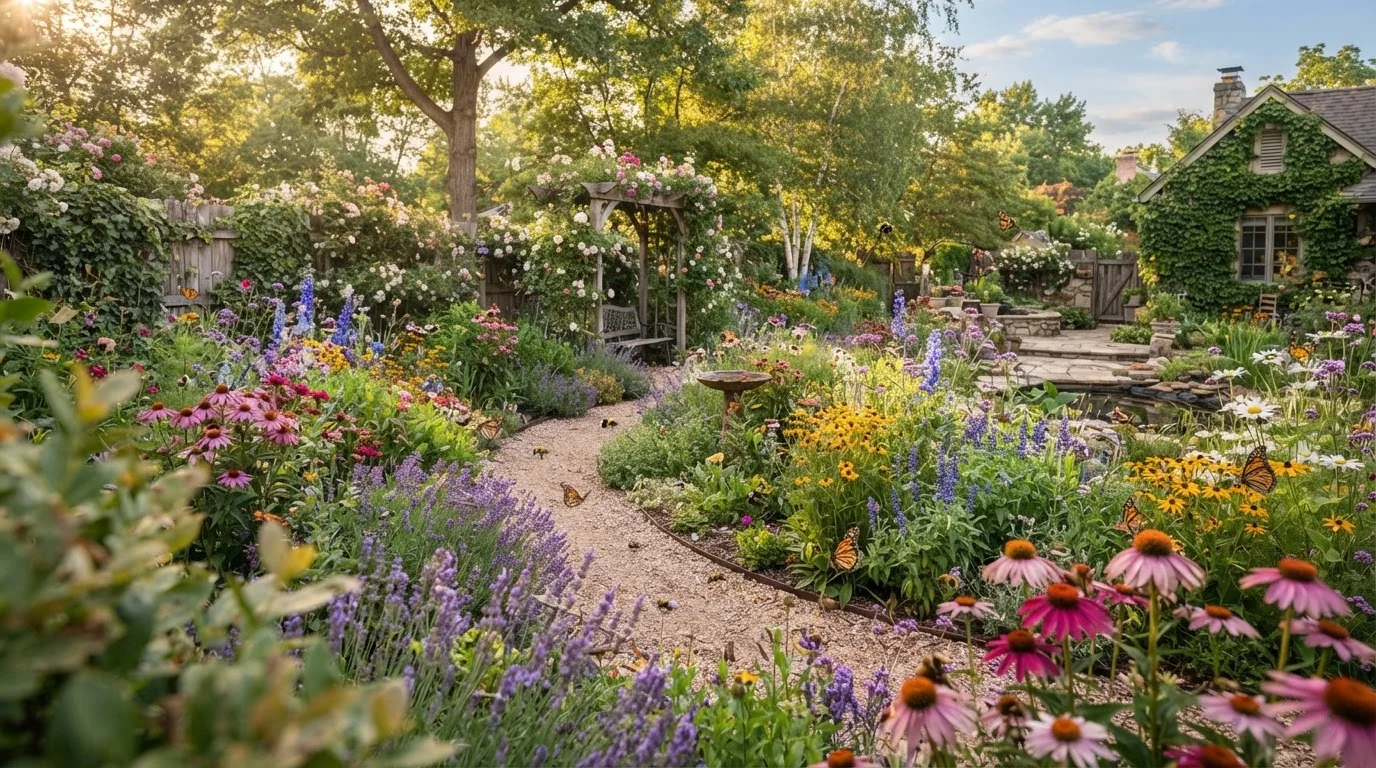
Pollinators forage more efficiently when they can move between many flowers of the same type without relocating. Plant each species in clusters of at least three to five plants, arranged in loose drifts rather than single-file rows. This mirrors natural meadow structure and makes your garden far more attractive to visiting insects.
Place taller species - like ironweed or native sunflowers - at the back or center, with shorter groundcover plants like creeping thyme or low asters at the edges. This layered structure also adds visual depth and helps anchor the garden aesthetically.
Prepare the Soil Without Over-Engineering It
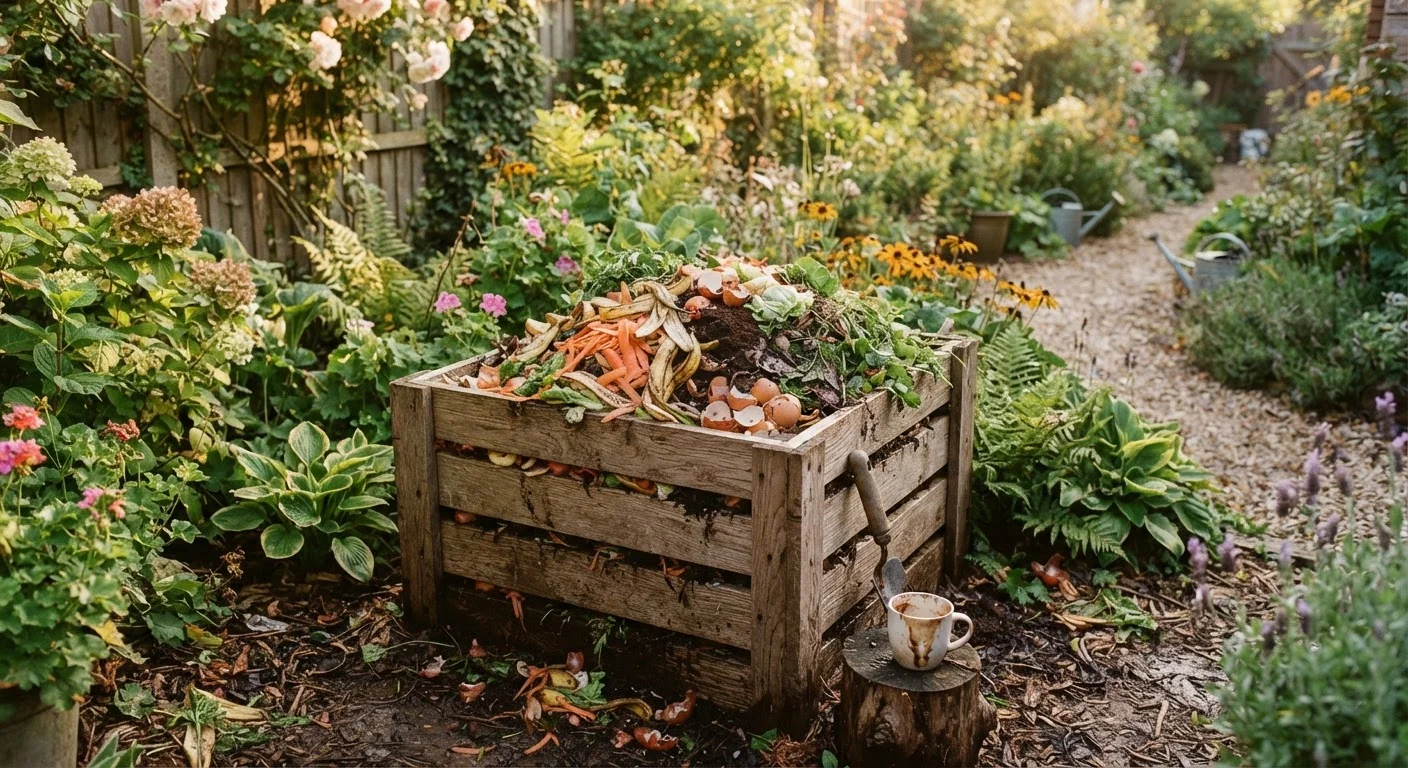
Loosen the planting area with a garden fork to a depth of 8-10 inches. Work in a 2-3 inch layer of finished compost to improve drainage and add organic matter. You can learn how to make your own amendment with our home composting guide.
Avoid synthetic fertilizers in a pollinator bed. Excess nitrogen pushes leafy growth at the expense of flowers, and the chemical runoff can harm ground-nesting bees. Native plants, in particular, often perform better in leaner soil that more closely resembles their natural habitat.
Add a Water Source and Shelter Elements
Pollinators need water, especially during hot summer periods. A shallow dish, birdbath, or even a plant saucer filled with clean water and a few stones (so insects can land without drowning) is sufficient. Change the water every two to three days to prevent mosquito breeding.
Shelter matters too. Leave some leaf litter at the garden's edge over winter - many butterfly species overwinter as chrysalises or eggs in fallen leaves. Brush piles, hollow stems left standing after the season, and untreated wood logs all provide nesting sites for solitary bees.
Maintain With Minimal Intervention
Once established, a well-planted native garden requires relatively little maintenance. Hand-pull aggressive weeds before they set seed, divide overcrowded perennials every few years, and top-dress with compost annually. Avoid routine pesticide applications - even targeted ones can have unintended impacts on beneficial insects.
Monitor which plants attract the most activity and take note of any gaps in bloom time. Adjust by adding species that fill those windows. Over time, your garden will stabilize into a self-sustaining system that supports a genuine variety of pollinator species throughout the growing season.
Double-Check Plants for Systemic Pesticide Treatment
Some nursery-sold plants are pre-treated with systemic pesticides that persist in pollen and nectar for months. Ask staff before purchasing, or source plants from growers who explicitly avoid systemic treatments. This is especially important when buying plants labeled as pollinator-friendly.