Why Fall Prep Is the Most Valuable Season for Your Yard
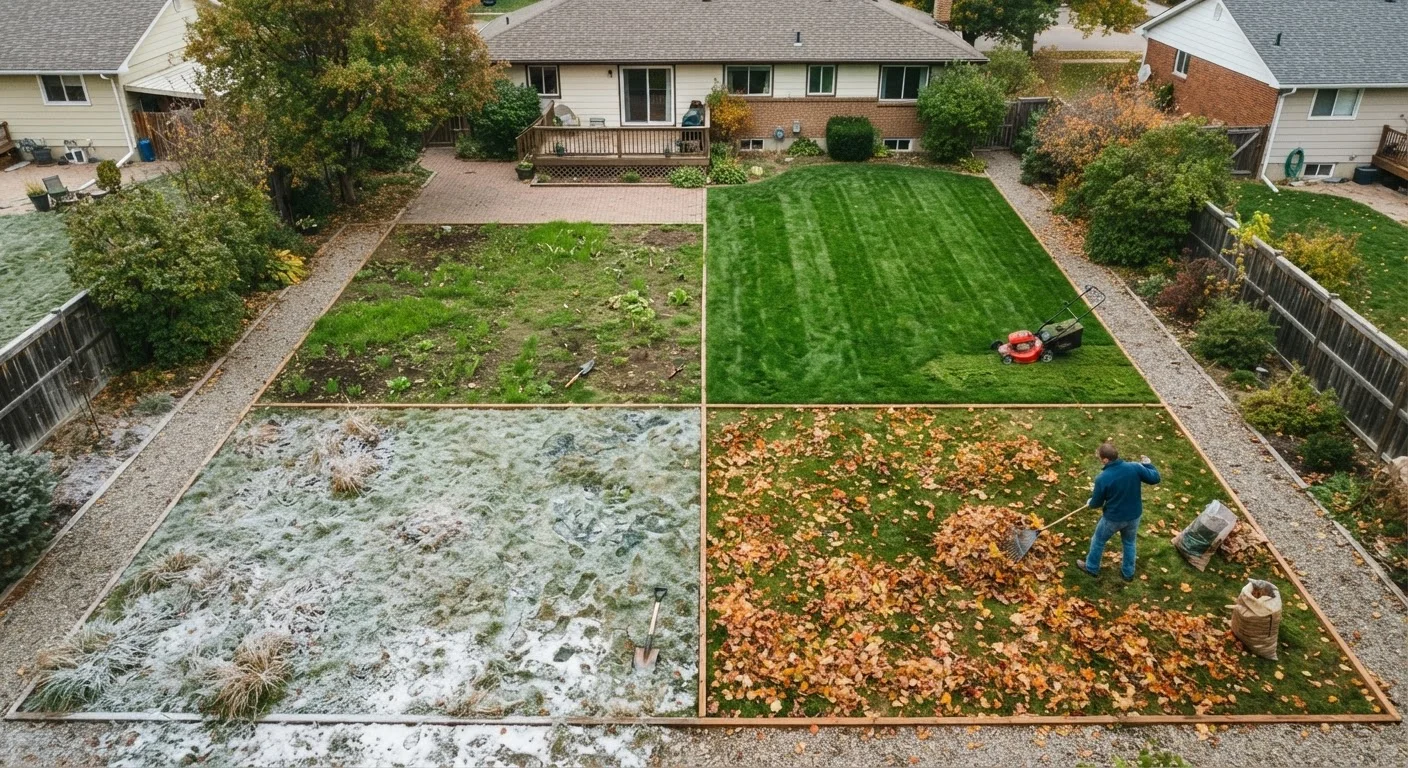
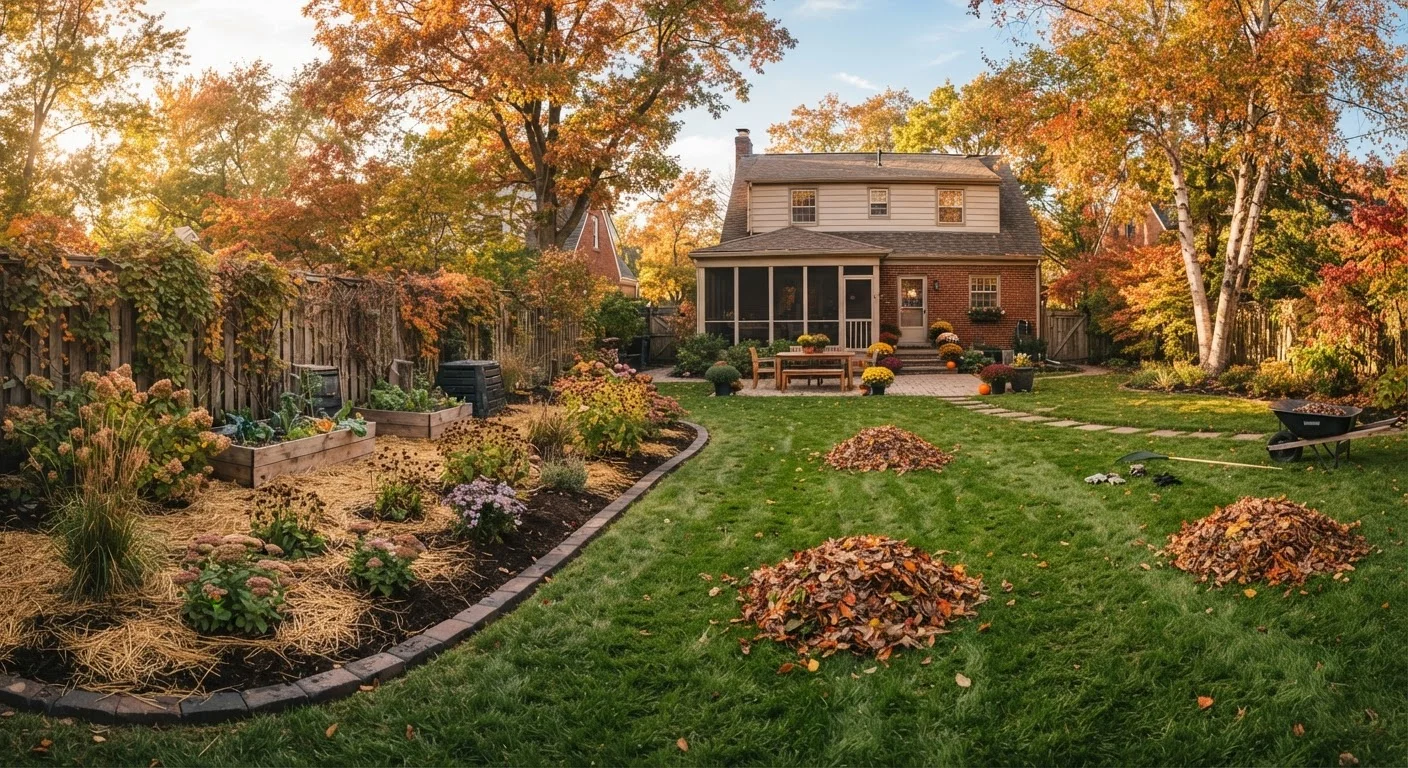
Most homeowners focus their lawn and garden energy on spring, but fall is actually the season when the groundwork for next year's success gets laid. Soil is still warm enough for roots to keep growing even after air temperatures drop, grass plants are absorbing nutrients in preparation for dormancy, and pests and weeds are winding down. That combination makes the weeks before the first frost a narrow but powerful window of opportunity.
The timing varies depending on where you live - first frost dates range from early September in northern states to late November in the South - so watch your local forecast and use it as your deadline. For a broader picture of what your lawn needs throughout the year, see the season-by-season lawn care calendar.
Lawn Preparation
Garden Beds and Planting Areas
Irrigation, Water Features, and Equipment
Final Walkthrough and Storage
Tools and Supplies You'll Need
Before you start working through the checklist, gather your equipment. Having everything on hand prevents mid-task trips to the hardware store and keeps the project moving efficiently.
Core Aerator
Removes plugs of compacted soil to improve water, air, and fertilizer penetration before overseeding.
Broadcast or Drop Spreader
Distributes grass seed, fertilizer, and lime evenly across the lawn at consistent rates.
Leaf Rake or Mulching Mower
Clears fallen leaves from the lawn to prevent smothering and disease; a mulching mower shreds them into beneficial organic matter.
Garden Fork and Trowel
Loosens and amends garden bed soil and aids in planting bulbs before the ground freezes.
Soil Test Kit or Mailer
Measures pH and nutrient levels so amendments can be applied accurately rather than by guesswork.
Air Compressor (for irrigation blowout)
Purges residual water from in-ground irrigation lines to prevent freeze damage to pipes and heads.
Pruning Shears and Loppers
Cut back perennial foliage and remove dead or damaged branches from trees and shrubs.
Burlap or Frost Cloth
Wraps tender shrubs and young evergreens to protect them from wind, frost, and heavy snow in colder climates.
Lawn Care: The Foundation of Fall Prep
Your lawn's health over winter - and its vigor the following spring - depends heavily on how you treat it in the final weeks of the growing season. Cool-season grasses such as Kentucky bluegrass, tall fescue, and ryegrass are especially responsive to fall attention because their growth peaks when temperatures cool.
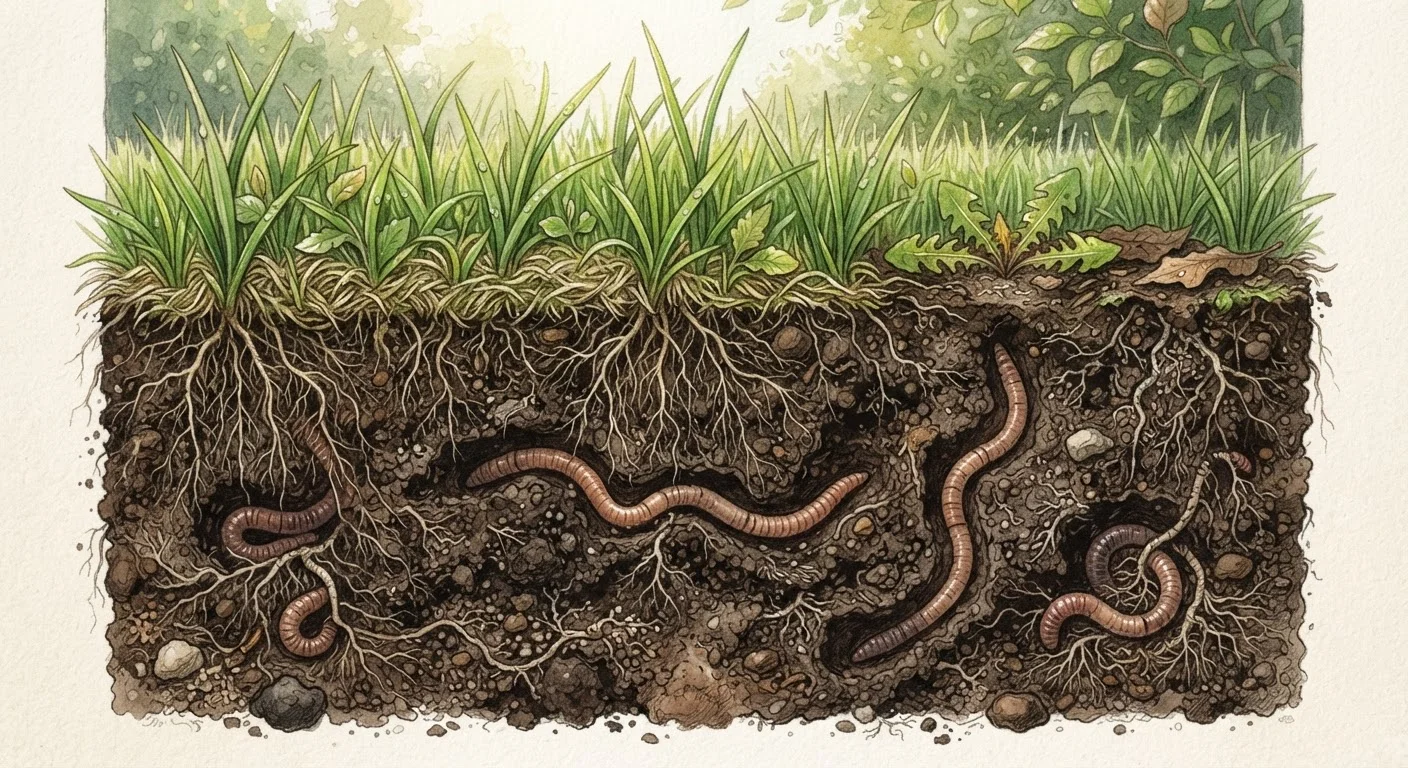
One of the most impactful things you can do is test your soil before applying any amendments. A basic test reveals pH and nutrient levels, letting you apply lime or sulfur precisely rather than guessing. For a deeper understanding of what's happening beneath the surface, the article Soil Health 101 explains how to read test results and why soil structure matters more than any single product you apply. For a comprehensive view of lawn establishment and long-term care, the complete home lawn guide is a useful companion resource.
Don't Fertilize Too Late in the Season
Applying a high-nitrogen fertilizer after your grass has stopped actively growing can stimulate tender new growth that is easily killed by a hard freeze, and may encourage disease. Use a formulation specifically labeled for fall or winterizing, which prioritizes phosphorus and potassium over nitrogen. When in doubt, follow the timing guidance on the product label and check your local extension service's recommendations for your grass type.
Garden Beds, Containers, and Perennials
While lawn care tends to get most of the attention, your garden beds deserve equal focus before hard freezes arrive. Perennials, shrubs, and bulbs all benefit from targeted fall care that protects root systems and reduces spring cleanup. If you grew vegetables this season, fall is also the moment to close out beds properly - clearing spent plants reduces the disease and pest pressure you'll face next year. The practices are quite different from those covered in keeping a vegetable garden productive all summer, which focuses on warm-season management.
Irrigation Blowouts Can Cause Injury - Know Your Limits
Blowing out in-ground sprinkler systems with compressed air requires the correct air volume for your pipe size and must be done with eye protection. Using too much pressure or the wrong compressor can rupture lines or cause serious injury. If you are not experienced with this task, hiring a licensed irrigation professional for the annual winterization is a reasonable and common choice.