What Usage-Based Insurance Actually Is
Usage-based insurance (UBI) is a category of auto insurance where premiums are calculated - at least in part - based on data collected from your actual driving rather than solely on actuarial estimates tied to your age, ZIP code, or credit history. If you drive less than average, or drive more safely than average, a UBI program may reward you with lower rates.
UBI programs generally fall into two models:
- Pay-per-mile: Your base rate covers you while parked; a per-mile rate kicks in while you're moving. The total monthly premium reflects actual distance driven.
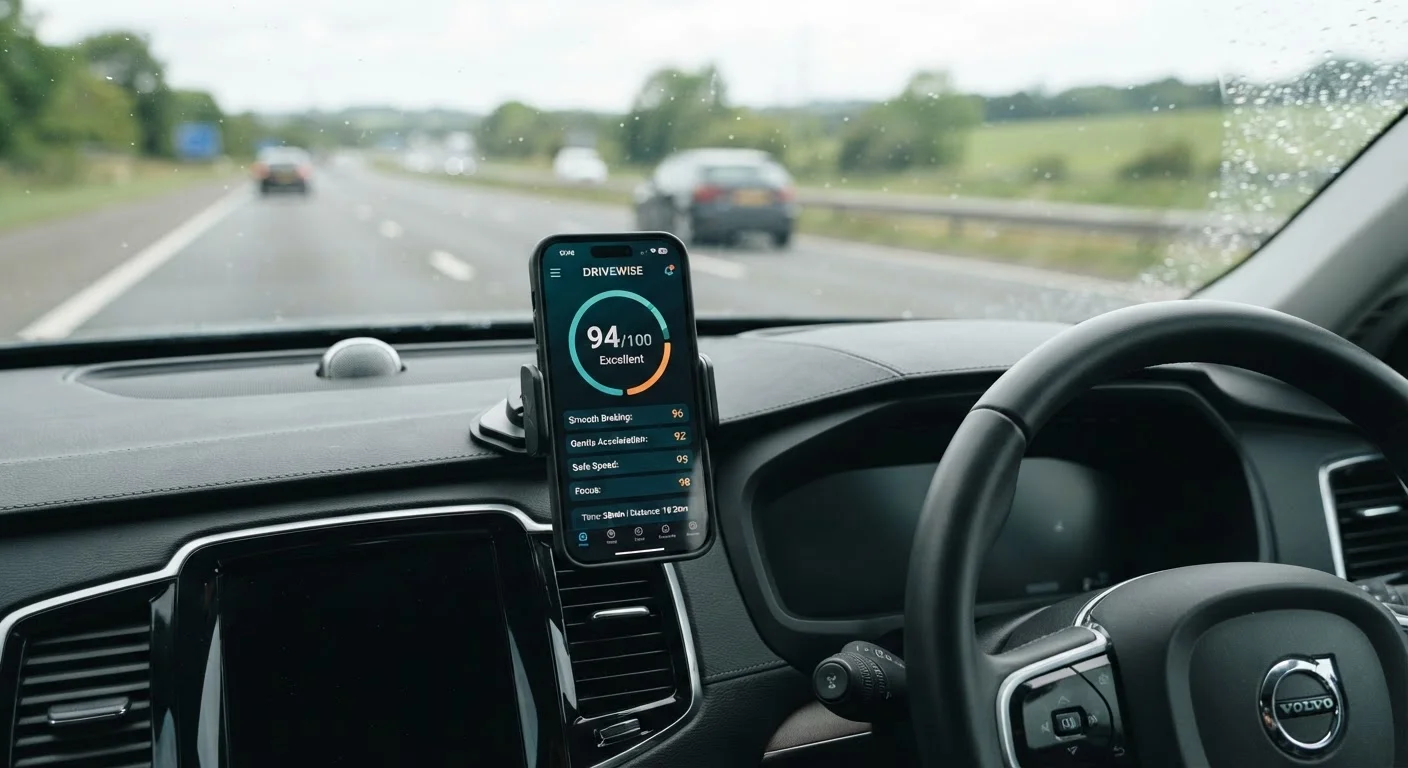
- Telematics-based: A device or app monitors driving behaviors - speed, braking, cornering, time of day - and generates a score that influences your premium at renewal.
For a broader foundation on how auto insurance is structured, see Auto Insurance Explained.
How Data Collection Works
Insurers gather driving data through one of two primary methods: a small plug-in device (often called a telematics dongle) that connects to your vehicle's OBD-II port, or a smartphone app that uses GPS and the phone's accelerometer. Some newer programs use data pulled directly from connected-car systems already built into the vehicle.
The data collected typically includes:
- Miles driven per day or month
- Time of day (late-night driving is often scored negatively)
- Hard braking and rapid acceleration events
- Speed relative to posted limits
- Phone handling while driving (app-based programs)
The Introductory Discount vs. Long-Term Rate
Many insurers advertise an upfront discount simply for enrolling in a UBI program. This initial reduction is separate from the ongoing premium adjustment based on your actual data. Drivers should confirm what happens to the rate after the monitoring period ends - the enrollment discount may shrink or disappear depending on driving score outcomes.
Most programs include an initial monitoring period - often 30 to 90 days - during which your data is gathered before any discount or surcharge is applied. This trial window is worth using to understand your own baseline before committing long-term.
Pros and Cons of Usage-Based Insurance
UBI is not a universally better deal - it reallocates risk based on individual behavior rather than spreading it across broad demographic pools. Whether that works in your favor depends on your specific situation.
Potential savings for low-mileage drivers
Pay-per-mile programs can significantly reduce premiums for drivers who cover fewer miles than average - people who work from home, use transit for most trips, or own a second car that rarely moves.
Rewards demonstrably safe driving behavior
Telematics programs give careful drivers a mechanism to translate their habits into lower rates, rather than being pooled with riskier drivers of the same demographic profile.
Encourages more conscious driving habits
Regular feedback scores can make drivers more aware of hard braking, rapid acceleration, and phone use - behaviors that contribute to crash risk regardless of insurance savings.
Accessible entry point for some high-risk categories
Young or newly licensed drivers who struggle to obtain affordable coverage through standard rating may use a telematics program to build a positive driving record over time.
Ongoing privacy trade-off with location data
These programs continuously collect data on when and where you drive. Drivers should review the insurer's data retention and sharing policies carefully, as practices vary meaningfully across providers.
Premiums can rise if scores deteriorate
Unlike fixed-rate policies, telematics programs may increase your premium at renewal if your driving score worsens - meaning a stressful commute period or a few hard-braking events can have financial consequences.
High-mileage drivers rarely benefit
For commuters or frequent road-trip drivers, pay-per-mile programs often produce premiums equal to or higher than conventional policies, eliminating the primary financial incentive.
Scoring algorithms lack full transparency
Insurers do not always disclose exactly how each factor is weighted in their scoring models, making it difficult for policyholders to know which specific behaviors are hurting or helping their rate.
Device or app dependency adds friction
Plug-in dongles can be forgotten when switching vehicles, and app-based programs require consistent permissions and battery access - small failures can create data gaps that affect scoring.
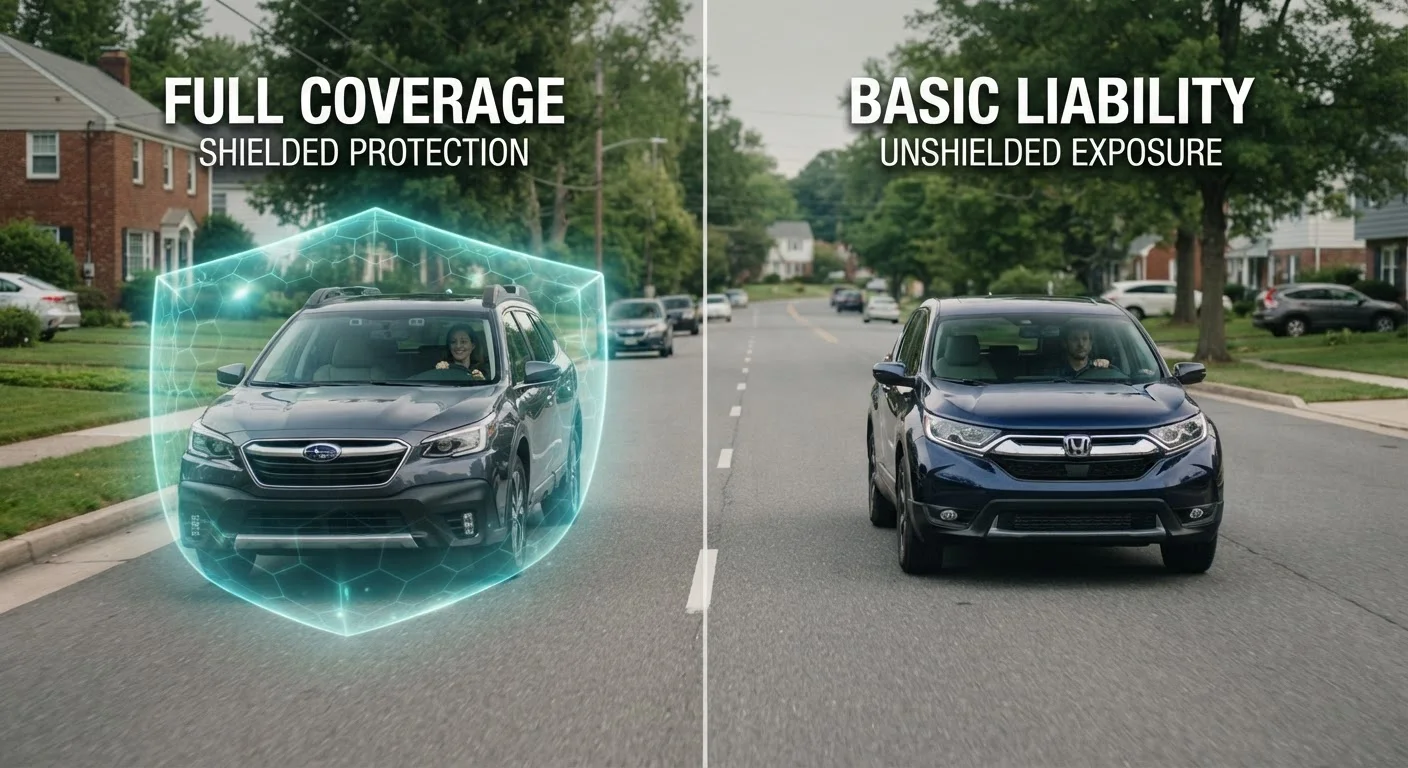
When comparing UBI to a conventional policy, it helps to think about which coverage structure aligns with your actual driving life. If you're also weighing how much coverage to carry, full coverage vs. liability-only is a useful parallel question.
Who Should - and Shouldn't - Consider It
UBI programs tend to work well for:
- Remote workers or retirees who drive fewer than 8,000-10,000 miles per year
- Drivers in multi-car households with one vehicle that rarely moves
- Younger drivers with limited history who can demonstrate responsible habits
They are typically less advantageous for:
- High-mileage commuters or drivers who frequently cover long distances
- Drivers who regularly travel late at night or in high-risk windows
- Anyone uncomfortable sharing ongoing location and behavior data with a private company
~40%
Of U.S. auto insurers offering UBI programs
According to the Insurance Information Institute, a substantial share of major U.S. personal auto insurers have introduced some form of usage-based or telematics program in recent years.
10,000-12,000
Average annual miles driven per U.S. driver
Federal Highway Administration data indicates the average American drives roughly 10,000-12,000 miles per year, a useful benchmark for evaluating whether a pay-per-mile program would be cost-effective.
Before enrolling, it is worth comparing the full policy terms - not just the introductory discount. See what to compare beyond price for a broader evaluation framework.
This article provides general information about usage-based insurance programs and is not personalized insurance advice. Coverage terms, pricing, and data practices vary by insurer and by state. Consult a licensed insurance agent or read your policy documents carefully before making coverage decisions.