What Each Coverage Actually Does
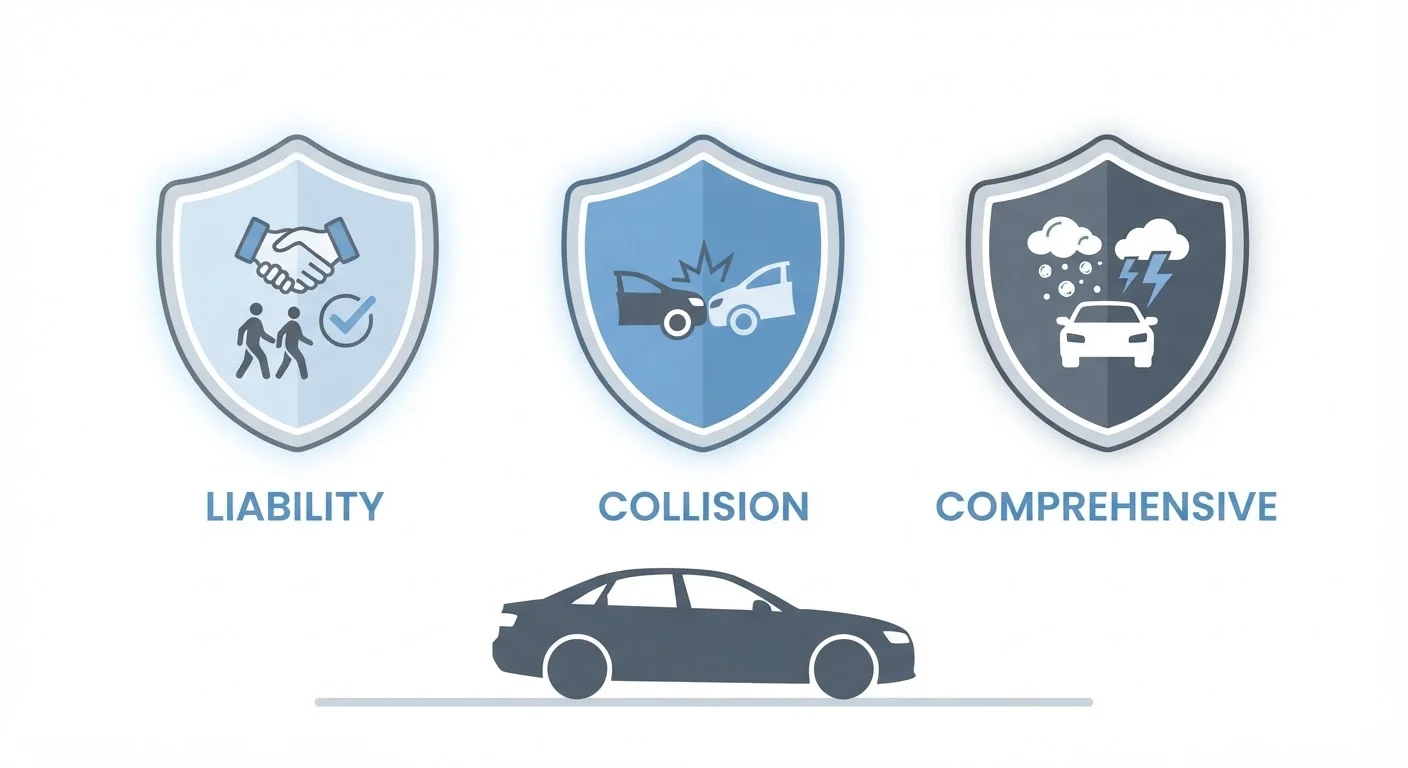
Collision and comprehensive are often grouped together - and frequently confused - but they cover fundamentally different risks. Understanding the distinction matters when you're choosing a policy or filing a claim.
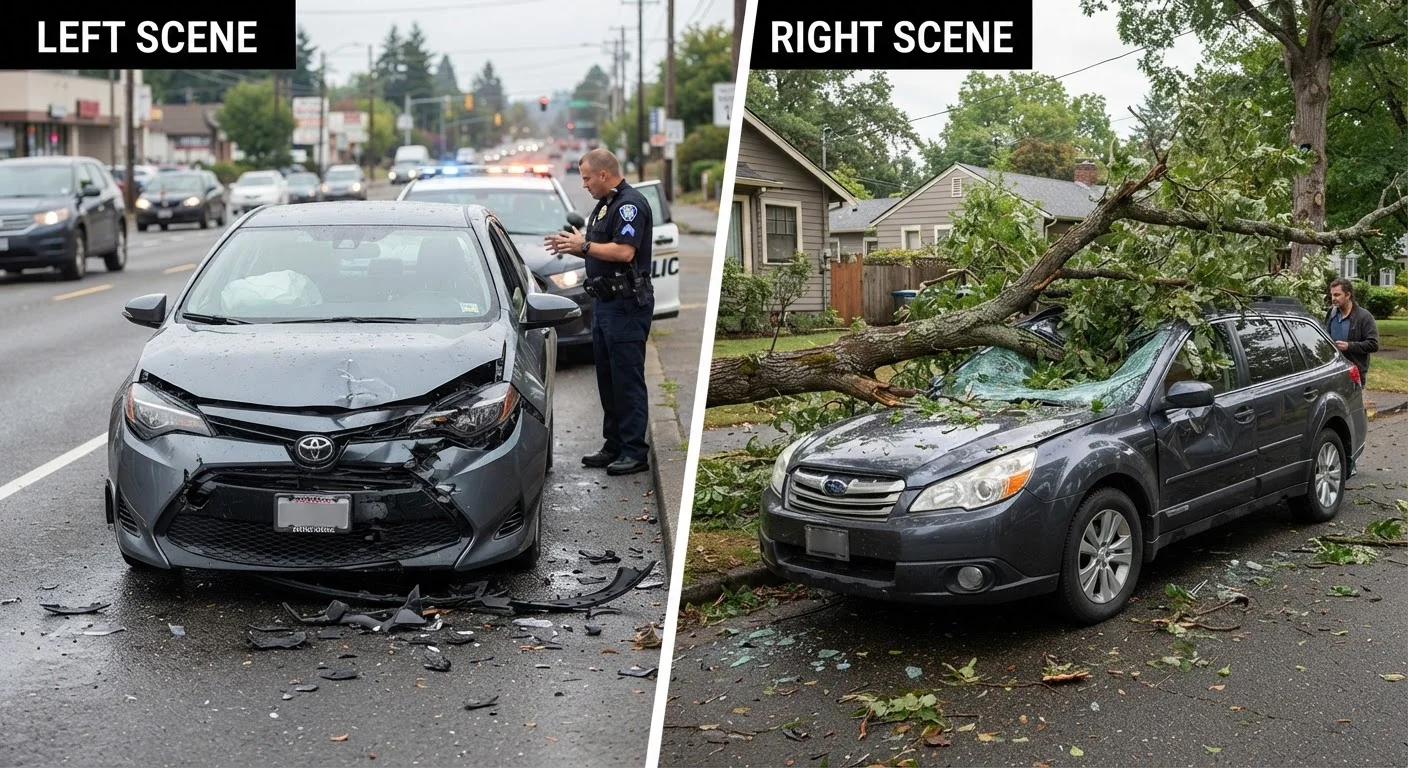
Collision coverage pays to repair or replace your vehicle when it's damaged in an accident involving another car, a guardrail, a pole, or any other object. It applies whether you caused the accident or not. If you rear-end another driver or slide into a curb during a storm, collision is the coverage that applies to your vehicle's damage.
Comprehensive coverage - sometimes called "other than collision" in policy language - handles a wide range of incidents that have nothing to do with driving into something. That includes theft, vandalism, falling objects, fire, flooding, hail, and striking an animal. If a deer runs into your car or a hailstorm dents your hood overnight in the driveway, that's a comprehensive claim.
For a broader look at how these fit alongside liability protection, see what each coverage type actually does.
| Criterion | Collision Coverage | Comprehensive Coverage |
|---|---|---|
| What triggers a claim | Accident with vehicle or object | Theft, weather, animals, fire, vandalism |
| Fault requirement | Pays regardless of fault | Not fault-related; event-based |
| Deductible applies | Yes | Yes |
| Required by law | No | No |
| Required by lenders | Typically yes | Typically yes |
| Covers theft | No | Yes |
| Covers flood/hail damage | No | Yes |
| Generally higher premium | Often yes | Often less than collision |
Deductibles, Premiums, and How Claims Work
Both collision and comprehensive are subject to a deductible - the amount you pay out of pocket before your insurer covers the rest. Common deductible amounts range from $250 to $1,500. Choosing a higher deductible lowers your monthly premium but increases what you owe at claim time.
Comprehensive claims tend to be filed more frequently than collision claims in many regions, but the individual payouts are often lower. Collision repairs - especially those involving structural damage or airbag deployment - can run significantly higher.
~6%
Average comprehensive loss frequency per insured vehicle per year
According to the Insurance Information Institute, comprehensive claims are filed at roughly this rate annually across U.S. policyholders.
~3%
Average collision loss frequency per insured vehicle per year
The Insurance Information Institute reports collision claims are filed less frequently than comprehensive, but average claim severity is considerably higher.
When you file a claim under either coverage, the insurer will assess your vehicle's actual cash value (ACV) - its market value at the time of loss, factoring in depreciation. If repair costs exceed ACV, the insurer will typically declare the vehicle a total loss and pay out the ACV minus your deductible.
One important nuance: collision and comprehensive only cover your vehicle. If you damage another driver's car, that's handled by your liability coverage. For a plain-language overview of how the full policy structure fits together, Auto Insurance Explained is a good starting point.
Do You Need Both, One, or Neither?
State laws mandate liability insurance for most drivers, but neither collision nor comprehensive is legally required. That said, if your vehicle is financed or leased, your lender almost certainly requires both - check your loan or lease agreement to confirm.
For vehicles you own outright, the decision comes down to risk tolerance and vehicle value. A general rule of thumb: if your annual premium for a coverage type plus your deductible exceeds a meaningful percentage of your car's current market value, it may be worth reassessing. That said, your individual risk factors - where you live, how you use the vehicle, and your financial cushion - should drive that evaluation. A licensed insurance agent can help you run the numbers for your specific situation.
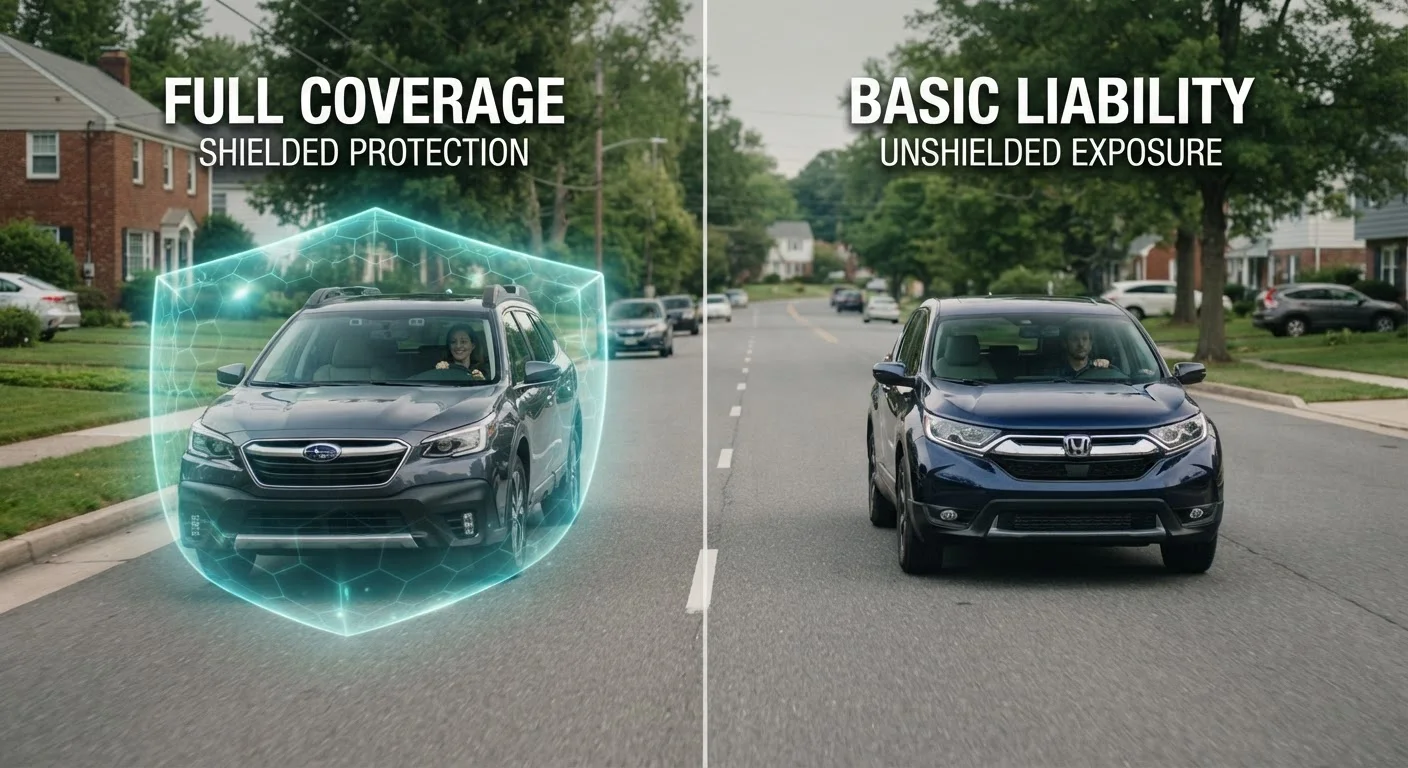
Drivers weighing a broader policy decision, such as whether to carry full coverage or liability only, can explore that tradeoff in more depth via Full Coverage vs. Liability-Only. And if you're shopping for a new policy, remember that price is only one dimension - what to compare beyond the price covers the rest.
This article provides general information about auto insurance coverage types and is not personalized insurance or financial advice. Coverage terms, exclusions, and availability vary by insurer and state. Consult a licensed insurance professional for guidance specific to your situation.