What an Ecosystem Actually Does
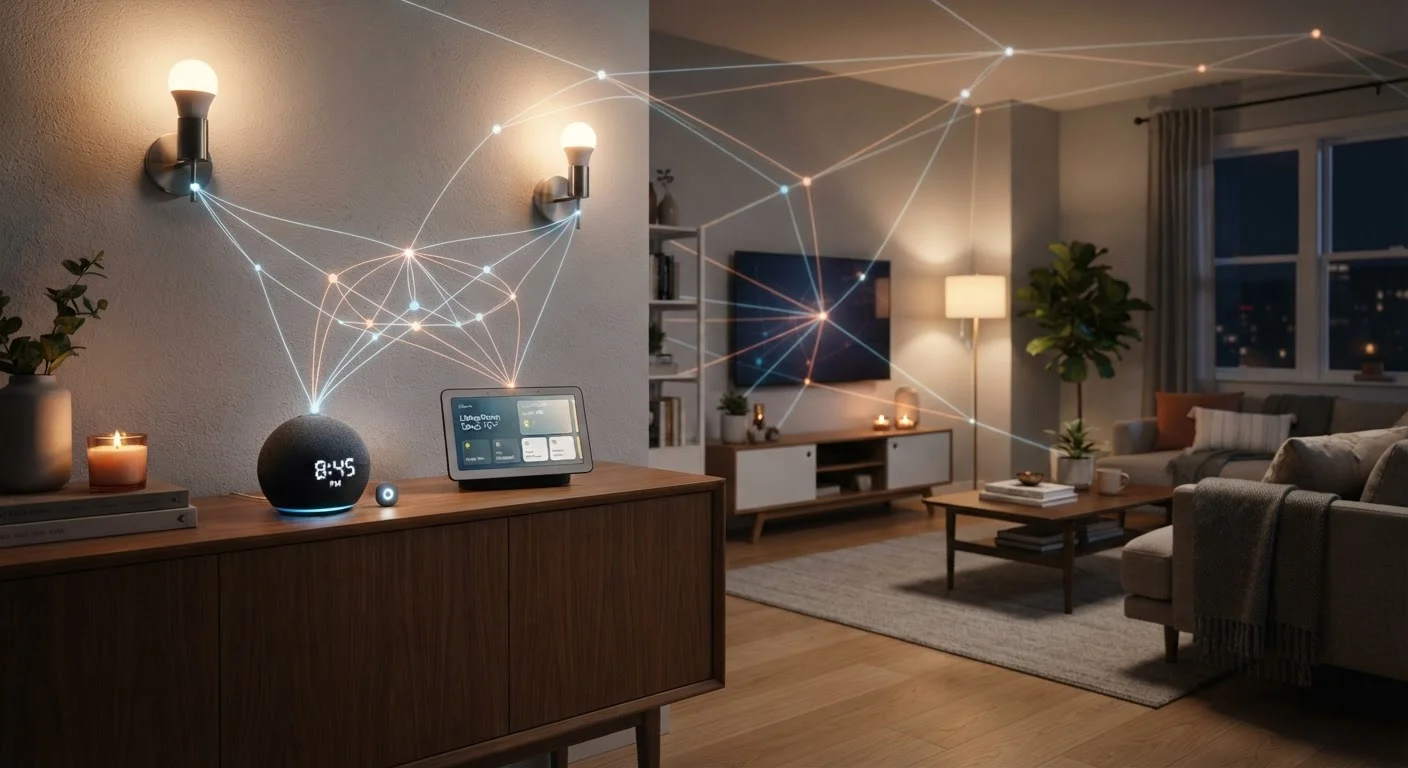
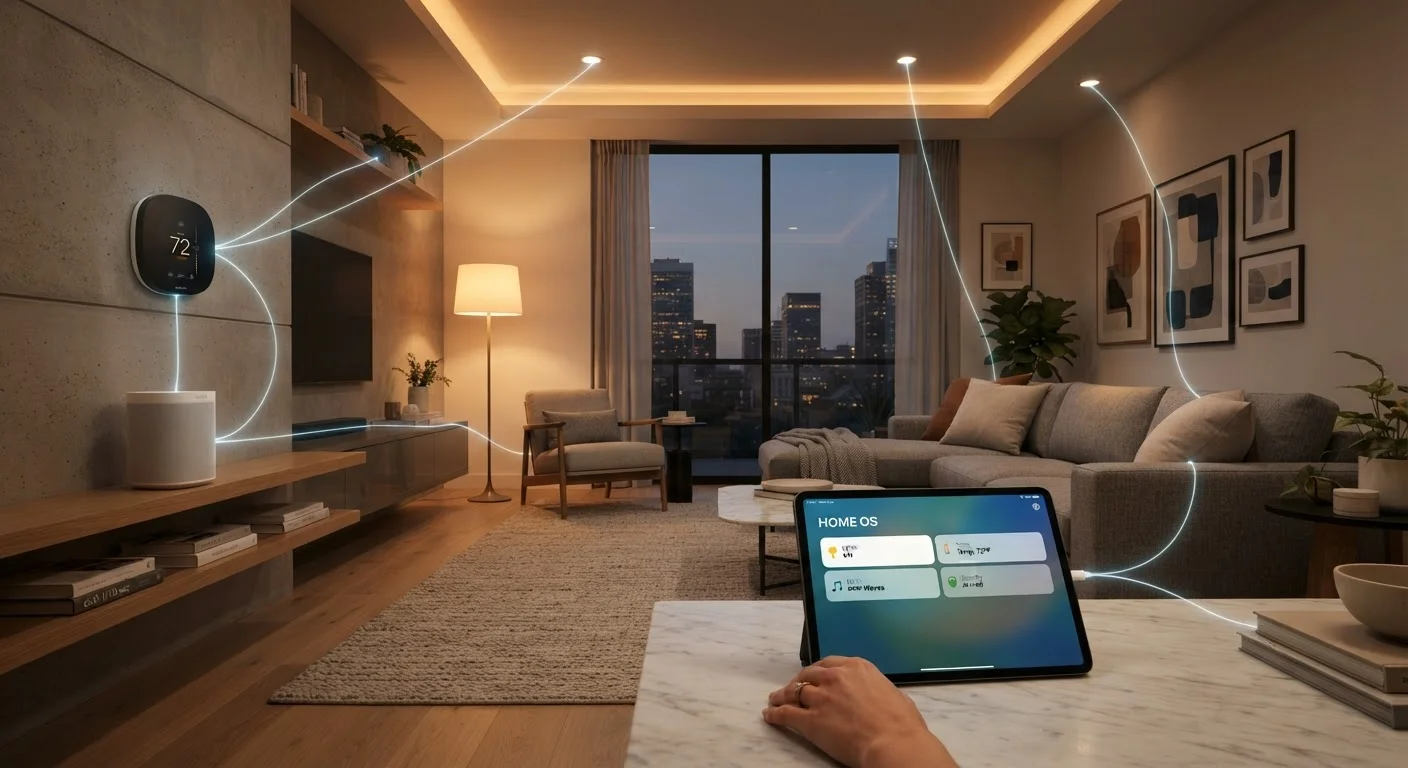
When people talk about a smart home ecosystem, they're describing the coordination layer that sits between your individual devices and the experience you have using them. A smart bulb, a video doorbell, and a connected thermostat don't inherently know about each other - the ecosystem is what ties them together.
At a practical level, an ecosystem typically includes three elements: a platform or app where you control devices, a voice assistant or hub that processes commands, and a set of supported communication protocols that devices use to send and receive data. When these elements align, you can create automations like "turn off all lights when I lock the front door" - actions that require multiple devices to cooperate.
For a fuller breakdown of the terminology involved, see our Connected Home Glossary covering hubs, bridges, mesh networks, and more.
300M+
Smart home devices sold globally per year
Industry analyst estimates place global annual smart home device shipments above 300 million units, reflecting rapid consumer adoption.
3+
Average ecosystems in a multi-device household
Research from smart home market analysts suggests many households end up managing devices across more than one platform due to incremental purchasing decisions.
600+
Matter-certified products available
The Connectivity Standards Alliance reported over 600 Matter-certified products in the market within two years of the standard's release.
How Devices Communicate Within an Ecosystem
Devices in a smart home don't all speak the same language by default. They use wireless protocols - rules governing how data is transmitted - and the ecosystem platform translates between them when needed.
The most common protocols include:
- Wi-Fi: High bandwidth and widely supported, but can strain a home router when many devices are connected simultaneously.
- Zigbee and Z-Wave: Low-power mesh protocols where devices relay signals to each other, extending range. These typically require a hub to connect to your broader network.
- Bluetooth: Short-range and hub-free for simple devices, though it has distance limitations.
- Thread: A newer mesh protocol designed for reliability and low power, often used alongside the Matter standard.
The Matter standard, backed by major platform developers, aims to give devices a shared protocol layer so they can work across ecosystems without needing custom integrations. Our article explaining the Matter standard covers what it delivers in practice and where limitations still exist.
Why Ecosystem Choice Has Long-Term Consequences
The ecosystem you choose early shapes every device purchase you make afterward. A smart home built around one platform works smoothly when you stay within it - and can become fragmented when you don't. This isn't a permanent lock-in, but switching platforms later often means re-pairing devices, reconfiguring automations, and sometimes replacing hardware that isn't cross-compatible.
Consider which voice assistant you already use regularly, which operating system your phone runs, and how much automation control you want. Some platforms prioritize simplicity; others offer deep customization for users who want granular control over device behavior.
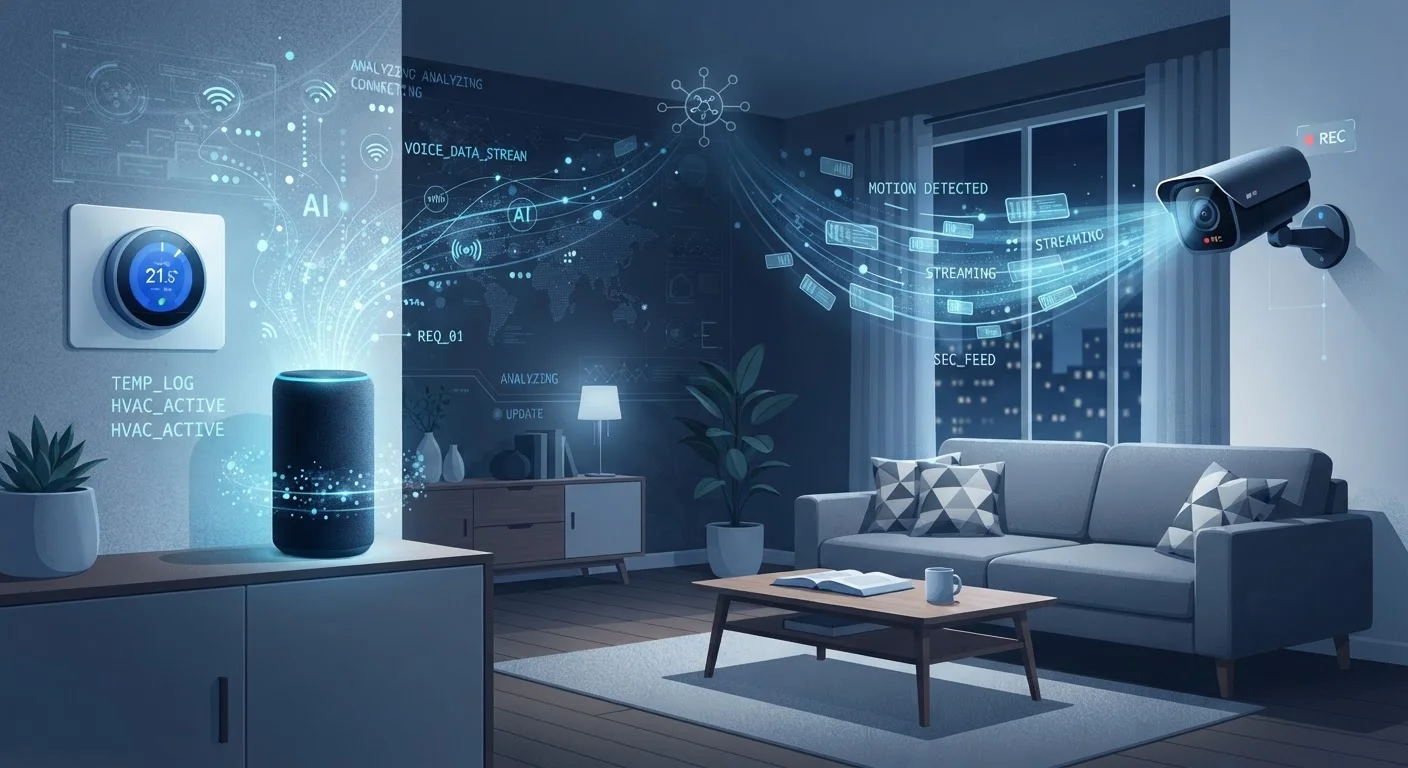
Privacy is also worth factoring in. Different ecosystems handle data collection differently, including how much is processed locally versus sent to cloud servers. Our coverage of smart device data collection gives an honest breakdown of what to watch for.
Check Ecosystem Compatibility Before You Buy
Before purchasing any smart device, verify it explicitly lists your primary ecosystem - not just a generic "smart home compatible" badge. Look for your platform named specifically in the device's compatibility list. This small check avoids the most common source of smart home frustration.
Building a Coherent Smart Home
A well-functioning smart home doesn't require every device to be from the same manufacturer - it requires devices that share a compatible ecosystem or protocol. Before buying any new device, confirm it lists your chosen ecosystem as supported, not just "works with" in marketing language, which can mean limited feature access.
Start with a central controller - a smart speaker, display, or dedicated hub - then expand from there. Automations and routines become more useful as you add more compatible devices, so thinking ahead about what you want your home to do makes early decisions easier to get right.
If you're just getting started, our practical guide for new smart home owners walks through the building blocks without assuming prior experience. And once devices are connected, securing your home network is an important next step to reduce exposure from poorly configured devices.