Why the Schedule in Your Owner's Manual Is the Right One
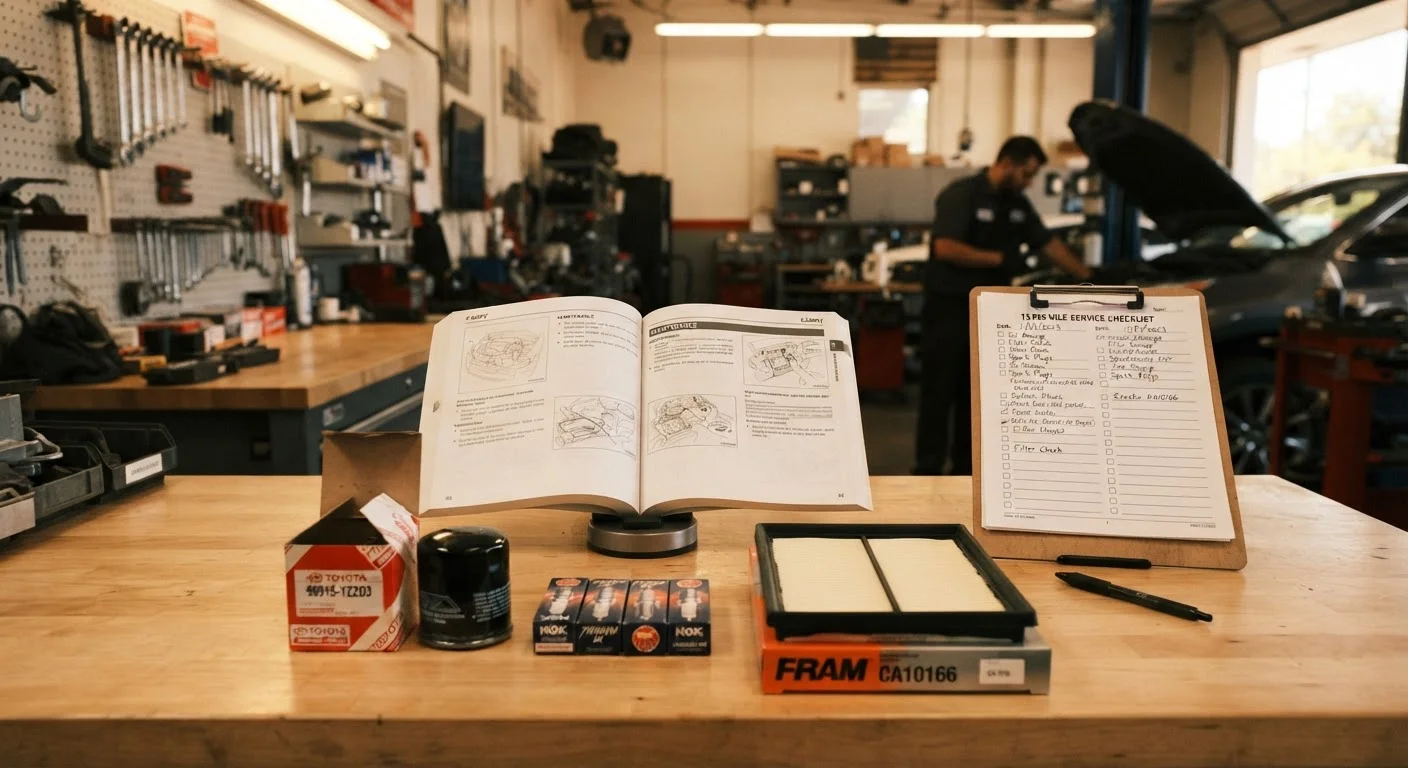
Every vehicle manufacturer engineers its cars with specific tolerances, fluid capacities, and component lifespans. The maintenance schedule in your owner's manual reflects that engineering - it's not a generic estimate. Generic advice from the internet or a quick-lube shop sticker may not match what your engine, transmission, or brakes actually need.
If you've misplaced your manual, most automakers post digital versions on their websites, and your dealership's service department can provide the correct schedule for your vehicle identification number (VIN). The VIN - the 17-character code typically found on your dashboard near the windshield or on your registration - uniquely identifies your car's make, model, year, and configuration.
For a deeper look at how maintenance history affects buying and selling decisions, see the Buying & Selling hub.
The Major Milestone Intervals and What They Cover
Maintenance schedules are structured around mileage milestones, with time intervals (months) serving as a backup trigger - whichever comes first applies.
77%
Of vehicles found to need service or repairs
According to the Car Care Council's national Vehicle Health Index, a significant majority of vehicles inspected at care events show at least one maintenance deficiency.
5,000-10,000 mi
Typical oil change interval for synthetic oil
Most manufacturers of modern vehicles using full-synthetic motor oil specify intervals in this range, replacing the outdated 3,000-mile rule.
60,000 mi
Common timing belt inspection threshold
Many manufacturers recommend inspecting or replacing the timing belt around this milestone; failure of this component can cause severe engine damage.
Every 5,000-10,000 Miles
This is the most frequent service tier. It typically includes an oil and filter change (the interval depends on your oil type - conventional vs. full synthetic), a tire rotation, and a visual inspection of fluid levels and lights. These frequent check-ins are your first line of defense against small problems becoming expensive ones.
Every 15,000-30,000 Miles
At this range, expect inspections or replacements of the engine air filter, cabin air filter, brake pads, battery terminals, and belts. Fuel system components and spark plugs may also enter the picture depending on your vehicle type. Our car fluid maintenance guide covers what each fluid does and when it needs attention.
Every 60,000-100,000 Miles
These are the big-ticket intervals. Timing belt or chain inspection, coolant flush, transmission fluid replacement, and brake fluid service often fall here. These services are more involved and should be performed by a qualified mechanic - the consequences of getting them wrong involve core engine or drivetrain systems.
Normal vs. Severe Driving: Which Schedule Applies to You?
Most drivers assume they follow "normal" driving patterns, but manufacturer definitions of severe conditions are broader than most people expect. If you regularly drive in stop-and-go city traffic, take frequent short trips, live in a region with extreme cold or heat, or tow a trailer or haul heavy cargo, the severe-duty schedule likely applies to you.
Ignoring severe-duty requirements means your fluids and filters may degrade faster than the normal schedule accounts for, leading to accelerated wear. Check the condition-specific guidance in your owner's manual and be honest about how you use your vehicle.
Weather-driven demands on your car are another factor - see our seasonal car care guide for what to inspect before extreme temperatures arrive.
Warning Signs That Service Is Overdue
Even if you track mileage carefully, your car may signal that service is needed before the next scheduled interval. Dashboard warning lights are the most direct alerts - and understanding them matters. Our dashboard warning lights guide explains what each symbol means and what action to take.
Beyond warning lights, pay attention to changes in how your car drives: unusual noises during braking, sluggish acceleration, rough idling, or a burning smell. These can indicate that a service item - brake pads, spark plugs, or a fluid - has degraded past its useful life. Contrast this with the habits that quietly shorten a car's life, many of which involve ignoring these early signals.
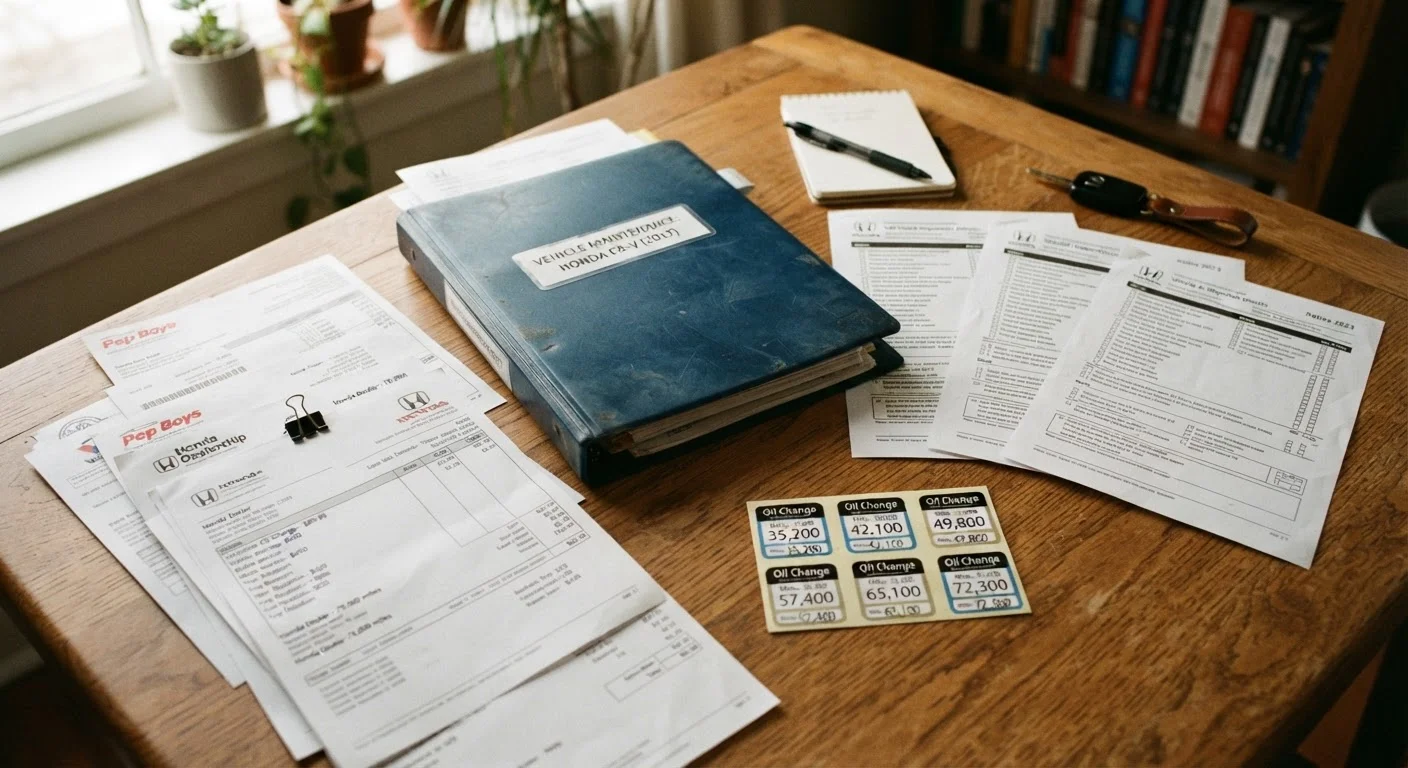
Staying current with your schedule, tracking your service history, and responding to early warning signs are the three habits that separate reliable vehicles from expensive ones. For guidance on building a service record, see our article on keeping maintenance records.