How Dashboard Warning Lights Are Organized
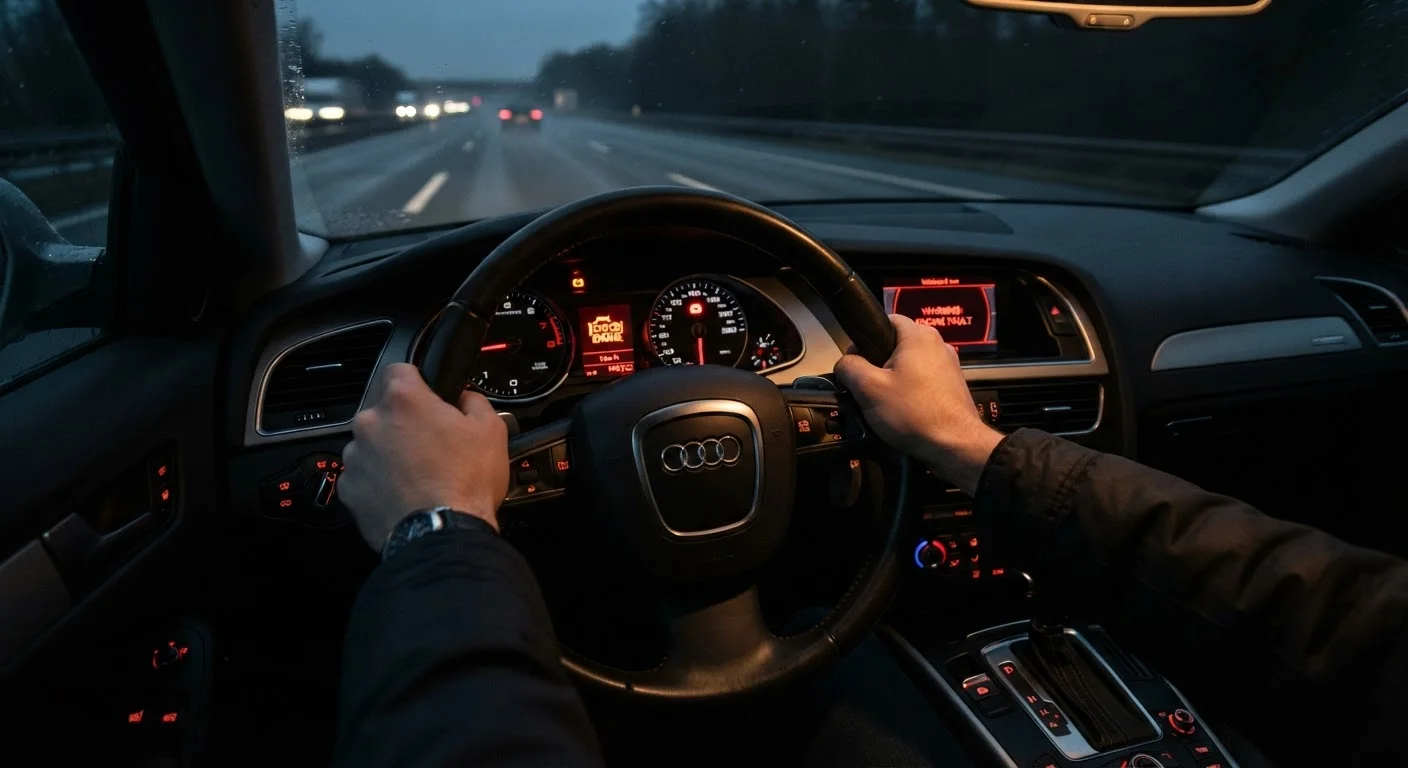
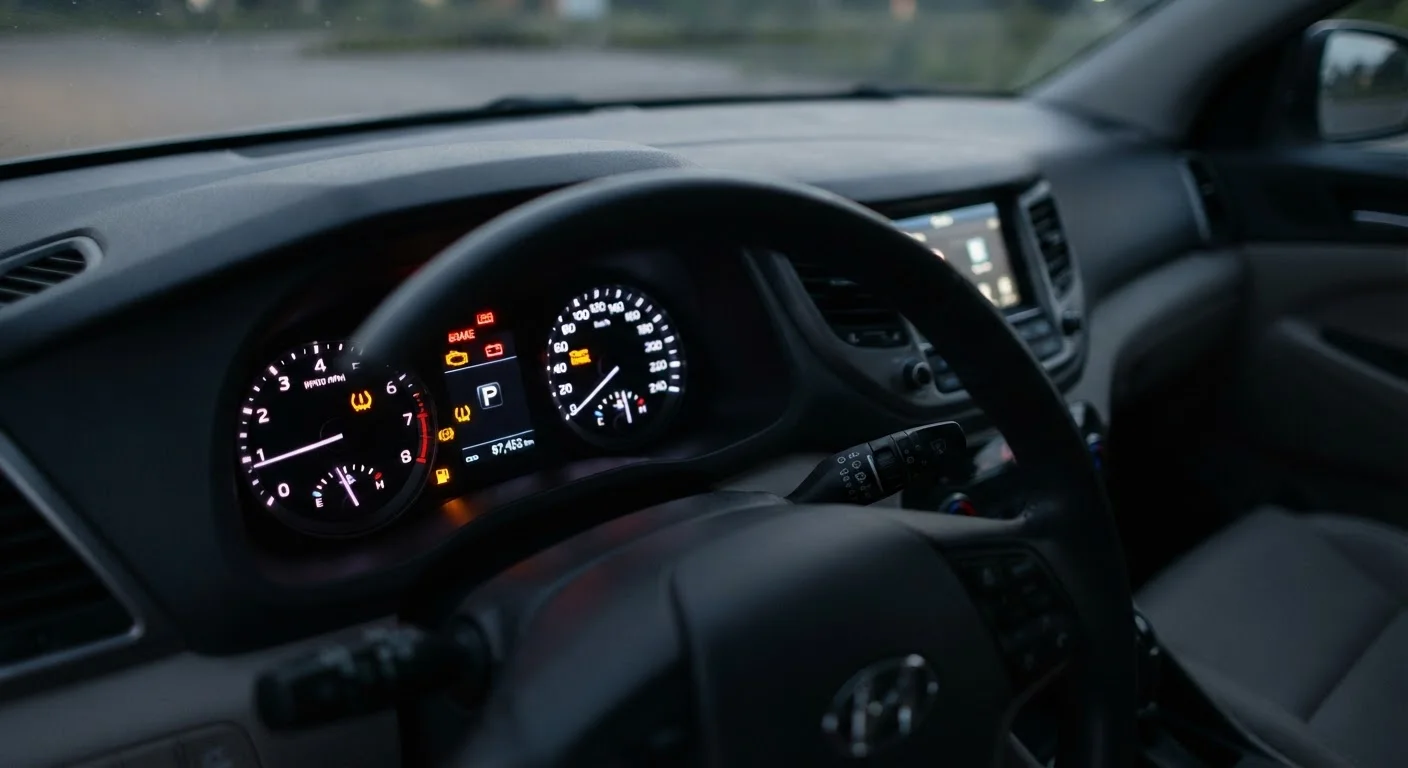
Modern vehicles use a color-coded system to signal urgency - think of it like a traffic light built into your instrument cluster.
- Red lights indicate serious conditions requiring prompt action, such as low oil pressure or overheating. Do not ignore them.
- Yellow or amber lights flag issues that need attention soon but typically don't require you to stop immediately - think check engine or TPMS alerts.
- Green and blue lights are informational, confirming that a feature is active (headlights, cruise control, high beams).
Most symbols are standardized across manufacturers, but your owner's manual remains the definitive reference. There's almost always a warning light index in the back - it takes about two minutes to find, and it's worth knowing where it is before you need it.
OBD-II Scanner
A handheld device that plugs into a standard port under your dashboard to read diagnostic trouble codes stored by your car's computer, helping identify why a warning light is on.
MIL (Malfunction Indicator Lamp)
The official name for the check engine light. It illuminates when the vehicle's onboard diagnostics detect a fault in the engine, transmission, or emissions system.
TPMS
Tire Pressure Monitoring System - a sensor network that alerts you when one or more tires drop significantly below recommended inflation pressure.
Fault Code
A standardized alphanumeric code (such as P0300) stored by a vehicle's computer when a problem is detected. Reading these codes is the first step in diagnosing what triggered a warning light.
Instrument Cluster
The panel directly behind your steering wheel that contains the speedometer, fuel gauge, and all dashboard warning lights.
The Most Common Warning Lights Explained
Here's what the lights you're most likely to see actually mean, and what you should do next.
Check Engine Light (MIL)
The Malfunction Indicator Lamp covers hundreds of possible fault codes - anything from a loose gas cap to a failing oxygen sensor. A solid light means investigate soon. A flashing light means an active engine misfire is occurring and you should reduce speed and seek service promptly to prevent catalytic converter damage.
Oil Pressure Warning
This is the oil-can icon. When it appears while driving, pull over as soon as it's safe, shut off the engine, and check the dipstick. Running an engine with critically low oil pressure can cause irreversible internal damage within minutes.
Engine Temperature Warning
A thermometer submerged in liquid means coolant temperature is dangerously high. Pull over, turn off the engine, and let it cool completely before opening the hood - never open a hot radiator cap. Have the cooling system inspected before driving further.
Battery / Charging System
The battery icon usually means the alternator isn't producing enough charge, not necessarily that the battery is dead. Your car may keep running on the battery's reserve, but electrical systems will begin to fail. Head toward a shop.
TPMS (Tire Pressure Monitoring System)
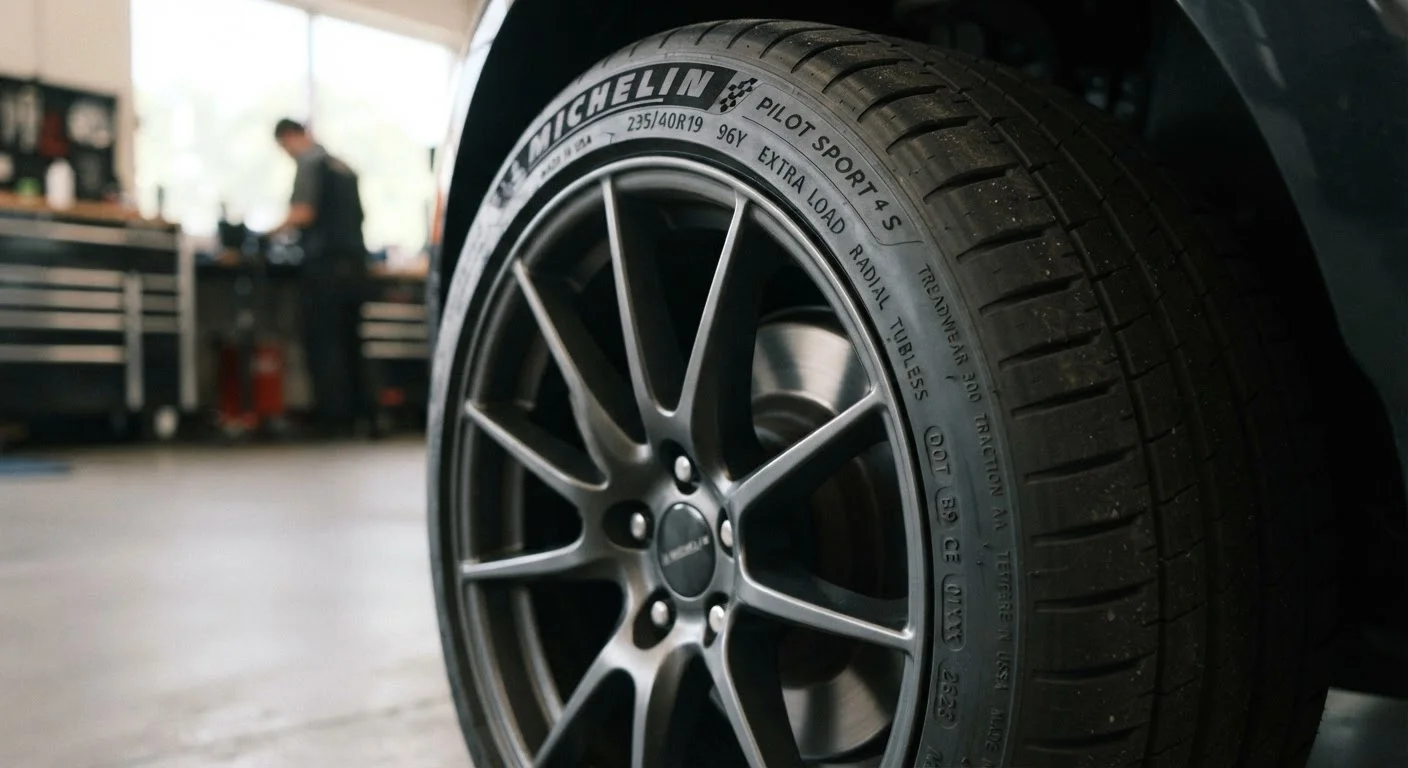
A solid TPMS light means one or more tires are significantly underinflated. Check all four tires and inflate to the PSI on your driver's door jamb sticker. A flashing TPMS light after startup suggests a sensor fault. For a deeper dive on tire numbers, see the Tire Pressure, Tread, and Rotation reference card.
Brake System Warning
If this light appears when the parking brake isn't engaged, it could indicate low brake fluid or a brake system fault. Both are serious safety concerns - have the vehicle inspected before driving extensively.
When to Pull Over Immediately vs. Schedule a Visit
Not every light is a four-alarm emergency, but some are. Use this framework to calibrate your response.
| Light | Response |
|---|---|
| Oil pressure (red, engine running) | Pull over immediately, engine off |
| Engine temperature (red) | Pull over immediately, let cool |
| Brake system (red, no parking brake) | Drive cautiously to a shop or call for service |
| Check engine (flashing) | Reduce speed, seek service promptly |
| Check engine (solid) | Schedule a diagnosis within a few days |
| TPMS (solid) | Check tire pressure at your next stop |
| Battery icon | Head toward a shop; limit electrical loads |
If you notice symptoms beyond just a warning light - unusual sounds, smells, or changes in how the car handles - treat the situation as more urgent. Our guide on signs your car is trying to tell you something is wrong explains what those sensory cues tend to mean.
Never Ignore a Red Warning Light While Driving
Red lights indicate conditions that can cause serious mechanical damage or create a safety hazard if ignored. Continuing to drive with an active oil pressure or engine temperature warning can result in catastrophic engine failure. When in doubt, pull over safely and call for assistance rather than pressing on.
What to Do Before You See a Mechanic
Walking into a shop informed saves time and reduces the chance of misunderstanding. Here are practical steps you can take first.
- Check the basics yourself. Oil level, coolant level, tire pressure, and gas cap tightness can be verified in a parking lot in under five minutes. A loose gas cap is one of the most common triggers for a check engine light.
- Use an OBD-II scanner. These plug into a port under your dashboard (usually near the steering column) and read fault codes. Many auto parts retailers will scan for free. Knowing the code (e.g., P0420) before you arrive gives you something concrete to discuss.
- Write down what you observed. Note when the light appeared, whether it's intermittent or constant, and any sounds or performance changes. This context helps a technician diagnose faster.
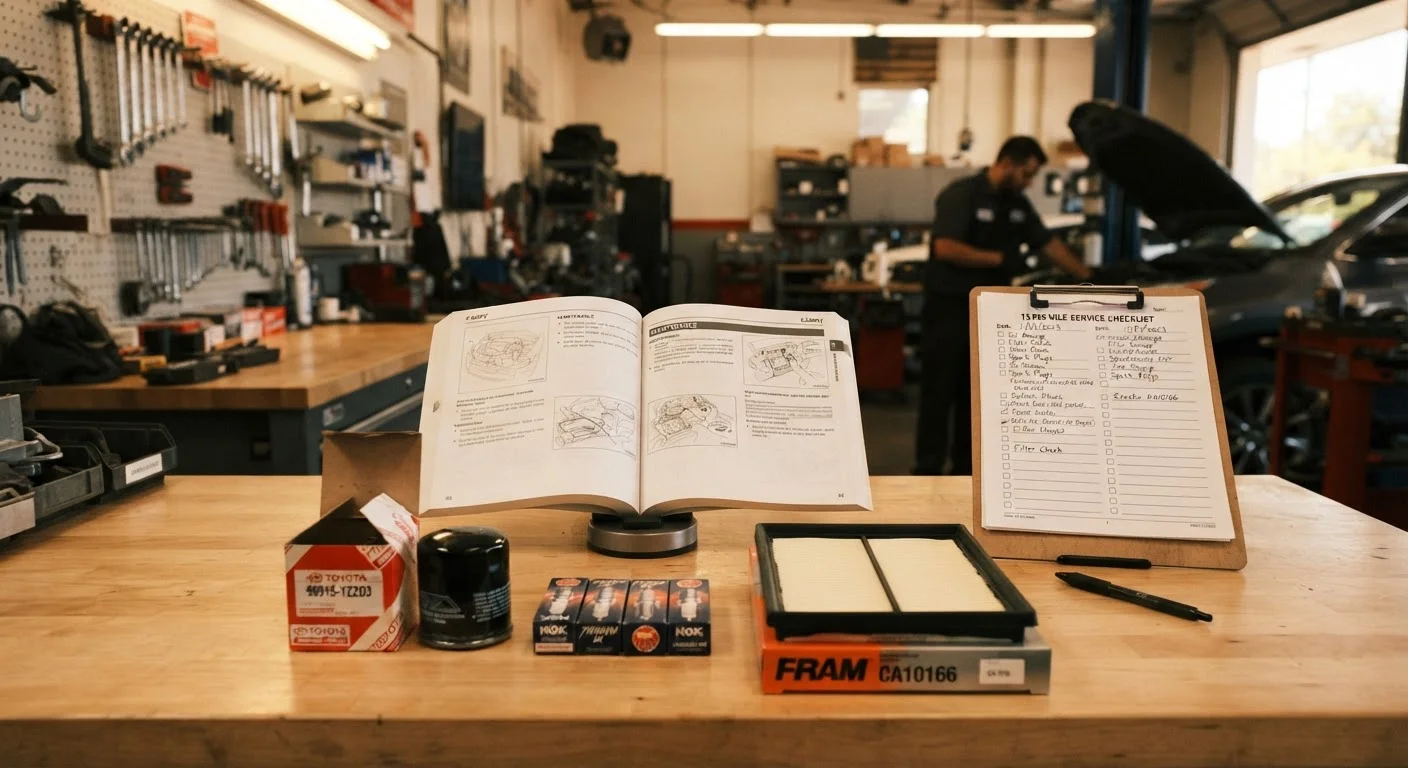
- Check your maintenance history. If you're overdue on scheduled services, that context matters. Our car maintenance schedule guide breaks down what each service interval covers and why it matters.
Dashboard lights are your vehicle's way of asking for attention - not cause for panic, but not something to ignore indefinitely either. The color tells you urgency, the symbol tells you the system, and your owner's manual fills in the details. When in doubt, a qualified mechanic is always the right call.
Keep Your Owner's Manual Accessible
Store your owner's manual in the glove box and bookmark the warning light index page. If you drive a used vehicle without a manual, most manufacturers offer free digital versions on their websites, and third-party sites archive them by make, model, and year.