Why Seasonal Prep Matters More Than Most Drivers Realize
Temperature extremes are among the harshest stressors a vehicle faces. Cold weather thickens engine oil, strains batteries, and makes rubber components brittle. Summer heat accelerates fluid breakdown, overloads cooling systems, and can bring tires to the edge of their pressure limits. Most breakdowns aren't random - they're the predictable result of deferred maintenance colliding with weather stress.
This checklist is organized by system, not by season, because most of these checks apply going into both winter and summer. Where a step is season-specific, it's labeled. Pair this with your manufacturer's maintenance intervals to make sure nothing falls through the cracks.
Don't Wait for the First Extreme Day
Many drivers put off seasonal checks until after a cold snap or heat wave has already caused a problem. At that point, repair shops are busier and roadside assistance waits are longer. Running through this checklist two to four weeks before the season turns gives you time to address issues without urgency.
Tools and Resources You'll Need
Most items on this checklist require only a few basic supplies and about 20 minutes in your driveway. Some - particularly brake inspection and cooling system service - are best left to a qualified mechanic. Know your comfort level before you start.
Tire pressure gauge
Accurately measures PSI in each tire so you can inflate or deflate to the manufacturer's spec.
Multimeter or battery tester
Tests battery voltage to identify weak cells before cold weather causes a no-start situation.
Flashlight or work light
Illuminates the engine bay and wheel wells for fluid and visual inspections.
Nitrile gloves
Protects hands from battery acid, coolant, and brake fluid during under-hood checks.
Tread depth gauge
Provides a precise tread measurement beyond what the quarter or penny test alone can give.
Mechanic or service shop
Handles brake inspections, cooling system flushes, and any repairs beyond basic fluid and visual checks.
The Full Seasonal Car Care Checklist
Work through these groups in order. Check off each item before the season changes, not after the first cold snap or heat wave has already put your vehicle under stress. For a deeper look at what each fluid does and when it actually needs changing, see our guide to car fluid maintenance.
Battery and Electrical
Tires and Wheels
Fluids
Brakes and Safety Systems
Visibility and Wipers
Emergency Kit and Preparedness
Brake and Suspension Work Requires a Professional
Several items on this checklist - particularly brake pad inspection, rotor condition, and suspension components - require hands-on inspection by a qualified mechanic. Visual checks from outside the wheel well are not a substitute for a proper lift inspection. If you notice any unusual sounds, vibrations, or pulling during braking or driving, take the vehicle to a shop before your next long trip.
A Note on Batteries: The Most Common Seasonal Failure
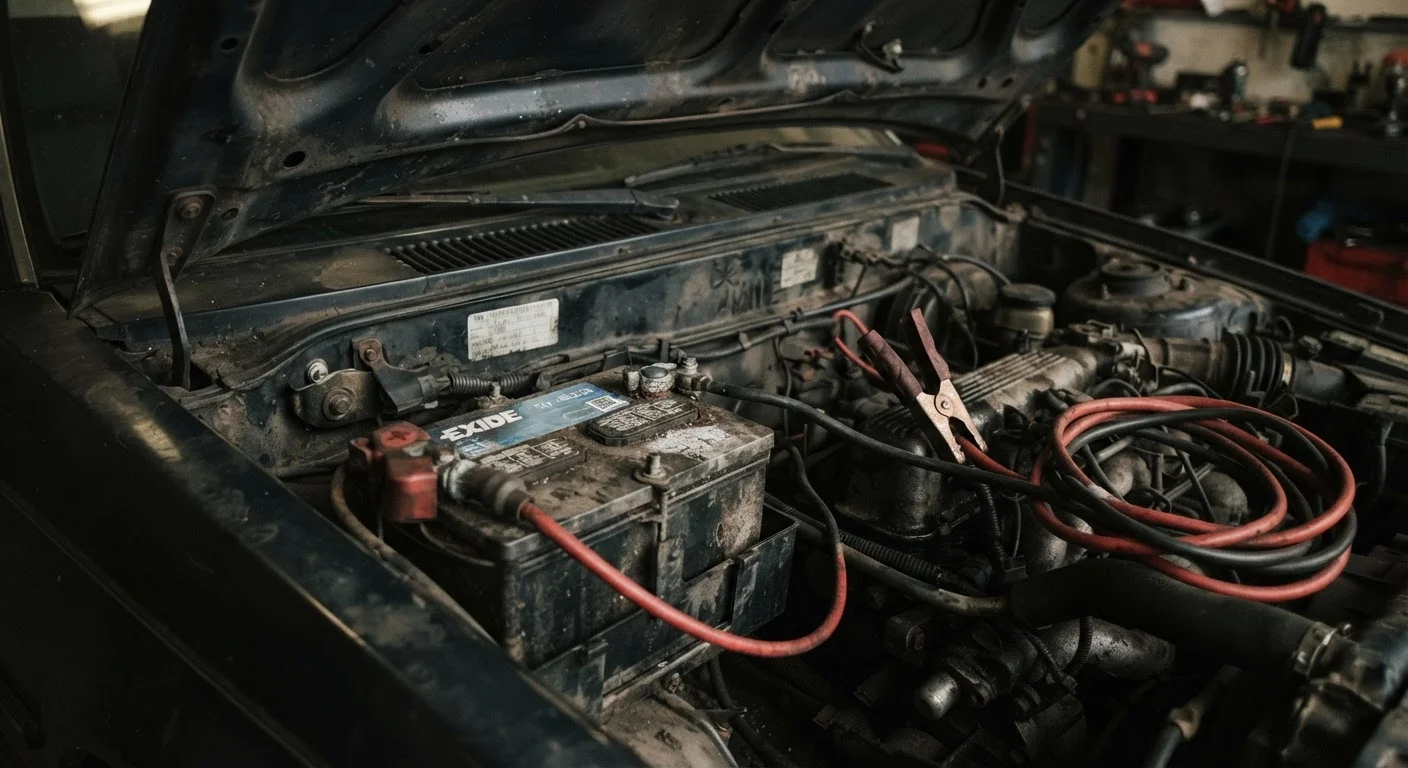
Battery failure is the single most frequent cause of seasonal breakdowns. Cold temperatures reduce a battery's available cranking power, while heat accelerates internal corrosion and fluid evaporation. A battery that performs adequately in mild weather can fail completely when temperatures drop below freezing or climb above 95°F.
Most auto parts stores will test your battery for free. If it's more than three years old and showing any sign of sluggish starts, have it load-tested before the season turns. For a frank look at what the cold actually does - and doesn't do - to batteries, our battery myths article is worth a read.
Also worth noting: skipping oil changes, ignoring small leaks, and other seemingly minor habits compound over time. The maintenance habits that shorten a car's life are often the same ones that make seasonal breakdowns more likely.