Why an Independent Inspection Matters
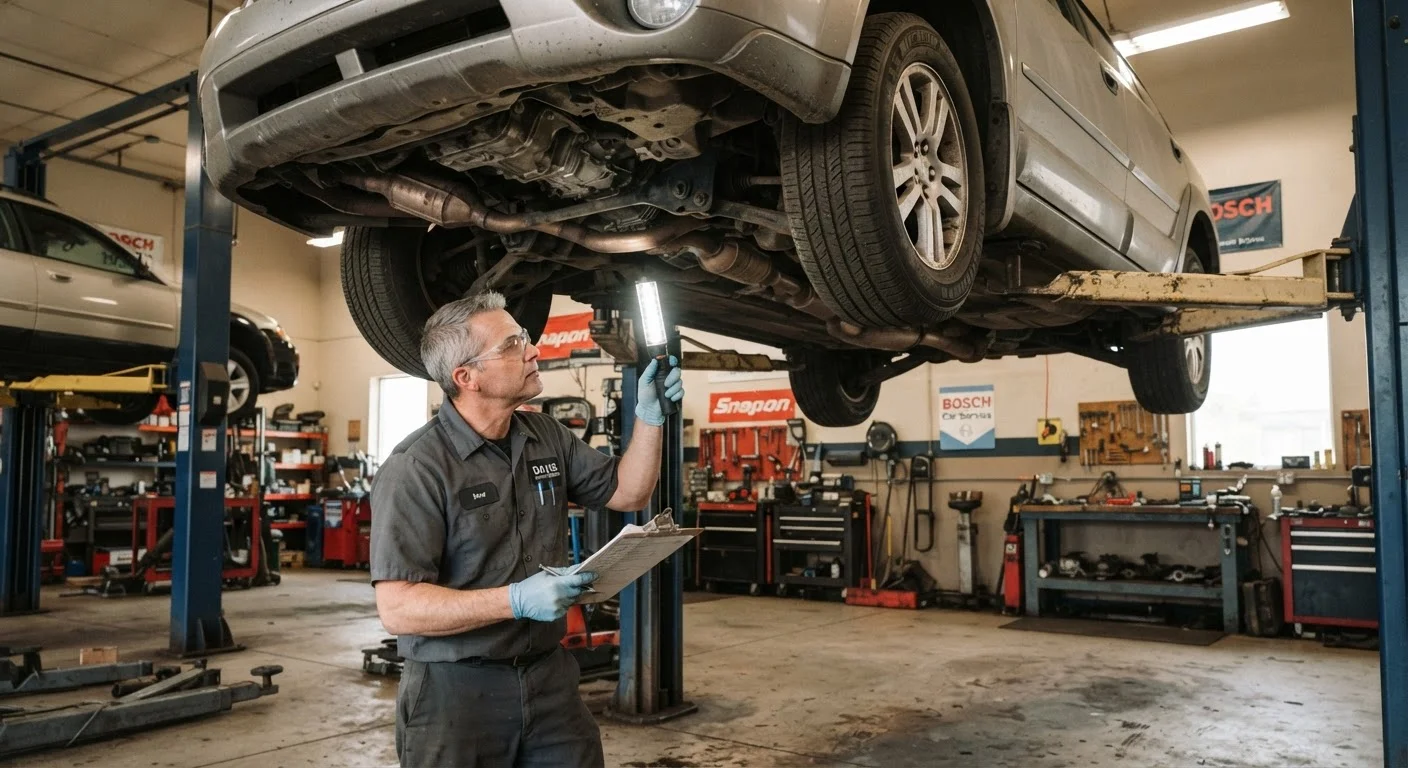
A used vehicle listing tells you what the seller wants you to know. A pre-purchase inspection (PPI) - conducted by a mechanic you choose and pay for - tells you what the car actually is. That distinction is worth understanding before you hand over a deposit.
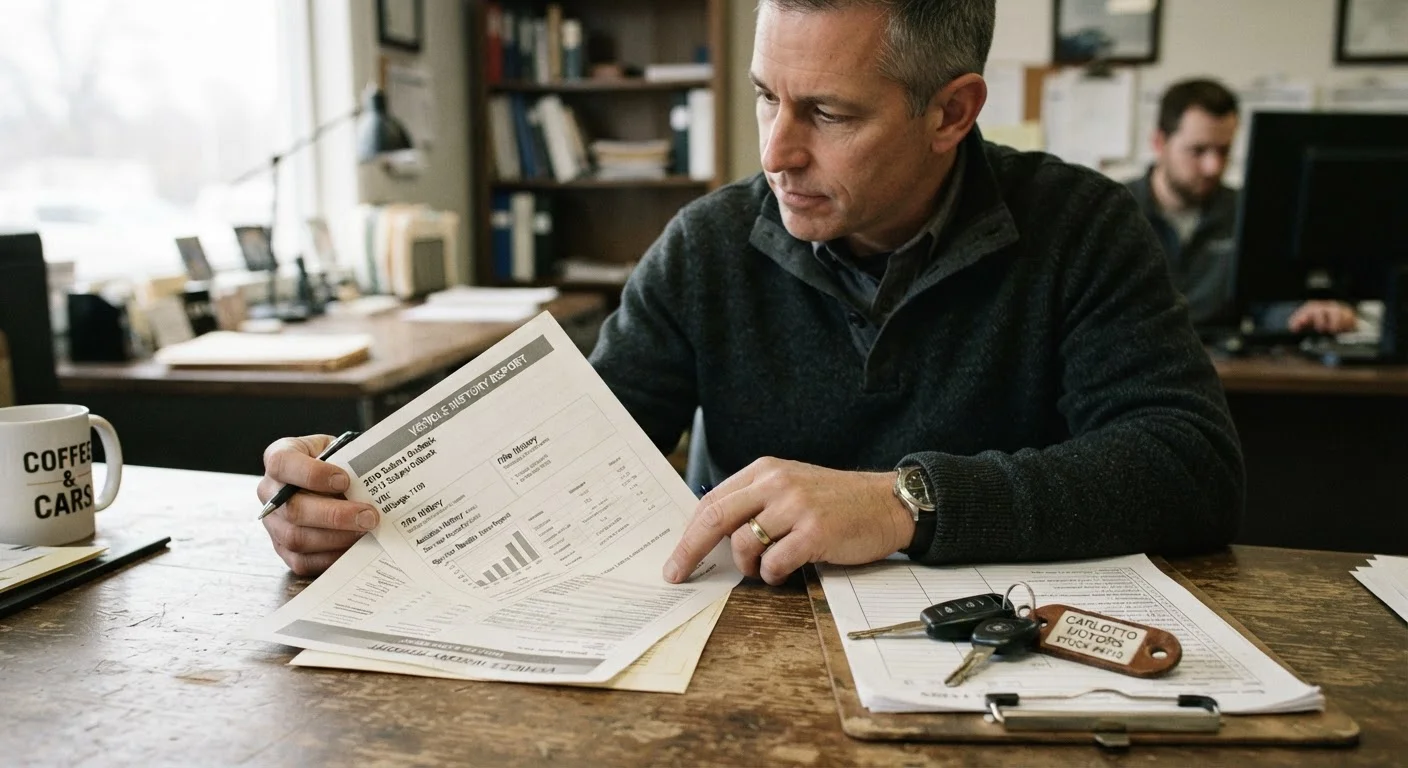
Sellers are not required to disclose every mechanical issue, and even well-meaning private sellers may not know about problems lurking under the hood. A vehicle history report can surface accident records and odometer flags, but it cannot detect worn brake pads, a leaking axle seal, or a failing water pump. That requires eyes and hands on the car.
A PPI typically costs between $100 and $200 at an independent shop or a franchised service center. Set against the cost of a used vehicle purchase - or a surprise $2,000 repair two weeks after buying - it is among the most cost-effective steps in the used car buying process.
Never Use the Seller's Preferred Shop
Some sellers will offer to have the car inspected at a shop they recommend or have a relationship with. Decline. An independent inspector - one you locate and contact yourself - is the only way to ensure the assessment is unbiased. Ask the seller to allow you to take the car to a shop of your choosing, or arrange a mobile inspection service.
What the Inspector Should Examine
Not all inspections are equal. When you book a PPI, ask the shop to walk through each of the areas below. A thorough inspection covers five core systems plus the vehicle's body and documentation. Use this checklist as your benchmark - and ask for a written report when the inspection is complete.
Engine & Drivetrain
Brakes & Suspension
Body & Structural Integrity
Electrical & HVAC Systems
Road Test & Final Documentation
Tools and Resources to Have Ready
A PPI does not require you to be a mechanic, but going in prepared makes the process more useful. Have these resources available before and after the inspection.
Independent Mechanic or Third-Party Inspection Service
Performs the physical PPI - choose a shop with no financial relationship to the seller.
Vehicle History Report (e.g., from NMVTIS-approved providers)
Supplements the PPI with title, accident, and odometer records.
OBD-II Scanner
Reads stored and pending fault codes from the vehicle's onboard computer before or during the inspection.
Inspection Report Template
A written checklist given to or used by the mechanic to ensure no system is skipped.
Once you have the inspection report in hand, review any flagged items against the asking price. If major work is needed, that finding is a legitimate basis for renegotiating - or walking away. After purchase, your next step is making sure the vehicle is properly covered. See our guide to comparing auto insurance beyond price to understand what coverage you'll need. If you are deciding between a standard used vehicle and a certified pre-owned model, understanding what CPO certification actually guarantees will sharpen that decision.
This article is for general informational purposes only. Inspection scope, costs, and findings vary by vehicle, inspector, and region. Always have a qualified, licensed mechanic assess any vehicle before purchase.