What a Vehicle History Report Actually Contains
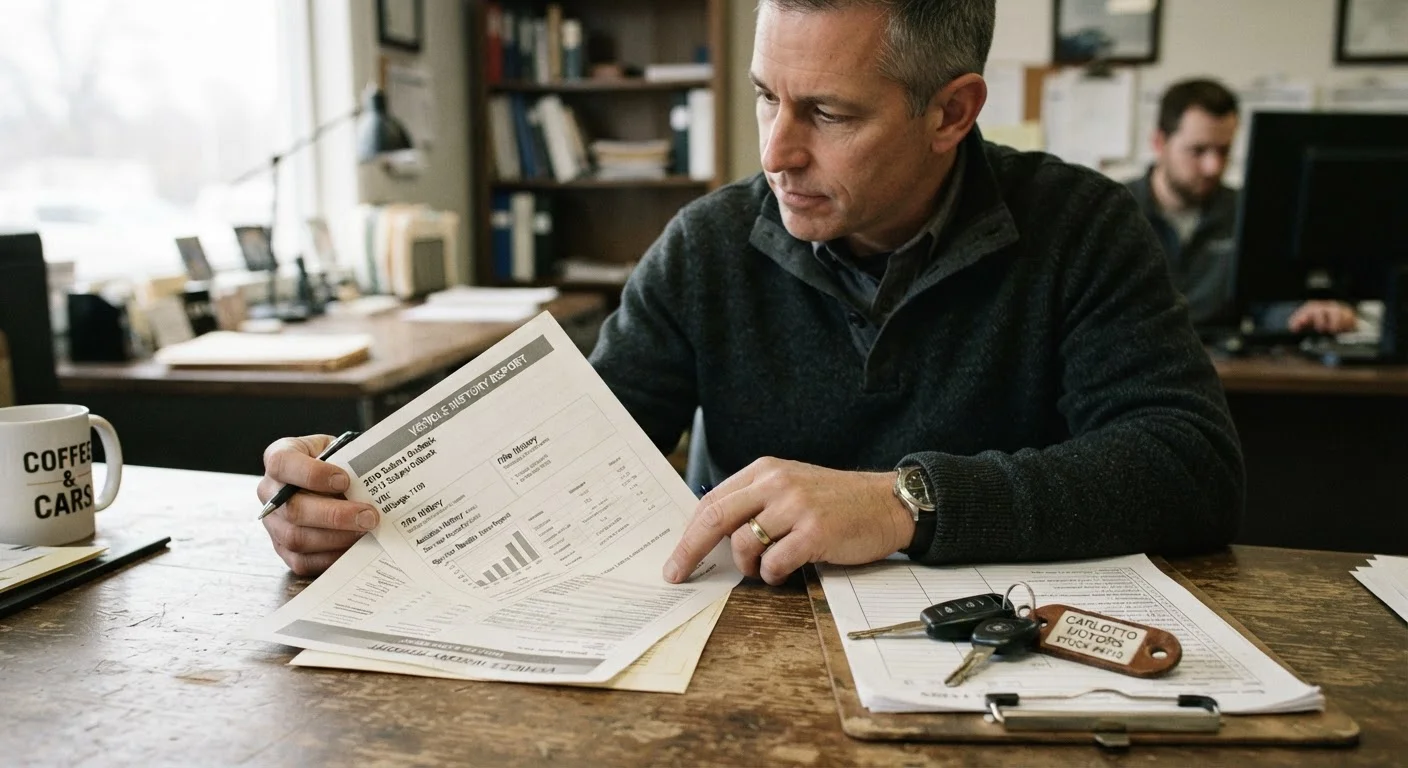
When a seller or dealer hands you a vehicle history report, they're giving you a window into the car's official paper trail - not a complete biography. Understanding exactly what that paper trail includes helps you interpret it accurately rather than over- or under-reacting to what you see.
Most reports compile data from several source categories:
- Title records: Whether the title is clean, or carries a brand such as salvage, rebuilt, flood damage, lemon law buyback, or junk. A branded title is one of the most consequential findings a report can surface.
- Accident and damage history: Insurance claims, airbag deployments, and structural damage that was officially reported.
- Odometer readings: Snapshots logged at inspections, registrations, and service visits. Inconsistencies here can signal rollback fraud.
- Ownership history: Number of previous owners and whether the vehicle was used personally, as a rental, or in a fleet.
- Service and maintenance records: Reported when shops submit data electronically - not universal across all repair facilities.
- Recall information: Open safety recalls that have not yet been addressed.
Each data point comes from a specific source - state DMV records, insurance databases, salvage yards, auction houses. The report is only as complete as what those sources have reported.
~1 in 5
Used vehicles with a hidden problem history
Industry estimates have suggested roughly one in five used vehicles carries undisclosed title or damage history; buyers who skip a history check face elevated exposure.
17
Characters in a VIN that unlock history data
Every vehicle sold in the U.S. since 1981 carries a standardized 17-character VIN used to pull registration, title, and reported incident data.
Varies by state
Total-loss threshold triggering salvage title
Most U.S. states brand a vehicle as salvage when insurer-declared repair costs exceed 75-100% of the vehicle's pre-damage value, though the exact threshold differs by jurisdiction.
The Gaps You Need to Know About
A vehicle history report's biggest limitation is also its most misunderstood: it only knows what was officially documented. That leaves meaningful blind spots.
An owner who backed into a pole and paid $1,200 cash to a body shop left no insurance record. A slow oil leak that caused engine wear over three years won't appear anywhere. Rust hidden beneath fresh undercoating is invisible to any database. These are precisely the kinds of findings that a hands-on inspection is designed to catch.
Reports From Different Providers May Differ
Not all vehicle history report services pull from identical data sources. One provider may have access to certain auction or insurance databases that another does not. If a vehicle raises questions, running reports from more than one provider can sometimes surface additional information - though no report covers every possible data source.
This is why treating a clean history report as a green light - rather than one favorable signal among several - is a risk most experienced buyers wouldn't take. A report saying "no accidents reported" is materially different from "no accidents occurred."
For a structured look at what a physical examination covers and why it matters alongside a report, see our guide on what a pre-purchase inspection actually covers.
How to Read the Report Without Overreacting
Not every flag in a history report is a dealbreaker. Context determines severity.
A single minor collision claim followed by years of regular service records tells a different story than multiple structural damage entries or a gap in ownership that coincides with a flood event in the region. Read the timeline, not just individual line items.
Key questions to ask as you review:
- Does the title carry any brand? If so, which one - and does the asking price reflect that?
- Are odometer readings consistent across entries, or do they show suspicious flat periods or reversals?
- How many owners, and how long did each hold the vehicle?
- Are there open recalls, and have they been addressed by the current owner?
- Does the service history show regular maintenance, or extended gaps?
If the vehicle is certified pre-owned, the manufacturer program typically requires its own inspection and reconditioning process - though the scope varies. Our article on certified pre-owned vs. used vehicles explains what that distinction actually guarantees.
For a practical, item-by-item walkthrough of what to examine yourself before buying, see used car inspection: what to check before you commit.
“A vehicle history report tells you what the paper trail recorded. A mechanic's inspection tells you what the car actually is. You need both to make a sound decision.”
— Consumer Automotive Advisory Perspective, General guidance shared by independent automotive consumer advocates
Building a Complete Due-Diligence Picture
The vehicle history report is most valuable as a screening tool - a first filter that either raises questions or clears the way for deeper investigation. It should never be the last step.
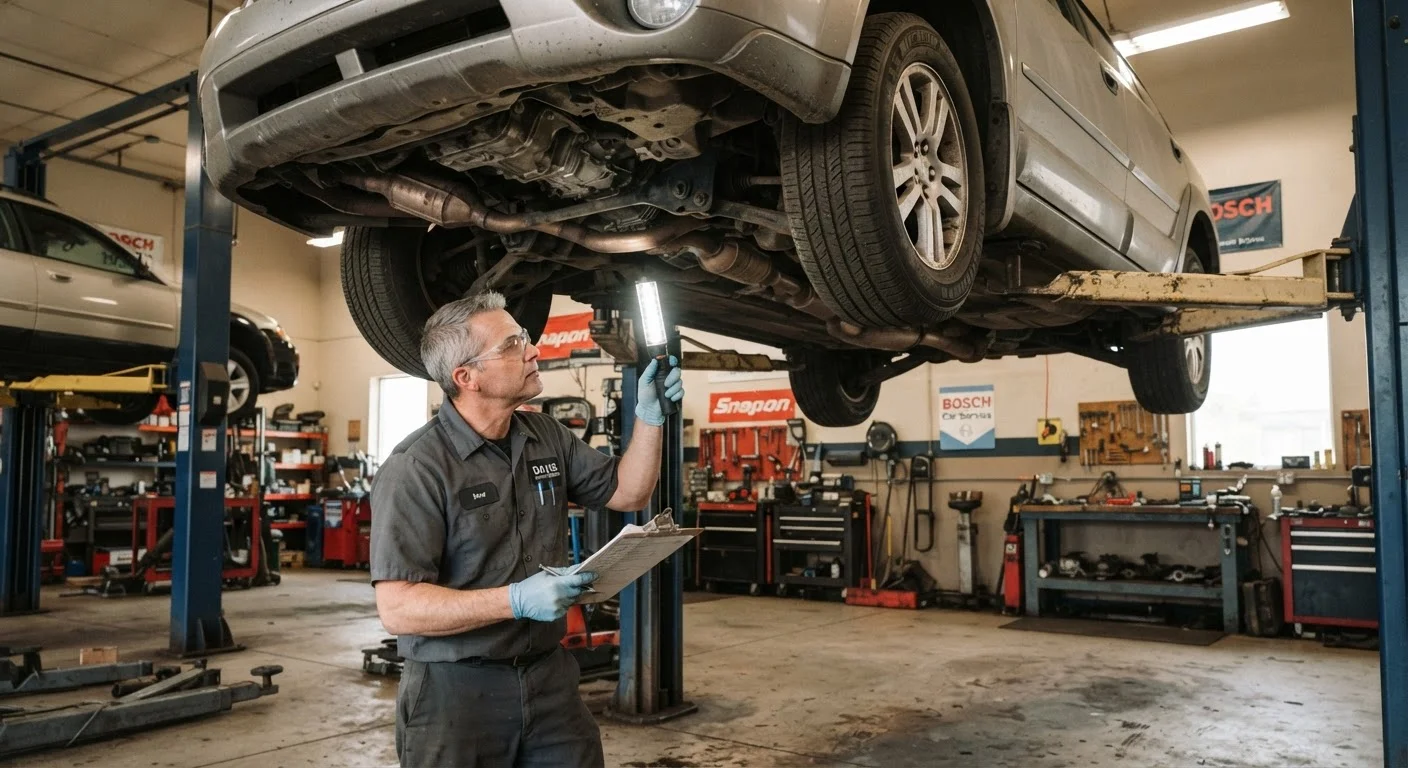
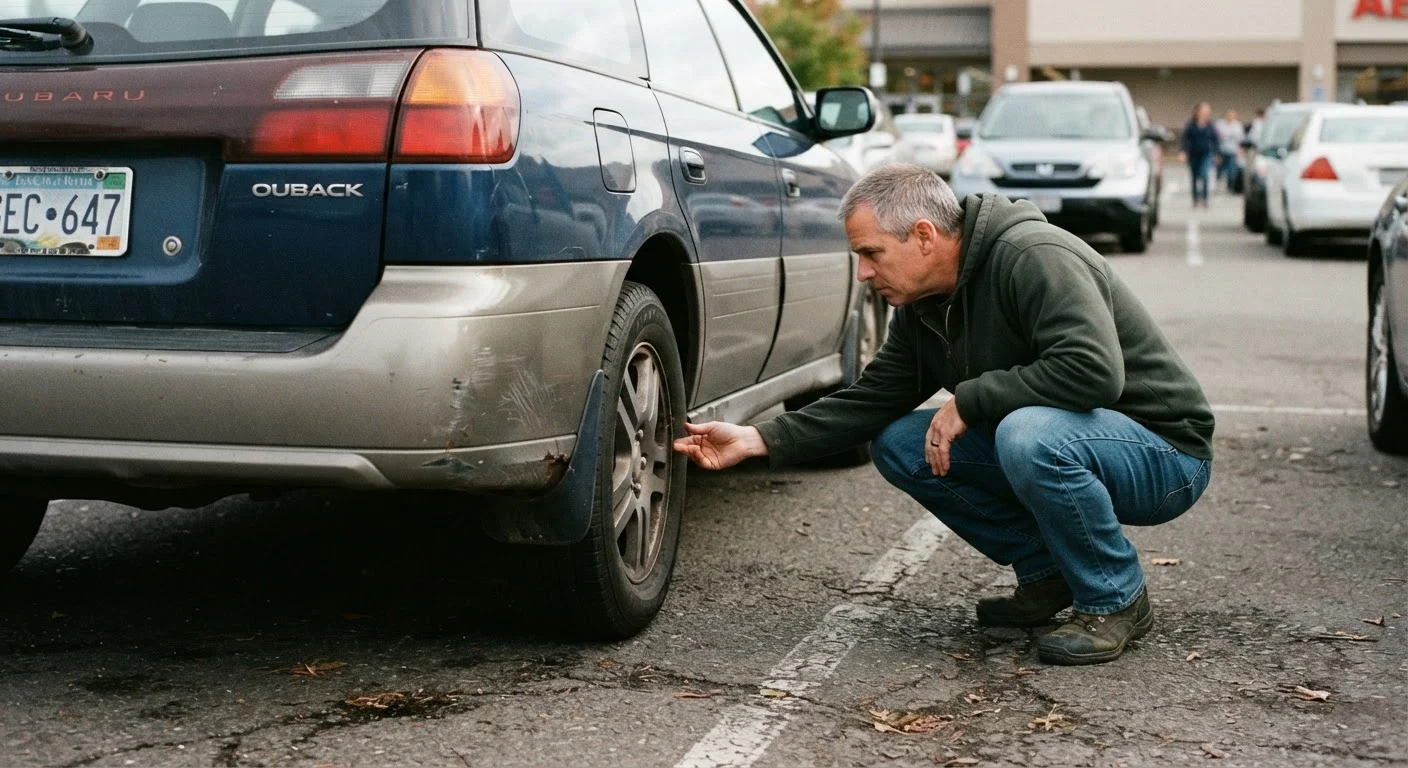
A sound used-car due-diligence process generally looks like this: obtain the report early to rule out obvious disqualifiers, then conduct a physical walkaround, and finally have a trusted independent mechanic perform a pre-purchase inspection on any vehicle that passes the first two stages. Each layer catches what the others miss.
Sellers who refuse to provide a VIN for a history check, or discourage a third-party inspection, are themselves a data point worth weighing carefully.
This article is for general informational purposes only and does not constitute financial, legal, or professional automotive advice. Consult a qualified mechanic or licensed automotive professional before making vehicle purchasing decisions.