Why Understanding the Process Matters Before You Need It
Most drivers only engage with their auto insurance when something goes wrong - and that's exactly the wrong moment to learn how it works. The claims process moves faster and with far less friction when you already know what each stage involves and what's expected of you. For a broader foundation, our auto insurance primer covers the essentials every driver should understand before an accident ever occurs.
The process described here applies to most standard auto insurance claims in the United States, but specific timelines, coverage requirements, and fault rules vary by state. Some states use no-fault systems, where each driver's own insurer pays for their injuries regardless of who caused the crash. Others use at-fault (tort) systems, where the responsible driver's liability coverage pays. Knowing your state's framework helps you set the right expectations from the start.
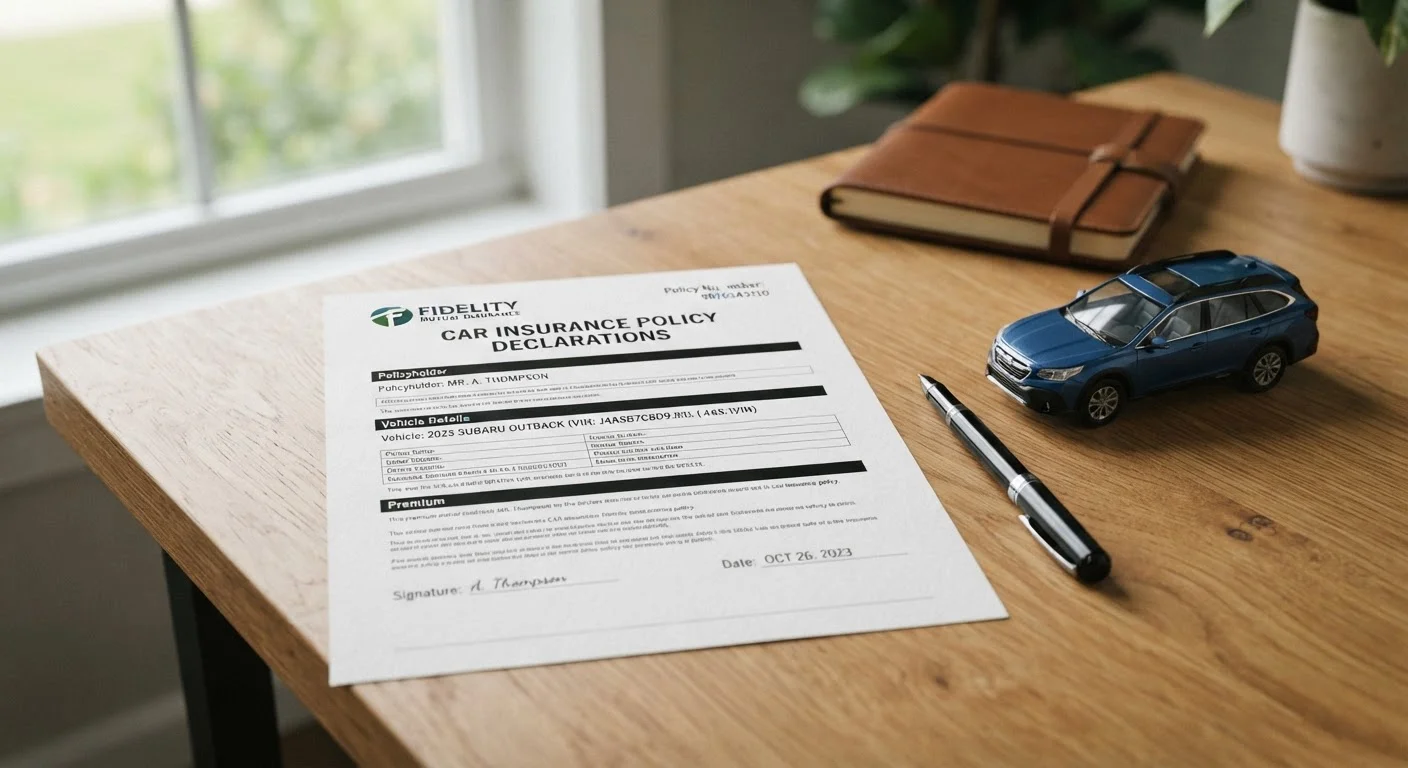
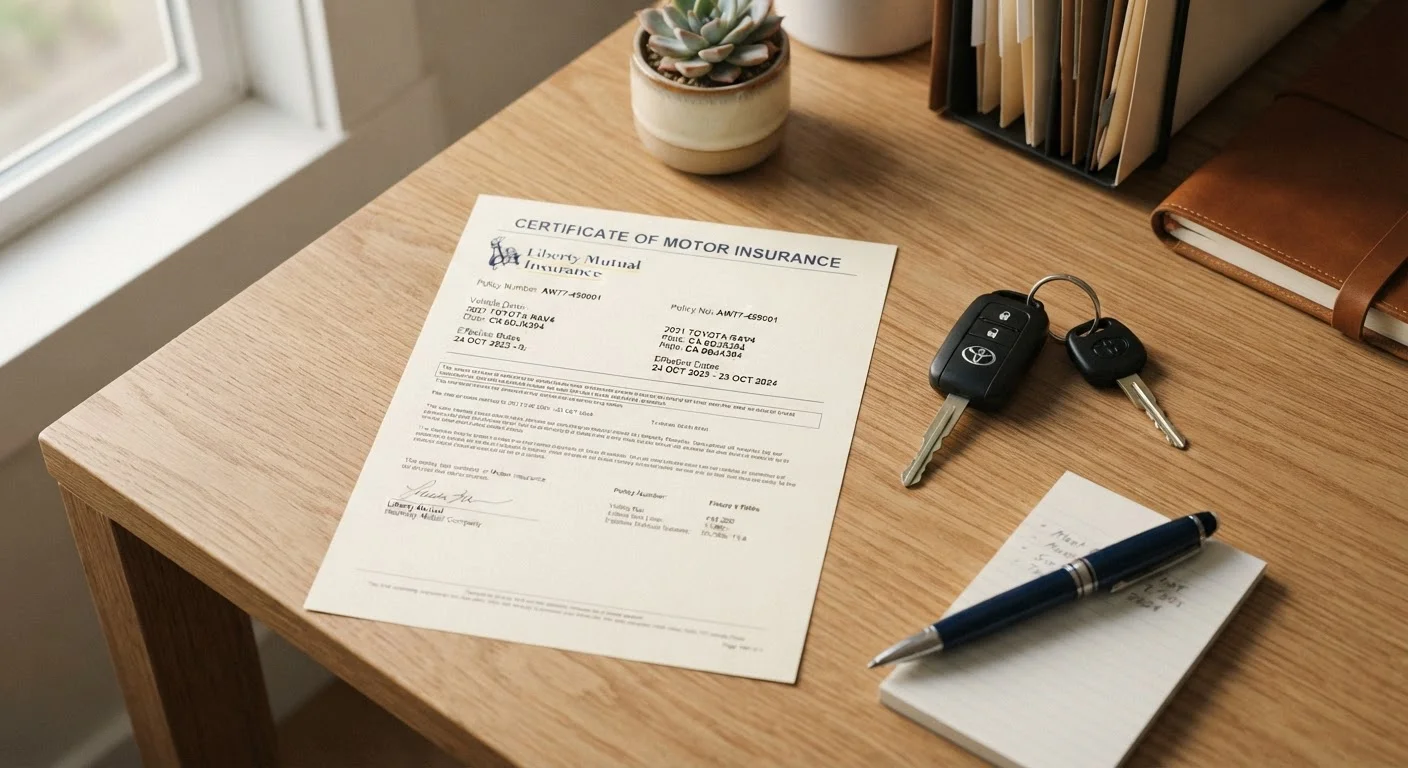
What you will need
Step-by-Step: From the Scene to Settlement
The steps below follow the typical sequence of a standard auto insurance claim. Real-world claims rarely deviate significantly from this path, though complex accidents involving injuries, disputed fault, or uninsured motorists may take longer to resolve.
Never Admit Fault at the Scene
Even a casual apology can be used against you during the claims or legal process. Stick to exchanging information and describing facts to the police. Let the insurers and, if necessary, the courts determine fault based on evidence.
Secure the Scene and Ensure Safety
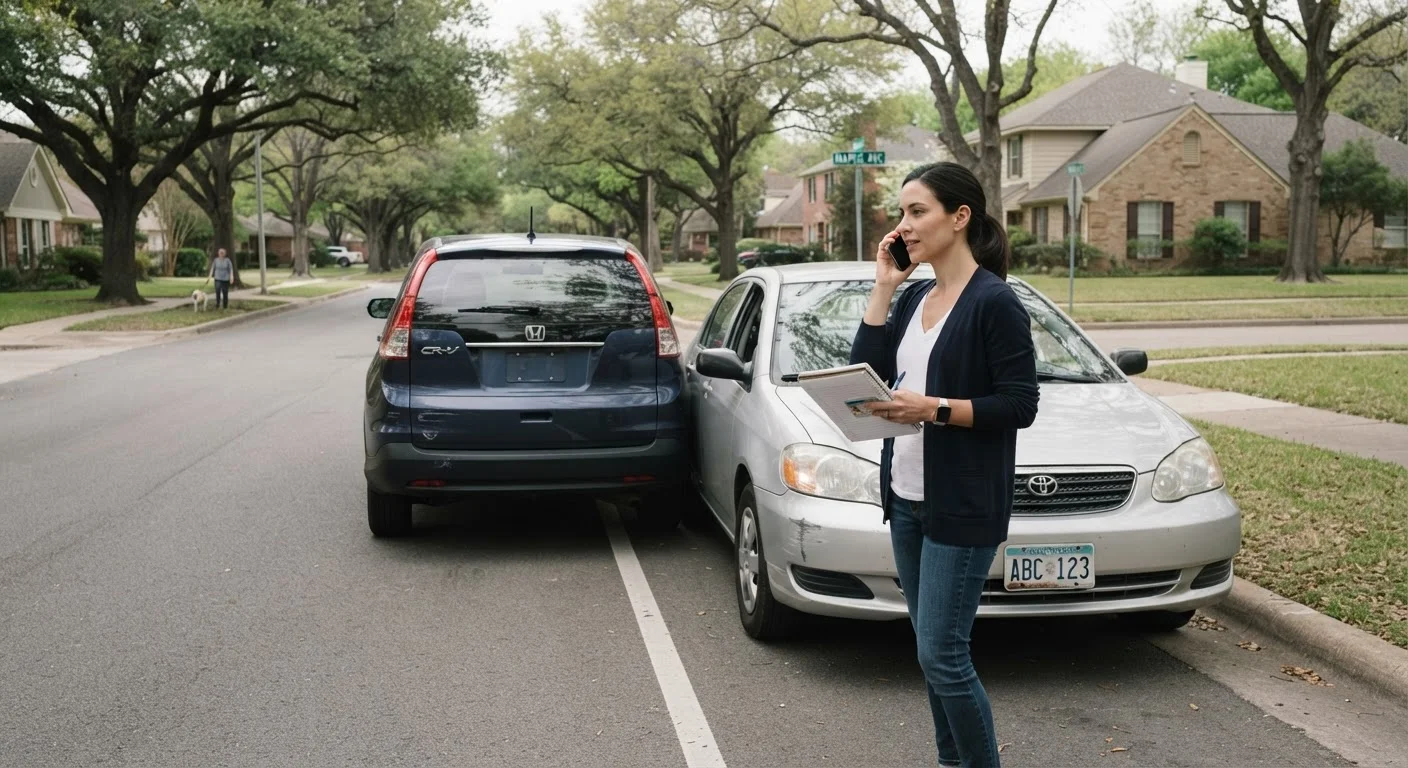
Move vehicles out of active traffic if it is safe to do so. Turn on hazard lights and, if available, place warning triangles or flares behind the vehicles. Check everyone involved for injuries and call 911 immediately if medical attention is needed. Even if injuries seem minor, a police report is valuable documentation for your claim.
Gather and Exchange Information
Collect the following from every driver involved: full legal name, address, phone number, driver's license number, license plate number, insurer name, and policy number. Also note the make, model, and year of each vehicle. If there are witnesses, ask for their names and contact details. Photograph all vehicles from multiple angles, capturing close-ups of damage and wide shots showing the overall scene.
Notify Your Insurance Company
Contact your insurer as soon as reasonably possible - ideally from the scene or within hours of the accident. Most companies offer 24/7 claims lines and mobile apps for immediate reporting. Provide a factual account: location, time, description of what happened, and the information you collected. Your insurer will assign a claim number and a claims adjuster to your case.
Understand Which Coverage Applies
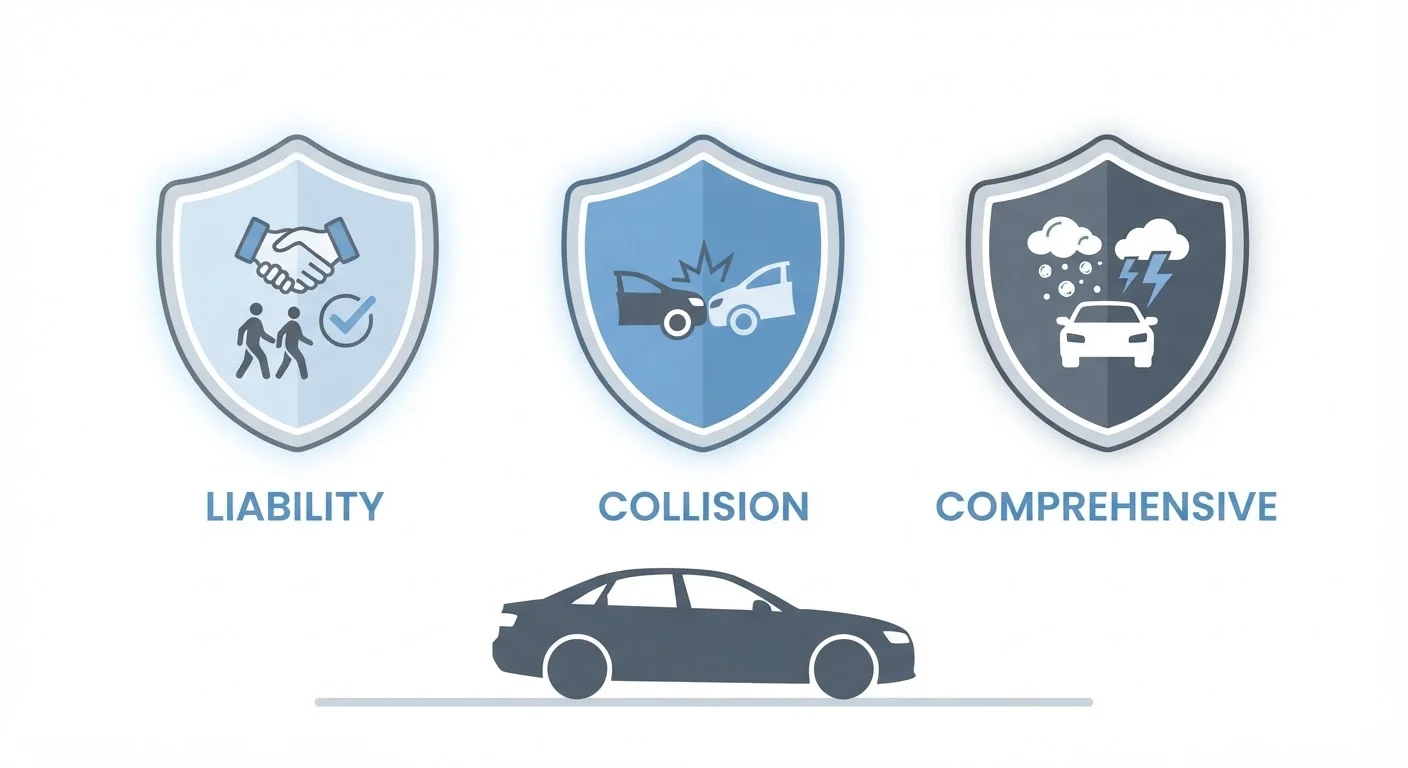
The coverage that kicks in depends on who is at fault and what your policy includes. If you caused the accident, your liability coverage pays for the other party's damages; your collision coverage handles your own vehicle repairs (minus your deductible). If the other driver is at fault, you may file against their liability coverage - or use your own collision coverage and let your insurer pursue reimbursement. Not sure what each type covers? Our coverage breakdown walks through each in plain language.
Work With the Claims Adjuster
The adjuster's job is to investigate the claim, assess vehicle damage, review the police report, and determine fault. They may inspect your vehicle in person or use photos you submit through an app. Be cooperative and factual - provide documentation promptly. The adjuster will estimate repair costs or, if the vehicle is totaled (repair cost exceeds its market value), calculate an actual cash value (ACV) settlement offer.
Review and Respond to the Settlement Offer
Once the adjuster completes their assessment, you'll receive a settlement offer. Read it carefully. If your vehicle is repairable, the insurer typically pays the shop directly minus your deductible. If it's a total loss, they'll offer the ACV. You are not required to accept the first offer. If you believe the valuation is too low, gather evidence - comparable vehicle listings, service records, recent upgrades - and submit a written counteroffer. Understanding how your deductible affects what you actually receive is critical here; our article on deductibles and claims explains the math clearly.
Complete Repairs and Close the Claim
Once a settlement is agreed upon, you can proceed with repairs at a shop of your choice - though insurers often have preferred networks that can streamline the process. Keep all repair invoices and any receipts for rental vehicles or alternative transportation your policy covers. After repairs are completed and payment is issued, the claim is closed. Hold onto all documentation for at least three years in case questions arise later.
Keep a Claims Folder From Day One
Store all accident-related documents in one place: the police report number, claim number, adjuster's contact info, rental receipts, and any medical records. A well-organized paper trail strengthens your position if a dispute arises later.
This article is for general informational purposes only and does not constitute insurance, legal, or financial advice. Coverage, timelines, and processes vary by insurer, policy, and state. Consult a licensed insurance professional or legal adviser for guidance specific to your situation.