
Why Frequency Is a Hidden Variable in Savings Growth
Most people focus almost entirely on the dollar amount when they think about saving. The logic seems straightforward: save more money, end up with more money. But there's a second variable working quietly in the background - how often you make those deposits.
This matters because savings accounts that earn compound interest don't just reward size; they reward time. Every dollar you deposit starts compounding from the moment it lands in the account. A deposit made on the first of the month has 30 extra days of compounding compared to one made on the last day of the month. Multiply that across dozens of deposits over years, and the timing difference becomes real.
This isn't a suggestion to obsess over the calendar. It's a reminder that the habit of regular saving is doing more financial work than most people realize. If you're curious about the myths that make people delay starting at all, see common savings misconceptions worth unpacking first.
69%
Americans with less than 3 months of expenses saved
According to a Bankrate survey, a significant majority of U.S. adults report insufficient emergency savings - underscoring how common it is to underestimate the importance of consistent saving habits.
26x
Annual deposit opportunities on a biweekly schedule
A saver paid biweekly has 26 paycheck-aligned deposit opportunities per year versus 12 with a monthly schedule - each additional deposit adds more compounding time to that contribution.
$1,300
Annual savings from $50 weekly deposits
Saving $50 per week totals $2,600 annually - demonstrating that modest, frequent contributions accumulate into meaningful sums without requiring large one-time transfers.
How Compounding Rewards Consistent Depositors
Compound interest is the mechanism that makes frequency matter. When your account compounds, it calculates interest on your current balance and adds it to that balance - then calculates interest on the new, larger balance in the next cycle. The key insight is that a higher balance, achieved sooner, earns more.
Consider two savers contributing the same total amount annually. One deposits a lump sum at year's end. The other deposits a smaller amount every two weeks. The second saver's balance is higher throughout the year, which means compound interest is calculating on a larger number more often. Over a decade, that difference adds up - not dramatically in any single year, but meaningfully across time.
This is why financial educators often describe consistent saving as one of the lowest-effort ways to improve long-term outcomes. You don't need to find extra money - you need to move the same money more regularly. Understanding how your account compounds (daily, monthly, or quarterly) is worth confirming with your bank or credit union, since the compounding schedule affects how much timing matters in your specific situation.
The Behavioral Case for Small, Regular Deposits
Beyond the math, deposit frequency shapes your financial behavior in ways that are harder to quantify but equally important. Saving regularly - even small amounts - trains a habit loop: money arrives, a portion moves to savings, spending adjusts to what's left. Over time, this sequence becomes automatic rather than effortful.
Large, infrequent deposits, by contrast, require a deliberate decision each time. That decision is vulnerable to competing priorities: an unexpected bill, a social event, a moment of reduced motivation. Frequent small deposits reduce the stakes of each individual transfer and lower the chance that any single missed contribution derails the overall strategy.
Match Your Deposit Schedule to Your Paycheck
The easiest way to maintain deposit frequency is to align savings transfers with when income arrives. If you're paid biweekly, schedule your savings transfer for the same day. This ensures funds are available and eliminates the gap between intention and action. Many banks allow you to schedule recurring transfers at no cost - check your account's online settings or app to get started.
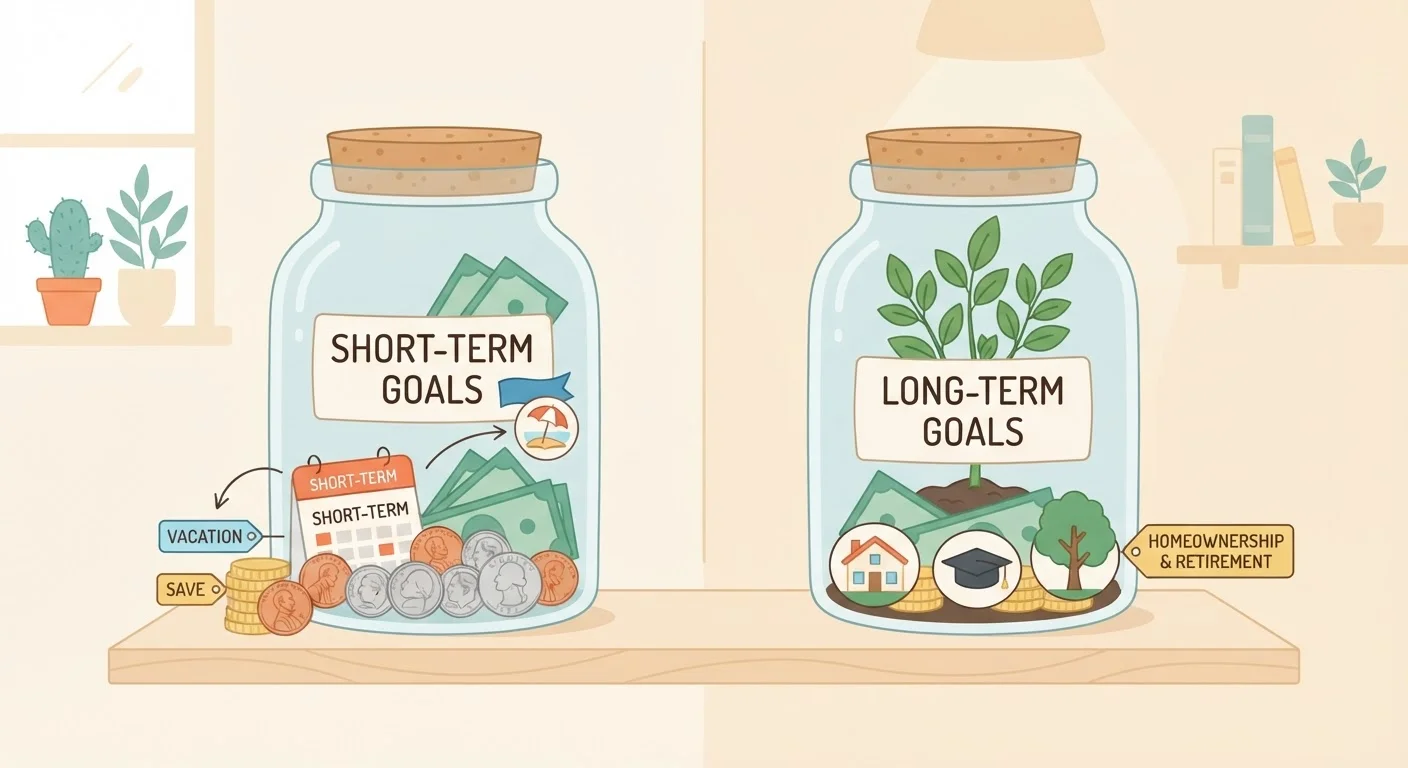
If you're building this habit from the ground up, starting a savings habit from scratch covers the mindset and practical steps involved. And once the habit is established, it's worth reviewing whether your short-term and long-term savings goals are structured to match the accounts and timelines that serve each purpose best.
Making Frequency Work: Automation and Alignment
The most reliable way to maintain deposit frequency is to remove the manual step. Automatic transfers - scheduled to coincide with your paycheck or a regular calendar date - mean the decision has already been made. You set it once and the system executes it consistently.
The key is alignment: match your deposit schedule to when money actually arrives in your checking account. If you're paid biweekly, a biweekly automatic transfer prevents the situation where a transfer is scheduled but the funds aren't yet available. How savings automation works in practice walks through the mechanics of setting this up and tailoring it to your cash flow patterns.
Once you've been saving consistently for a while, it's a good idea to step back and assess whether your efforts are actually building the buffers you need. A structured savings checkpoint can help you review your emergency fund, goal progress, and contribution habits together.
This article is for general informational and educational purposes only and does not constitute personalized financial advice. Consult a qualified financial professional for guidance tailored to your individual circumstances.