
Where the Number Comes From
Your credit score doesn't appear out of thin air. It's calculated by a scoring model - a mathematical formula - that reads the information inside your credit report and translates it into a single number. Think of your credit report as the raw data and your credit score as the grade derived from that data.
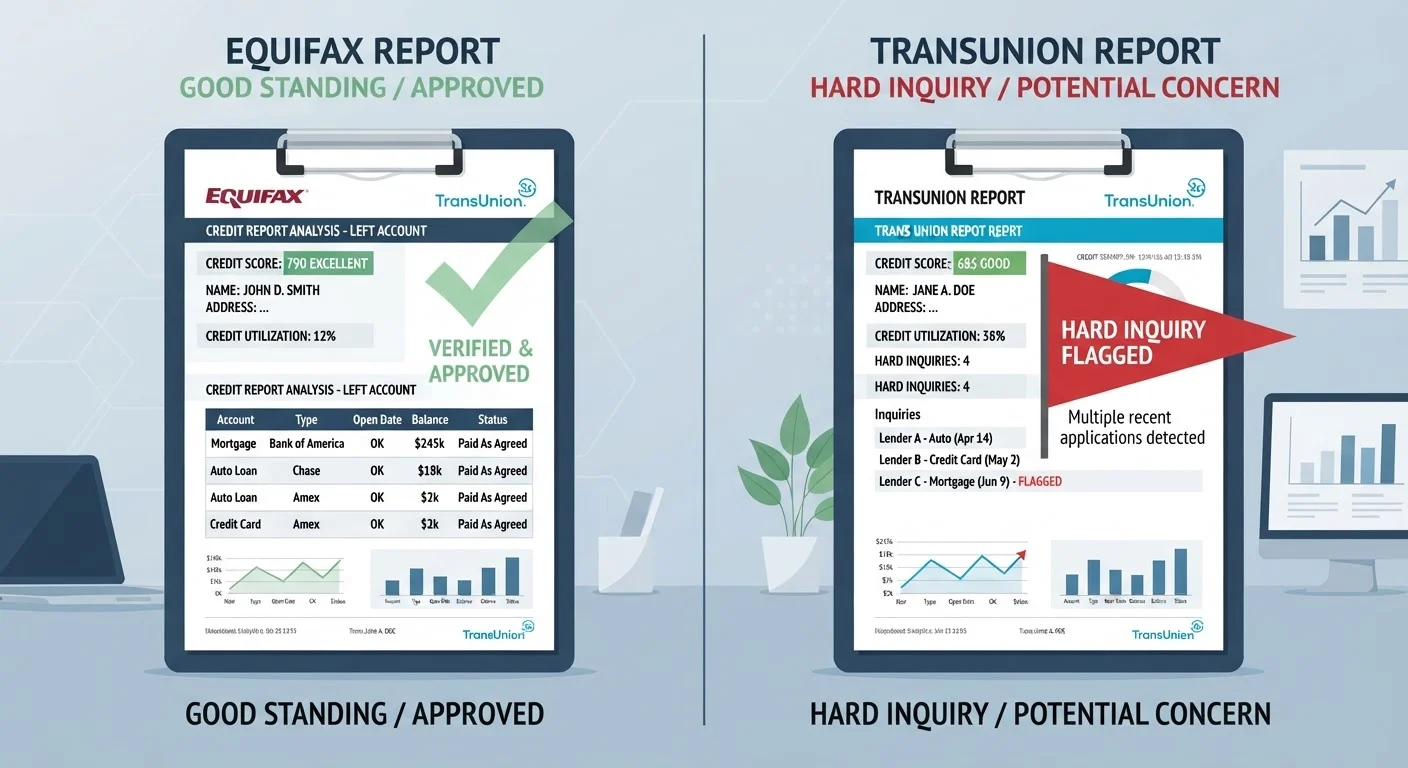
The credit report itself is maintained by the three major U.S. credit bureaus: Equifax, Experian, and TransUnion. Each bureau collects information independently from lenders, so the data they hold can differ slightly. That's why you technically have multiple credit scores - not just one. For a detailed look at what lives inside that report, see The Anatomy of a Credit Report.
300-850
Standard FICO score range
FICO scores follow this range, with scores above 670 generally considered 'good' by most lenders.
~35%
Weight of payment history in FICO score
Payment history is the single most influential factor in the standard FICO scoring model.
3
Major U.S. credit bureaus
Equifax, Experian, and TransUnion each maintain independent credit files, which can produce different scores for the same consumer.
The Five Factors That Shape Your Score
Under the FICO model - the most widely used by lenders - five categories of information drive your score, each weighted differently:
- Payment history (~35%): Whether you've paid past accounts on time. Even one missed payment can have a meaningful negative impact.
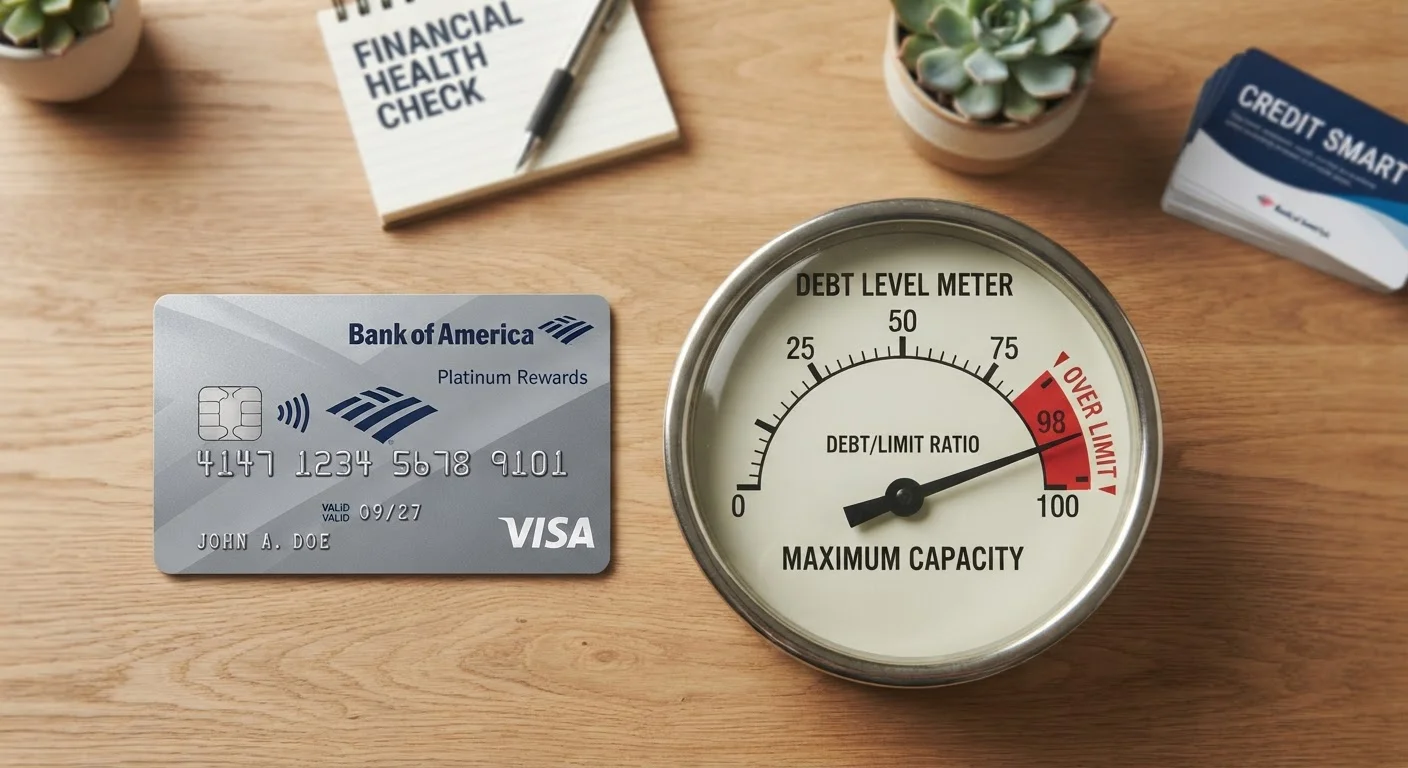
- Amounts owed (~30%): How much of your available credit you're currently using, known as your credit utilization ratio. Keeping this low signals that you're not over-reliant on borrowed money. Learn more in our guide on how credit utilization works.
- Length of credit history (~15%): How long your accounts have been open. Older, well-managed accounts generally help your score.
- Credit mix (~10%): The variety of credit types you manage - credit cards, installment loans, mortgages, etc.
- New credit (~10%): Recent applications for new credit. Multiple applications in a short window can signal financial stress to lenders.
Focus on the Big Two First
Payment history and credit utilization together account for roughly 65% of a standard FICO score. If you're working to build or repair your score, consistently paying on time and keeping card balances well below their limits will have the most meaningful impact. The other three factors matter, but they tend to improve naturally over time with responsible credit use.
Why Different Scoring Models Exist
FICO and VantageScore are the two dominant credit scoring companies, and each has released multiple versions of its model over the years. Lenders choose which version to use, which means the score a mortgage lender pulls may differ from what a credit card company or auto lender sees.
This can feel confusing, but the underlying logic is the same across models: responsible, consistent borrowing behavior produces higher scores. The differences between models are mostly in weighting and how they treat edge cases, such as a thin credit file or a recent negative event.
If you're planning to apply for a mortgage, it's worth understanding how lenders interpret scores in that context. Our article on credit score myths in mortgage approval separates common misconceptions from what actually matters in the home-buying process.
“Credit scores are simply a snapshot of risk at a moment in time. They are designed to predict behavior, not to define a person's financial worth.”
— Consumer Financial Protection Bureau, U.S. federal agency responsible for consumer financial protection education
What Your Score Actually Predicts - and What It Doesn't
A credit score is a risk prediction tool, not a measure of your character or financial intelligence. It estimates the statistical probability that a borrower will miss a payment by 90 days or more within the next 24 months. That's it. It says nothing about your income, your savings, your net worth, or how financially responsible you are in areas that don't involve credit.
This is important because it means the score can be gamed in both directions. Someone with a high income but erratic payment habits may score poorly. Someone with modest income but consistent, long-term borrowing behavior may score very well.
There are also persistent myths that lead people to make decisions that actually hurt their scores - like carrying a small credit card balance on purpose. For a full rundown, see credit score myths that keep Americans stuck.
This article is for general informational purposes only and does not constitute personalized financial or legal advice. Consult a qualified financial professional for guidance specific to your situation.