Why Credit Myths Are So Costly
Misconceptions about credit scores don't just cause confusion - they lead to real financial harm. Americans delay applying for mortgages, pay unnecessary interest, and avoid helpful financial tools because of advice that sounds logical but is flat-out wrong. Understanding how credit scores actually work is one of the highest-leverage financial literacy steps you can take.
Credit scores - most commonly calculated using FICO or VantageScore models - are built from five broad factors: payment history, amounts owed (utilization), length of credit history, new credit, and credit mix. Most myths misrepresent how one of these factors works. Let's set the record straight.
If you've ever wondered what your credit report actually contains, the anatomy of a credit report is a useful place to start before diving into the myths below.
Myth
Checking your own credit score will lower it.
Fact
Checking your own credit score is a soft inquiry and has zero effect on your score.
This myth stops many people from monitoring their own credit - which is exactly the opposite of what they should do. There are two types of credit inquiries: hard inquiries, which occur when a lender reviews your credit as part of an application, and soft inquiries, which occur when you check your own score, or when a lender does a background pre-screen. Only hard inquiries can affect your score, and even then, the impact is typically small and temporary.
Regularly checking your own credit is one of the best habits you can develop. It helps you catch errors, track progress, and spot potential fraud early. For a full breakdown of the difference, see hard vs. soft inquiries explained.
Myth
You need to carry a balance to build credit.
Fact
Carrying a balance from month to month does nothing to improve your score - it only generates interest charges.
This is one of the most damaging myths in personal finance. Credit scoring models reward you for using credit responsibly, not for paying interest. What matters is that you make purchases and pay them off - ideally in full each month. Paying your statement balance in full shows lenders you can manage debt without becoming dependent on it.
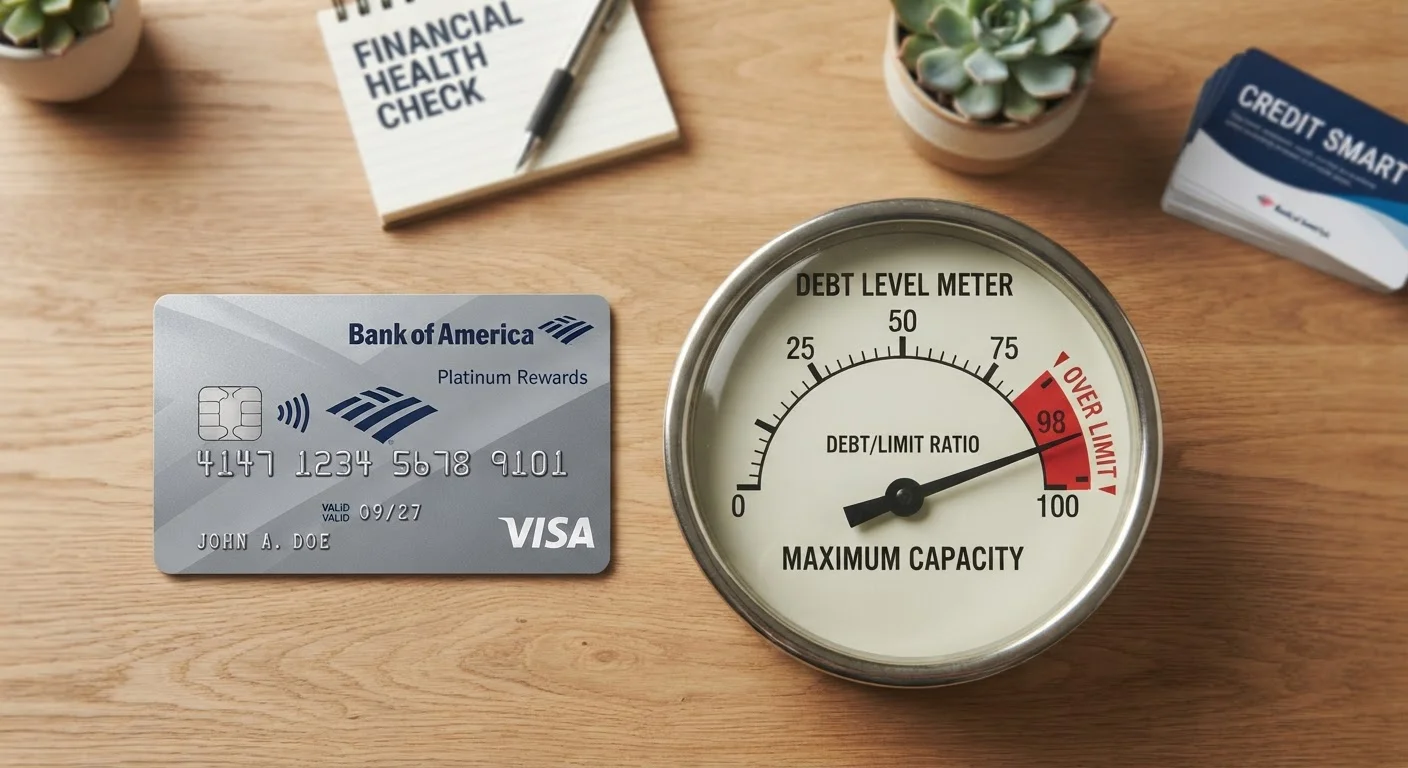
Carrying a balance increases your utilization ratio and costs you money in interest. If you've been paying the minimum thinking it helps your score, it doesn't - it only extends your debt. See why minimum payments cost more than you think to understand just how expensive this habit can be.
Myth
Closing old credit cards improves your score by simplifying your finances.
Fact
Closing old accounts can hurt your score by reducing your total available credit and shortening your credit history.
It feels tidy to close cards you don't use, but your credit score doesn't reward tidiness - it rewards depth of history and available credit. When you close a card, you lose that account's credit limit, which raises your overall utilization ratio. You may also shorten the average age of your accounts, which is a factor in the "length of credit history" component of your score.
If a card has no annual fee, the safest move is often to keep it open with occasional small purchases to maintain activity. If you do close a card, prioritize newer accounts over older ones to preserve your credit history length.
Myth
Shopping for mortgage or auto loan rates will tank your credit score.
Fact
Most scoring models treat multiple loan inquiries made within a short window as a single inquiry to encourage rate shopping.
This myth causes consumers to avoid comparing rates - which can cost them significantly more over the life of a loan. FICO and VantageScore both include rate-shopping protections: multiple hard inquiries for the same type of loan (mortgage, auto, student loan) made within a 14- to 45-day window are typically grouped and counted as one inquiry.
The practical takeaway: don't let fear of a small, temporary score dip stop you from finding the most favorable loan terms. Rate shopping is a financially responsible behavior, and the scoring models are specifically designed to accommodate it. If credit score concerns are affecting your home-buying plans, credit score myths around mortgage approval addresses this directly.
Myth
You need a perfect 850 credit score to get the best rates.
Fact
Scores above approximately 760 typically qualify borrowers for the most competitive rates available.
Chasing an 850 is unnecessary and often causes anxiety without any real financial benefit. Lenders use credit score tiers, and the top tier - where the best rates live - generally starts around 760 to 780 depending on the lender and loan type. The incremental difference in loan terms between a 780 and an 850 is typically negligible.
Energy is better spent maintaining consistent on-time payments, keeping utilization low, and avoiding unnecessary hard inquiries - habits that will comfortably keep most people in the top scoring tier without obsessing over perfection.
Myth
Income affects your credit score.
Fact
Your income is not a factor in any standard credit scoring model.
Credit bureaus do not collect income data, and credit scores do not reflect how much you earn. Scoring models focus entirely on your credit behavior: how reliably you pay, how much of your available credit you use, how long you've had credit, and what types of accounts you hold.
Income does matter when lenders evaluate your overall creditworthiness for a specific loan - it's part of the application process - but it plays no role in calculating the three-digit score itself. This distinction matters because it means lower-income individuals can and do achieve excellent credit scores through disciplined credit habits alone.
The Real Rules Behind Your Score
Once you understand the actual mechanics, managing credit becomes far less mysterious. Payment history carries the most weight in standard scoring models - typically around 35% of a FICO score. That means consistently paying on time is the single most impactful habit you can build.
35%
Weight of payment history in FICO score
According to FICO's published scoring model breakdown, payment history is the single largest factor in a standard FICO score calculation.
~1 in 5
Americans with errors on their credit report
A Federal Trade Commission study found that roughly one in five consumers had a material error on at least one of their three credit reports.
30%
Recommended maximum credit utilization
Consumer financial education resources widely cite keeping utilization below 30% of available revolving credit as a general guideline for score health.
Credit utilization - how much of your available revolving credit you're using - is the second biggest factor. Keeping utilization below 30% is a common guideline, though lower is generally better. Because utilization is calculated at the time your statement balance is reported to the bureaus, even responsible spenders can show high utilization if they charge a lot each month. For a deeper look at how this plays out, see how credit utilization actually works.
Errors on Your Report Can Cost You Real Money
Inaccurate negative items - such as accounts that aren't yours or payments incorrectly marked late - can suppress your credit score and result in higher interest rates on loans. You have the legal right under the Fair Credit Reporting Act (FCRA) to dispute any inaccurate information directly with the credit bureaus. Reviewing your credit reports regularly and correcting errors promptly is not optional housekeeping - it directly protects your borrowing costs.
Errors on your credit report can silently drag your score down without your knowledge. Under federal law, you're entitled to a free report from each of the three major bureaus annually. If you spot an inaccuracy, disputing errors on your credit report is a step-by-step process worth understanding. And if your credit has taken a hit, recovery is possible - the road to rebuilding credit takes time but follows predictable patterns.
This article is for general informational purposes only and does not constitute personalized financial or legal advice. Consult a qualified financial professional for guidance tailored to your situation.