Why Two Quotes for the Same Job Can Look Nothing Alike
Ask three contractors to bid on your kitchen remodel and you may receive three numbers that differ by tens of thousands of dollars. This isn't a sign that someone is cheating you - it reflects how many independent variables feed into a renovation estimate.
Every contractor prices their labor differently based on their experience level, crew size, local market conditions, and how busy they are. Beyond that, how broadly or narrowly they interpret your project scope changes the number dramatically. One contractor prices the job as you described it; another prices what the job will actually require once they open the walls.
Geography also plays a significant role. Labor costs in high cost-of-living metros can run two to three times higher than rural or lower-cost regions for the same task. Material pricing varies too, depending on supplier relationships and local availability. Understanding this context is the first step toward reading quotes with a clear head, rather than simply picking the lowest number.
40-60%
Share of renovation costs typically from labor
Industry estimates from construction cost databases consistently show labor as the dominant cost category across most residential renovation trades.
10-20%
Recommended contingency buffer for renovation budgets
Renovation professionals widely advise homeowners to reserve this percentage on top of project estimates to absorb unexpected conditions or scope changes.
35%+
Renovations affected by hidden existing conditions
Surveys of residential contractors indicate that a substantial share of projects encounter some degree of pre-existing damage or code deficiency once walls are opened.
The Real Cost Drivers Most Homeowners Underestimate
Labor, not materials, is usually the dominant cost. For most renovation categories, labor accounts for 40-60% of the total project cost. Homeowners often focus on material pricing - tile, cabinets, fixtures - while underestimating what it costs to install them correctly.
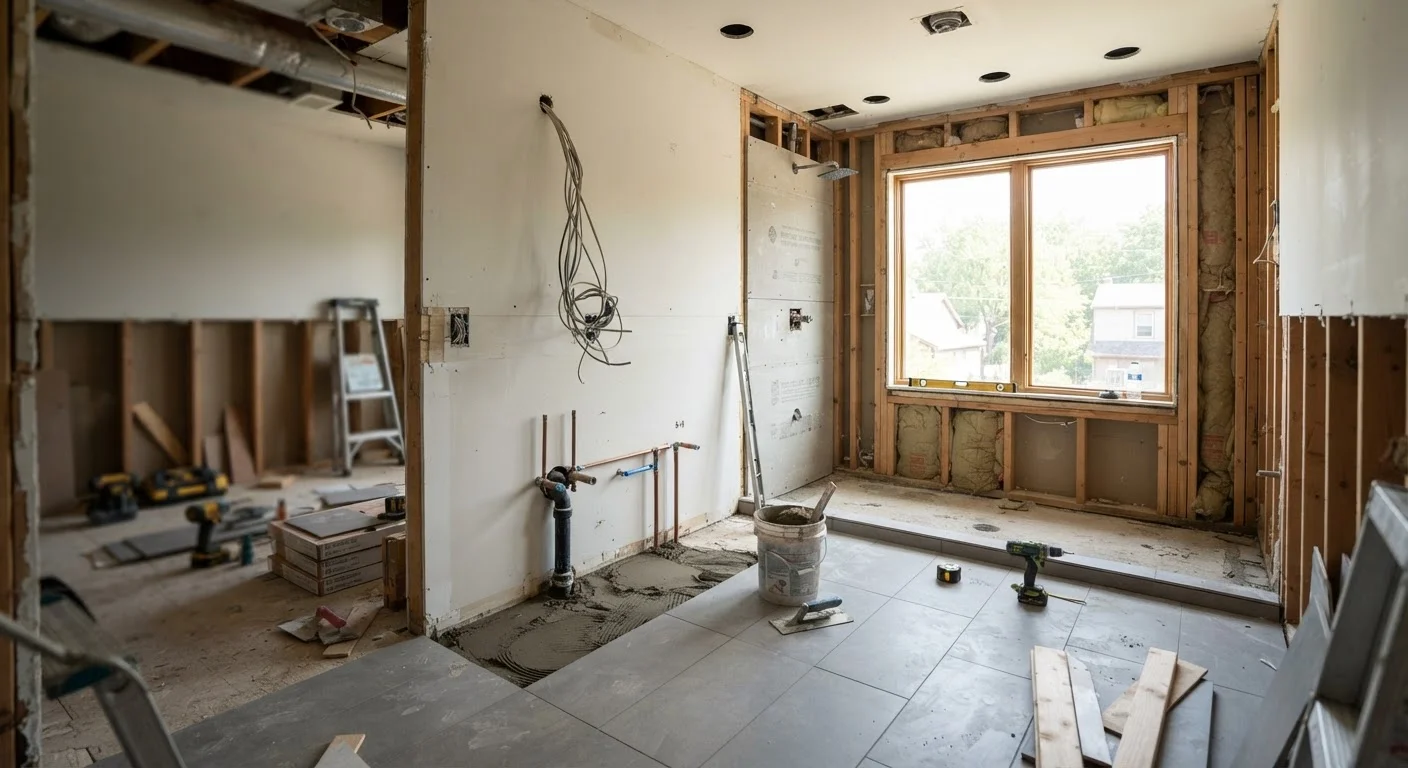
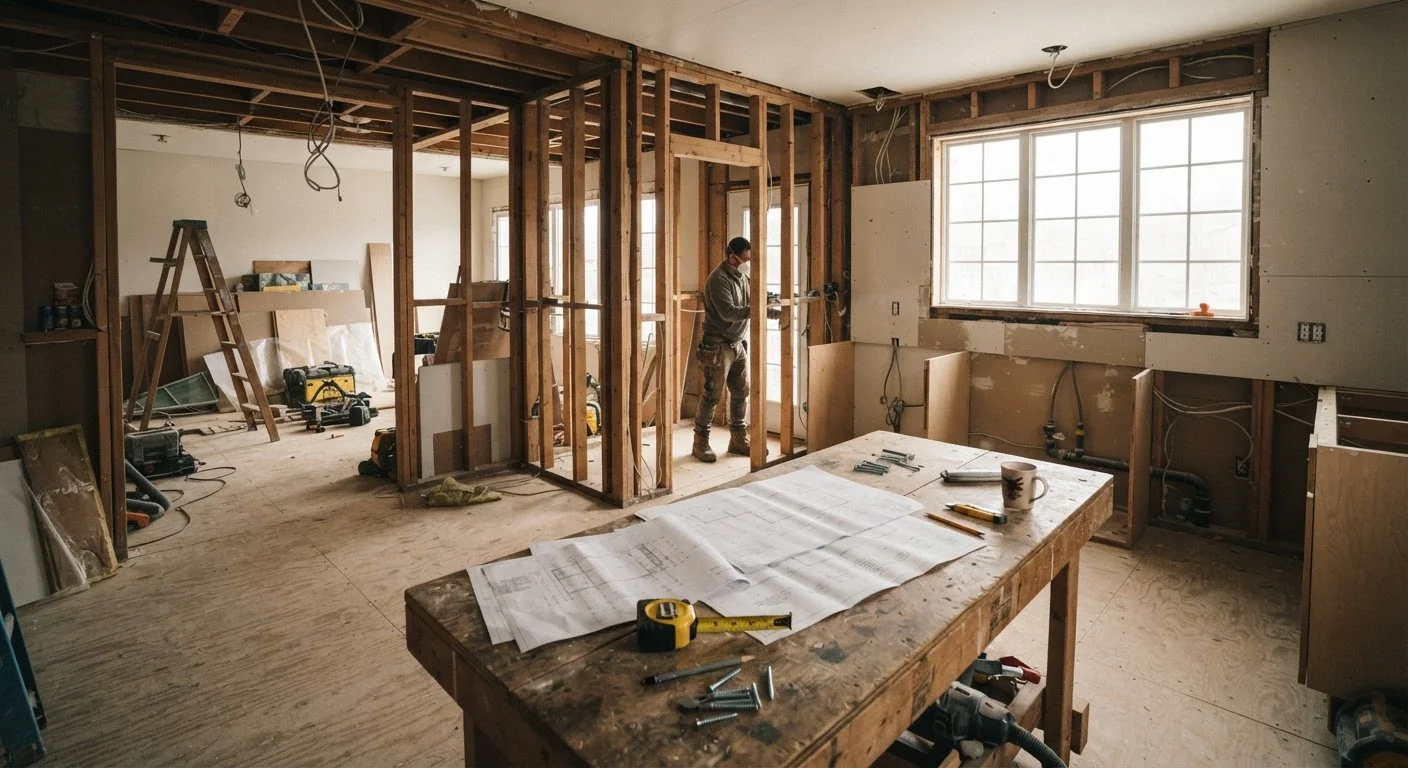
Existing conditions are a wildcard. What's inside your walls, floors, and ceilings is unknown until work begins. Outdated knob-and-tube wiring, galvanized pipes, inadequate insulation, and hidden water or mold damage are common discoveries that add cost and time mid-project. This is especially true in homes built before the 1980s.
Permits and inspections have real costs. Many homeowners omit permit fees from their mental budget, but they're a legitimate project expense. More importantly, they're legally required for most structural, electrical, plumbing, and HVAC work. Our guide on permits, inspections, and code explains what inspectors actually check and why skipping this step creates larger problems down the road.
Finish selections shift budgets fast. Swapping builder-grade cabinets for semi-custom, or basic tile for imported stone, can double your materials cost with a few decisions. When a quote is built on allowances, those upgrades come out of your pocket later.
Ask for a Line-Item Breakdown Every Time
Before accepting any estimate, request a full line-item breakdown that separates labor, materials, permits, and subcontractor costs. This makes it far easier to compare competing bids fairly and to identify where costs can be adjusted without compromising quality. A contractor unwilling to provide this level of detail is a flag worth taking seriously.
How to Read a Contractor's Estimate Critically
A trustworthy estimate should be detailed and itemized. It should separate labor from materials, list specific products or material grades where applicable, and explicitly state what is and isn't included. Vague estimates - a single lump-sum number with minimal description - make it impossible to compare quotes accurately or hold a contractor accountable if scope disagreements arise.
Watch for these common gaps in estimates:
- Exclusions buried in fine print: Demolition, debris disposal, temporary protection, and touch-up painting are often listed as exclusions even when a homeowner assumes they're covered.
- Low allowances: An allowance set at $800 for plumbing fixtures when the fixtures you want cost $2,200 creates an automatic $1,400 overage before work even starts.
- No contingency line: Professional estimates sometimes omit contingency, leaving the homeowner unprepared. Building your own 10-20% buffer into the budget is a sound planning practice.
For more detail on project-specific scope and sequencing, our bathroom remodel timeline and scope guide walks through a full project with realistic expectations at each phase.
Setting a Budget That Holds
A renovation budget built only on contractor quotes is incomplete. Factor in soft costs that rarely appear in any estimate: permit fees, architectural or design fees if applicable, temporary housing costs during major disruptions, and the cost of replacing any items damaged during construction.
Think in ranges, not fixed numbers. Material costs fluctuate, and supply chain delays can shift pricing between when you approve a quote and when materials are actually purchased. Ask your contractor how they handle material price changes - whether the risk sits with you or with them - before signing anything.
Finally, consider how renovation investment relates to your home's broader value. Market conditions, neighborhood comps, and buyer preferences all influence how much return a project may or may not generate. For context on those forces, the factors that drive home values article provides useful background. Renovation spending decisions are ultimately personal and financial - for guidance specific to your situation, consulting a licensed contractor and, where appropriate, a financial adviser will serve you better than any general estimate.