
Why Permits Exist - and Why They Matter to You
Building permits aren't bureaucratic busywork. They're the mechanism through which local governments verify that construction and renovation work meets minimum safety standards - protecting not just the homeowner doing the project, but future occupants, neighbors, and buyers. When work is inspected and approved, there's a documented record that it was done to code.
For homeowners, this matters in practical, financial terms. Unpermitted work can complicate or even derail a home sale, since many buyers, lenders, and appraisers scrutinize permit history. It can also affect your homeowner's insurance coverage if a claim arises from work that was never properly reviewed. If you're just beginning to think about home improvement projects, our introduction to home improvement for first-time homeowners is a solid starting point for understanding the broader landscape.
Local Rules Always Take Precedence
Building codes in the US are adopted and modified locally, meaning what requires a permit in one city may not require one in a neighboring county - and vice versa. The only reliable source for your specific project is your local building or planning department. Most now offer online permit lookup tools and accept inquiries by phone or email.
What Typically Requires a Permit
There's no universal list - requirements vary by jurisdiction - but certain categories of work almost universally require permits across US municipalities:
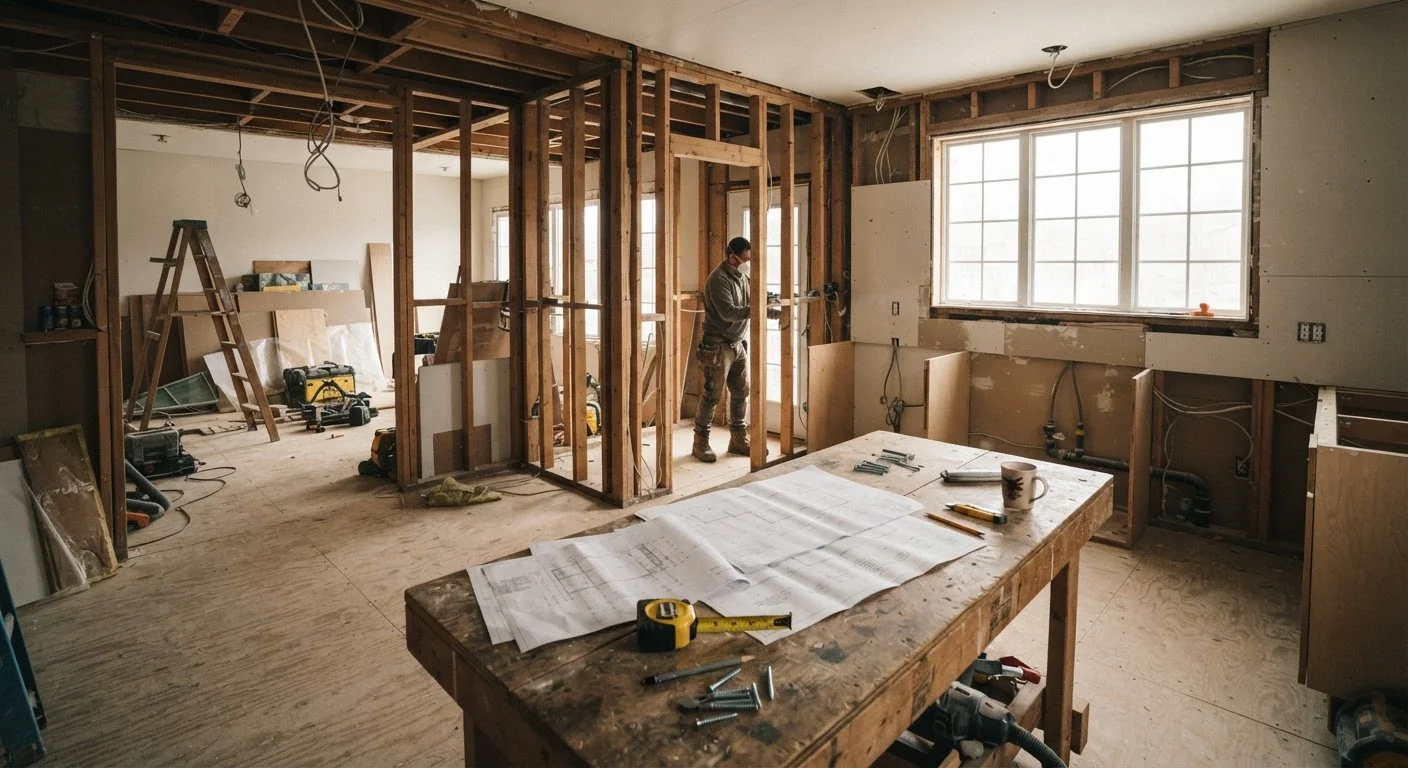
- Structural changes: removing or adding walls, altering load-bearing elements, adding a room or addition
- Electrical work: adding circuits, panels, outlets, or rewiring; some jurisdictions exempt minor fixture swaps
- Plumbing: adding or relocating pipes, water heaters, or drain lines
- HVAC: installing or replacing furnaces, air conditioners, ductwork, or water heaters
- Decks and fences: most jurisdictions require permits above a certain size or height threshold
- Roofing: full replacement often requires a permit; repair or patching typically does not
What generally does not require a permit: painting, flooring, cabinet replacement, countertop swaps, and most purely cosmetic updates. When in doubt, a quick call or online inquiry to your local building department takes minutes and can prevent costly problems later.
~40%
Homes with some unpermitted work
Industry estimates from home inspection professionals suggest a significant share of US homes contain at least one improvement made without the required permit.
50+ model codes
Variations in US building code adoption
The National Conference of States on Building Codes and Standards notes that each state and locality independently adopts and amends model building codes, creating meaningful variation in requirements.
1%-3%
Typical permit fee as a share of project cost
According to general industry guidance, building permit fees commonly range from roughly 1% to 3% of total construction cost, varying significantly by jurisdiction and project type.
How the Permit and Inspection Process Works
The typical permit process follows a predictable sequence, though the specifics vary by jurisdiction and project complexity:
- Application: You (or your contractor) submit plans and a description of the proposed work, along with applicable fees. Some simple projects use standard forms; larger projects require detailed drawings.
- Plan review: The building department reviews submitted documents against local code requirements. This can take days to weeks depending on workload and project complexity.
- Permit issuance: Once approved, the permit is issued and must be posted on-site during construction.
- Inspections: At defined stages - often after rough framing, before walls are closed, and at final completion - an inspector visits to verify the work matches the approved plans and meets code.
- Final approval: When all inspections pass, the project receives final sign-off. This closes out the permit.
One important note: inspections must typically happen before work is covered. If you close up a wall before a rough electrical inspection, you may be required to open it back up. Schedule inspections proactively and don't rush past them.
Working With Contractors on Permitted Projects
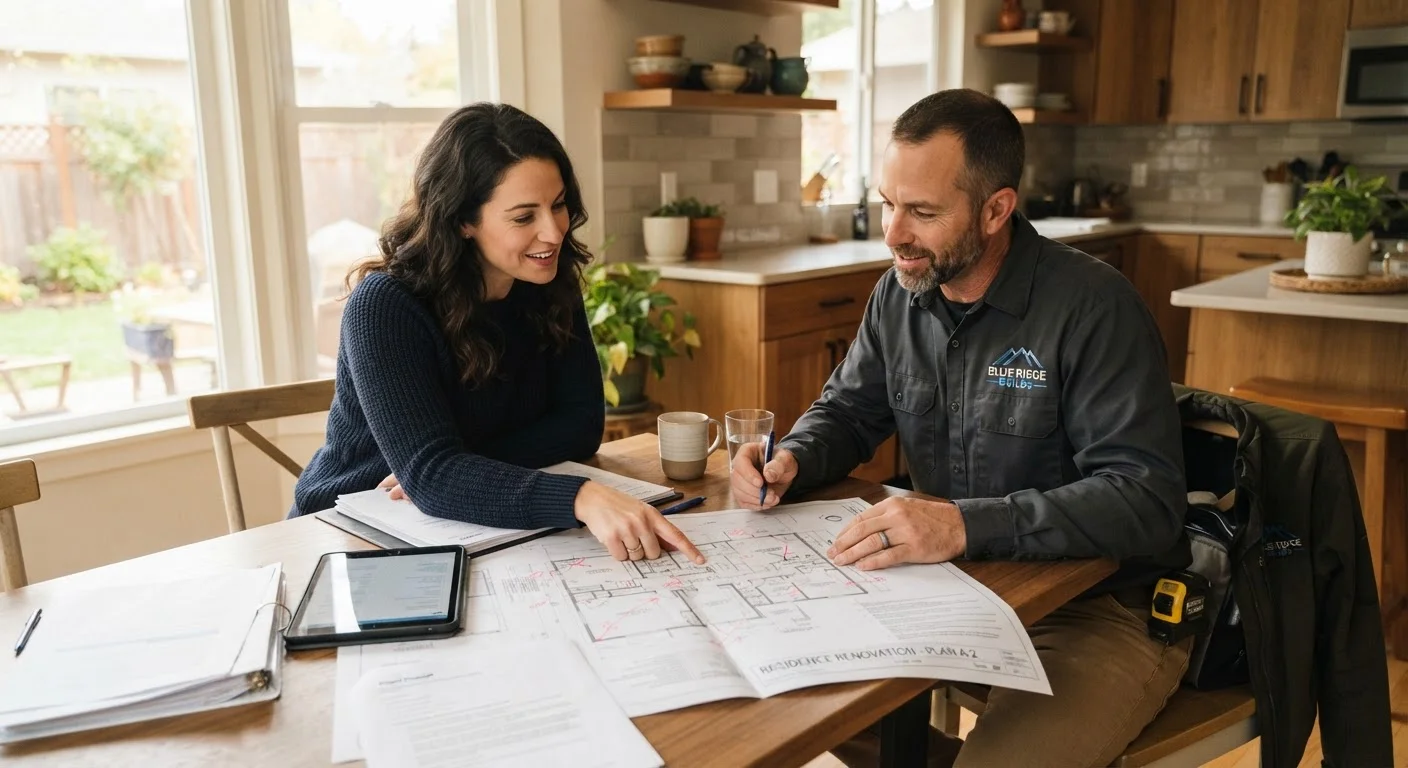
Licensed contractors are generally familiar with permit requirements and will often handle the application process on your behalf as part of the project. However, the legal and financial responsibility for ensuring permitted work is properly inspected and approved typically remains with the property owner.
Before hiring anyone, confirm whether they intend to pull permits for the work, and make sure the answer aligns with what your local jurisdiction requires. Contractors who suggest skipping permits to save time or money are a red flag - both for code compliance and for the quality of their work. Our guide on hiring a contractor without getting burned covers how to vet professionals and read contracts carefully before signing.
Ask Your Contractor Before Work Begins
Before signing any contract, ask the contractor directly: 'Will you pull the required permits for this project?' Get the answer in writing as part of your contract. If a contractor dismisses permits as unnecessary for work that clearly requires them, treat that as a warning sign about how they approach code compliance generally.
Also keep in mind that permit costs are a real part of your renovation budget. Our overview of what drives home renovation costs explains how permit fees and inspection scheduling fit into the overall financial picture of a project.
Dealing With Unpermitted Work - Whether You Did It or Inherited It
Many homeowners discover - either through their own records or during a sale - that prior work was done without permits. This is a common situation and not always catastrophic, but it does require attention.
Options typically include:
- Retroactive permitting: Some jurisdictions allow you to pull an "as-built" permit for completed work. An inspector evaluates what exists; if it passes, the permit closes. If it doesn't meet current code, you may need to make corrections.
- Disclosure: If you're selling and can't or don't retroactively permit the work, you'll generally need to disclose it. Buyers and their agents may negotiate a price reduction or require remediation.
- Demolition and redo: In rare cases where work is seriously non-compliant and can't be remediated, removal and replacement may be required.
If you're buying a home and encounter a report full of flagged items, our guide to reading a home inspection report without panicking can help you sort serious issues from routine findings.