Why the Hiring Process Matters as Much as the Work Itself
Most contractor problems - unfinished work, cost overruns, poor workmanship - are traceable to decisions made before any tools came out. Choosing the wrong person, skipping verification steps, or signing an incomplete contract creates problems that are difficult and expensive to reverse once work is underway.
If you're newer to homeownership and still building your footing on home improvement basics, our first-time homeowner's introduction to home improvement is a useful companion read before diving in here.
The steps below are designed to help you move through the hiring process methodically - so you spend less time recovering from bad experiences and more time enjoying finished work.
What you will need
What You'll Need Before You Begin
State Contractor Licensing Board Website
Used to verify a contractor's license status, check for complaints or disciplinary actions.
Written Project Scope Document
A detailed description of your project that you share with each bidding contractor to get comparable quotes.
Lien Waiver Template
Protects homeowners from subcontractor liens filed against their property after the general contractor is paid.
Contractor Bid Comparison Spreadsheet
Helps you compare multiple bids line by line across materials, labor, timeline, and payment terms.
Never Skip License and Insurance Verification
Hiring an unlicensed or uninsured contractor can leave you personally liable for injuries that occur on your property. It can also void your homeowner's insurance coverage for related damage. Always request proof of both general liability insurance and workers' compensation coverage, and verify the license number directly with your state's contractor licensing board - not just from a card the contractor hands you.
Step-by-Step: How to Hire a Contractor
Define Your Project Scope Before Reaching Out
Before you contact a single contractor, write down exactly what you want done. Include dimensions, materials if known, desired timeline, and any features that matter to you. Vague requests lead to vague bids - and bids you can't meaningfully compare.
If you're unsure whether your project should be DIY or contracted out, our framework for evaluating DIY vs. hiring out can help you decide before investing time in the hiring process.
Gather Contractor Referrals from Trustworthy Sources
Word-of-mouth remains one of the most reliable ways to find a contractor. Ask neighbors, friends, or family members who have had similar work done recently. Local community boards, neighborhood apps, and trade associations are also reasonable starting points.
Avoid hiring based solely on door-to-door solicitations or flyers left on your mailbox - especially following a storm, when predatory contractors sometimes target affected neighborhoods.
Verify Licenses, Insurance, and Complaint History
Once you have candidates, verify each one independently. Look up their license number on your state's contractor licensing board website. Confirm that their general liability insurance and workers' compensation are current - ask for certificates of insurance, then call the insurer to confirm they're active.
Check the Better Business Bureau and your state attorney general's consumer complaint database for unresolved disputes. A complaint or two over many years may be less concerning than a pattern of issues.
Get at Least Three Detailed Written Bids
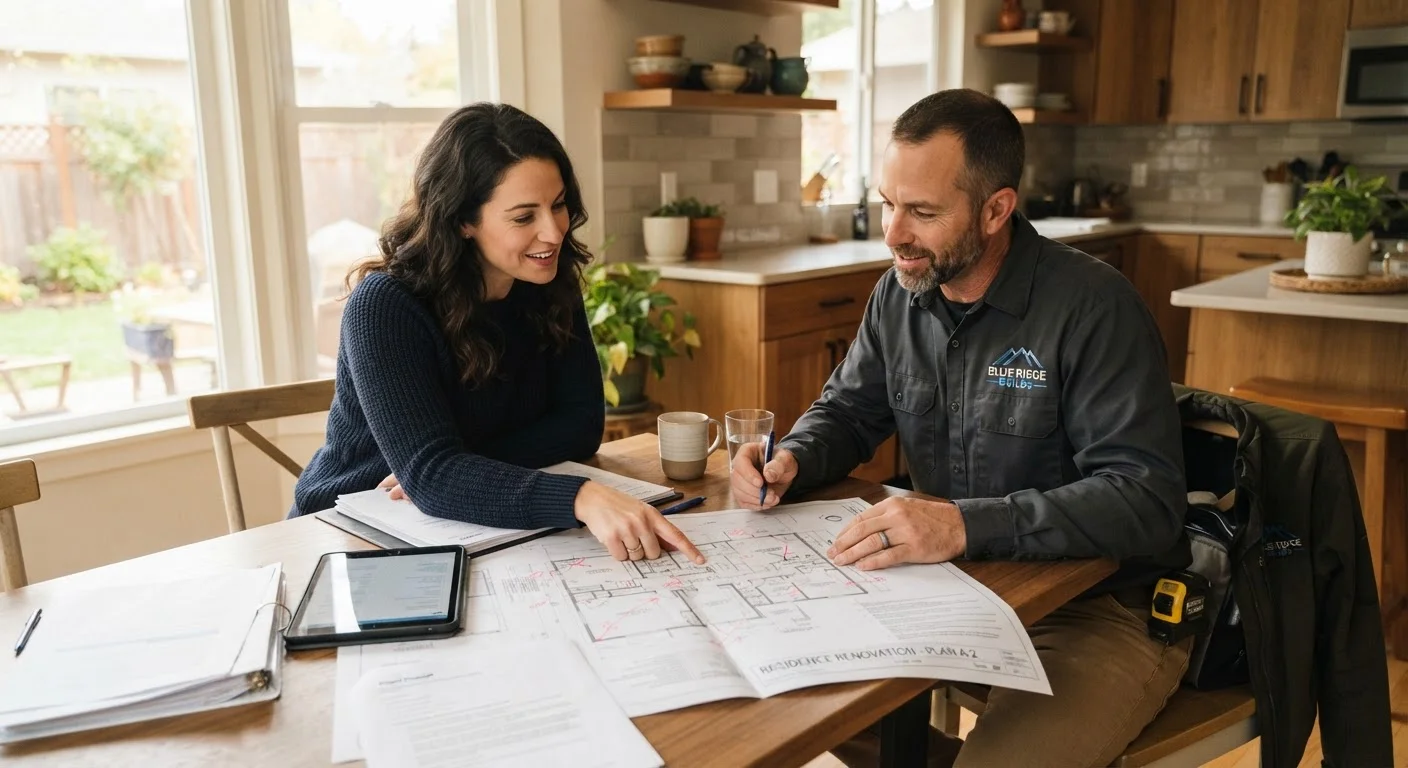
Contact three or more contractors and provide each with the same written scope of work. Ask for itemized bids - broken down by materials, labor, and any subcontracted work. This lets you compare apples to apples rather than total numbers that may reflect entirely different assumptions about what's included.
Be cautious of bids that are dramatically lower than the others. An unusually low estimate may reflect cut corners, inferior materials, or a contractor planning to submit change orders once work is underway.
Check References - and Actually Call Them
Request references from recent, comparable projects and follow through by calling or visiting. Ask previous clients whether the work was completed on time and on budget, how the contractor handled unexpected problems, and whether they would hire this person again.
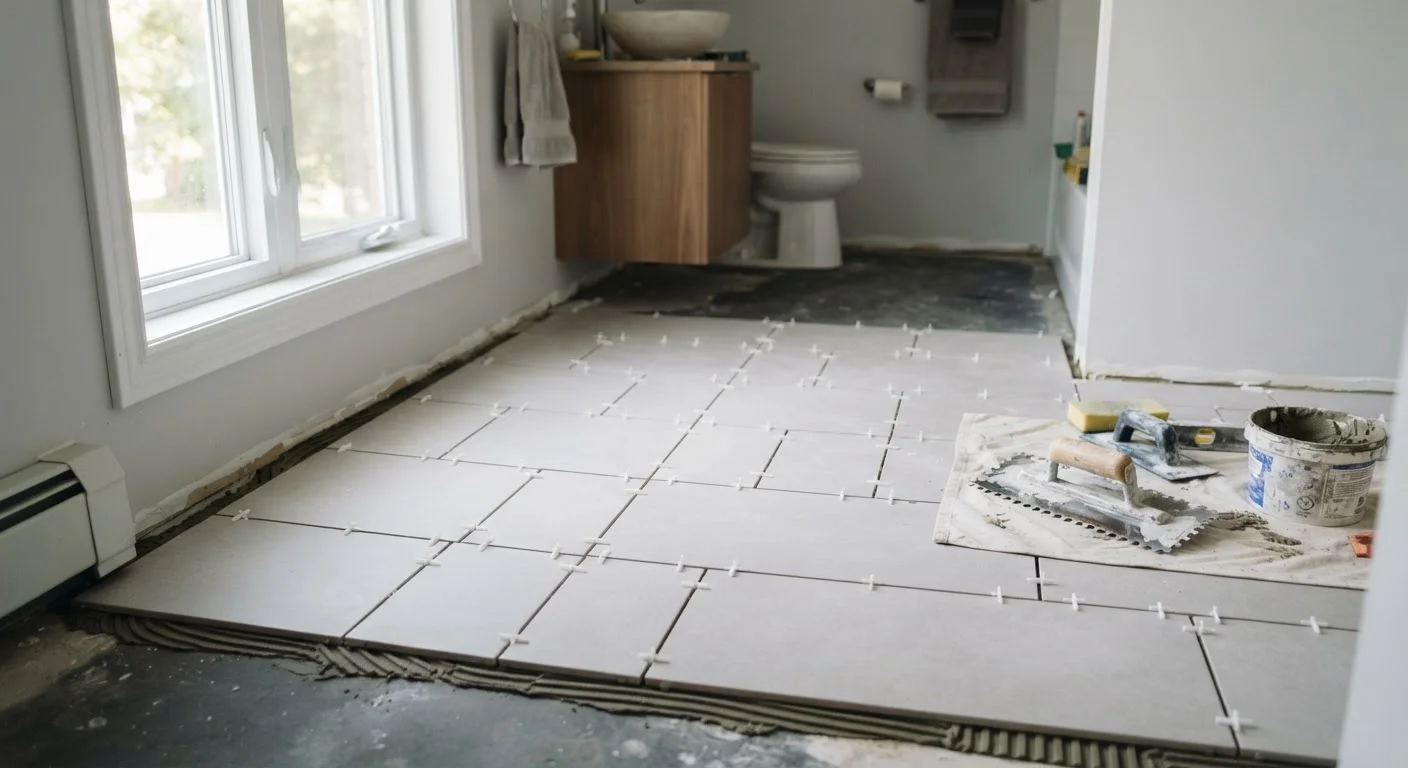
If possible, visit a completed project in person to assess workmanship quality directly. For projects involving tile, for example, our guide to tile fundamentals can help you know what quality work should look like before you inspect it.
Negotiate and Sign a Detailed Written Contract
Never begin work based on a handshake. A solid contract should include: a full project description, materials to be used (brand, grade, quantity), start and estimated completion dates, a payment schedule tied to project milestones, who is responsible for permits, how changes to scope will be handled, and cleanup responsibilities.
Both parties should sign and retain a copy. If the contractor is reluctant to put specifics in writing, that is a signal worth heeding.
Monitor Progress and Document as Work Proceeds
Stay engaged without micromanaging. Visit the site regularly, photograph progress at key stages, and keep all written communications (texts, emails) organized. If something looks wrong or deviates from the contract, raise it promptly in writing rather than waiting until the end.
Withhold final payment until work is complete, inspections have passed, and you've received lien waivers from the contractor - and ideally from any subcontractors or suppliers as well.
Large Upfront Deposits Are a Red Flag
Reputable contractors typically request a modest deposit - often 10-30% - to cover initial materials, not the bulk of the job cost. If someone asks for more than half the total cost before work begins, treat that as a serious warning sign. Paying in full upfront removes your leverage if work is incomplete or substandard.
Ask for Permit Responsibility in Writing
Many projects - additions, electrical work, structural changes - require permits before work begins. Clarify in the contract who is responsible for pulling permits and scheduling inspections. A contractor who discourages permits may be cutting corners or working outside legal requirements. See our guide to permits and inspections for a full breakdown of when they're required.
Red Flags to Watch For at Any Stage
Even with a careful process, stay alert to warning signs that can appear at any point:
- No physical business address - a P.O. box or no address at all makes accountability difficult.
- Pressure to decide immediately - legitimate contractors allow time for due diligence.
- Cash-only payment requirements - limits your paper trail and dispute options.
- Permits discouraged - this may indicate unlicensed work or code evasion, which can create problems when you sell your home or file an insurance claim.
- Vague or unsigned contracts - ambiguity tends to resolve in the contractor's favor, not yours.
Trust your instincts. If communication feels evasive or a deal seems too good to be true early on, it's worth pausing before committing.
This article provides general educational guidance for homeowners. Specific legal, contractual, or safety requirements vary by state and locality. Always verify local permit and licensing rules with your local building department or a licensed professional.