How to Know Which Option Applies to Your Kitchen
Before comparing costs or timelines, you need an honest assessment of what you're actually working with. Open every cabinet door and look inside the boxes - the rigid frames attached to your walls. Are they square, solid, and free of water damage, warping, or soft spots? If yes, both repainting and refacing are viable. If the boxes are damaged or the layout genuinely doesn't work for how you cook and live, replacement may be the only path that solves the real problem.
Also consider how long you plan to stay in the home. A repaint makes practical sense for a 2-3 year horizon. Refacing can extend the life of a kitchen for 10-15 years when done well. Full replacement, while the largest investment, may offer the most durable return - especially if you're renovating to sell or plan to stay long-term.
If you're unsure how to weigh these factors against your broader renovation budget, understanding what drives renovation costs is a useful foundation before you start getting quotes.
Repainting: The Lowest-Barrier Refresh
Cabinet repainting is the most accessible of the three options and, when executed carefully, can produce results that hold up for years. The process involves cleaning, degreasing, light sanding, priming, and applying a finish-grade paint - typically an alkyd, water-based alkyd, or high-quality latex formulated for cabinetry.
The most common mistake homeowners make is underestimating prep work. Skipping thorough degreasing or using standard wall paint almost always leads to peeling within 12-18 months. Proper preparation - including removing doors, sanding lightly between coats, and using a dedicated cabinet primer - is what separates a lasting result from a frustrating one.
Prep Work Makes or Breaks a Repaint
Cabinet repainting fails most often due to inadequate surface preparation, not paint quality. Remove all doors and hardware before starting, degrease thoroughly with a TSP substitute or dedicated cleaner, and always apply a bonding primer before your topcoat. Rushing these steps is the leading cause of premature peeling.
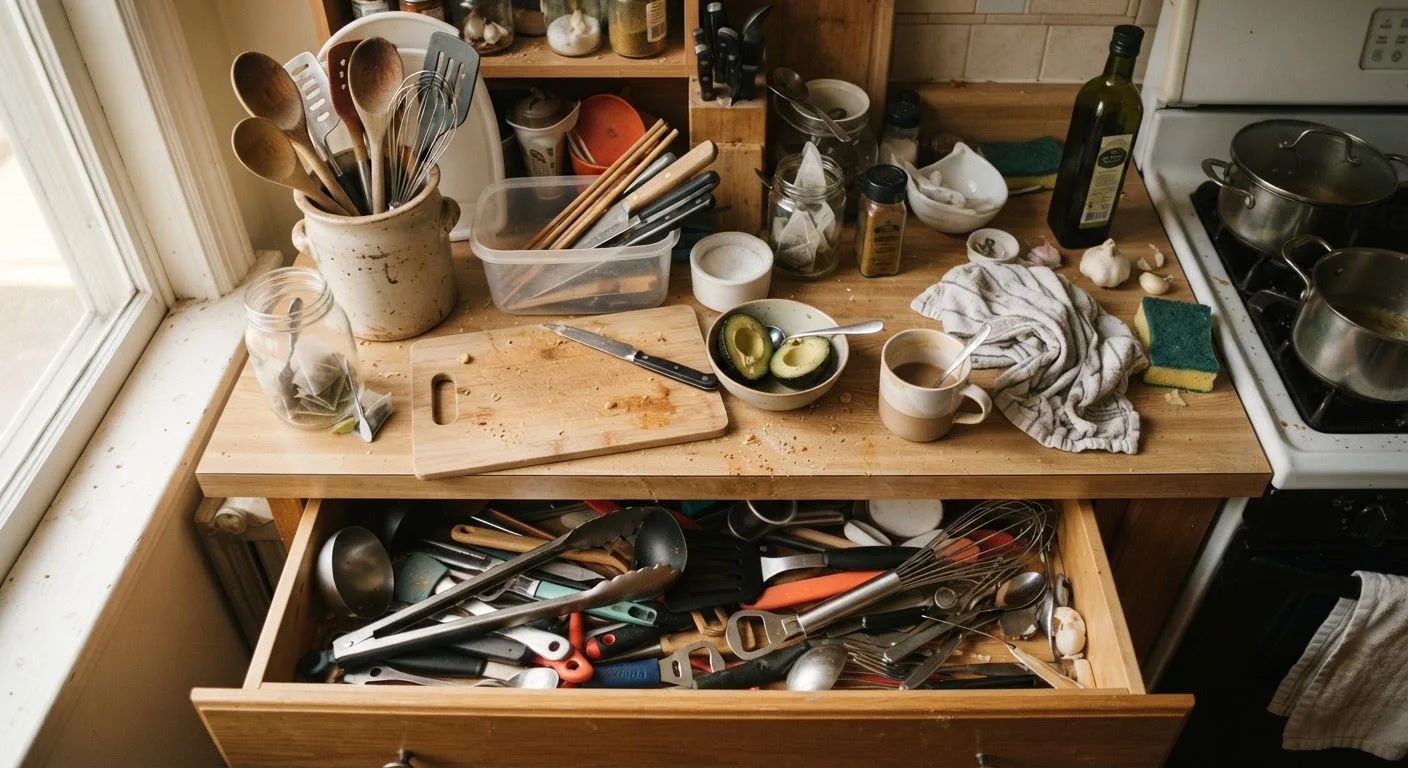
Repainting does not change hardware placement, door style, or interior organization. If your cabinets are functionally disorganized, a fresh coat of paint won't solve it. See why kitchen organization breaks down for a deeper look at that issue.
Typical cost range: DIY materials run roughly $100-$300 for an average kitchen. Professional cabinet painting typically falls between $1,000 and $3,500, depending on kitchen size, number of doors, and your region.
Refacing: A Middle Path with Real Impact
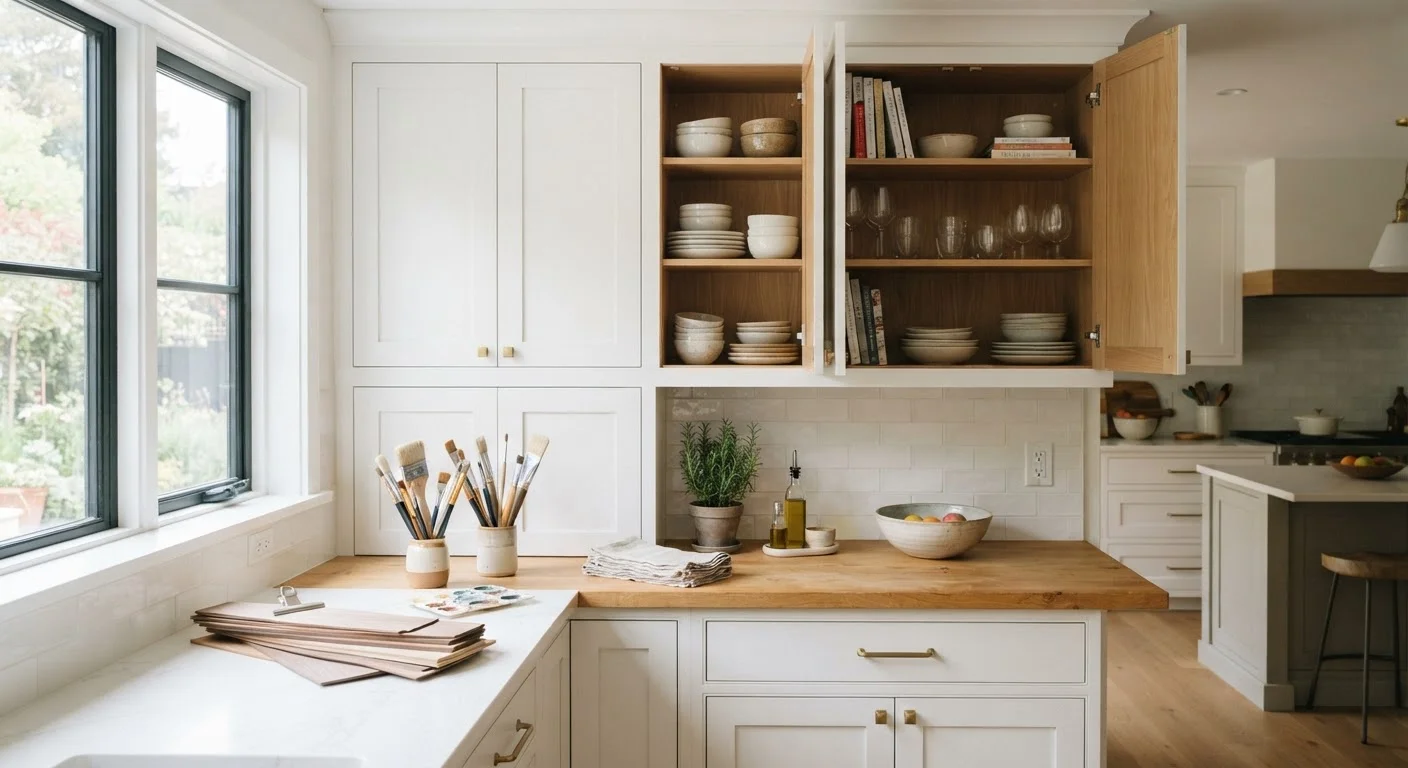
Cabinet refacing involves keeping the existing cabinet boxes in place while replacing the doors, drawer fronts, and hardware, and applying a new veneer or laminate to the visible face frames. Done professionally, it can give a kitchen a near-complete transformation in appearance without the cost or disruption of demolition.
The key qualification: refacing only makes sense when the existing boxes are structurally sound. A contractor should inspect for water damage around the sink base, soft corners, and any signs of pest activity before refacing is recommended. Applying new veneers over compromised boxes is an expensive mistake.
Refacing also does not change the layout. If you want to relocate the refrigerator, add an island, or change the cabinet footprint, refacing cannot accomplish that. It is purely a surface and door replacement.
| Repainting | Refacing | Full Replacement | |
|---|---|---|---|
| Typical cost (professional) | $1,000-$3,500 | $4,000-$10,000 | $5,000-$30,000+ |
| Timeline | 2-5 days | 3-7 days | 4-8 weeks |
| Changes layout | No | No | Yes |
| Requires sound cabinet boxes | Yes | Yes | No |
| DIY-friendly | Moderately | Difficult | Not recommended |
| Lifespan of result | 5-10 years | 10-15 years | 20+ years |
| Changes door style | No | Yes | Yes |
| Permits typically required | No | No | Sometimes |
Typical cost range: Professional refacing generally runs $4,000-$10,000 for an average kitchen, though costs vary significantly based on door material, kitchen size, and local labor rates.
Full Replacement: Maximum Control, Maximum Commitment
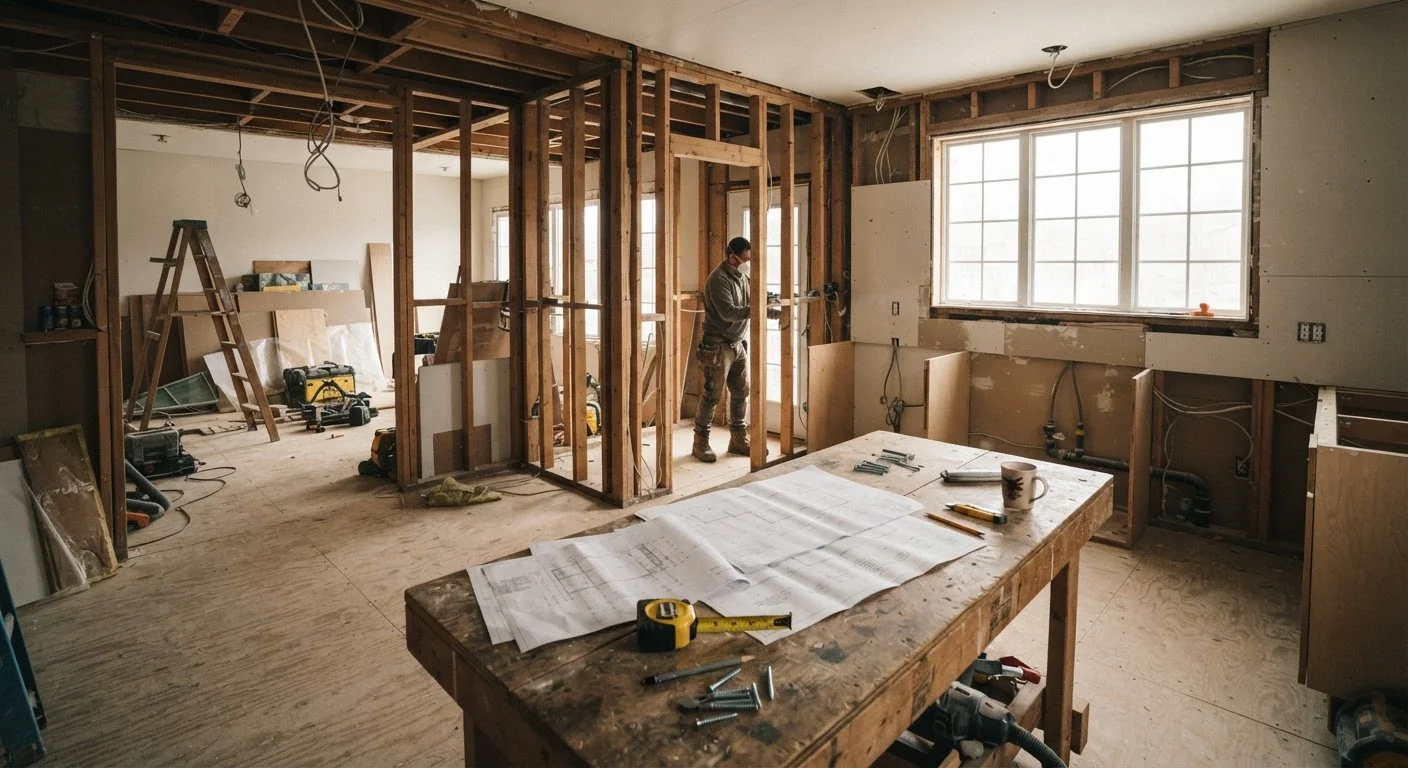
Full cabinet replacement means complete removal of existing cabinetry and installation of new units. This is the only option that allows you to change the layout, add storage configurations that didn't previously exist, or address structural issues with the walls or floor behind the old cabinets.
The tradeoffs are real: replacement involves the most disruption, the longest timeline (often 4-8 weeks when factoring in ordering and installation), and the highest cost. It typically also requires permits in many jurisdictions if plumbing or electrical work is involved in the redesign, so checking local code requirements is an important early step.
Deciding whether to hire out or manage parts of the process yourself is a genuinely complex question. a practical framework for DIY vs. hiring decisions can help you think through where your skills and risk tolerance align with the scope involved.
Typical cost range: Stock cabinet replacement for an average kitchen starts around $5,000-$8,000 installed. Semi-custom and custom options can run $15,000-$30,000 or more. These figures are general estimates - actual costs depend heavily on kitchen size, cabinet grade, and regional labor markets.
For a sense of how a similarly scoped project unfolds in another part of the home, a realistic bathroom remodel timeline illustrates how decisions compound across a full renovation.