Why Private Sales Demand a Different Mindset
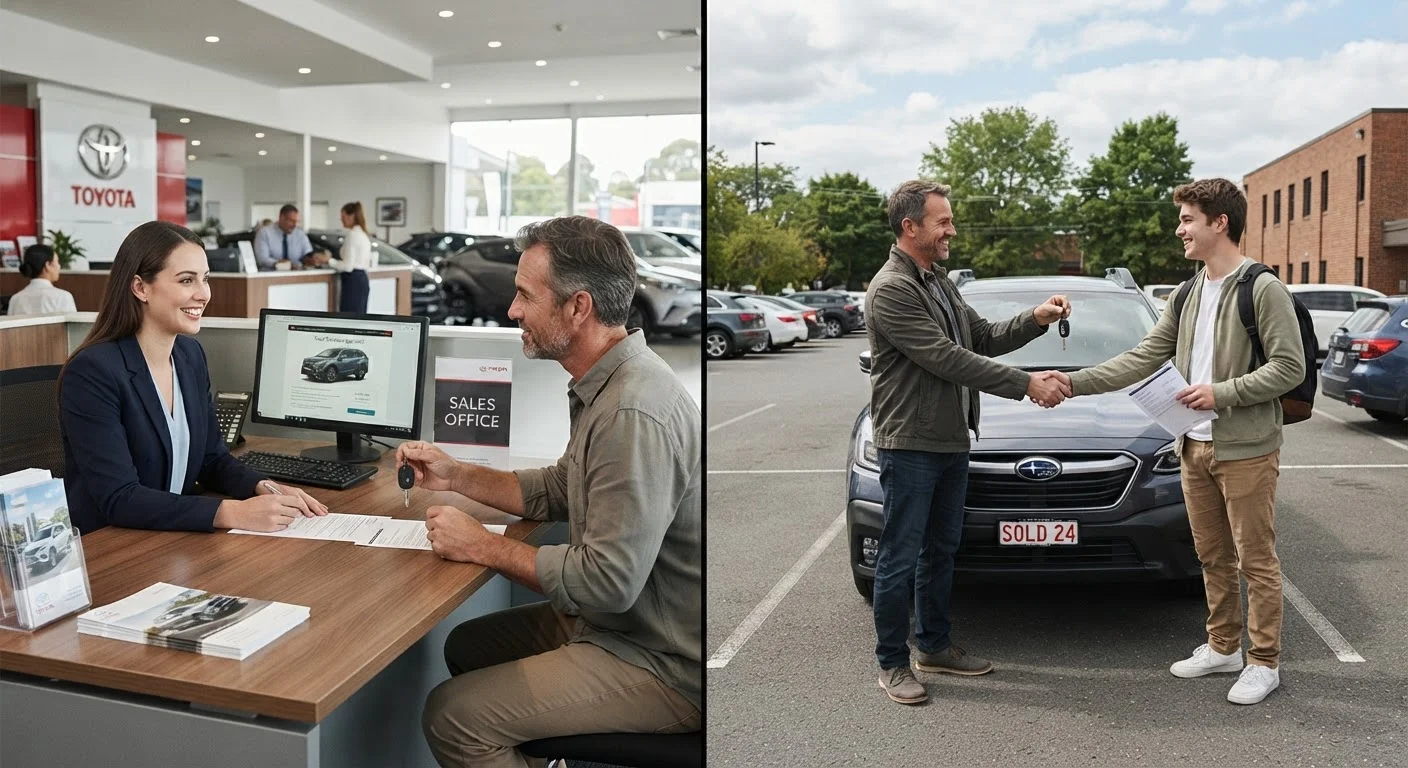
Selling a car privately puts more money in your pocket than a dealer trade-in in most cases - but it also puts you in charge of pricing, marketing, vetting buyers, and handling legal paperwork. That's a meaningful shift in responsibility. Before diving in, it's worth understanding what that tradeoff actually looks like. Our guide on weighing trade-in vs. private sale options breaks down the financial and logistical comparison in detail.
The sellers who come out ahead aren't necessarily the most experienced - they're the most prepared. That means doing your homework on price, condition, documentation, and safety before you post a single photo.
Pull your vehicle's history report before listing it
Buyers will often request a vehicle history report anyway. Reviewing it first means no surprises during negotiation - and it gives you the opportunity to address any issues proactively rather than reactively.
Detail the car thoroughly before photographing and listing it
First impressions drive clicks, and clicks drive inquiries. A clean car photographs better, signals to buyers that it's been well maintained, and can justify a higher asking price in their minds before they've seen it in person.
Disclose known mechanical issues in writing before any test drive
Failing to disclose known defects can expose you to post-sale legal liability in many states, particularly if the buyer can demonstrate you were aware of the problem. Written disclosure protects both parties.
Never release the title until payment has fully cleared
The title is your legal proof of ownership. Once it's signed over, reversing the transaction is extremely difficult regardless of whether payment was legitimate. Verified, cleared funds must come first.
Screen buyers briefly before committing to a meeting
A quick exchange of messages or a short phone call filters out lowballers, scammers, and unserious shoppers - saving you significant time and reducing safety exposure.
Pricing It Right from the Start
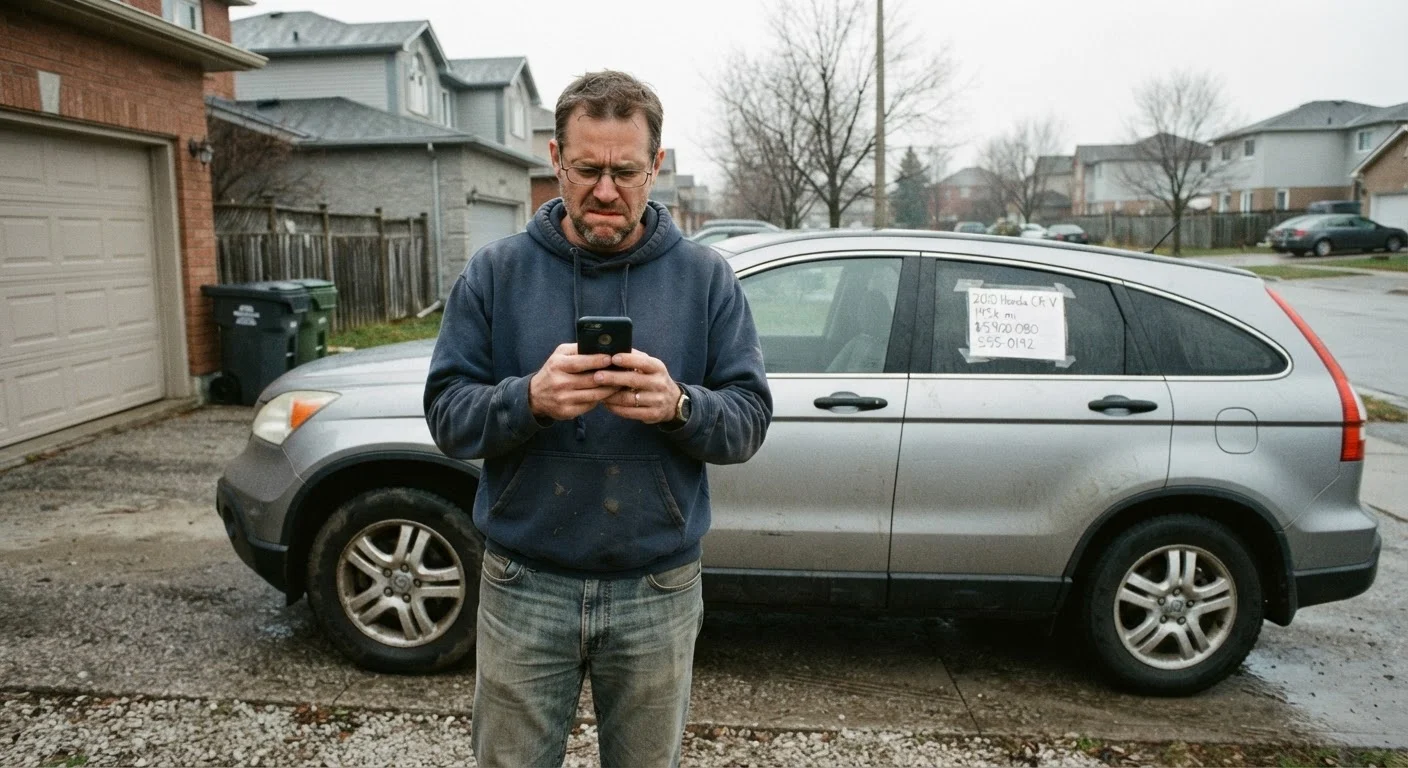
Overpricing kills momentum; underpricing hands strangers a windfall. Neither serves you. Cross-reference at least two valuation tools - such as Kelley Blue Book and NADA Guides - and then check active listings for comparable vehicles in your local market. Condition, mileage, trim level, and regional demand all affect realistic sale price.
Set your asking price slightly above your floor price to leave negotiating room, but stay within the range buyers are actually searching. A price that's 15-20% above comparable listings will generate few inquiries, no matter how good the car is. For a deeper look at what private sellers commonly get wrong, see common seller mistakes that drag down sale prices.
$1,000-$3,000+
Typical private sale premium over trade-in value
Industry estimates from Kelley Blue Book and NADA suggest private sales routinely yield meaningfully more than dealer trade-in offers, though the gap varies by vehicle age, condition, and market demand.
~30%
Private sellers who report encountering scam attempts
Consumer advocacy surveys and state attorney general reports consistently document that a significant portion of private vehicle sellers encounter at least one fraudulent contact during the listing period.
Vetting Buyers and Staying Safe
Not everyone who contacts you is a legitimate buyer. Common scams include overpayment via check (the check bounces after you've released the car), pressure to accept payment apps with no buyer protection, and buyers who want to "test drive" alone without you present.
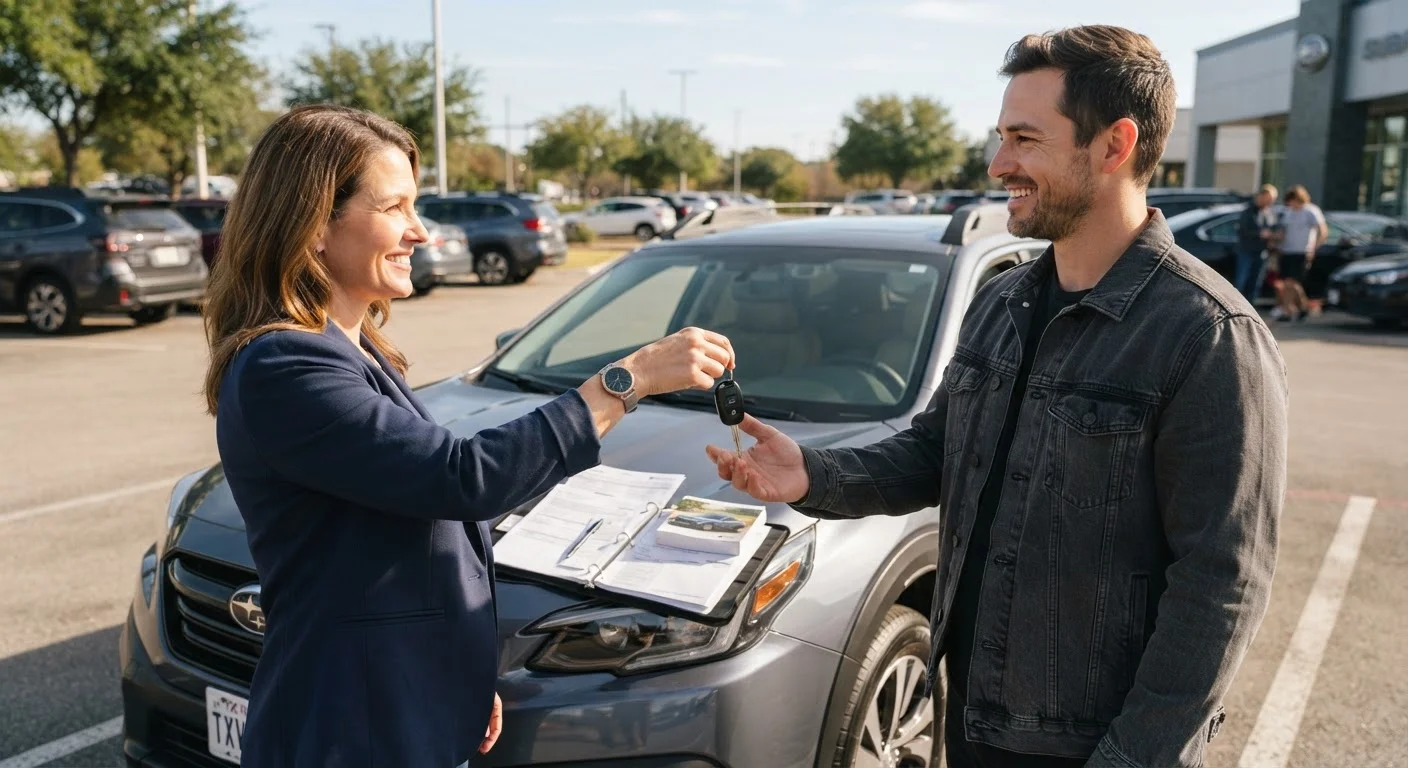
Always meet in a well-lit public location - many police departments designate safe exchange zones specifically for transactions like this. Bring a second person when possible. For test drives, ride along, verify the buyer has a valid license, and confirm your auto insurance covers permissive use by a non-owner before handing over the keys.
Verify payment before transferring the title. Cash is the most straightforward. If a buyer insists on a cashier's check, verify it directly with the issuing bank - not via phone numbers printed on the check itself - before signing anything.
Ride Along on Every Test Drive
Never let a prospective buyer take your vehicle for a solo test drive. Always accompany them - in the passenger seat, not the back. Confirm they hold a valid driver's license before starting the car. If a buyer refuses these conditions, treat that as a serious red flag.
Paperwork That Protects You After the Sale
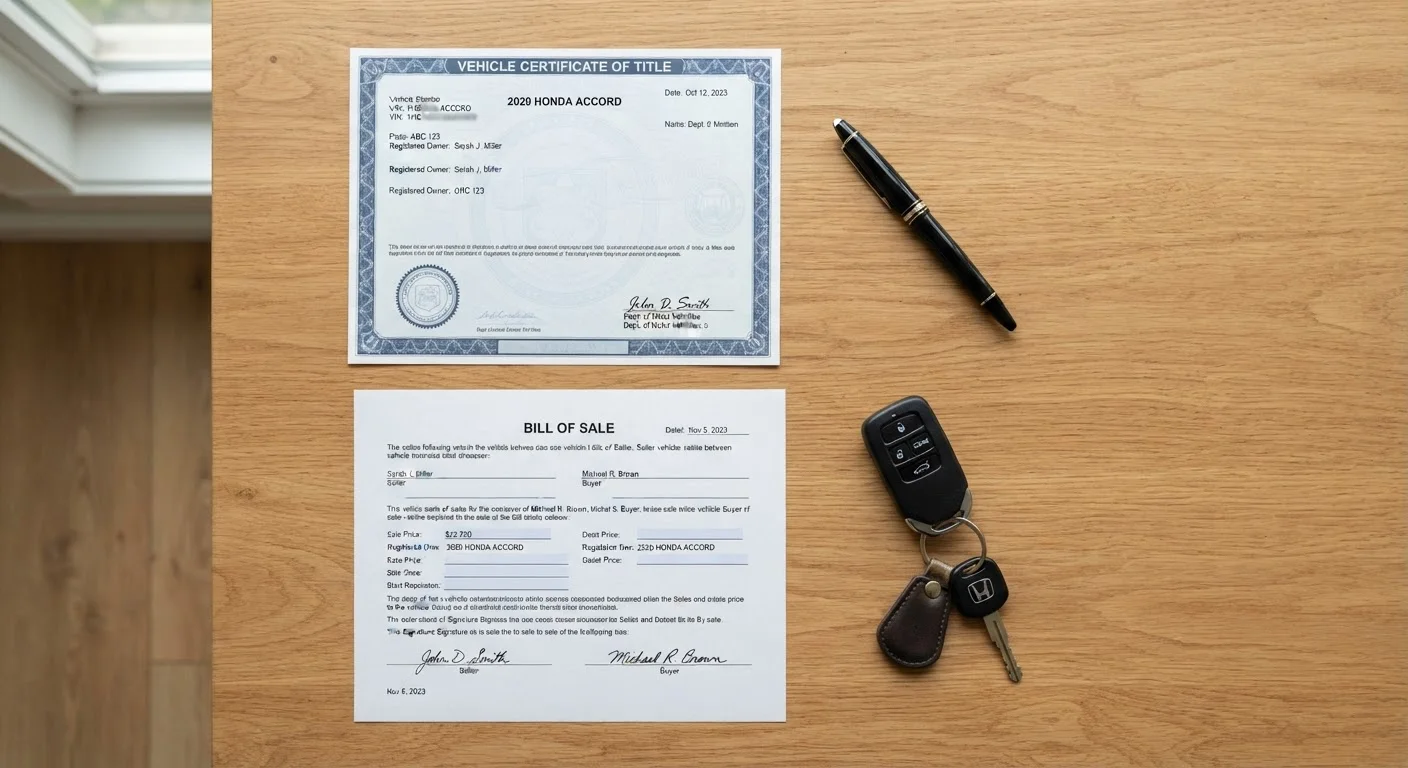
Once money changes hands, your legal exposure doesn't automatically end - it depends entirely on completing the right paperwork. At minimum, you'll typically need: a signed title transfer, a bill of sale with the date, sale price, VIN, and both parties' information, and an odometer disclosure statement (required federally for vehicles under 10 years old).
Notify your state's DMV of the sale promptly. This removes your name from the registration and protects you if the buyer gets a ticket or is involved in an incident before they re-title the vehicle. Requirements vary by state, so confirm the exact steps with your local DMV. For a full checklist, see documents you need when selling or transferring a vehicle.
Cancel your insurance on the vehicle only after the title is formally transferred - not before.