The Core Trade-Off: Money vs. Convenience
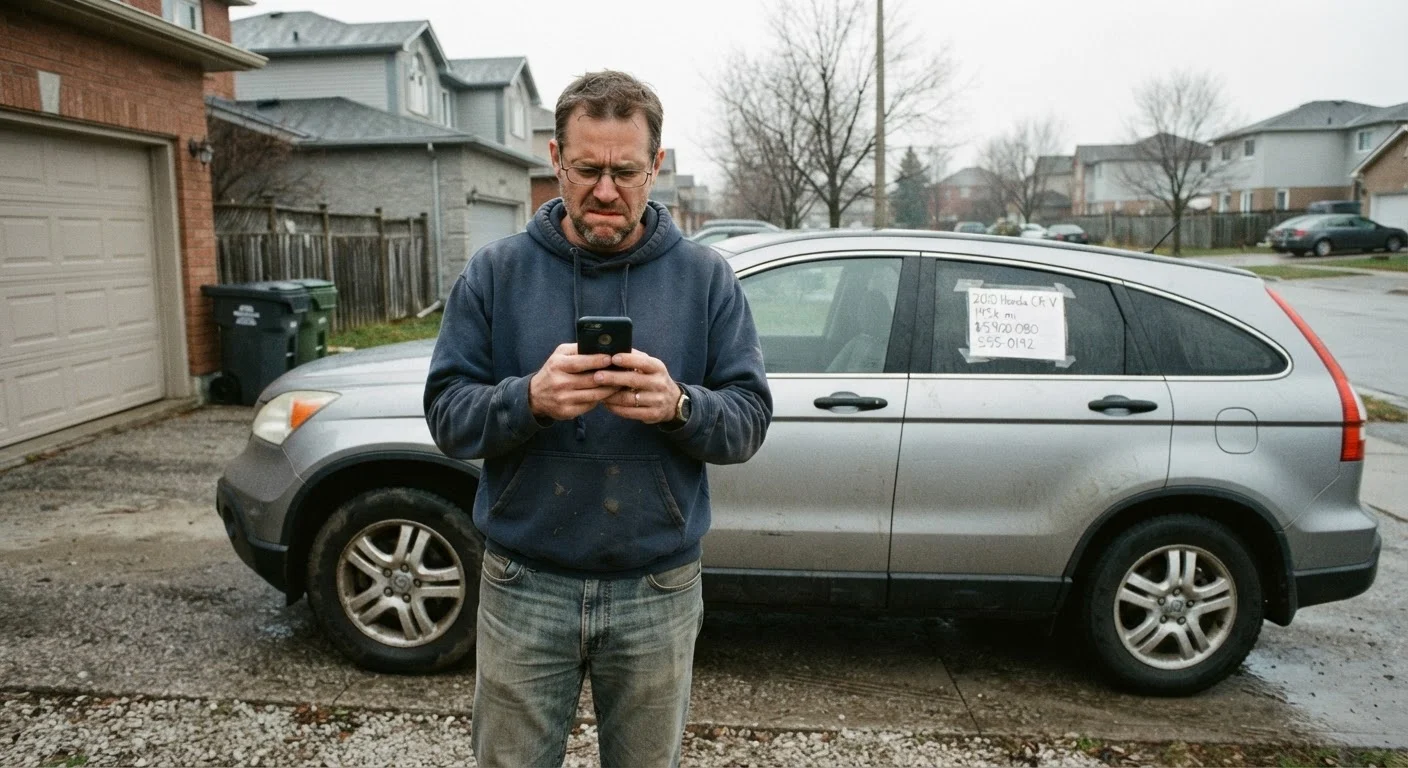
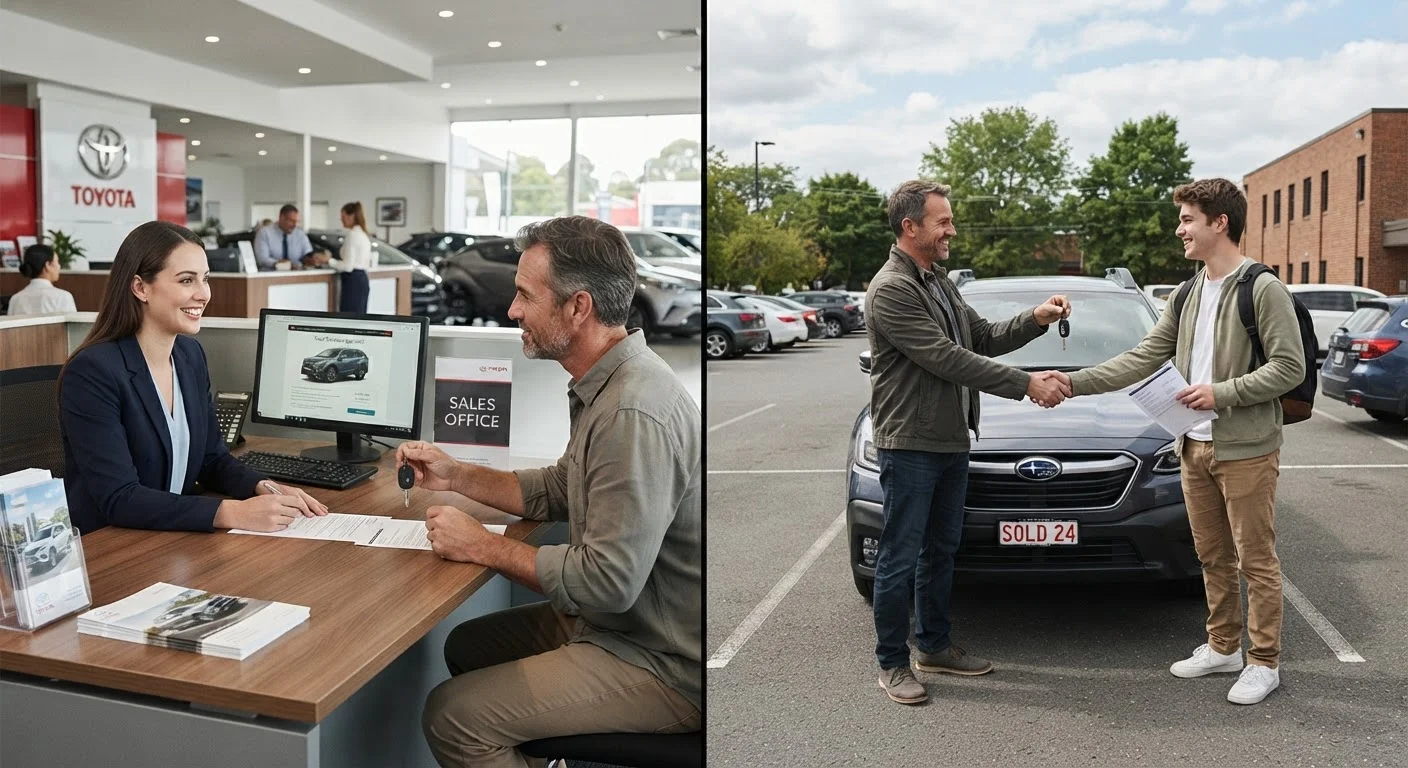
When it's time to move on from a vehicle, most sellers face two realistic options: trade it in at a dealership or sell it privately to another individual. The decision isn't just about dollars - it involves time, paperwork, safety, and personal tolerance for negotiation.
Dealers profit from reselling your car, which means trade-in offers are almost always below private-market value. The gap typically ranges from a few hundred to several thousand dollars depending on the vehicle's make, age, condition, and local demand. That spread is the price of convenience.
Private sales put you in control of pricing, but they require you to market the vehicle, screen buyers, arrange test drives, and handle the title transfer yourself. Done well, the extra effort can pay off substantially. Done poorly, it creates frustration and delays. See our guide to common seller mistakes to understand where private sellers most often lose money.
| Trade-In | Private Sale | |
|---|---|---|
| Typical sale price | Below market value | Closer to market value |
| Time to complete | Same day | Days to several weeks |
| Effort required | Minimal | Significant |
| Loan payoff handling | Dealer manages it | Seller coordinates with lender |
| Sales tax benefit (varies by state) | Possible credit on next purchase | No tax offset |
| Buyer vetting required | None | Seller's responsibility |
| Payment risk | Low | Moderate (scams, bad checks) |
Financial Factors That Change the Equation
The sticker-price difference between a trade-in offer and a private-sale listing isn't the whole financial picture. Two factors can meaningfully shift which path actually puts more money in your pocket.
Sales Tax Offset
In many states, when you trade in a vehicle while purchasing another at the same dealership, the trade-in value is subtracted from the purchase price before sales tax is calculated. On a $10,000 trade-in with a 7% tax rate, that's $700 in tax savings - real money that closes the gap between trade-in and private-sale proceeds. This benefit varies by state; verify the rules in your jurisdiction before assuming it applies.
Loan Payoff Complexity
If you still owe money on the vehicle, a dealership will typically handle the payoff directly as part of the transaction. In a private sale, you'll need to coordinate with your lender - some require the loan to be paid off before transferring the title, which can complicate timing. Understanding your payoff amount and lender requirements upfront is essential regardless of which route you take. For context on how dealer financing structures can affect your next purchase, see our comparison of dealer financing vs. bank lending.
Get Both Numbers Before Deciding
Never commit to a trade-in before knowing your private-market value, and never list privately before knowing what dealers will offer. Getting appraisals from multiple dealers - including online valuation tools - takes little time and gives you real negotiating leverage either way. The seller who walks into a dealer knowing their private-sale market value is in a much stronger position.
Logistics, Risk, and What to Expect
Beyond the financial math, the practical experience of each path differs considerably.
Trade-In Process
A trade-in appraisal typically takes 30-60 minutes. You can get competing offers from multiple dealers, including through online appraisal tools offered by some automotive marketplaces, without committing to anything. The transaction closes in one visit. No listings, no strangers, no follow-up calls.
Private Sale Process
Selling privately means creating accurate listings with quality photos, responding to inquiries, coordinating test drives, and verifying that a buyer's payment is legitimate before handing over keys and title. Cashier's checks can be counterfeited; bank-to-bank transfers or verified cash transactions are safer. Meeting buyers in a public place or a police department's designated safe-exchange zone reduces personal risk. For a deeper walkthrough, our guide to selling privately without getting burned covers the full process and common pitfalls.
Expect a private sale to take anywhere from a few days to several weeks, depending on the vehicle, asking price, and local demand. Overpricing is the most common reason vehicles sit unsold.
How to Make the Right Call for Your Situation
Before deciding, get both data points. Request trade-in appraisals from at least two or three dealers and check what comparable vehicles are actually selling for - not just listed at - on private platforms. The difference between those two numbers is your effort premium: the additional money you'd need to earn to justify a private sale.
If that gap is modest (say, under $1,000 on an older vehicle) and you have limited time or patience, the trade-in may be the rational choice. If the gap is $2,000 or more on a desirable vehicle and you can afford to wait a few weeks, a private sale is worth the work.
Consider your vehicle's condition honestly. Vehicles with significant mechanical issues, high mileage, or cosmetic damage are harder to sell privately without significant price concessions. Dealers price in risk systematically; private buyers often simply walk away. Also factor in whether your state's sales tax credit on trade-ins meaningfully changes the net outcome for your specific transaction.
This article provides general information about vehicle selling options and is not financial or legal advice. Consult relevant professionals and verify state-specific tax rules before making decisions about your vehicle transaction.