Why Travel Insurance Is So Widely Misunderstood
Travel insurance is one of those purchases people make quickly - often at checkout when booking a flight - without fully reading what they're buying. The result is a common pattern: travelers assume broad protection, then discover at the worst possible moment that their situation isn't covered. Understanding the structure of a standard travel insurance policy is the most reliable way to avoid that outcome.
Most policies are built around a handful of core benefit categories: trip cancellation and interruption, emergency medical coverage, medical evacuation, baggage loss or delay, and travel delay. Each category has its own sub-limits, conditions, and exclusions. A policy that advertises $10,000 in trip cancellation coverage and $50,000 in medical coverage does not mean every scenario within those categories is automatically paid - it means the maximum payout within defined qualifying conditions is capped at those amounts.
For a broader look at how these policies function from start to finish, see how travel insurance actually works.
Myth
Travel insurance lets you cancel your trip for any reason and get a full refund.
Fact
Standard trip cancellation coverage only applies to a specific list of named, qualifying reasons - not any personal change of plans.
"Cancel for Any Reason" (CFAR) is a separate, optional upgrade that must be purchased within a set window of your initial trip deposit - typically 14 to 21 days. Even then, CFAR usually reimburses only 50-75% of prepaid, non-refundable costs, not 100%. Standard trip cancellation coverage is more limited: qualifying reasons typically include sudden illness or injury, death of a family member, jury duty, and certain natural disasters at your destination. A change of heart, work schedule conflict, or fear of travel generally do not qualify under a standard policy.
Myth
My credit card travel protection is basically the same as a standalone travel insurance policy.
Fact
Credit card travel benefits are real but narrower - they typically cover trip delay, baggage delay, and rental car damage, not comprehensive medical or evacuation costs.
Many travel credit cards do include useful protections: trip delay reimbursement (often after a 6-12 hour delay), lost or delayed baggage coverage, and collision damage waiver for rental cars. However, they rarely include emergency medical coverage abroad, medical evacuation (which can cost $50,000-$200,000+ out of pocket), or trip cancellation for named reasons. If your primary concern is a medical emergency in a foreign country, a credit card benefit is not a substitute for a travel insurance policy with adequate medical and evacuation limits.
Myth
Travel insurance covers my belongings if they're stolen from my hotel room.
Fact
Baggage coverage under travel insurance has per-item limits and often excludes high-value electronics, jewelry, and cash - and hotel theft may be subject to additional conditions.
Travel insurance baggage coverage is designed to replace lost, stolen, or damaged luggage - but sub-limits for individual categories of items are common. Electronics, cameras, jewelry, and cash are frequently capped at amounts far below their actual value. Many policies also require you to file a police report within 24 hours of theft for a claim to be valid. For high-value items, a separate personal articles or renters/homeowners insurance rider may offer broader protection than a travel policy's baggage benefit.
Myth
If I have health insurance at home, I'm covered for medical emergencies while traveling internationally.
Fact
Most U.S. domestic health insurance plans provide limited or no coverage outside the United States, and Medicare generally does not cover international care at all.
Coverage varies by plan, but travelers relying on domestic insurance abroad frequently find that out-of-network international providers are not covered, or that reimbursement requires extensive paperwork with no guarantee of payment. Medicare beneficiaries are at particular risk: Medicare typically does not cover medical services outside the U.S., with narrow exceptions. Travel insurance with primary international medical coverage - separate from your domestic plan - fills this gap. When evaluating medical limits, consider not just hospitalization but also emergency medical evacuation, which is often the largest single expense in a serious overseas health event.
Myth
Travel insurance automatically covers adventure activities like skiing, scuba diving, or hiking.
Fact
Many standard policies exclude injuries sustained during "hazardous activities" unless a specific adventure sports rider is added.
The definition of "hazardous" varies by insurer, but commonly excluded activities include skiing, scuba diving, mountaineering, bungee jumping, and motorcycle riding. If adventure activities are a planned part of your trip, confirm before purchase whether they are covered under the base policy or require an add-on. Some insurers offer dedicated adventure travel policies with broader activity coverage. Failing to disclose an activity - or assuming it's included - is one of the more common reasons for denied medical claims among active travelers.
Coverage Gaps Travelers Regularly Encounter
Even travelers who buy comprehensive policies can find themselves surprised by what isn't covered. A few areas consistently cause problems.
$50K-$200K+
Typical cost of international medical evacuation
The U.S. Travel Insurance Association notes that medical evacuation costs frequently reach six figures depending on destination and medical complexity.
~14-21 days
Window to add pre-existing condition waiver
Most insurers require the waiver to be purchased within 14 to 21 days of the initial trip deposit to be eligible for pre-existing condition coverage.
Pre-existing medical conditions are among the most common sources of denied claims. Most standard policies exclude any medical event connected to a condition diagnosed or treated within a defined lookback period - often 60 to 180 days before purchase. Some insurers offer a pre-existing condition waiver, but it typically must be purchased within a narrow window (often 14 to 21 days) of your initial trip deposit.
Travel supplier default - meaning the airline or tour operator goes bankrupt - is not covered under most basic policies. You need a policy that explicitly includes "supplier default" or "financial insolvency" as a named benefit.
Rental car coverage through a travel policy is not the same as collision damage waiver (CDW) coverage from a rental company. Travel policies may reimburse certain rental car losses, but the scope varies significantly. For a detailed look at rental contract terms, see car rental agreement clauses that commonly trip up travelers.
Read the Exclusions Section First
The exclusions section of a travel insurance policy is often longer than the benefits section - and just as important. Common exclusions include civil unrest at your destination, pandemic-related cancellations (terms vary widely by policy), and losses arising from alcohol or drug use. Don't assume a benefit applies; confirm it isn't excluded before you rely on it.
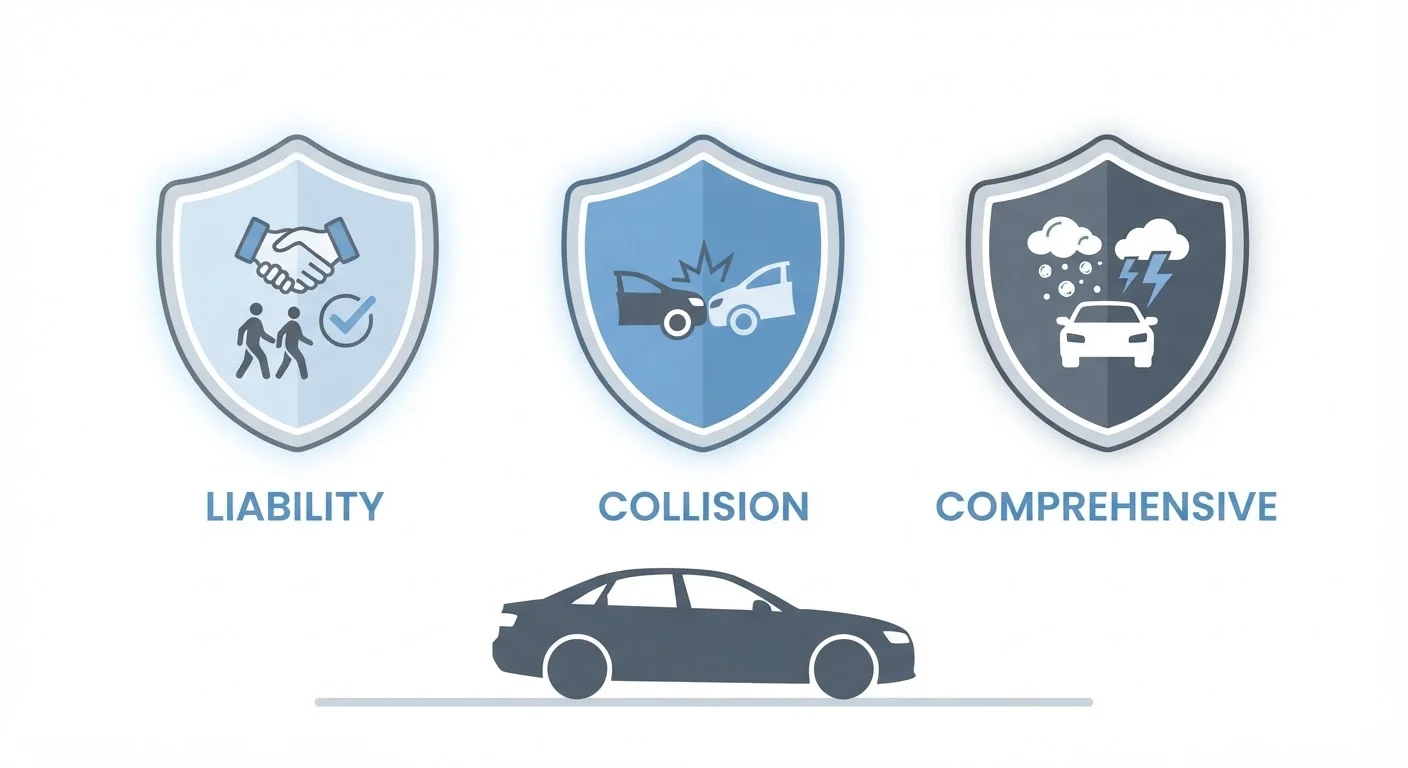
If you're familiar with how exclusions work in other types of insurance, some of the same principles apply. Understanding what liability, collision, and comprehensive auto coverage actually do offers a useful parallel for thinking about named-peril versus broad coverage structures.
How to Read a Travel Policy Before You Buy
The most actionable step any traveler can take is reading the policy's Summary of Benefits and the full Certificate of Insurance before purchase - not after. Key things to locate:
- Covered reasons for cancellation: These are explicitly listed. If your reason isn't on the list, the claim will likely be denied.
- Per-person vs. per-incident limits: Some medical sub-limits apply per incident, others per person per trip. The distinction matters enormously for hospitalizations abroad.
- Primary vs. secondary medical coverage: Secondary coverage pays only after your domestic health insurance has paid. If your domestic plan doesn't cover international care - and many don't - a secondary policy may leave a gap.
- 24-hour assistance services: Reputable policies include a dedicated assistance line for medical emergencies, evacuations, and logistical support. Confirm this is included, not just reimbursement after the fact.
This article is for general informational purposes only and is not a substitute for reading your actual policy documents or consulting a licensed insurance professional. Coverage terms, exclusions, and eligibility vary by provider, policy, and traveler circumstances. Verify all details directly with your insurer before travel.