Why Rental Contracts Catch Travelers Off Guard
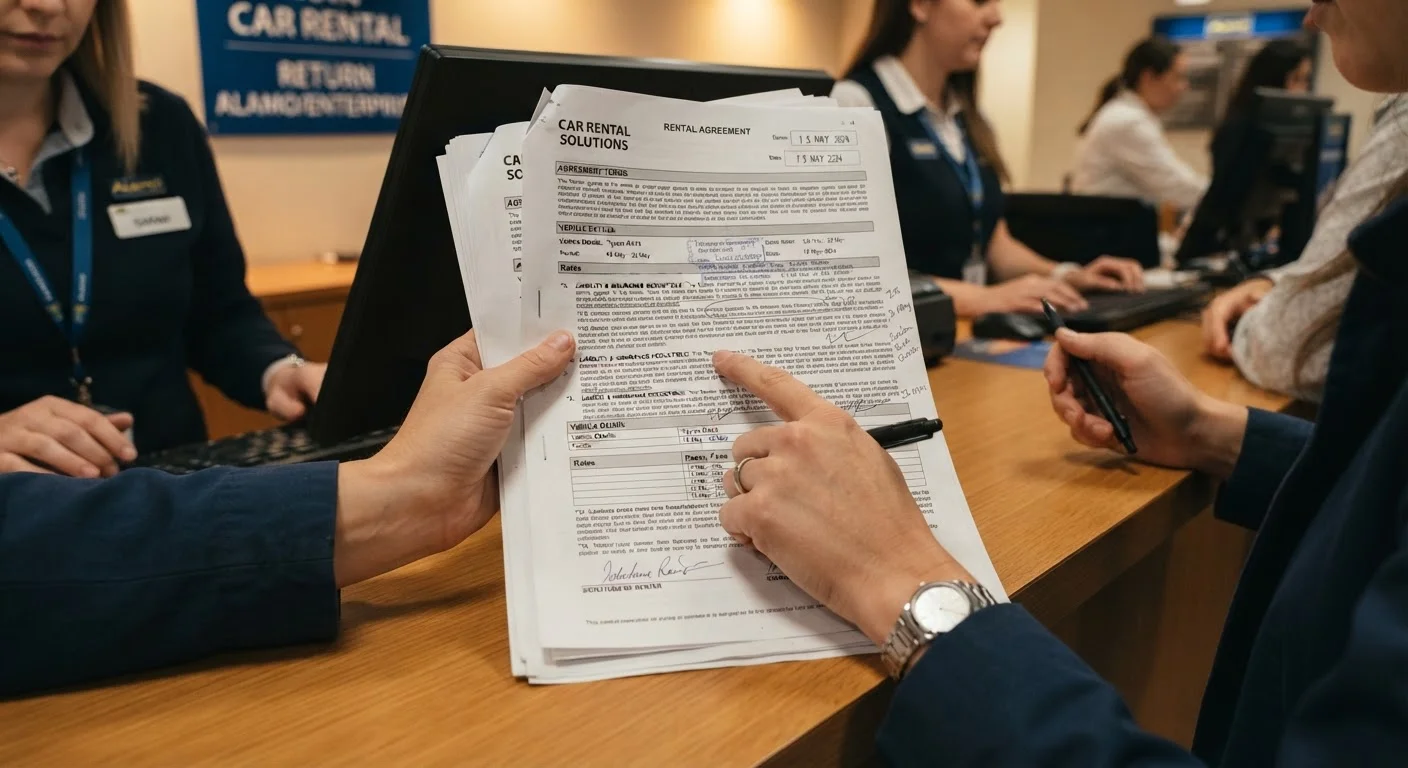
Car rental agreements are among the most routinely signed - and least read - contracts in travel. Presented at the counter after a long flight, with an agent moving quickly through the terms, most travelers initial the pages and move on. That habit is expensive. Rental contracts contain clauses that shift significant financial risk onto the driver, and the language is often designed to be technically accurate rather than easy to understand.
Understanding what you're agreeing to before you pick up the keys is the most reliable way to avoid charges that feel unfair but are entirely within the contract. The mistakes below are the ones that generate the most disputes - and the most preventable costs.
Skipping the fuel policy and assuming any return arrangement is acceptable.
Why it happens: Agents present options quickly and travelers often hear "just bring it back full" without registering the refueling fee structure that applies if they don't.
Accepting or declining the CDW without knowing what existing coverage already applies.
Why it happens: Most travelers don't check their personal auto policy or credit card benefits before arriving at the counter, so the decision is made without adequate information.
Not documenting vehicle condition before driving away from the lot.
Why it happens: Travelers are tired, in a hurry, or trust that existing damage is already noted - sometimes it isn't.
Missing geographic restriction clauses and driving into a prohibited area.
Why it happens: Restrictions are disclosed in the contract body rather than highlighted, and plans can change after pickup - a spontaneous border crossing or off-road detour can nullify coverage.
Allowing an unlisted person to drive the rental vehicle.
Why it happens: Travelers assume a licensed driver accompanying them is covered under the primary renter's contract, which is rarely true.
Insurance Overlap and the Coverage You May Already Have
One of the most consequential decisions at the rental counter is whether to accept the Collision Damage Waiver (CDW) or Loss Damage Waiver (LDW). Many travelers either reflexively decline it to save money or accept every add-on without understanding what each does.
A CDW is not an insurance policy - it is the rental company's agreement to waive its right to bill you for damage to the vehicle. That distinction matters because it comes with conditions: damage caused by contract violations (such as driving on an unpaved road when prohibited, or allowing an unlisted driver to operate the vehicle) can void the waiver entirely.
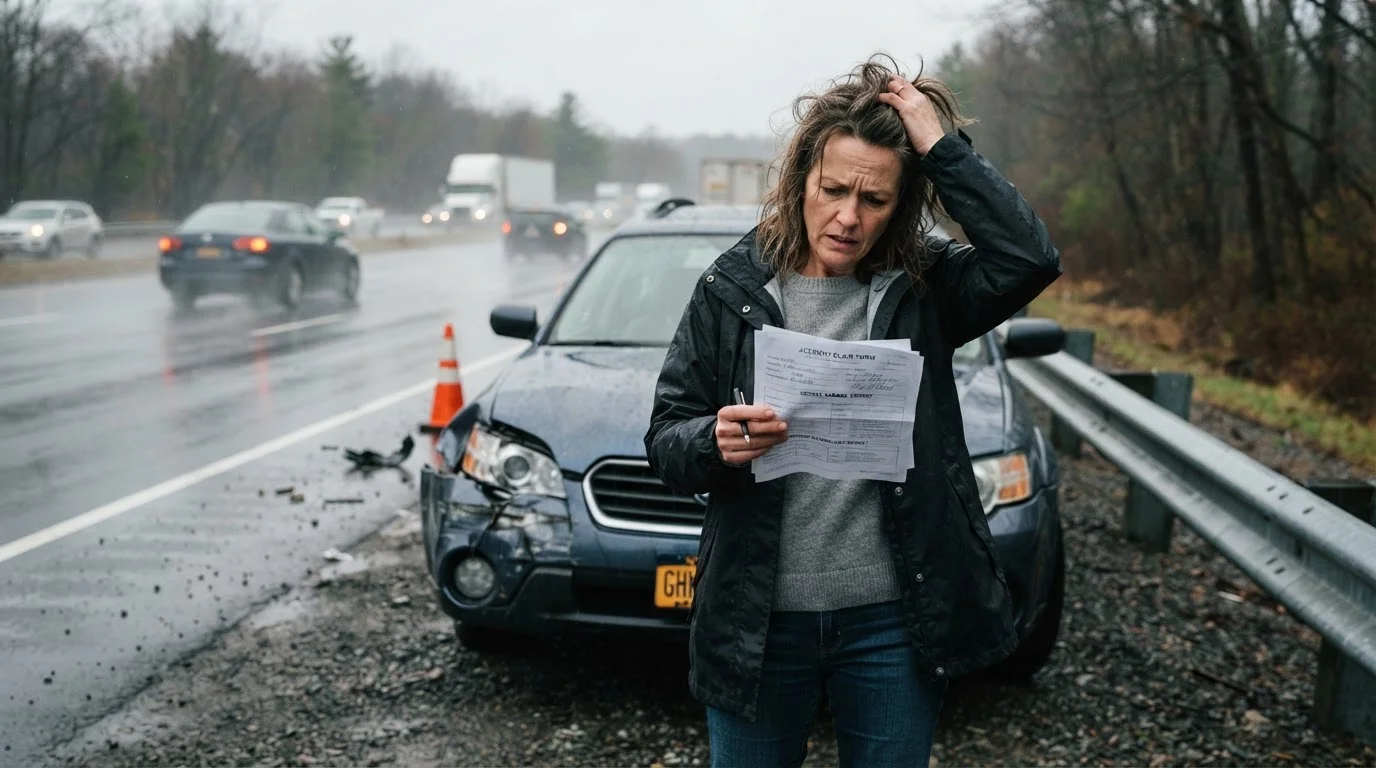
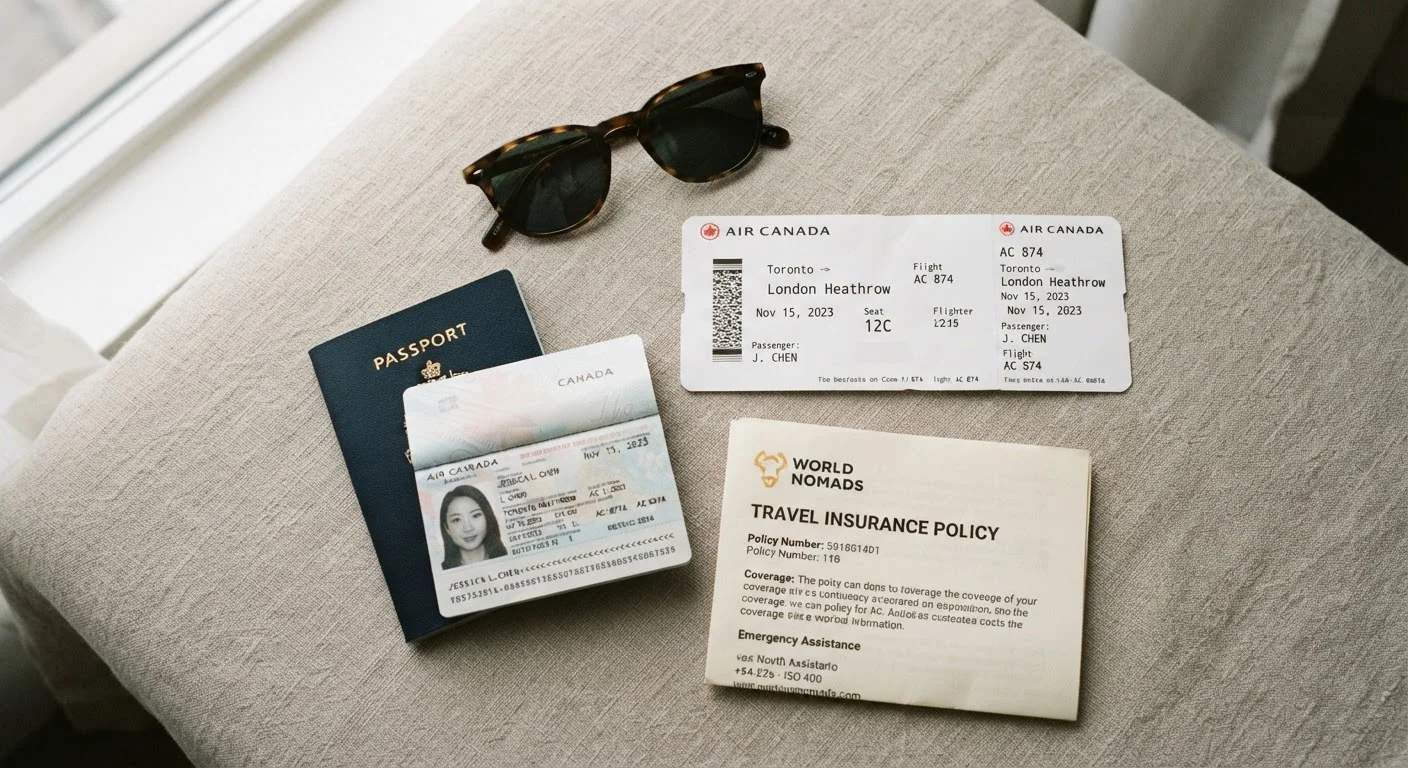
Before deciding at the counter, review your personal auto insurance policy and any credit card benefits in advance. Many personal policies do extend collision and comprehensive coverage to rental cars, but coverage limits, deductibles, and exclusions vary. For a deeper look at how coverage gaps create financial exposure, see our guide on auto insurance mistakes that can cost you at claim time. Also, travel insurance policies sometimes include rental car damage - but again, the details are in the exclusions, not the headline description.
Credit Card Rental Coverage Has Conditions
Many credit cards offer secondary rental car coverage, meaning they pay only what your primary auto insurance does not. Some cards offer primary coverage, but only when you decline the CDW and charge the full rental to that card. Read your card's benefits guide carefully - coverage for trucks, vans, luxury vehicles, and international rentals is frequently excluded.
Reading the Charges You'll See at Return
Many dispute-generating charges appear not at pickup, but at drop-off or on a follow-up credit card statement. Knowing what to expect removes most of the surprise.
Fuel Policy
Rental agreements typically offer two fuel arrangements: return the car full (full-to-full), or prepay for a tank and return it at any level. Full-to-full is almost always the better deal for travelers who can stop for gas before returning - prepay rates typically exceed pump prices, and you pay for fuel you don't use. Returning with less than a full tank under a full-to-full policy triggers a refueling fee that can be two to three times the normal per-gallon price.
Mileage Caps
Major national chains typically offer unlimited mileage in the continental U.S., but smaller regional companies, international rentals, and some specialty vehicles carry daily mileage limits. Per-mile overage fees accumulate quickly on road trips. If your itinerary covers long distances, confirm the mileage terms in writing before driving.
Geographic Restrictions
Most agreements restrict where the vehicle can be taken - commonly prohibiting travel to specific states, off-road use, or cross-border trips to Mexico or Canada without prior written approval. Violations can void your damage waiver and trigger additional fees. If you plan to cross a border or drive into a restricted zone, get written authorization before departure.
Cross-Border Trips Require Advance Authorization
Driving a rental car into Mexico or Canada without prior written permission from the rental company is a contract violation in virtually every standard agreement. If an incident occurs across the border without authorization, both the CDW and your personal auto policy may refuse to cover the loss. Contact the rental company at least a day before any planned cross-border travel and get the approval documented.
Additional Driver Policies
Every driver who operates the rental must be listed on the contract. Unlisted drivers who cause an accident may not be covered by the CDW, and the primary renter remains fully liable. Additional driver fees - often charged per day - are disclosed in the agreement but frequently missed at signing.