Why Safari Planning Starts With Ecosystem Knowledge
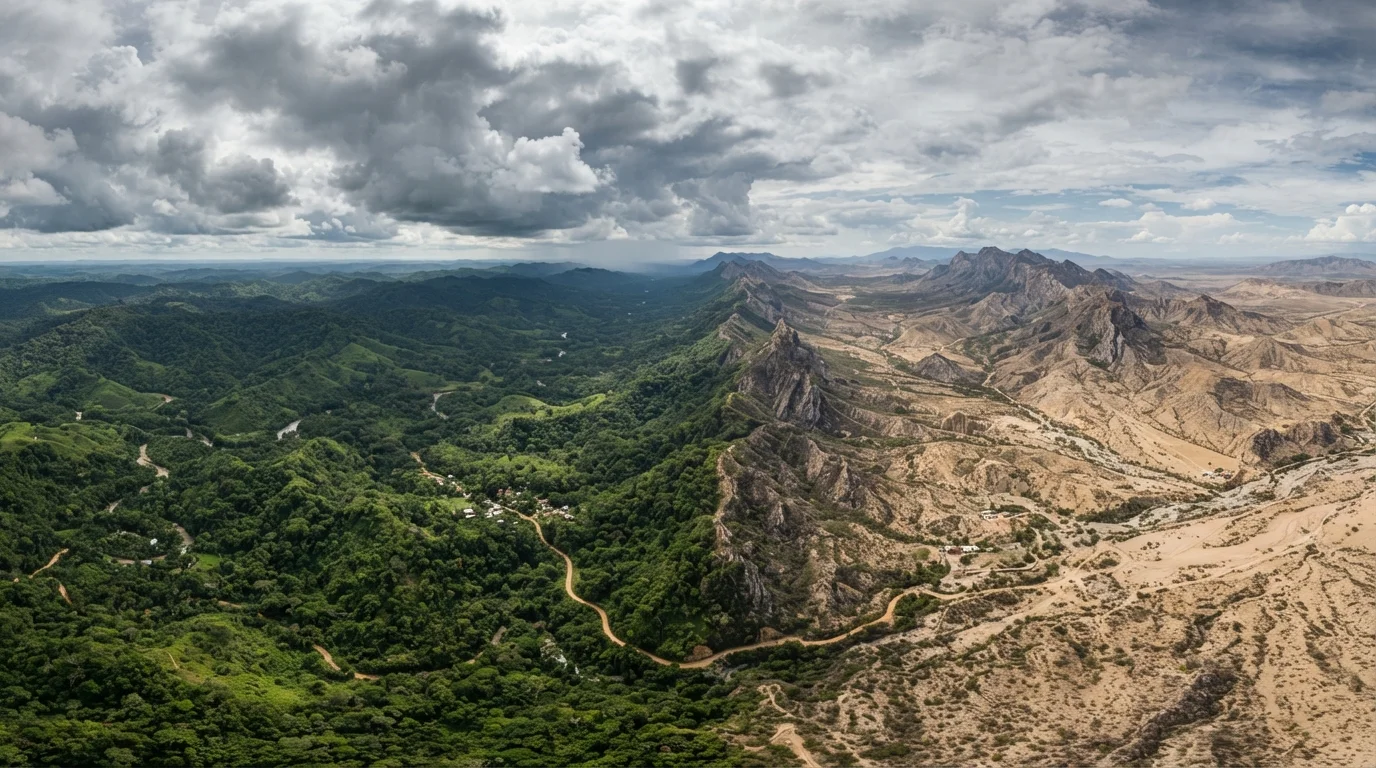
Many travelers book a safari by country name alone - Kenya, Tanzania, Botswana, South Africa - without realizing that within each country, dramatically different ecosystems produce dramatically different experiences. An open savanna, a dense riverine forest, a semi-arid scrubland, and a floodplain all support distinct animal communities and require different viewing approaches.
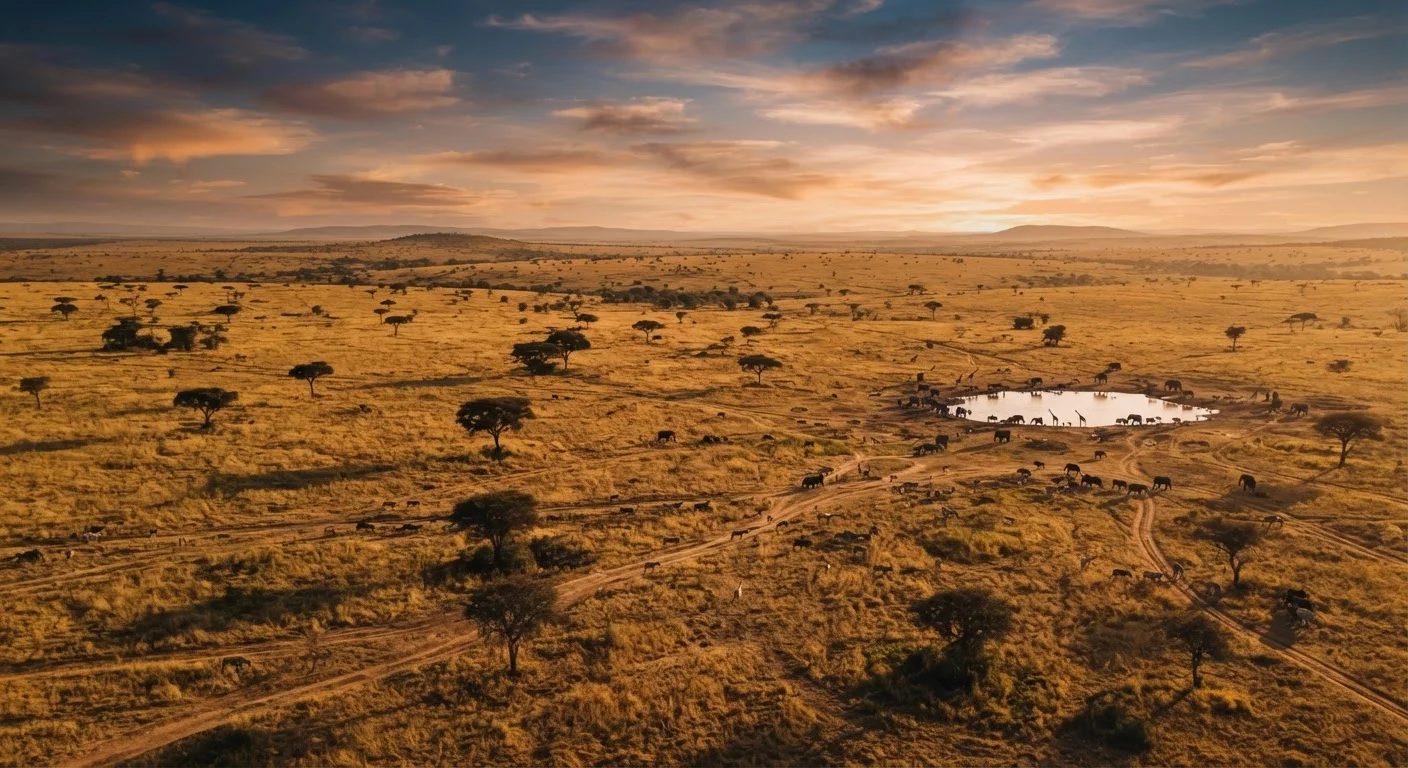
Before comparing operators or pricing, ask yourself what kind of wildlife encounter you're actually seeking. The Serengeti's sweeping grasslands favor the iconic predator-prey dynamics most people imagine. The Okavango Delta's water-based channels call for mokoro canoes and boat safaris. South Africa's Kruger region offers self-drive accessibility that most East African parks do not. These are not interchangeable.
Understanding the landscape also shapes practical decisions: vehicle type, camp style, physical demands, and even photography conditions. A destination that looks similar on a map may require a completely different packing list, fitness level, and time commitment. This is why destination research - not just inspiration - should anchor your early planning process. See our trip planning timeline for a stage-by-stage approach to building that research into your schedule.
Request a specific camp's recent sighting reports before booking - most reputable operators maintain them and will share them. A camp with honest reporting about slow periods is more trustworthy than one that only highlights peak months.
Real sighting data gives you a more accurate picture of what wildlife activity looks like during your specific travel window, rather than relying on marketing materials that typically showcase peak conditions.
When comparing camps, ask whether the concession is private or whether multiple operators share game drive access to the same area - private concessions generally mean fewer vehicles around any single sighting.
Vehicle density directly affects the quality of wildlife encounters and the behavior of animals at sightings. Private conservancies often deliver noticeably different experiences from shared public park zones.
The Role of Season and Climate
Timing is the variable with the most leverage over a safari's quality. Most sub-Saharan safari regions follow a wet season/dry season cycle rather than the four-season model familiar to most Americans. Dry seasons (broadly May-October across much of East and Southern Africa) concentrate animals around water sources, thin the vegetation for easier sighting, and reduce malaria-carrying mosquito populations. These are generally the most sought-after travel windows and tend to carry higher pricing.
Wet seasons bring lush greenery, newborn animals, migratory birds, and fewer crowds - but roads can become impassable, and dense foliage makes large mammals harder to spot. The Serengeti wildebeest migration, one of the world's most famous wildlife spectacles, follows a predictable annual circuit through Tanzania and Kenya's Masai Mara - but where within that circuit the herds are depends entirely on which month you travel.
For a deeper look at how to read rainfall data and microclimate patterns before you commit to dates, the article on understanding a destination's climate before you arrive provides a practical framework that applies directly to safari planning.
Wet Season Roads Can Close Without Notice
In many safari regions, heavy rains can make dirt tracks impassable for days. If you're traveling in or near the wet season, ensure your operator has clear policies on alternative game drive access and understand what isn't covered if roads close. This is particularly relevant in Botswana's Okavango Delta and parts of the Zambian bush.
Comparing Safari Regions
Each major safari region carries trade-offs that matter depending on your priorities:
- East Africa (Kenya, Tanzania): Home to the Serengeti-Mara ecosystem and Amboseli. High wildlife density, iconic landscapes, but also higher visitor numbers in peak periods. Tanzania's northern circuit and the Masai Mara are well-developed for tourism.
- Southern Africa (Botswana, Zimbabwe, Zambia): Botswana in particular prioritizes low-volume, high-cost conservation tourism. Fewer visitors, more exclusive experiences, higher price points. Victoria Falls serves as a natural add-on destination.
- South Africa: The only major safari destination without endemic malaria in many of its popular reserves (Madikwe, Eastern Cape). Self-drive options in Kruger make it more accessible for independent travelers. Easier international connections via Johannesburg.
- Uganda and Rwanda: Primarily known for mountain gorilla trekking - a fundamentally different experience from open-plain game drives, requiring permits that should be booked months in advance.
None of these regions is objectively superior. The right choice depends on your budget, wildlife priorities, physical comfort level, and how you prefer to travel. Travelers joining group safaris should also read our guide on coordinating group travel, since group dynamics add meaningful complexity to destination selection.
Logistics: Getting There and Getting Around
Safari logistics involve layers that rarely apply to conventional vacations. International flights into hub cities (Nairobi, Johannesburg, Dar es Salaam) are typically followed by bush flights on small propeller aircraft to airstrips near the reserves. Those bush legs are often weight-restricted - commonly 15 kg of soft-sided luggage per person - a constraint that surprises many first-time visitors.
Ground transportation within reserves is usually open 4×4 vehicles with elevated seating. Game drives typically depart at dawn and again late afternoon to align with animal activity patterns. Self-drive is viable in South Africa's Kruger National Park and a handful of other locations, but in most East African parks it requires an experienced guide both for safety and for reading animal behavior effectively.
Entry requirements, vaccination documentation (yellow fever certificates are mandatory for entry into several countries and transit through others), and visa rules vary significantly and are subject to change. Always verify current requirements directly with the relevant embassy and your airline before booking. These are not details an article can reliably substitute for official sources.
The logistics framework in our travel logistics hub covers transportation and accommodation planning principles that translate well to the multi-leg structure most safaris require.
Ethical and Conservation Considerations
Safari tourism is a major funding mechanism for wildlife conservation across sub-Saharan Africa, but that relationship depends on how operators are structured. Not all safari operations contribute equitably to conservation or to local communities. Key questions to ask any operator include: What percentage of staff is drawn from surrounding communities? Does the operation contribute to an identified conservation fund? Are vehicles limited in number around wildlife sightings?
Responsible wildlife interaction also has behavioral standards that ethical operators enforce. This includes maintaining distance from animals, never off-roading to chase a sighting, not feeding wildlife, and following guide instructions without negotiation. These rules exist for animal welfare and visitor safety - not as suggestions.
Permit Booking Timelines Vary Significantly
Gorilla trekking permits in Rwanda and Uganda are limited in number and regularly sell out months in advance for peak-season dates. Unlike standard accommodation, these permits are typically non-transferable and have strict cancellation terms. Build permit availability into your destination decision - not as an afterthought once flights are booked.
Gorilla and chimpanzee trekking permits in Uganda and Rwanda include strict protocols - maximum group sizes, time limits near primates, and health screening requirements - designed to protect endangered populations. These are enforced and non-negotiable.
Travelers interested in the broader relationship between ecosystems and wildlife corridors may find the article on native plants and local ecosystems a useful complement - the ecological principles governing habitat health apply across scales.
Building the Rest of Your Plan
Once you've identified your destination region, target season, and a shortlist of operators or camps, the structural work of itinerary building begins. Safari itineraries require more careful day-by-day construction than most trips because game drive schedules, bush flight timings, and camp check-in windows are less flexible than standard hotel accommodations. Buffer days matter more here, not less.
Our guide on building a well-structured travel itinerary covers the underlying principles that keep complex multi-stop trips from unraveling - principles that apply directly to safari planning. If you're traveling solo, the different preparation demands are addressed in our solo travel planning guide, which covers the mindset shifts and logistics adjustments that independent travelers should factor in.
A safari is one of the most logistically layered trips an American traveler can undertake - but travelers who understand the ecosystem, season, and ground logistics before they commit arrive with realistic expectations and leave with far fewer regrets.
This article provides general travel information for educational purposes. Entry requirements, health regulations, and travel conditions vary by country and change frequently. Always verify current visa, vaccination, and safety requirements with official government sources and your healthcare provider before traveling.