
Why Solo Travel Demands a Different Planning Approach
Traveling alone is fundamentally different from traveling in a group - not because it's more dangerous, but because every decision and contingency falls on one person. There's no one to watch your bag while you use a restroom, no second opinion when you're unsure which train to board, and no built-in support system when a booking falls through. That reality makes preparation more valuable, not more intimidating.
Solo travel within the US has distinct logistical advantages: no passport required for domestic flights, no currency conversion, and no significant language barrier across most of the country. But it introduces considerations that group travel doesn't - primarily around safety communication, single-occupancy accommodation costs, and managing fatigue without a travel partner to share the cognitive load.
The planning approach in this guide is designed to address those specific gaps. Whether this is your first solo trip or you're looking to build a more deliberate system, the steps below give you a practical framework you can apply to any US destination. For context on how domestic planning differs from international logistics, see our breakdown of where domestic and international trip planning diverge.
Solo Doesn't Have to Mean Isolated
Hostels, group tours, and organized day activities are practical ways to meet other travelers without committing to a travel partner. Many solo travelers find that structured shared experiences - a cooking class, a guided hike, a food tour - provide both social connection and built-in logistics support. Plan a few of these alongside your independent time.
What to Prepare Before You Start Booking
Effective solo trip planning starts before any bookings are made. You'll need the following in place to work through the steps below efficiently.
What you will need
Offline Maps App (e.g., Google Maps offline or Maps.me)
Download destination maps in advance so you can navigate without cell service.
Portable Battery Charger
Keep your phone powered through long travel days, especially in areas with limited outlets.
Travel Insurance Policy
Provides financial protection for trip cancellations, medical costs, and lost baggage.
Printed or Screenshot Copies of Bookings
Backup access to reservation details when you don't have internet access.
Personal Safety App (e.g., bSafe, Noonlight)
Lets a trusted contact monitor your location and send alerts if needed.
Once you have these foundations in place, work through the steps below in order. Transportation and accommodation decisions are interdependent - finalizing your transit mode first will make lodging choices much cleaner.
Don't Rely Solely on Your Phone for Navigation
A dead battery or loss of cell service in rural or remote areas can leave you without navigation or emergency contact capability. Download offline maps before you depart, carry a portable charger, and note key addresses and phone numbers somewhere physical. This is especially relevant in national parks and mountain regions where signal is unreliable.
For navigating public transit once you arrive - reading maps, loading transit cards, understanding fare systems - our guide to using public transit in an unfamiliar city covers the practical walkthrough.
Choose Your Destination Based on Solo-Specific Factors
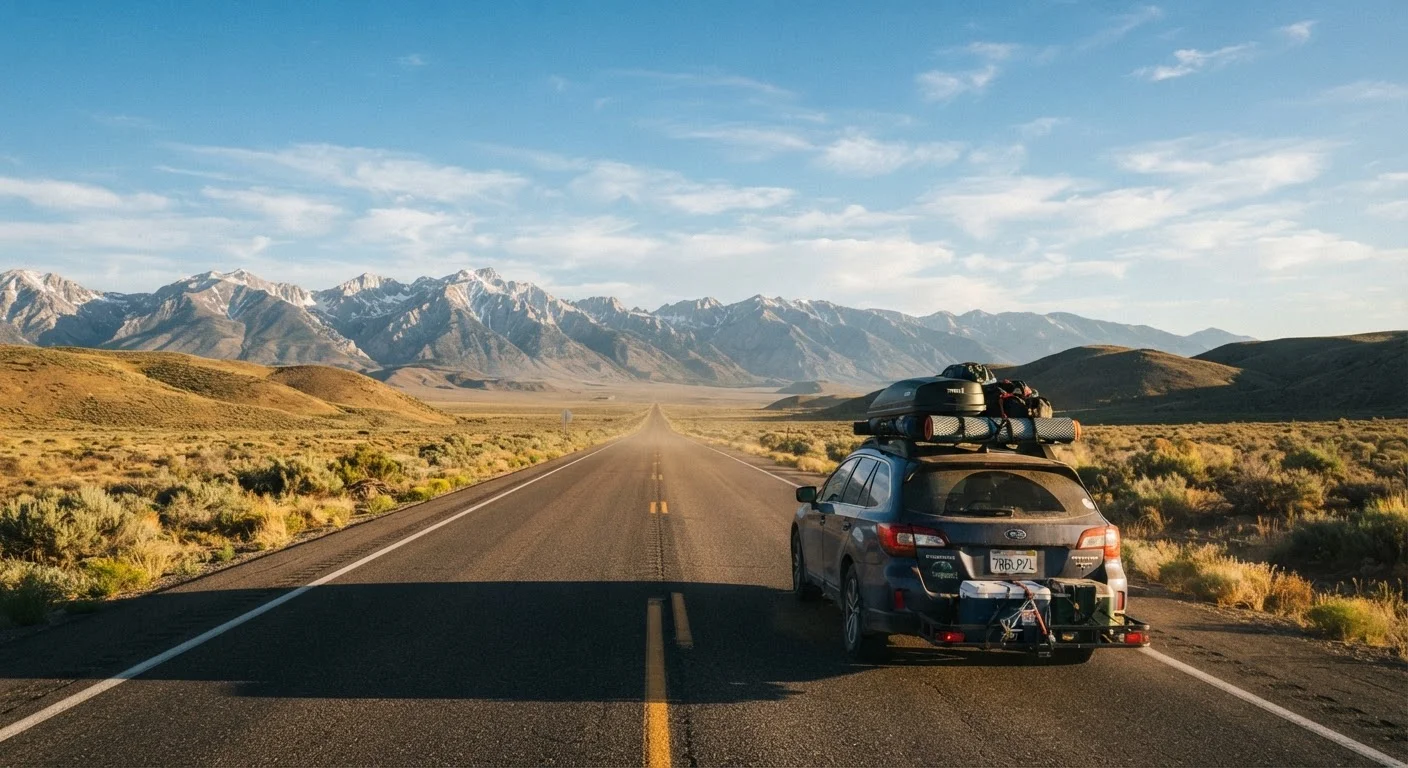
Not every destination suits solo travel equally. When selecting where to go, weigh transit accessibility, walkability, and how straightforward it is to get around alone. Dense, walkable cities with reliable public transit - think Chicago, Portland, or Washington D.C. - are generally easier for first-time solo travelers than dispersed rural regions that require a car. If a road trip appeals to you, see our first-time road tripper guide before committing to your route.
Also consider how active the local solo traveler community is. Destinations with strong hostel scenes, group tour operators, or outdoor activity hubs tend to make independent travel less isolating.
Select Your Transportation Mode Early
Transportation isn't just a logistics detail - it shapes the rhythm and cost of your entire trip. Flying is fastest but adds airport time, baggage fees, and inflexibility. Driving gives you independence but adds fuel costs, parking, and fatigue management. Train travel offers a middle path worth seriously considering for many domestic routes. Our comparison of train travel vs. flying for domestic US trips breaks down when each mode makes practical sense.
Book transportation before accommodation. Your arrival time, station or airport location, and transit options at the destination will influence where you stay.
Book Accommodation That Matches Your Solo Priorities
Solo travelers pay a single-occupancy rate but receive a private room - which is typically the most expensive proportional lodging cost of any trip structure. Consider the tradeoffs honestly. Hostels offer private rooms at lower price points, plus common areas that make meeting other travelers natural and low-pressure. Mid-range hotels provide privacy and reliability. Vacation rentals can make sense for longer stays but often feel isolating for shorter trips.
Whatever you choose, verify the neighborhood's walkability and proximity to transit. As a solo traveler, late-night rides in unfamiliar areas carry more risk than they do in groups.
Build and Share a Detailed Itinerary
A solo trip itinerary serves two purposes: it keeps you organized, and it gives your emergency contact the information they need if something goes wrong. Build a day-by-day schedule that includes accommodation addresses, activity bookings, and transportation details. For guidance on structuring your days effectively, see our article on building a well-structured travel itinerary.
Build in deliberate buffer time - at least 30 to 60 minutes between activities and a full open afternoon every two to three days. Solo travel is more mentally demanding than group travel, and overloading your schedule leaves no room to recover when things shift.
Prepare Your Safety and Communication Plan
Establish a check-in schedule with someone at home before you leave - a daily text, a location share, or a brief call. Agree on what they should do if they don't hear from you by a specified time. Carry a physical note with your accommodation address, a local emergency number, and your travel insurance claim line. The US emergency number is 911, but some rural areas may have limited response times, so know your surroundings.
[important_callout]Consider downloading a personal safety app if traveling to more remote areas. Verify that your cell carrier has coverage in your destination region - coverage maps vary significantly between carriers in national park areas and rural states.
Handle Finances and Documents Before Departure
Notify your bank of your travel dates and destination to prevent your card from being flagged for fraud. Carry a backup payment method - a second card stored separately from your wallet. For most domestic US travel, a state-issued ID or driver's license is sufficient, though a passport is required for flights if your ID doesn't meet REAL ID standards. Check your ID's compliance before booking flights.
For a comprehensive end-to-end planning checklist that covers documents, packing, and contingency prep, see our complete traveler's reference.