
The Current Market Context
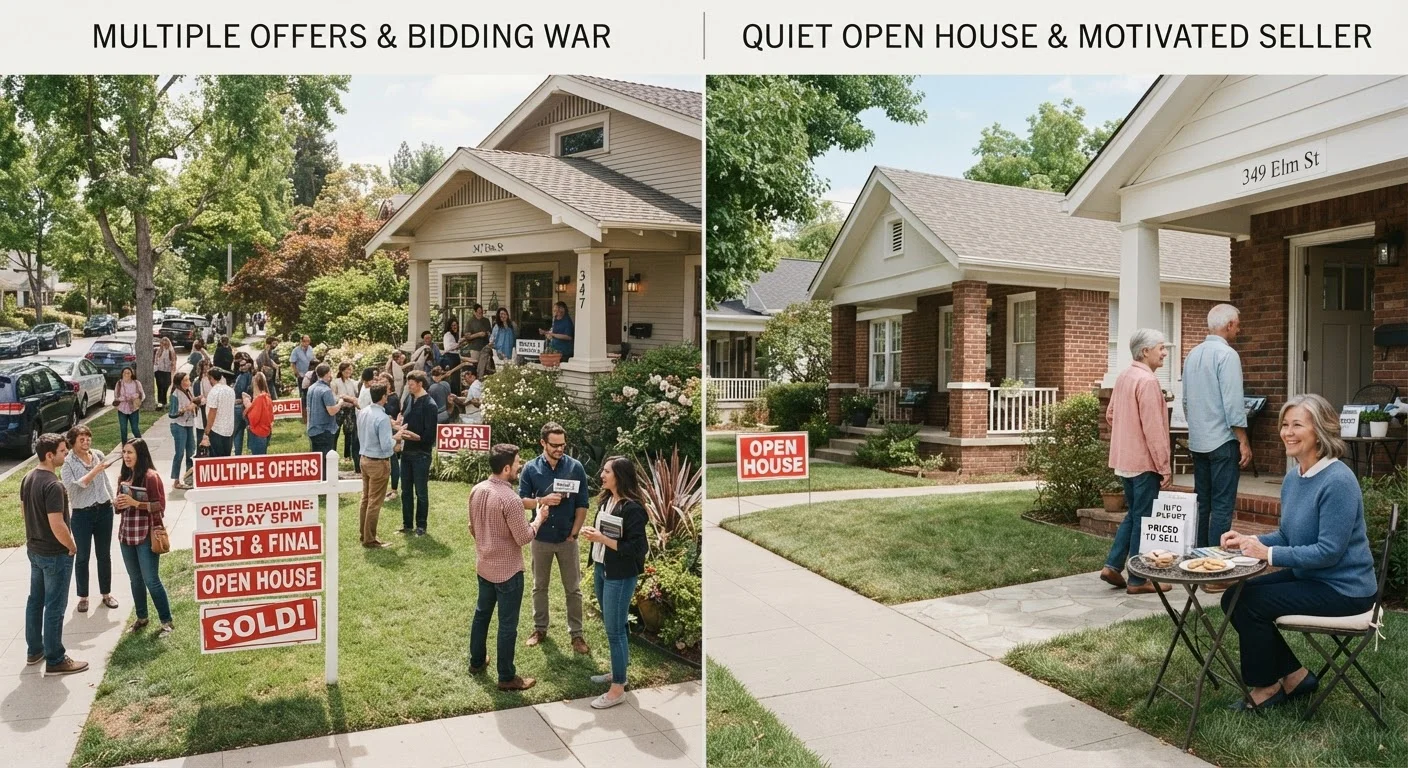
Any honest renting-versus-buying comparison must start with today's conditions rather than historical averages. After years of historically low mortgage rates, the financing environment shifted sharply - and the monthly cost of carrying a mortgage on a median-priced home rose dramatically relative to renting a comparable unit in many U.S. cities.
The result is that the traditional financial argument for buying - that a mortgage payment builds equity while rent is 'money thrown away' - has become more complicated. In numerous markets, a renter can secure equivalent square footage for meaningfully less per month than a buyer carrying current financing costs. That gap matters, because the difference, if invested consistently, can itself become a wealth-building mechanism.
That said, conditions vary sharply by geography. Some mid-sized cities in the South and Midwest still present purchase prices where ownership is within reach at current rates. Understanding your specific local market signals - not national headlines - is essential before drawing conclusions.
| Criterion | Renting | Buying |
|---|---|---|
| Upfront costs | Security deposit, first/last month | Down payment, closing costs (2-5%) |
| Monthly cost predictability | Fixed until renewal; may increase | Fixed with fixed-rate mortgage |
| Equity building | None | Yes, with each payment and appreciation |
| Maintenance responsibility | Landlord's obligation (typically) | Owner's full responsibility |
| Mobility / flexibility | High; relocate at lease end | Low; selling takes time and money |
| Market exposure | Rent inflation risk | Price appreciation or depreciation risk |
| Tax benefits | Generally none | Mortgage interest deduction (subject to rules) |
| Break-even timeline | N/A - no purchase to recoup | Typically 5-7 years in most markets |
What Renting Actually Costs (and Provides)
Renters often pay a predictable monthly sum that covers shelter without the hidden line items of ownership. There are no property tax bills, no roof replacement reserves, no HVAC failures that arrive as a several-thousand-dollar surprise. In markets with strong tenant protections, leases also provide short-term stability. For those who value mobility - whether for career opportunities or lifestyle reasons - renting allows relocation without the logistical and financial weight of selling a property.
The real cost of renting, beyond the monthly check, is opportunity: renters do not accumulate equity in their housing and are exposed to rent increases at each lease renewal. In tight rental markets, those increases can be significant. If you're navigating a competitive rental environment, strategies for renting in a tight market can help you secure and retain housing more effectively.
Renters should also consider lease structure. A month-to-month versus fixed-term lease choice affects both your flexibility and your exposure to sudden rent changes - a decision worth making deliberately.
5-7 yrs
Typical break-even horizon for homeownership vs. renting
Most financial analyses find that buying outperforms renting financially only after five to seven years, accounting for transaction costs and opportunity cost of down payment capital.
1-2%
Annual home maintenance cost as share of home value
Housing financial planners commonly use a 1-2% annual figure for routine maintenance and repairs, a cost renters do not bear directly.
2-5%
Typical closing cost range as percentage of purchase price
Buyer closing costs - including lender fees, title insurance, and prepaid items - generally range from 2% to 5% of the home purchase price, per industry guidance.
What Buying Actually Costs (and Provides)
Homeownership carries costs that are easy to undercount when comparing a mortgage payment to a rent figure. Property taxes, homeowner's insurance, private mortgage insurance (if your down payment is below 20%), HOA fees where applicable, and routine maintenance - commonly estimated at 1-2% of the home's value annually - all add to the true monthly cost of ownership.
The upfront requirement is also substantial. A down payment, closing costs (typically 2-5% of the purchase price), and cash reserves for immediate repairs represent a meaningful capital commitment before you make a single mortgage payment. For first-time buyers, understanding the full financial picture of buying - beyond the mortgage payment - is critical to avoiding post-purchase financial strain.
On the other side of the ledger, buyers build equity with each payment, benefit from any price appreciation over time, gain stability against rent increases once they lock in a fixed-rate loan, and may access tax deductions on mortgage interest. Choosing between a fixed-rate or adjustable-rate mortgage also shapes how that cost evolves over your ownership period.
The Break-Even Horizon and When to Reassess
One of the most useful frameworks for this decision is the break-even horizon: the point at which the cumulative financial benefits of ownership outweigh the costs versus continued renting. This calculation accounts for down payment opportunity cost, transaction costs, tax benefits, rent inflation, and projected appreciation.
In most analyses, that break-even point falls somewhere between five and seven years, though it can be shorter in fast-appreciating markets and longer in expensive ones with elevated rates. If your planning horizon is shorter than that, the financial case for buying weakens considerably regardless of how appealing homeownership feels.
The decision also isn't permanent in either direction. Many renters become buyers when their income, savings, and local market align. Many owners return to renting when life circumstances shift. The more useful question isn't which choice is universally better - it's which choice fits your current financial position, local market reality, and life trajectory. For buyers ready to move forward, understanding what a buyer's agent actually does can help you navigate the purchase process with appropriate professional support.
This article is for general informational and educational purposes only and does not constitute financial, legal, or investment advice. Real estate decisions involve significant financial risk and should be made in consultation with qualified financial, legal, and real estate professionals familiar with your specific circumstances and local market.