
The Monthly Payment Is Just the Starting Point
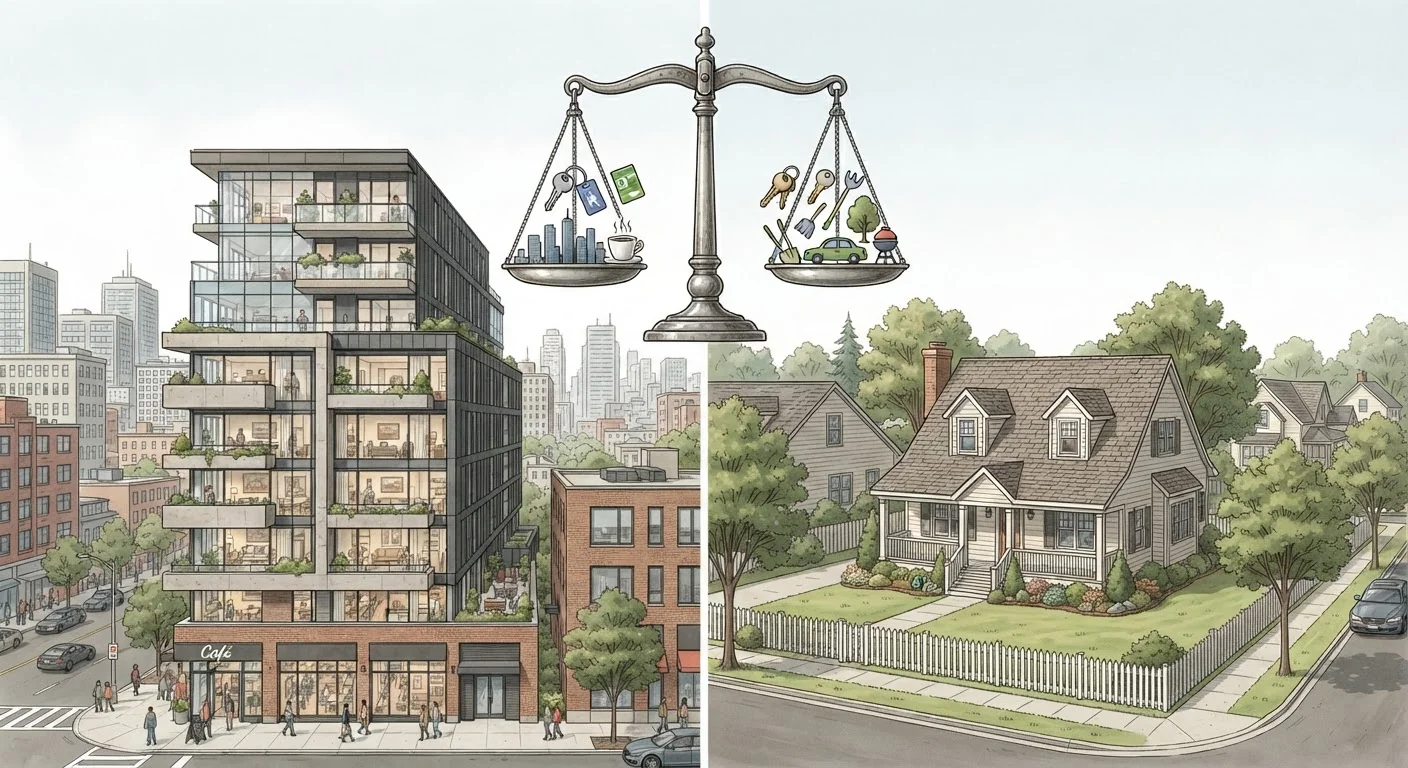
Most rent-vs.-buy comparisons begin and end with a simple number: the mortgage payment versus monthly rent. That framing misses most of the picture. Homeownership carries a layered set of costs that renters largely avoid, and renting carries opportunity costs that buyers often overlook.
When you buy a home, your true monthly cost typically includes principal and interest on the mortgage, property taxes, homeowner's insurance, and - in many cases - private mortgage insurance (PMI) if your down payment is below 20%. Add homeowner's association (HOA) fees where applicable, and average maintenance costs, which real estate professionals commonly estimate at 1% to 2% of the home's value annually, and the gap between a mortgage payment and a rent payment often narrows considerably or reverses.
Renters, by contrast, typically pay one monthly figure plus renter's insurance - a far simpler ledger. What renters do not build is equity, the ownership stake that grows as a mortgage is paid down and, in many markets, as the property appreciates in value. That distinction matters enormously over the long run. For a deeper look at how market conditions affect this calculation, see how today's market affects the rent-vs.-buy decision.
| Renting | Buying | |
|---|---|---|
| Upfront cost | Security deposit (1-2 months rent) | Down payment + closing costs (5-25% of price) |
| Monthly cost predictability | Stable term-to-term, variable at renewal | Fixed principal/interest; taxes and insurance can rise |
| Equity building | None | Yes, through paydown and appreciation |
| Maintenance responsibility | Landlord handles most repairs | Owner bears all costs (est. 1-2% of value/year) |
| Flexibility to relocate | High - exit at lease end | Low - selling takes time and costs 6-10% |
| Exposure to market risk | Minimal | Significant - values can fall |
| Tax considerations | No direct deductions | Potential mortgage interest / property tax deductions |
Upfront Costs, Liquidity, and the Break-Even Horizon
Buying a home requires substantial capital before you close. A down payment - typically ranging from 3% to 20% of the purchase price depending on loan type - is the most visible figure, but closing costs add another 2% to 5% on top of that. On a $350,000 home, that can mean $7,000 to $17,500 in closing costs alone, separate from the down payment.
This upfront commitment has a real financial consequence: capital tied up in a home is not invested elsewhere. Renters who redirect what would have been a down payment into diversified investments may accumulate wealth through a different path, though that outcome depends heavily on their actual investment discipline and market conditions - neither of which is guaranteed.
Calculate Your Local Break-Even Point
Generic rent-vs.-buy rules of thumb rarely hold in all markets. Home prices, rent levels, property tax rates, and appreciation trends vary dramatically by city and neighborhood. Before making a decision, use a break-even calculator that incorporates your specific purchase price, expected rent, and anticipated length of stay. Many nonprofit housing counseling organizations and government-affiliated resources offer free tools for this analysis.
The break-even horizon - the point at which buying becomes financially superior to renting in a given market - typically falls somewhere between four and seven years, though it varies widely by location, home price, and interest rate environment. Buying and selling within two or three years is rarely financially advantageous once transaction costs (including agent commissions and closing costs on both ends) are factored in.
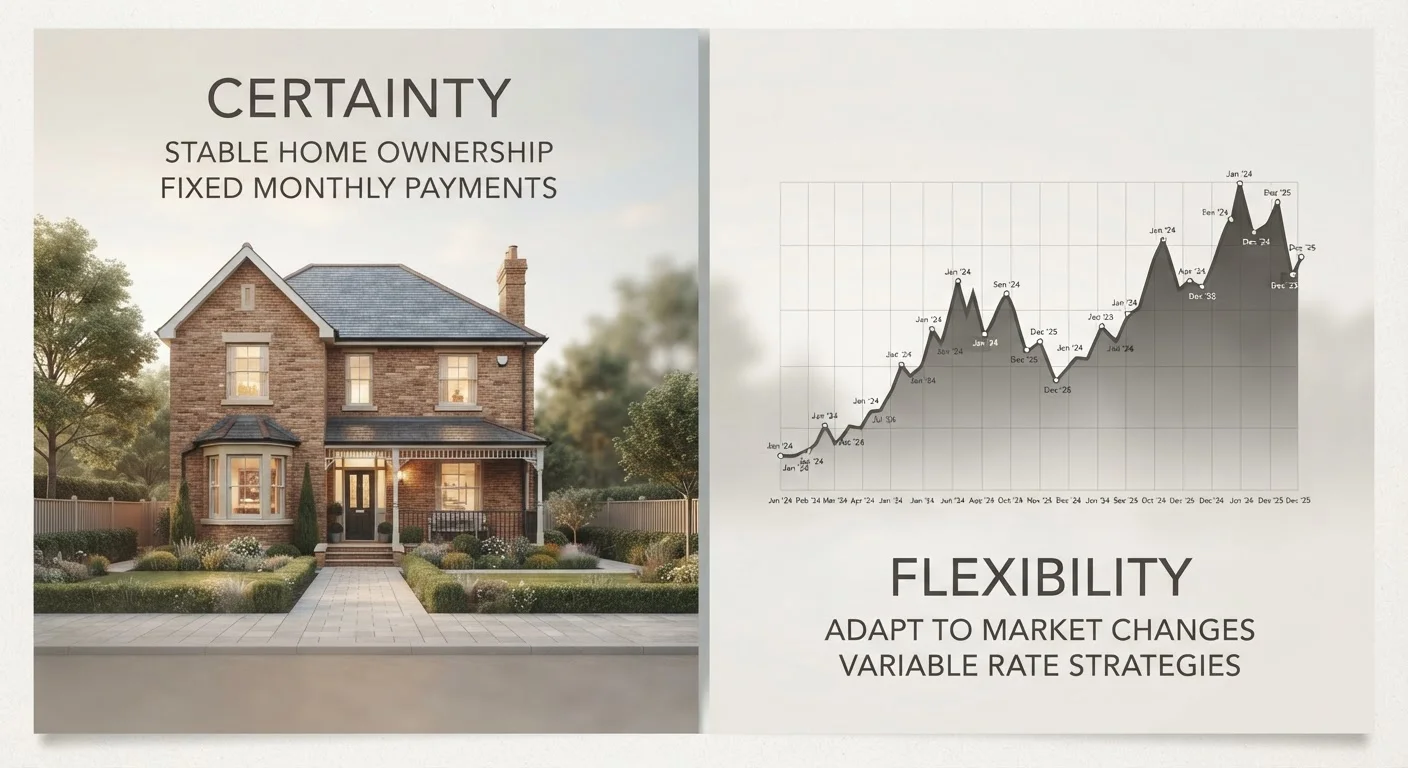
Understanding mortgage structures is part of this calculus. Fixed-rate and adjustable-rate mortgages carry meaningfully different risk profiles that affect your long-term cost.
What Each Path Costs You That Isn't on the Invoice
Beyond the ledger, both renting and buying carry less visible trade-offs worth naming clearly.
For renters: Your monthly payment builds no ownership stake. Rent can increase at lease renewal, subject to local regulations, and you have limited ability to modify your living space. Long-term renters may face displacement if a landlord sells or redevelops. However, renters carry no exposure to home value declines, no repair bills when the HVAC fails, and no liability for property taxes rising with assessed values.
For buyers: Equity accumulation is real, but it is illiquid - you cannot spend it without refinancing, taking a home equity loan, or selling. Home values do not always rise; markets correct, and buyers who overpay or must sell in a downturn can lose money. Maintenance is both a financial and time commitment. First-time buyers often discover that the emotional and logistical demands of ownership can be underestimated.
Both paths can be financially sound. Neither should be idealized. The core question is not which is inherently better, but which fits your financial position, risk tolerance, and life plans - ideally reviewed with a qualified financial professional who can assess your specific circumstances. For a broader treatment of these trade-offs, see a practical look at the real trade-offs between renting and owning.
This article is for general informational purposes only and does not constitute personalized financial, legal, or real estate advice. Consult a licensed financial adviser or real estate professional before making housing decisions.